
Moving into a new neighborhood carries a strange mix of excitement and vulnerability. Boxes are everywhere, the layout of the closest grocery store is still a mystery, and every face on the street is unfamiliar. What often smooths that transition isn't a grand gesture but a handful of ordinary sentences, the kind neighbors say almost without thinking, that quietly signal "you belong here now."
These phrases work because they're specific, low pressure, and rooted in everyday life rather than performative friendliness. Below are eight of the most common ones, along with why they tend to land so well with people who are still finding their footing in a new place.
1. "Let me know if you need anything while you're settling in"

1. "Let me know if you need anything while you're settling in" (Image Credits: Pexels)
This phrase works because it offers help without demanding an immediate response or forcing the new resident to accept anything on the spot. It leaves the door open, which matters during the first chaotic days of unpacking when people often don't even know what they need yet. Community psychologists have long noted that perceived availability of support, even if never used, reduces stress during major life transitions like relocation.
What makes this line particularly effective is its lack of strings attached. It doesn't ask for a specific favor in return, and it doesn't require the newcomer to prove they deserve the offer. Simply hearing it can shift someone's mental framing from "I'm on my own here" to "there's a safety net nearby," which is often the emotional turning point in feeling settled.
2. "Here's my number, just in case"
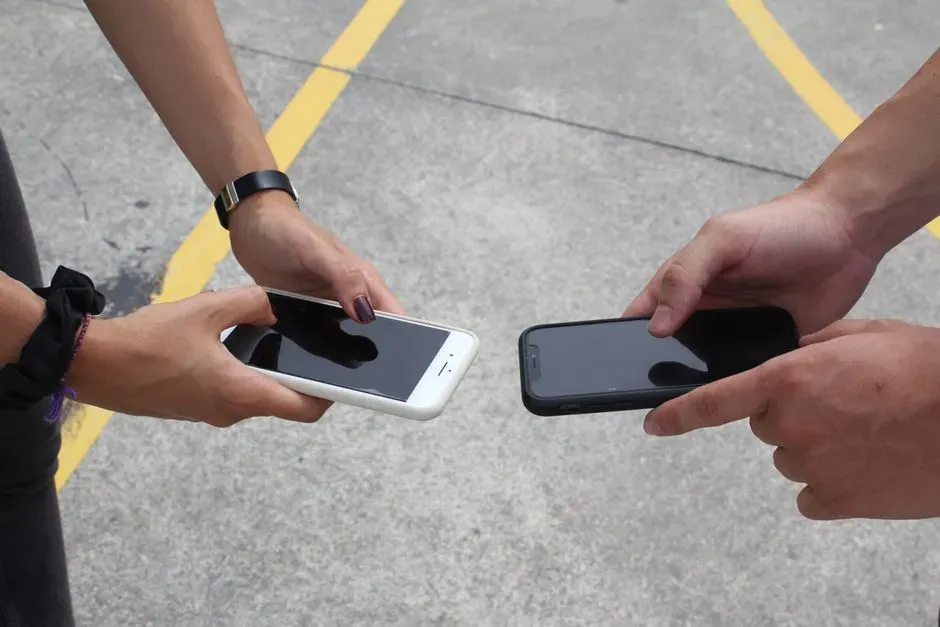
2. "Here's my number, just in case" (Image Credits: Pexels)
Exchanging phone numbers might seem like a small administrative detail, but it carries real symbolic weight. It says the relationship is expected to continue beyond a single hallway greeting, and it gives the new resident a concrete, actionable resource rather than a vague promise of friendliness. In practical terms, it also solves a real problem: not knowing who to contact if a pipe bursts or a package goes missing.
Neighbors who take this extra step tend to be remembered fondly precisely because so few people actually follow through on it. A phone number is proof that the offer to help was not just polite filler. It transforms a passing interaction into something that can be revisited later without awkwardness.
3. "There's a great little spot around the corner, I can show you sometime"

3. "There's a great little spot around the corner, I can show you sometime" (Image Credits: Pixabay)
New residents often feel like tourists in their own neighborhood, unsure where to get a decent cup of coffee or which bakery is actually worth the walk. Offering a local recommendation, especially one tied to a personal favorite, does two things at once: it provides useful information and it signals insider knowledge being generously shared. This kind of hyperlocal knowledge transfer is something formal welcome packets or municipal newcomer guides rarely replicate well.
The phrase also opens a natural path to future interaction, since "sometime" implies there will be a next conversation. It's a low commitment invitation, easy to accept without feeling obligated. For many new residents, this is the first moment the neighborhood starts to feel less like a map and more like a place with texture and familiar landmarks.
4. "We usually do a small get-together around the holidays, you should come"

4. "We usually do a small get-together around the holidays, you should come" (Image Credits: Unsplash)
An invitation to an existing tradition tells a newcomer that community life in the area is already happening, and that they're being folded into it rather than expected to build connections entirely from scratch. Sociologists studying neighborhood cohesion have repeatedly found that shared, recurring rituals, even informal ones like a block barbecue or holiday potluck, are strong predictors of long term social integration. This phrase leverages that existing structure instead of asking the new resident to create social opportunities themselves.
It also removes some of the guesswork around neighborhood norms. Knowing there's an established, casual gathering coming up gives people something concrete to look forward to and plan around. It reframes the neighborhood from a collection of strangers into a group with at least a little shared history.
5. "I put your trash bins back, hope that's okay"
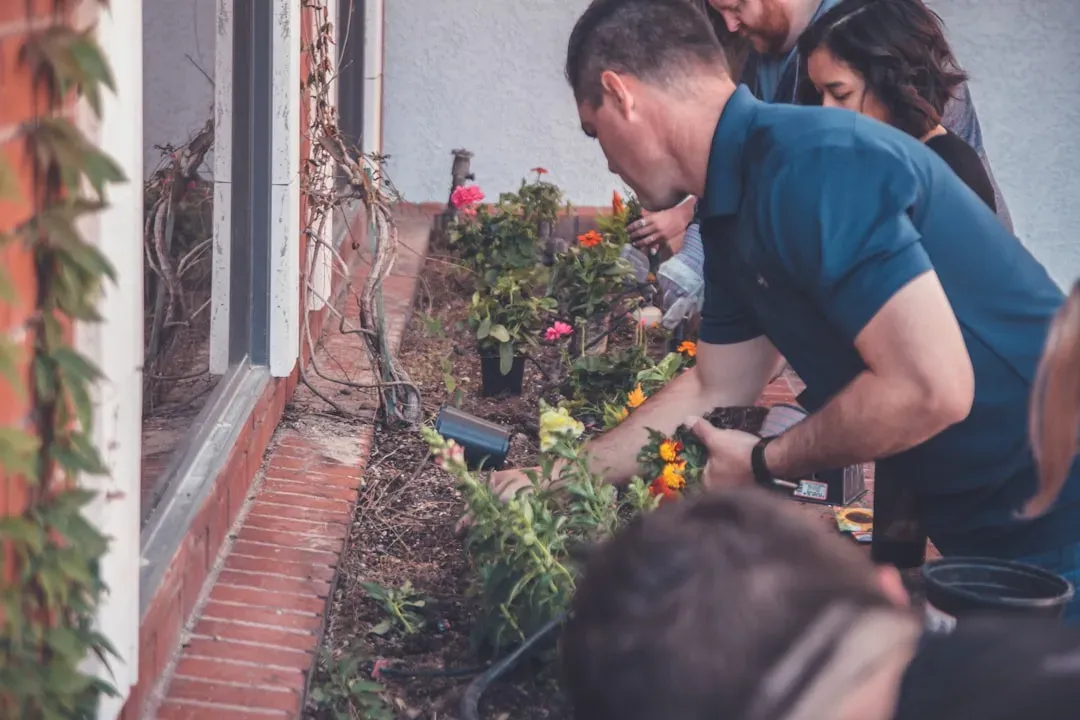
5. "I put your trash bins back, hope that's okay" (Image Credits: Unsplash)
Small, unrequested acts of practical help, mentioned casually rather than announced as a favor, often mean more than they seem to on the surface. This particular phrase communicates attentiveness without hovering, and it shows that the neighbor noticed something needed doing and simply did it. Gestures like this tend to register strongly because they are unglamorous and unmistakably genuine.
The tone matters as much as the action itself. Framing it as "hope that's okay" rather than "you're welcome" avoids making the new resident feel indebted or embarrassed about an oversight. It keeps the interaction light while still delivering real, tangible value during a period when even small logistical tasks can feel overwhelming.
6. "Feel free to knock if you ever run out of something"
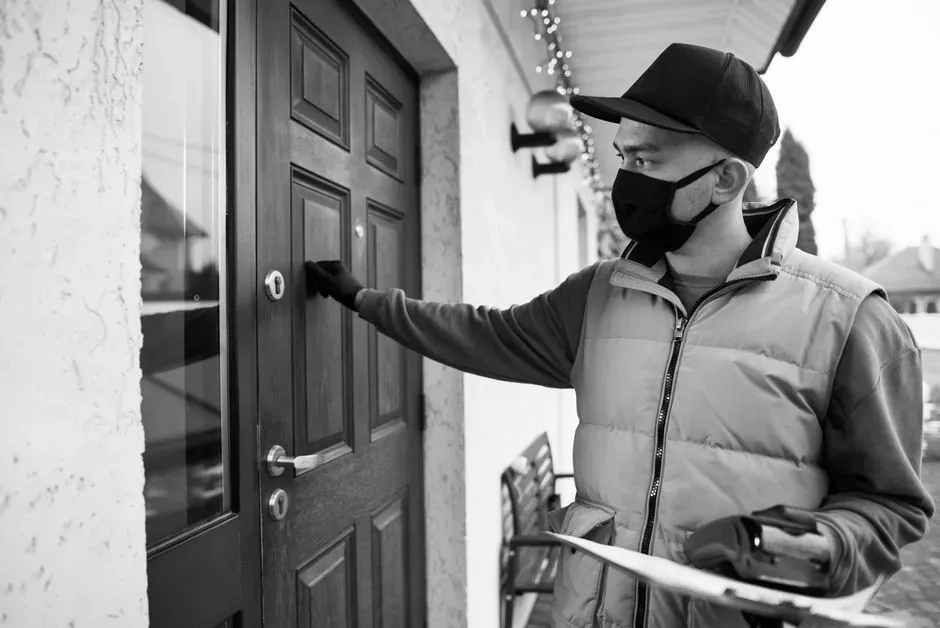
6. "Feel free to knock if you ever run out of something" (Image Credits: Pexels)
This phrase draws directly on a tradition of borrowing sugar or an egg from next door, a custom that has become less common as many communities have grown more private and less interconnected. Reviving that expectation, even casually, signals a level of comfort and trust that many new residents don't expect right away. It essentially grants permission for future interruption, which paradoxically reduces the awkwardness of ever actually doing it.
Housing researchers have noted that neighborhoods with higher levels of this kind of casual, low stakes reciprocity tend to report stronger feelings of safety and belonging among residents. The phrase itself doesn't need to be acted upon often to matter. Its real value lies in establishing that the relationship isn't purely formal or transactional.
7. "You'll figure out the quirks fast, everyone does"
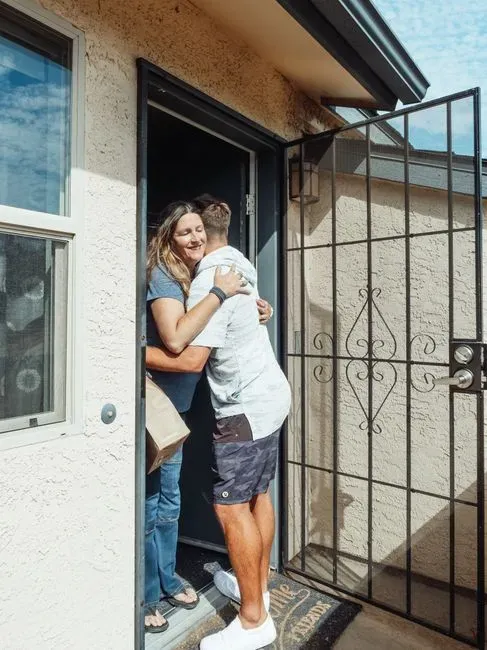
7. "You'll figure out the quirks fast, everyone does" (Image Credits: Pexels)
Every neighborhood has its own unwritten rules, whether it's which parking spots are informally claimed, when the recycling truck actually comes, or how loud is too loud on a weeknight. Naming this reality directly, and reassuring the newcomer that confusion is normal and temporary, takes pressure off a situation that can otherwise feel like a series of small failures. It reframes mistakes as part of a shared, universal learning curve rather than personal missteps.
This kind of reassurance also does something subtler: it implies the speaker went through the same adjustment period once. That shared experience, even unspoken, creates a quiet sense of solidarity. New residents often relax noticeably after hearing a version of this line, simply because it removes the fear of being silently judged.
8. "It's nice having someone new on the street"
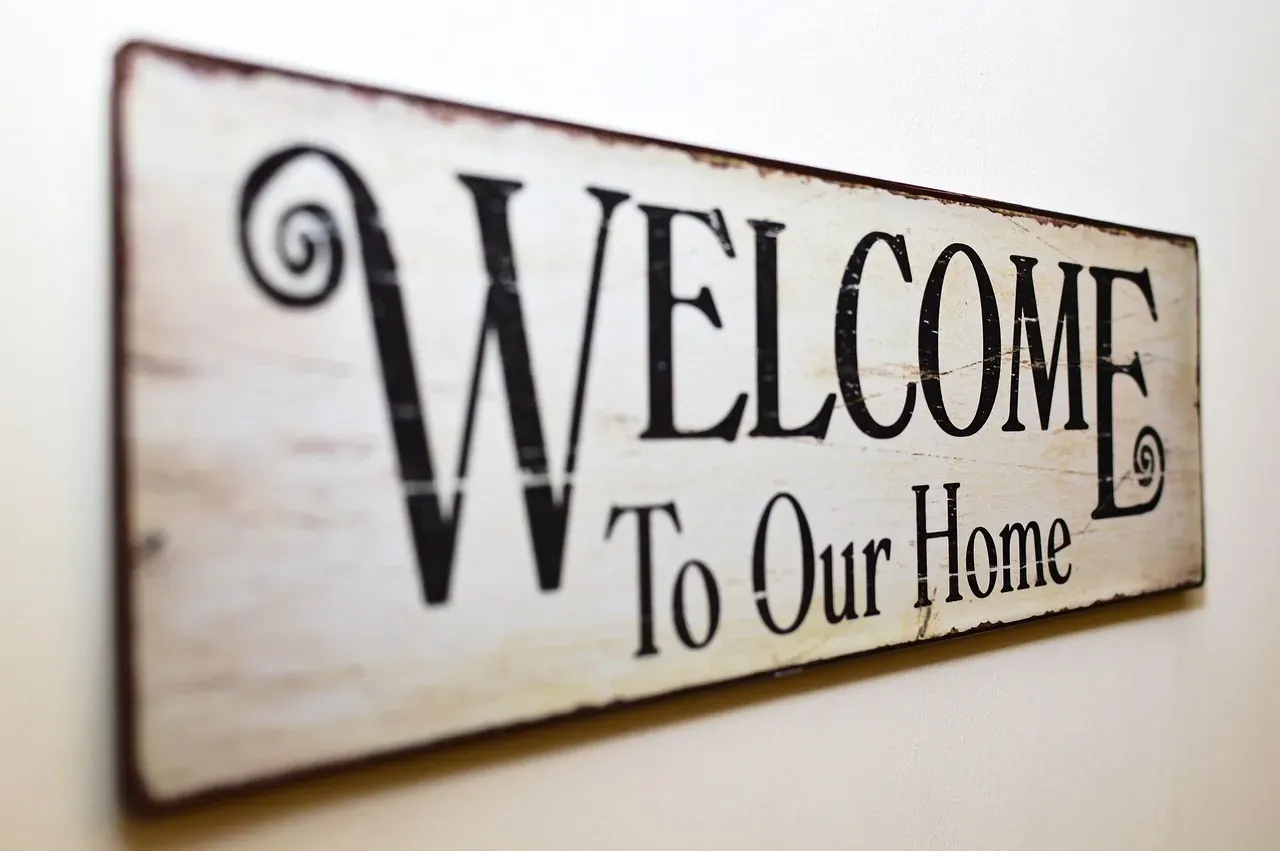
8. "It's nice having someone new on the street" (Image Credits: Pixabay)
This phrase is disarming precisely because it flips the usual dynamic of a newcomer needing to prove they belong. Instead, it frames their arrival as something positive for the existing community, not just something the community is tolerating. It's a small but meaningful reversal that many new residents don't anticipate and often remember specifically.
Community researchers point out that feeling wanted, rather than merely accepted, plays a distinct role in how quickly people form attachment to a new place. Hearing that their presence adds something, rather than simply fills a vacancy, can meaningfully shift how a new resident perceives their own place in the neighborhood. It's often the shortest phrase on this list, yet it tends to carry some of the most lasting emotional weight.
These phrases share a common thread: they're specific, low pressure, and rooted in ordinary daily life rather than staged hospitality. None of them require grand gestures or perfect timing, which is exactly why they tend to work so consistently across different neighborhoods and communities. For new residents, it's rarely one single moment that makes a place feel like home, but rather the accumulation of these small, unremarkable exchanges over the first few weeks.