
There's a particular kind of eye-roll that happens at family dinners these days, usually right after a millennial parent asks their toddler if they'd like a hug instead of demanding one. Grandparents watch, baffled, as bedtime becomes a negotiation and screen time comes with an app to track the app. Something has shifted between generations, and it isn't just about gadgets or trends. It reflects a genuinely different set of assumptions about what children need and what parents owe them.
Gentle parenting has replaced "because I said so"

Gentle parenting has replaced "because I said so" (Image Credits: Pexels)
Boomers largely operated within a mix of authoritarian and authoritative frameworks, where the parent held clear authority and consequences followed misbehavior without much debate. Baby boomers follow a mix of authoritarian and authoritative parenting styles, where both generally view the parent as the authority figure with an emphasis on rewards and consequences for behaviour. Millennials have largely stepped away from that model in favor of something softer.
According to a study from Lurie Children's Hospital of Chicago, three out of four millennial parents say that they practice gentle parenting and 73 percent think their parenting style is better than that of past generations. The approach itself centers on connection over control. Gentle parenting is characterized by helping guide children through the decision-making process rather than threatening or punishing them, focusing on partnership between parents and children with an emphasis on communication, empathy, respect, and boundaries.
Mental health is now part of everyday conversation

Mental health is now part of everyday conversation (Image Credits: Unsplash)
For a lot of boomer households, emotions simply weren't a topic. There's a stark contrast between the generations on discussing mental health: two in three millennial parents say their parents never talked with them about mental health, while 98 percent of millennial parents talk with their children about it. That's not a small shift, it's closer to a total reversal.
The commitment goes beyond talk, too. Eighty percent of millennial parents think discussions about mental health and emotional well-being are very important in shaping a child's overall development. Still, it isn't effortless. The top challenges millennial parents experience in talking with their kids about mental health include difficulty finding the right words, struggling to determine if a child understands, and fear of making things worse.
Screens are managed, not banned outright
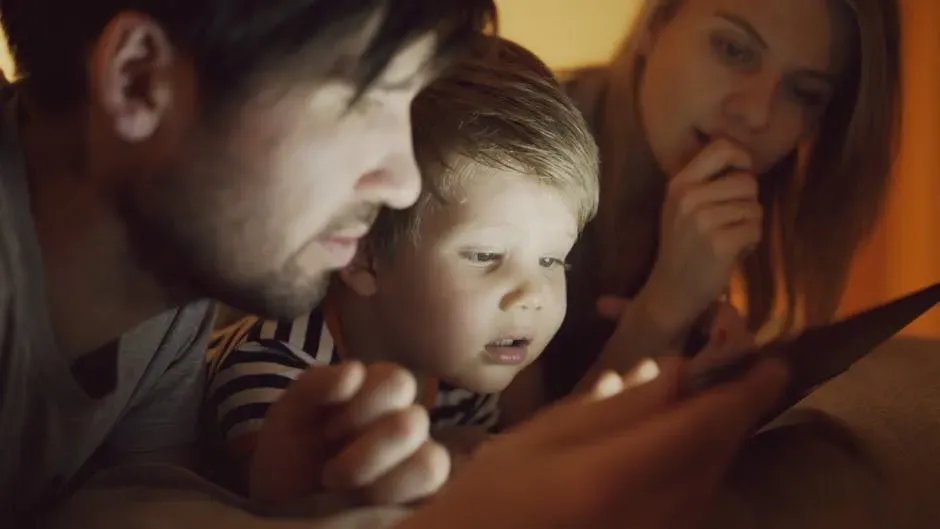
Screens are managed, not banned outright (Image Credits: Pexels)
Boomers grew up associating screens mainly with television, so the idea of a toddler swiping through an iPad can look alarming to them. Boomers raised their children long before smartphones and social media, so today's screen-time limits can seem confusing or unnecessary to them. Millennials, meanwhile, treat devices as a normal, if carefully rationed, part of daily life.
The approach tends to be practical rather than fearful. For millennial parents juggling work-from-home life, structured screen time is part of the routine, not the apocalypse, with clear boundaries like no devices at meals, no endless video loops, and no screens before school. Many even curate educational content deliberately, treating tablets as a tool to be shaped rather than a threat to be avoided entirely.
Bodily autonomy has replaced automatic obedience

Bodily autonomy has replaced automatic obedience (Image Credits: Unsplash)
One of the more visible generational flashpoints shows up around physical affection. "Give Grandma a kiss" used to be a command, not a request, but now millennial parents are teaching kids they can decline physical affection from anyone, including relatives, calling it bodily autonomy. For grandparents who equated obedience with love, this can feel like a rejection rather than a lesson.
Millennials frame it differently. Millennials argue they're preventing future issues with consent and personal boundaries. A four-year-old politely declining a hug isn't defiance in this framework, it's practice for setting limits later in life, and that reframing is central to how this generation thinks about respect between adults and children.
Independence looks more supervised than it used to

Independence looks more supervised than it used to (Image Credits: Pexels)
Here's where things get a bit contradictory. Boomers often had the run of the neighborhood as kids, and they tend to view today's tracked, chaperoned childhoods with some bewilderment. Millennial parents track their eight-year-olds with GPS watches and won't let them walk to the corner store alone, which boomer grandparents, who were basically feral from ages six to twelve, cannot comprehend, since they roamed neighborhoods coming home only when the streetlights came on.
Millennials justify the shift with data, even if the data doesn't always support the anxiety. Millennials cite crime statistics, even though crime is actually lower, and "different times," while boomers see helicoptered kids who can't navigate basic independence. It's a genuine tension inside the generation itself, wanting kids to be both safe and self-reliant, and not always finding an easy balance between the two.
Money conversations start earlier and more openly

Money conversations start earlier and more openly (Image Credits: Unsplash)
Financial literacy has become a bigger priority for millennial parents than it was for their own upbringing. According to Forbes Magazine, 66 percent of millennials are saving for their children's college years, while only 47 percent of Gen-Xers and 35 percent of baby boomers did the same. That gap reflects both a cultural shift and the harder economic reality millennials themselves have faced.
Beyond saving, the tone of money talk has changed too. Compared to Gen-Xers and Boomers, the millennial generation of parents values financial literacy, is less concerned about meeting gender stereotypes, and is more focused on work-life balance. Where boomers often kept finances private from kids, many millennials now treat budgeting and saving as topics worth discussing openly at the dinner table.
Parenting advice now comes from screens, not just relatives

Parenting advice now comes from screens, not just relatives (Image Credits: Unsplash)
Boomers leaned on family, pediatricians, and the occasional parenting book. Millennials search first. When faced with a parenting decision or issue, millennials will more likely rely on the Internet for advice instead of asking a friend or family member, since as digital natives they know how to properly search a topic, download apps, and find blogs and websites to get information at their fingertips.
That access comes with its own baggage. Nearly half (46%) of millennial parents feel burned out with 85% believing social media creates unrealistic parenting expectations. Constant exposure to other families' curated moments has created a comparison trap that simply didn't exist for boomers raising kids without an audience.
Work and parenting duties are split more evenly
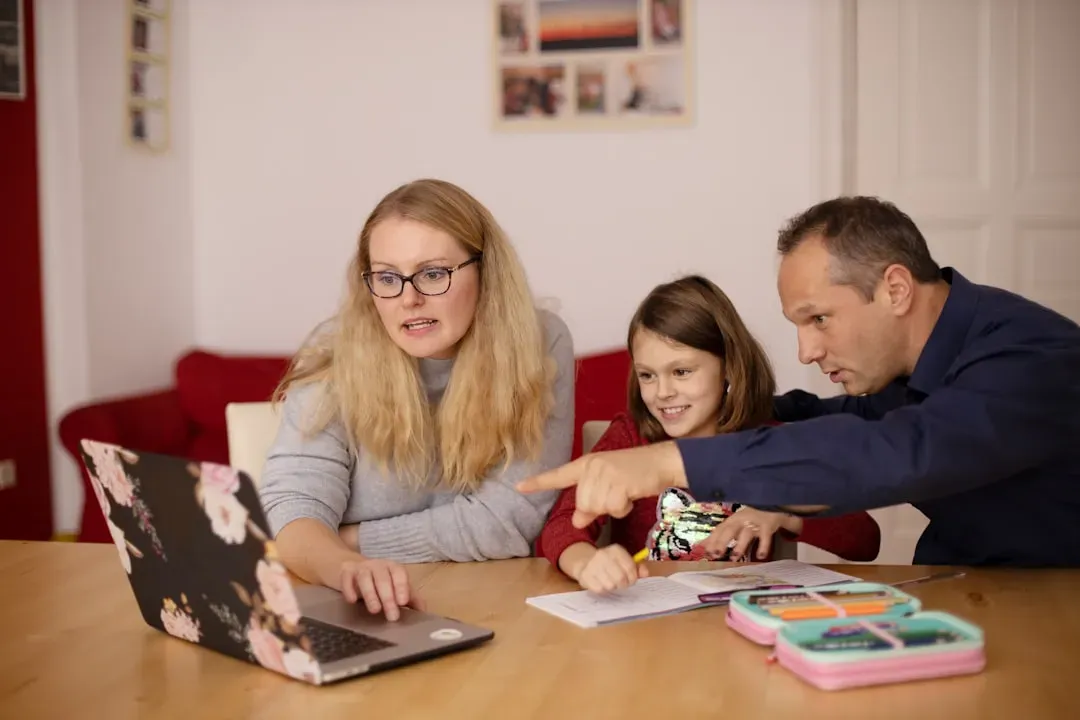
Work and parenting duties are split more evenly (Image Credits: Unsplash)
The traditional stay-home-mom, breadwinner-dad arrangement common among boomers has given way to something messier and more balanced. More than four in five millennial parents work, and among them 58 percent say it's hard to balance work and home life, with millennial moms feeling this slightly more at 63 percent facing challenges compared to 55 percent of dads.
Despite the strain, priorities have shifted in a telling way. The majority, four in five, prioritize their children over their careers, especially moms at 81 percent versus 78 percent of dads. Fathers, too, are visibly more hands-on than the boomer generation typically was, sharing routines like school drop-offs and bedtime that were once considered a mother's default responsibility.
Toys and schedules favor less over more
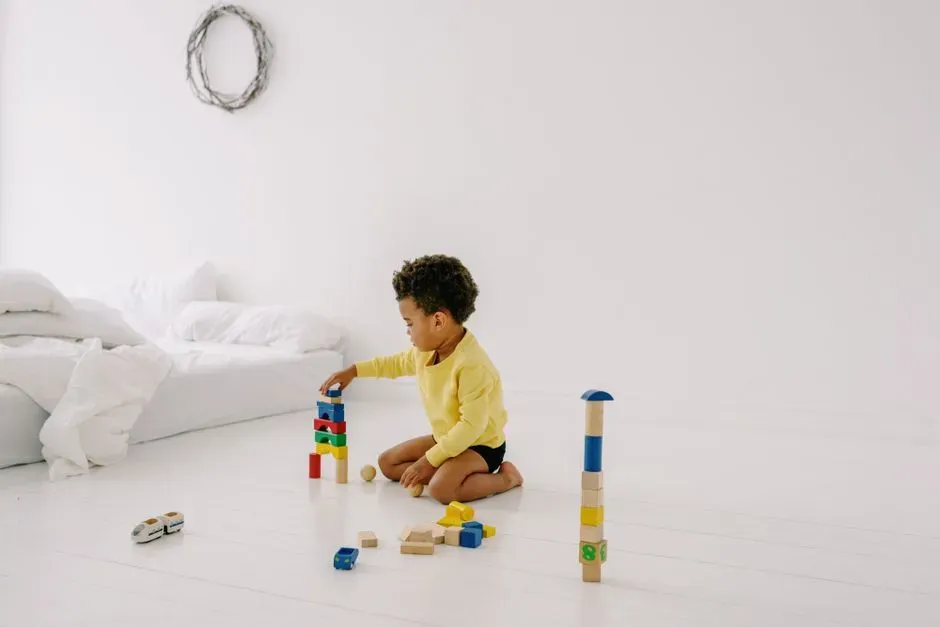
Toys and schedules favor less over more (Image Credits: Pexels)
Boomer households often prized abundance, stacks of toys, packed activity calendars, and constant stimulation as signs of a good childhood. Millennials have quietly pushed back against that model. Many Boomer households overflowed with plastic toys, while Millennials are leaning into simplicity, with minimalist playrooms and toy rotation systems becoming common, emphasizing quality over quantity.
The same instinct applies to unstructured time. Millennial parents aren't too concerned about filling their kids' schedules with tons of organized activities, fearing overscheduling can negatively impact mental health, and instead value unstructured playtime and want kids to have more input over their own time. Where boomers might see this as underachievement, millennials frame it as protecting a child's ability to entertain and regulate themselves.
The generational verdict, so far

The generational verdict, so far (Image Credits: Pexels)
None of this means millennials have cracked parenting and boomers got it wrong. Both generations were responding to the pressures and information available to them at the time, and each style carries its own trade-offs, boomers erred toward structure and resilience, millennials toward emotional attunement and flexibility. What's clear is that the shift is real, measurable, and still evolving as millennials themselves adjust their approach based on what actually works with their own kids day to day.