
Every flight has a rhythm most passengers never notice. The chimes, the dimmed lights, the request to lift your window shade, all of it looks routine, almost decorative. But behind nearly every small ritual on a plane sits a reason that has nothing to do with comfort and everything to do with keeping people alive if something goes wrong.
Flight attendants rarely explain these details out loud, partly because there is no time, partly because some things sound alarming without context. Below are eight things cabin crews know well but almost never say directly to the people sitting in front of them.
1. Dimming the lights has nothing to do with ambiance
1. Dimming the lights has nothing to do with ambiance (Image Credits: Unsplash)
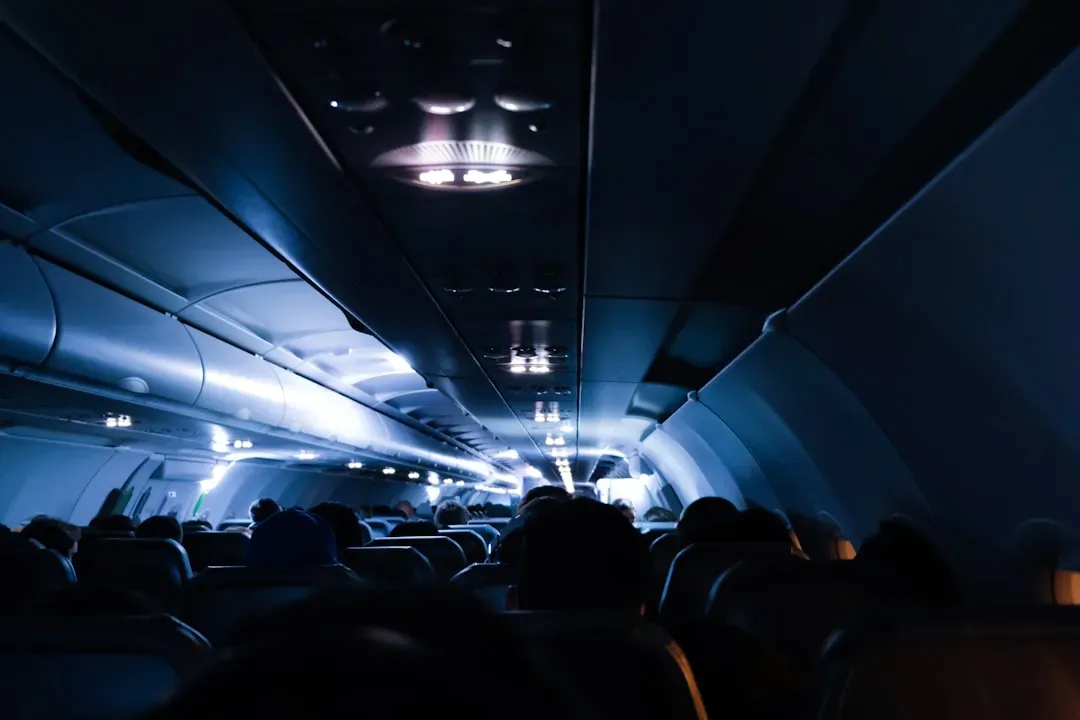
Passengers often assume the cabin lights get lowered before takeoff and landing to help people relax or nap. The real reason is far more clinical. A brightly-lit cabin can create glare in the cockpit windscreen, and pilots often need to rely on visual cues outside the aircraft, though the main reason for dimming has always been passenger safety.
The logic is about eyesight, not mood. Dimming allows eyes to adapt to darker conditions, which is crucial in emergencies, and studies indicate full dark adaptation takes up to 30 minutes, though initial adjustment happens within five to ten minutes. Since takeoff and initial climb account for over 20 percent of fatal accidents, while landing phases see more than 45 percent, crews want everyone's eyes ready for the worst possible seconds, not the best.
2. Raising your window shade is a safety instruction, not a suggestion
2. Raising your window shade is a safety instruction, not a suggestion (Image Credits: Pixabay)
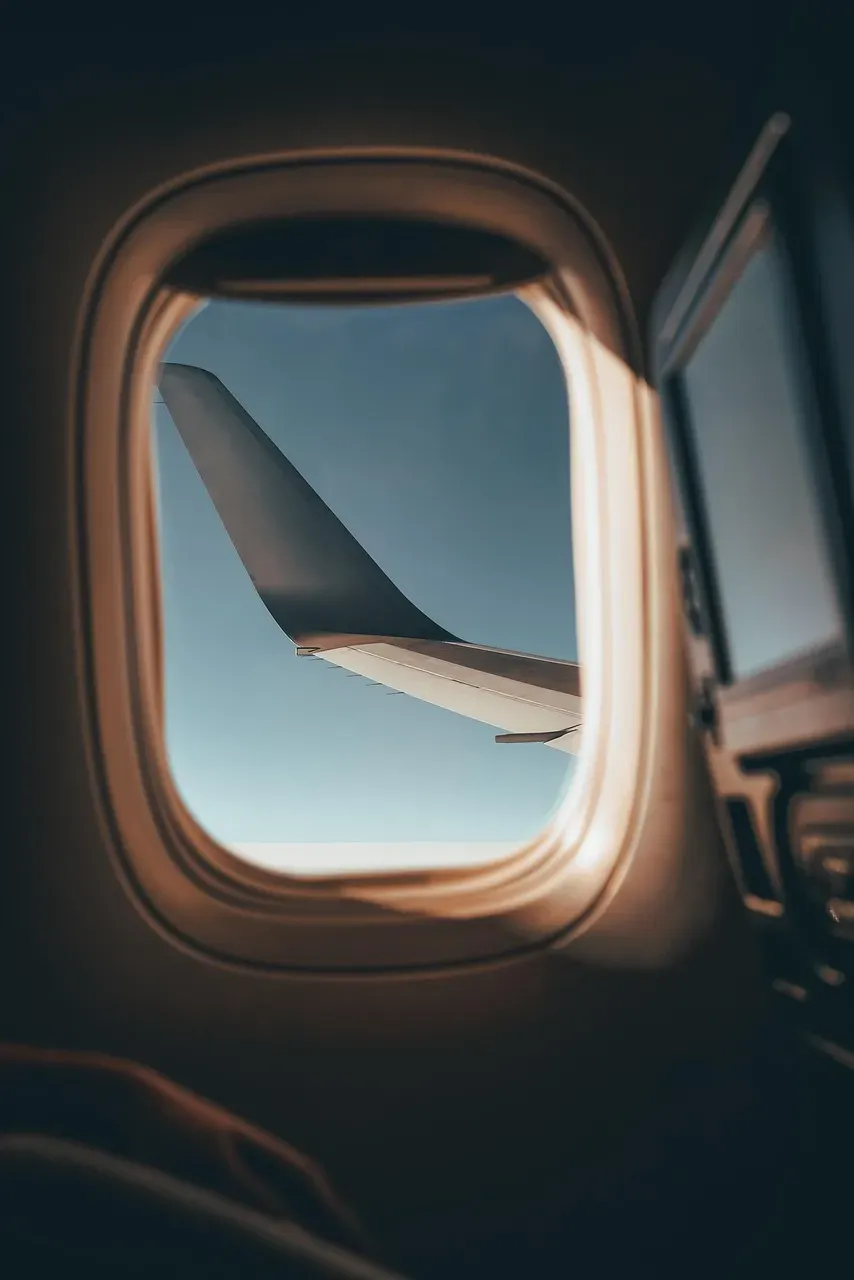
That request to open your blind before landing can feel like an odd formality, especially if you were hoping to sleep through the descent. It is actually tied directly to evacuation planning. Flight attendants ask for open window shades on daytime flights for safety, since open shades help maintain cabin light if power fails and allow crew to check outside conditions, which matters in emergencies like fires or bird strikes.
There is a real history behind this rule, not just theory. In a 2013 British Airways incident, a plane's engine covers popped open after takeoff, and the crew spotted it through the windows and initiated a quick emergency landing. A closed shade at the wrong moment could delay noticing exactly that kind of problem.
3. Your oxygen mask won't last as long as you think
3. Your oxygen mask won't last as long as you think (Image Credits: Pexels)
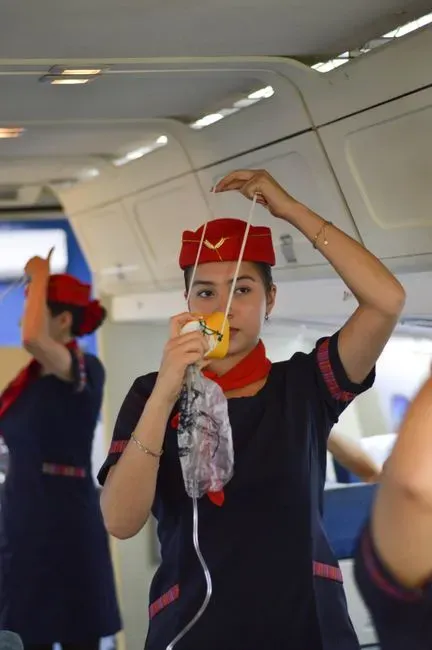
The pre-flight safety demo mentions putting on your own mask before helping others, but it skips over the fine print. The flowing oxygen will last between just 12 and 15 minutes, though most pilots will take the plane to a lower altitude within that window. It sounds brief because it is, but it is designed around how quickly a descent can happen, not around comfort.
The more urgent number is even smaller. The biggest risk is in the first 30 seconds, since that is how long you have to get the mask on yourself before passing out. Flight attendants know this timeline cold, even if the safety card never spells it out in plain language.
4. The cabin temperature almost never changes, no matter who asks
4. The cabin temperature almost never changes, no matter who asks (Image Credits: Pixabay)
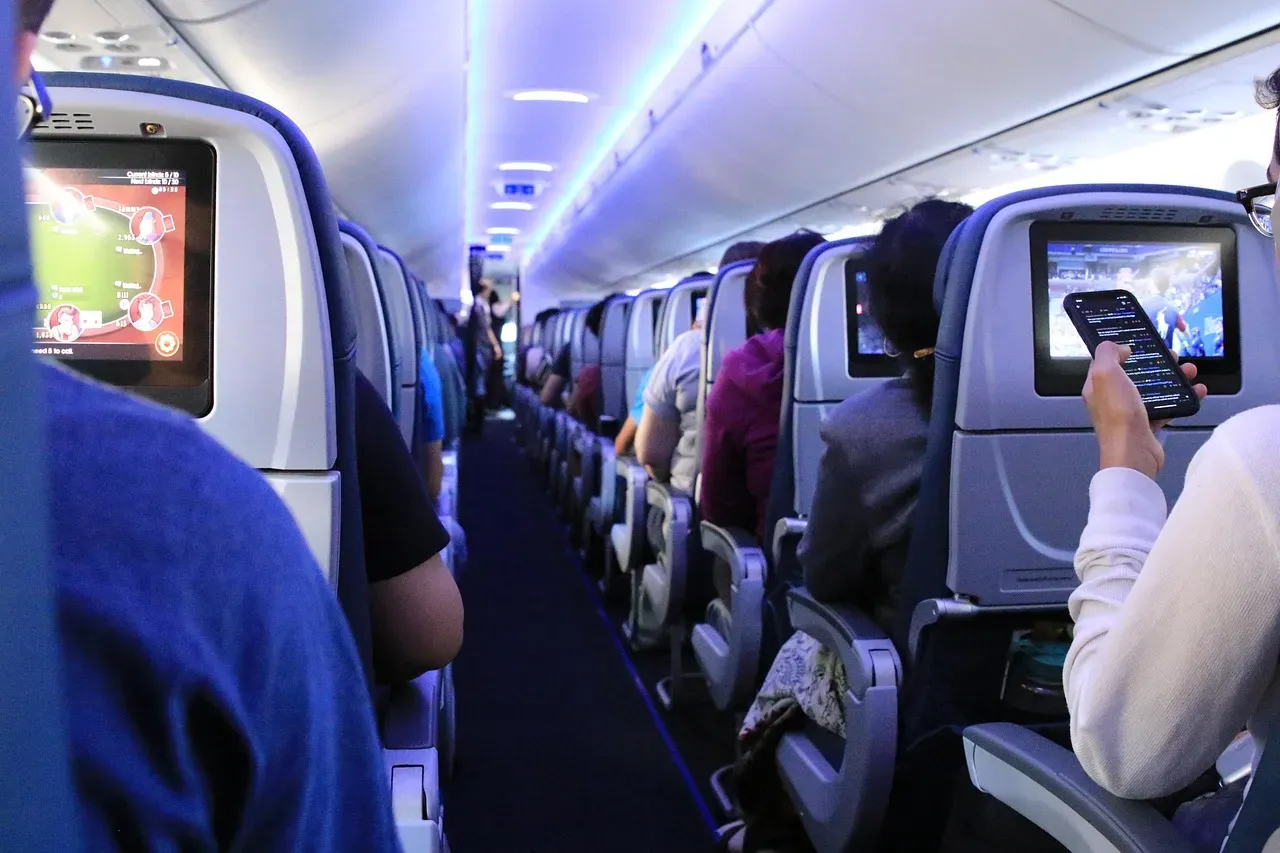
Complaining that the plane is too hot or too cold rarely produces the result passengers hope for. It's tempting to ask a flight attendant to adjust the temperature, but unless the whole plane is complaining or the crew themselves are uncomfortable, it probably will not change. A single request, however politely delivered, usually gets logged and forgotten within minutes.
Part of the reason is structural rather than personal. The temperature throughout the entire plane is fairly standard, set at a level considered comfortable for the majority of passengers, so individual requests rarely get special treatment. Crews know this, which is why the polite nod after a temperature complaint often means little will actually happen.
5. Lavatory doors can be opened from the outside
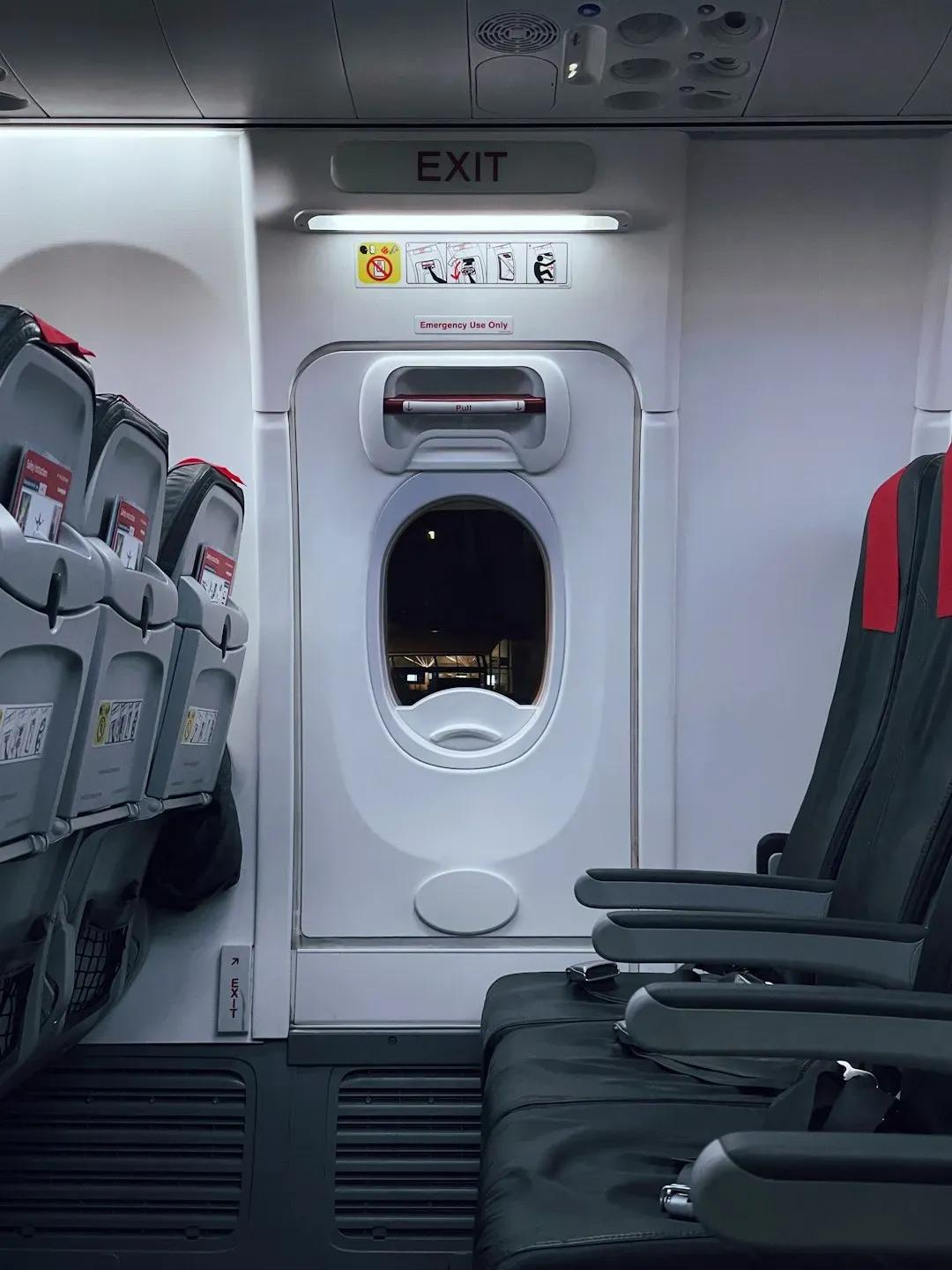
5. Lavatory doors can be opened from the outside (Image Credits: Unsplash)
Locking yourself in feels absolute, but it is not quite as secure as it looks. Anyone who happens to be a flight attendant knows how to open the lavatory from the outside, because the door has been designed with a hidden latch or switch beneath the lavatory sign that disables the lock in case someone is passed out or stuck inside. It exists purely for medical emergencies, not for casual use.
Crews are trained on this mechanism but do not advertise it. The exact mechanisms vary between airlines, so figuring it out on your own is unlikely, and attempting to tamper with it can amount to a criminal offense. It is one of those quiet design details that only becomes relevant on the rare bad day when someone genuinely needs help.
6. Your boarding pass carries more personal data than it looks like
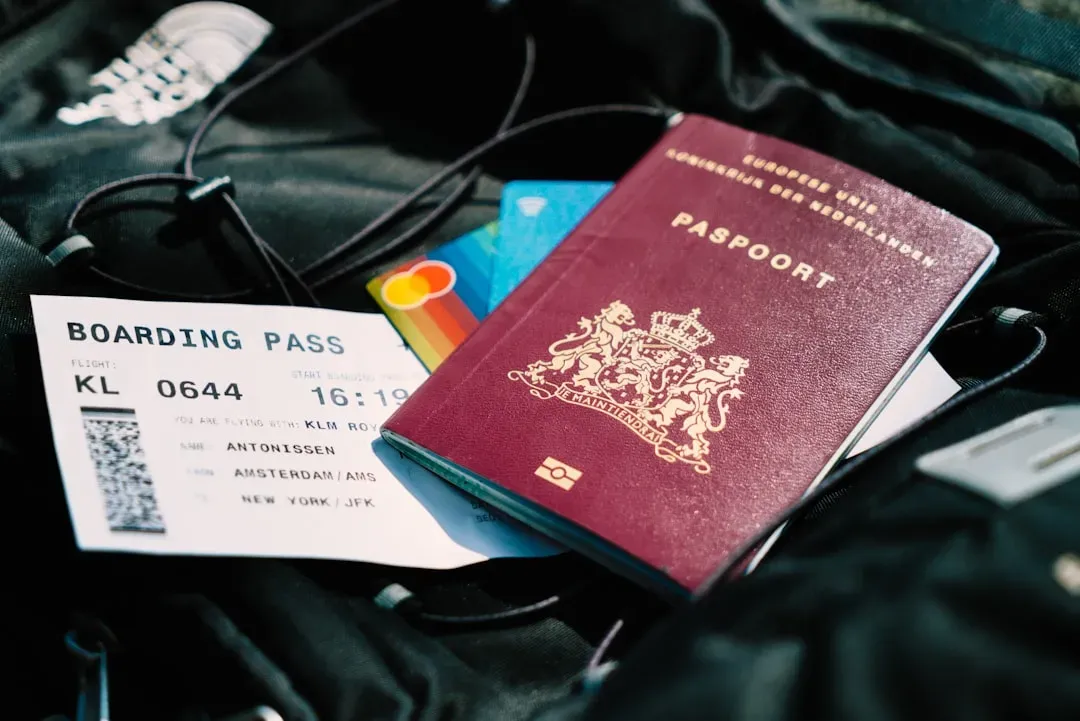
6. Your boarding pass carries more personal data than it looks like (Image Credits: Unsplash)
That strip of barcode and text seems mundane, but it holds more than a seat number. The most interesting and secret part of your ticket is the six-digit alphanumeric segment called the PNR, or Passenger Name Reference, which contains your frequent flier number and future travel plans. Flight attendants scan and reference these codes constantly, which means they see far more about a passenger's itinerary than most travelers realize.
The privacy implications are real, even if rarely discussed at the gate. Someone could use this information to access your account, even changing the PIN to prevent your future access. It is a small detail crews are aware of but almost never bring up, since the fix is simply for passengers to be careful about who photographs or discards their boarding pass.
7. Delays cost crews far more than they cost passengers
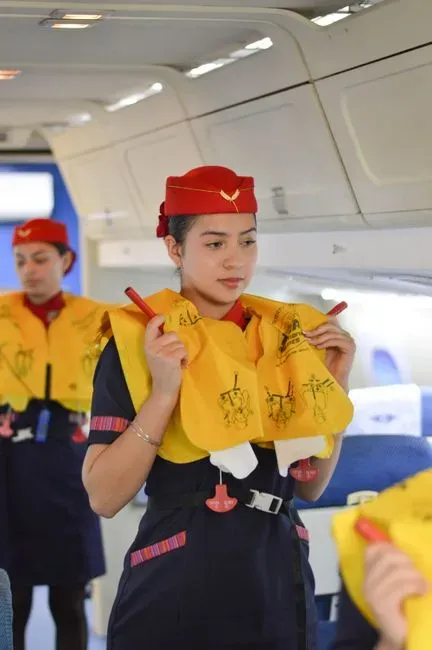
7. Delays cost crews far more than they cost passengers (Image Credits: Pexels)
A delayed flight feels like an inconvenience to the people in the seats, but for years it meant something heavier for the crew working it. For passengers, a delay is mostly an annoyance, but for crews it meant hours of uncompensated labor layered on top of fatigue and disrupted rest schedules. That imbalance shaped years of tension inside the industry that most travelers never saw.
The situation has shifted noticeably in the last two years. In 2024, after threatening to strike, American Airlines flight attendants secured a historic deal that included boarding pay for the first time in U.S. airline history, and in early 2025 Alaska Airlines crews ratified a contract that also included boarding pay and significant salary increases. Flight attendants rarely mention any of this mid-flight, but it quietly explains a lot about morale on longer, delay-prone days.
8. Crews are trained for medical emergencies and even death onboard, calmly and quietly
8. Crews are trained for medical emergencies and even death onboard, calmly and quietly (Image Credits: Unsplash)
Behind the friendly demeanor is training for situations most passengers hope never to witness. From fume events that bring the smell of burning oil into the cabin to the unsettling truth about what happens when someone dies in flight, crews are trained for situations that never make it into safety videos. None of this gets mentioned during boarding, for obvious reasons.
When the worst does happen, the priority becomes discretion rather than drama. If a passenger dies in flight, the flight attendant's primary concern is to avoid alarming other passengers, so the best approach is ensuring the deceased person's seatbelt is properly buckled and covering them temporarily with a blanket. It is a grim, practical protocol that crews carry quietly, without ever spelling it out to the row of passengers a few seats away.
None of these details are meant to unsettle anyone who flies regularly. They mostly show that the small, repetitive rituals on a plane, the dimmed lights, the raised shades, the clipped answer about cabin temperature, are rarely arbitrary. Each one traces back to a specific safety rationale or an operational reality that airlines and crews rarely explain out loud, mostly because there is no announcement built for it.
The next time a flight attendant asks for a shade to go up or waves off a complaint about the cabin being cold, it helps to remember there is usually a reason sitting quietly behind the request.