
Most travelers assume the real observation starts once they step through the aircraft door, but cabin crew are often watching long before that. Standing near the gate, checking boarding passes, or simply glancing down the jet bridge, flight attendants pick up on small cues that shape how they plan for the flight ahead. None of it is about judgment for its own sake. It's about safety, logistics, and figuring out who might need a hand once the doors close.
1. Whether you're crowding the gate before your group is called
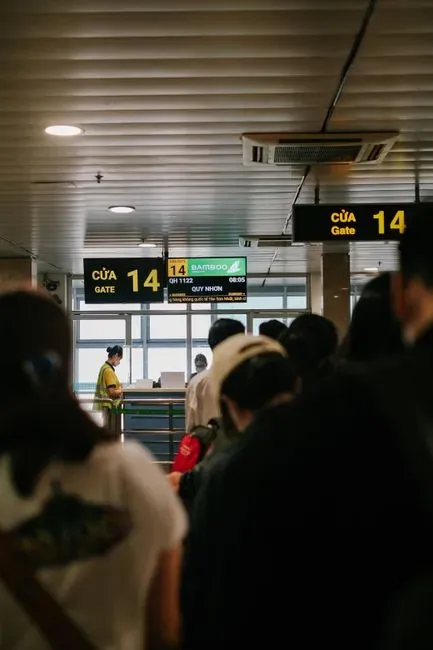
1. Whether you're crowding the gate before your group is called (Image Credits: Pexels)
Airline crews have a name for travelers who cluster around the boarding door long before their zone is announced, and it isn't flattering. Among flight attendants, there's even a term for passengers who crowd the gate before their boarding group: "gate lice." Don't take this the wrong way, and this isn't meant to come across as rude. It's simply a pattern they see on nearly every flight.
This behavior gets noticed because it often predicts how someone will handle the rest of the boarding process. Are you someone who huffs and puffs while waiting to board or someone who waits patiently for your turn? Crew members start forming impressions well before anyone scans a boarding pass, and that first read tends to stick.
2. How you handle your carry on bags
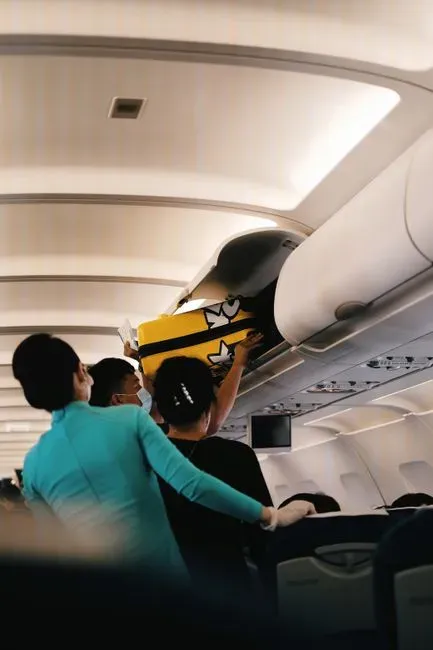
2. How you handle your carry on bags (Image Credits: Pexels)
The way someone manages their luggage says a lot, and gate agents and cabin crew both watch for it. They can usually tell right away if you've planned ahead or if you're scrambling. Passengers who already have their boarding pass, seat number, and essentials ready move through the aisle with less confusion. It sounds minor, but it changes the entire rhythm of boarding for everyone behind that person.
Frequent flyers tend to give themselves away through sheer efficiency. One former flight attendant explained that crew members can tell almost instantly whether someone travels often, because "we can tell if you're a frequent flyer because you know where to put your luggage and tend to get settled in quickly." That kind of muscle memory is hard to fake, and it's one of the clearest tells crew members rely on.
3. Signs that someone may have had too much to drink
3. Signs that someone may have had too much to drink (Image Credits: Unsplash)
Alcohol before a flight isn't unusual, but crew members are trained to spot when it's gone too far, sometimes before a passenger even reaches the aircraft door. In recent years, we've seen the rise of disruptive passengers on almost a daily basis, so flight attendants will most definitely be on the lookout for anyone who may later become disruptive, for example, someone who has had too much to drink or seems intoxicated in some way. The stakes are real, since airlines can and do refuse boarding over this.
Crew members say this isn't guesswork so much as pattern recognition built over years on the job. If someone boarding a plane seems like they may be drunk and disruptive, or wasted and aggressive, it's important for a flight attendant to sniff out the signs right when the passenger boards the plane so they can take measures to avoid conflict. Catching it early, ideally before takeoff, avoids a much messier situation mid-flight.
4. How you react to gate changes and delays
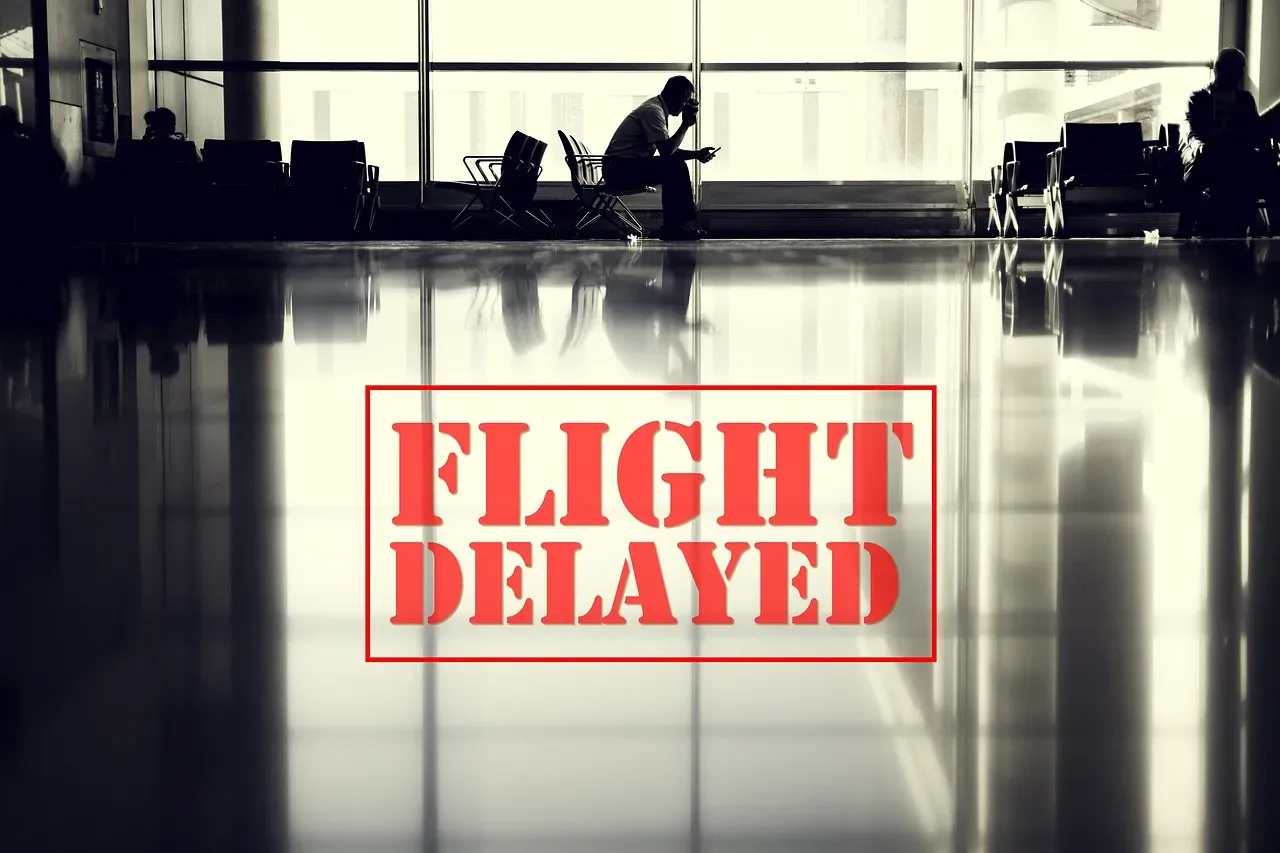
4. How you react to gate changes and delays (Image Credits: Pixabay)
Nothing reveals a passenger's temperament quite like a last minute disruption. Gate changes, mechanical delays, and last-minute seat reassignments reveal more about a passenger than almost anything else, and flight attendants have shared that they can often predict how the rest of the flight will go based on how someone handles a pre-departure disruption. It's a small window, but a telling one.
The split tends to be pretty clear cut once you're paying attention. Passengers who stay composed, speak respectfully, and roll with the situation get mentally filed as low-maintenance, while those who escalate quickly over minor inconveniences get flagged as potential sources of tension. Patience at the gate, it turns out, buys a lot of goodwill later.
5. Whether you acknowledge the crew at all
5. Whether you acknowledge the crew at all (Image Credits: Unsplash)
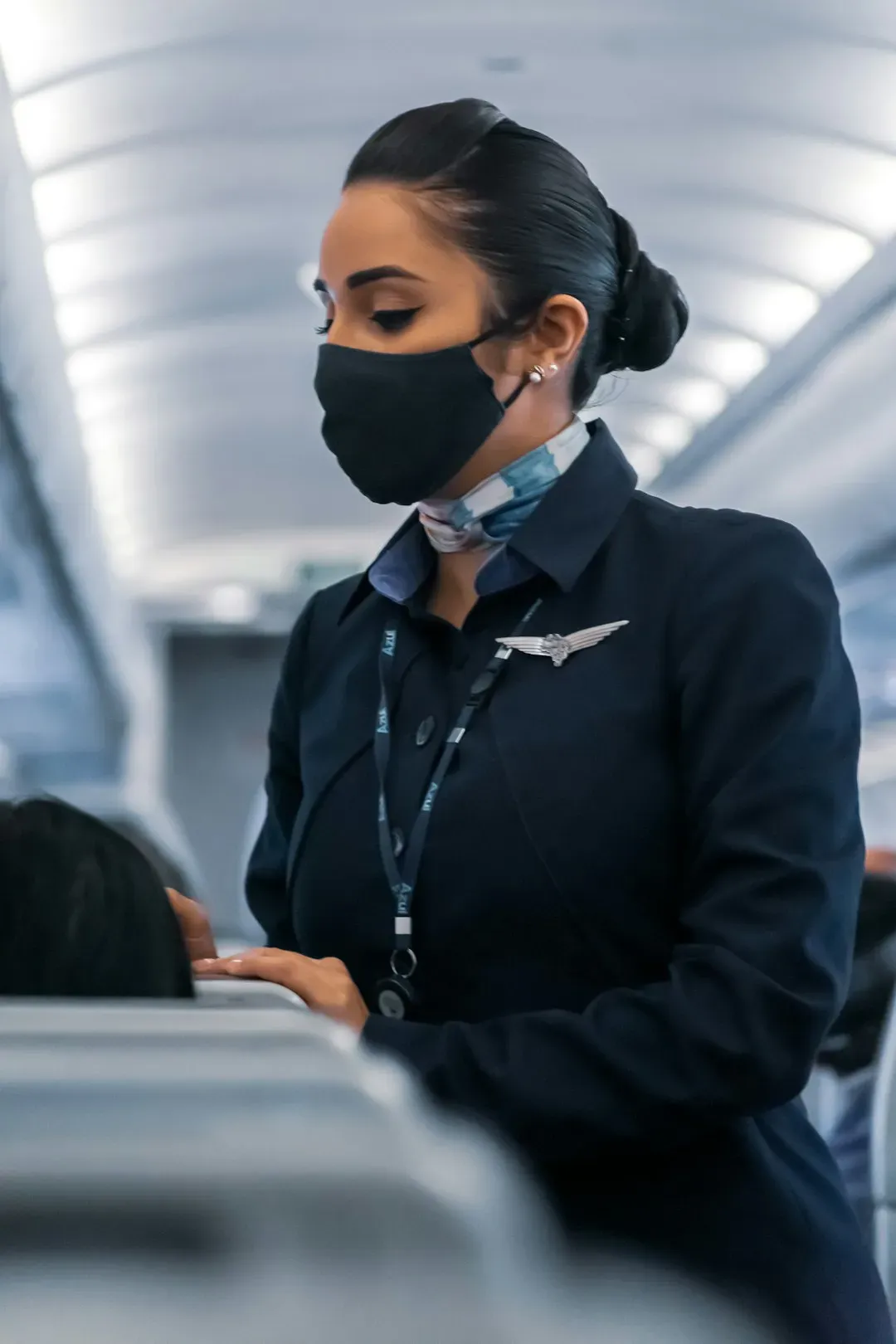
A greeting seems like a small gesture, but it registers more than most passengers realize. One of the first things flight attendants notice is whether you acknowledge them when you board. A simple hello or even a quick nod tells them a lot about your mood and how approachable you'll be during the flight. It sets the tone for every interaction that follows.
Skipping that moment entirely leaves an impression too, even if it's unintentional. When you walk past like they don't exist, it just comes across as dismissive, even if you're distracted. Crew members understand that not everyone is chatty before a flight, but a brief acknowledgment goes further than people think.
6. What your outfit says about your readiness to fly
6. What your outfit says about your readiness to fly (Image Credits: Unsplash)
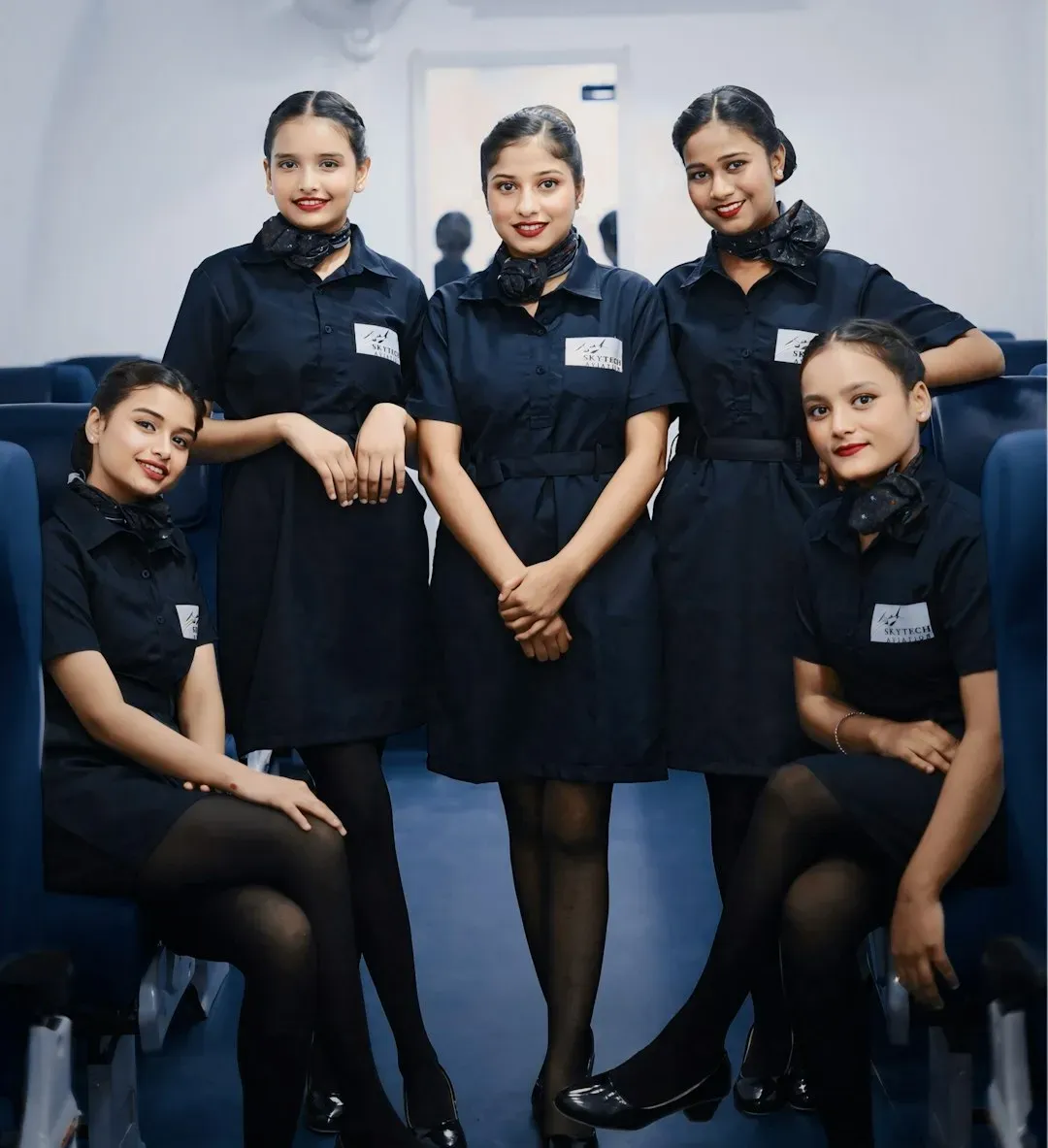
Clothing choices might seem like a purely personal decision, but crew members read them through a safety lens. What you wear sends subtle messages about your readiness for flight. Flight attendants quietly assess if your outfit would be practical in an emergency. Comfortable, closed-toe shoes and flexible clothing earn approval, while high heels or tight outfits could hinder quick movement. It's not about style points, it's about whether you could move quickly if needed.
That assessment also feeds into a broader read on how prepared someone seems overall. Passengers dressed sensibly project alertness and confidence, qualities that make assistance easier if turbulence strikes. It's a small detail, but one that crews genuinely file away.
7. Any visible signs of illness
7. Any visible signs of illness (Image Credits: Unsplash)
Sharing a metal tube with a couple hundred strangers for several hours makes illness a real concern for cabin crew, so they're watching for it from the moment boarding starts. This health assessment is magnified for flight attendants, who're searching for signs of illness during the boarding process, because they're about to share a confined space with hundreds of people, where those nasty germs can spread very easily. It's a practical concern as much as a compassionate one.
Spotting it early also lets the crew make small adjustments that help. If the cabin crew knows you're feeling under the weather, they can make arrangements to make you more comfortable, maybe you need to be closer to the toilets or swap for an aisle seat, for example. Medical situations aboard aircraft aren't rare either. It is estimated that one in every 212 flights will have a medical emergency, according to the National Institute of Health. That statistic alone explains why crews stay alert from the very first moment they see a passenger.
8. Signals that you might be a nervous flier
8. Signals that you might be a nervous flier (Image Credits: Pexels)
Anxious travelers tend to stand out in ways they might not even realize themselves. Nervous fliers may appear jittery, jumpy, or distracted as they walk down the aisle. They sometimes avoid direct eye contact with crew members or other passengers. When flight attendants greet them their voice may quiver or sound strained when they respond. None of that goes unnoticed.
Crew members generally know how to handle it with a light touch rather than singling anyone out. They may appear restless, and excessive fidgeting is a sure sign of mild flight anxiety. Recognizing these signs early lets flight attendants offer a bit of reassurance before takeoff rather than waiting for anxiety to build once the plane is airborne.
9. Who might need extra assistance during boarding or an emergency
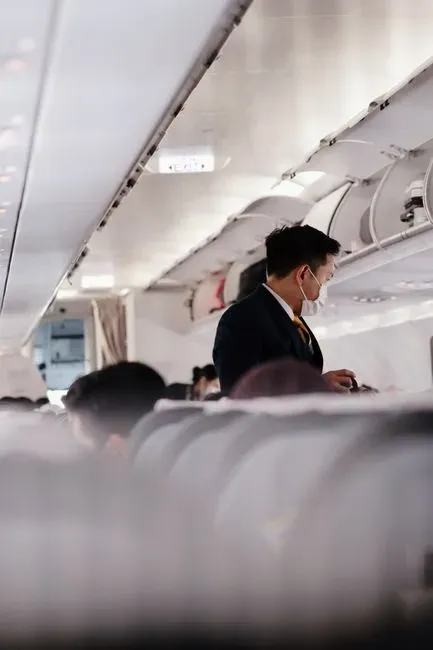
9. Who might need extra assistance during boarding or an emergency (Image Credits: Pexels)
Before most passengers have even reached their row, crew members already have a good sense of who may need extra support. The first thing flight attendants look for is those who need extra assistance during the boarding process or in an emergency evacuation, and they will already know about people with reduced mobility, unaccompanied minors, those with sight or hearing challenges, and wheelchair users, as they are discussed in the pre-flight safety briefing and are listed on the passenger information list. That information shapes seating logistics and boarding order well ahead of time.
It's not limited to passengers with documented needs, either. The flight attendants will also look out for the elderly, injured, and parents with infants, who may need extra help. This kind of quiet planning happens constantly in the background, long before most passengers have settled into their seats.
None of this is meant to unsettle anyone before their next trip. Flight attendants aren't scanning passengers out of suspicion so much as out of habit built from years of managing cabins full of strangers with very different needs. A little patience at the gate, a nod hello, and a bag that's easy to stow go further than most travelers assume, and crews notice all of it well before the aircraft door ever closes.