
For years I treated every purchase like a small research project. New coffee maker? Twelve open tabs. A birthday gift? An hour of comparing near-identical items across four different websites. I assumed that habit was making me a smarter shopper. It turns out the opposite was closer to the truth, and the numbers behind why still surprise me.
The habit I thought was making me smart

The habit I thought was making me smart (Image Credits: Unsplash)
My routine used to look almost ritualistic. Before buying anything over twenty dollars, I would open at least three browser tabs, check a price comparison app, and sometimes wait a few days to see if a discount showed up. I genuinely believed this was disciplined behavior, the kind of thing financially responsible people do.
What I did not notice was how much mental energy this consumed, or how often it led nowhere. Most of the time the price differences were tiny, a dollar or two, yet I treated every purchase as if it deserved a full investigation. Looking back, it feels less like discipline and more like a habit that had quietly taken over.
What all that comparing was actually costing me

What all that comparing was actually costing me (Image Credits: Unsplash)
Time is the obvious cost, but it was not the only one. Every comparison session left me a little more mentally worn down, and that fatigue tended to show up later in the day in ways I did not connect to shopping at all. Researchers describe this pattern clearly: decision fatigue is a state of mental overload that can impair a shopper's ability to make decisions, leading to confusion, less consistent choices, and postponement of purchases.
The irony is that all that careful comparing was supposed to protect my budget. Instead, it often left me too depleted to make good choices later, whether that meant a grocery run or a bigger financial decision. The less money you have in your pocket, the more time and energy you tend to put into every purchase decision, and each trade-off requires more mental effort, which builds fatigue over the course of a shopping trip.
The science behind why more choices backfire
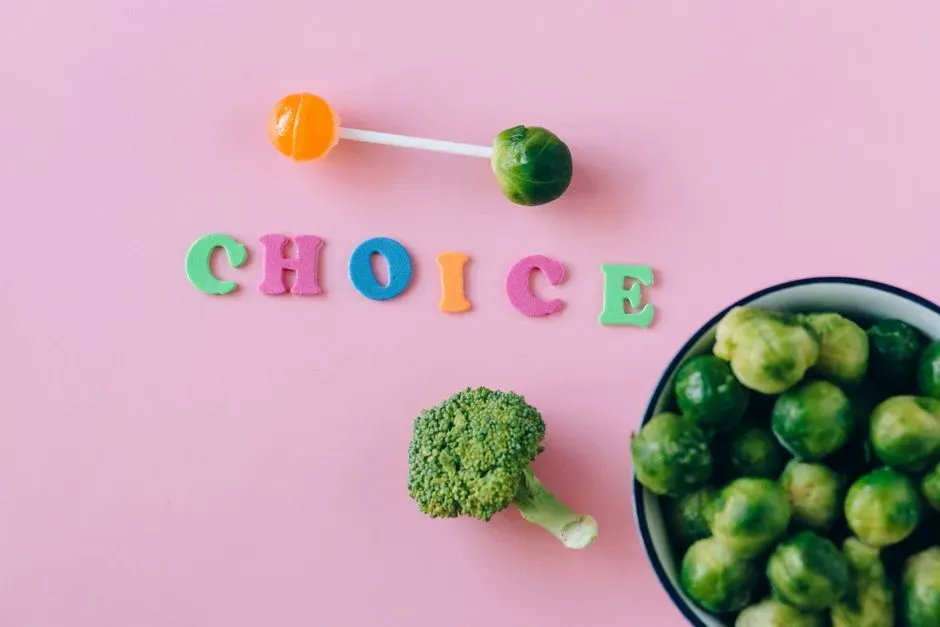
The science behind why more choices backfire (Image Credits: Pexels)
There is real research behind this, and it goes back further than I expected. A well-known study on choice paralysis found that when grocery shoppers were presented with 24 jam options, they were less likely to purchase than when presented with only six options. More choice, in other words, does not automatically lead to better decisions or more satisfaction.
The modern retail environment makes this worse than it was a generation ago. The average American supermarket in 1976 carried around 9,000 different products, a number that has since grown to an estimated 40,000. Multiply that across every category, every app, and every price comparison tool, and it is easy to see how exhausting shopping has quietly become.
Impulse buying: the price of being worn out

Impulse buying: the price of being worn out (Image Credits: Unsplash)
Here is the part that reframed everything for me. Fatigue does not just make comparison shopping less effective, it also makes people more vulnerable to the exact impulse spending they are trying to avoid. Decision fatigue can influence irrational impulse purchases, since trade-off decisions about prices and promotions produce fatigue, leaving less willpower to resist impulse buys by the time a shopper reaches the register.
The scale of this is bigger than most people assume. The average consumer spent an estimated 254 dollars per month on impulse buys in 2025, making close to ten unplanned purchases a month at roughly 26 dollars each. In hindsight, my careful price-checking was probably feeding that pattern rather than preventing it.
Cart abandonment and the exhaustion nobody talks about
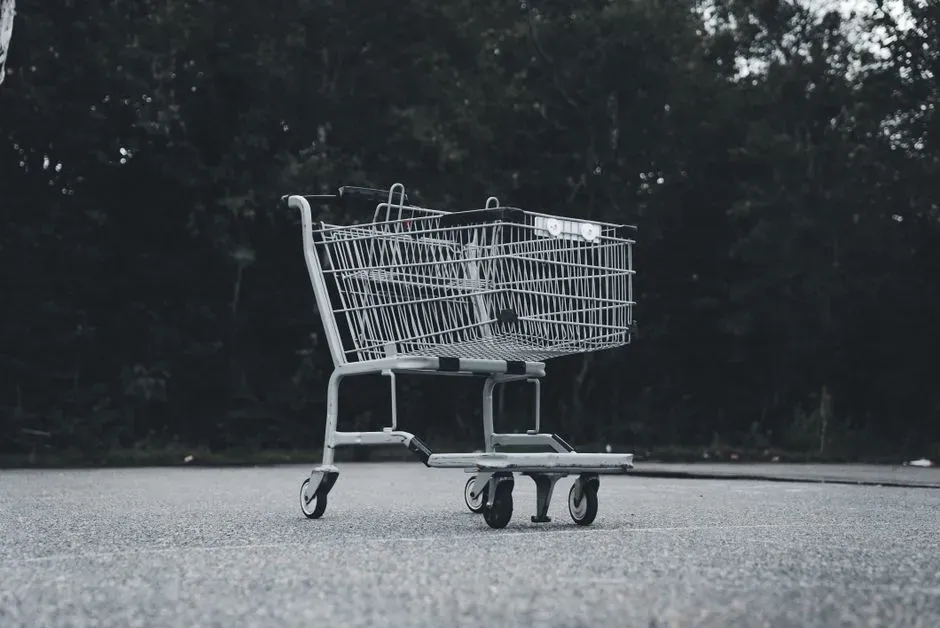
Cart abandonment and the exhaustion nobody talks about (Image Credits: Pexels)
Online shopping has its own version of this problem, and it is bigger than I realized. Overwhelmed by too many choices, shoppers frequently abandon the purchase process rather than commit, with abandonment reaching well over 80 percent in categories like luxury and jewelry, and a meaningful share walking away simply because the decision itself became too exhausting to finish. That statistic matched my own experience more than I wanted to admit.
I used to think an abandoned cart meant I had "won" by resisting a purchase. In reality, it often meant I would come back a week later, tired of comparing, and buy something slightly worse or slightly more expensive out of sheer fatigue. The comparing itself was creating the problem it was supposed to solve.
Setting a simple value threshold instead of hunting for the lowest price
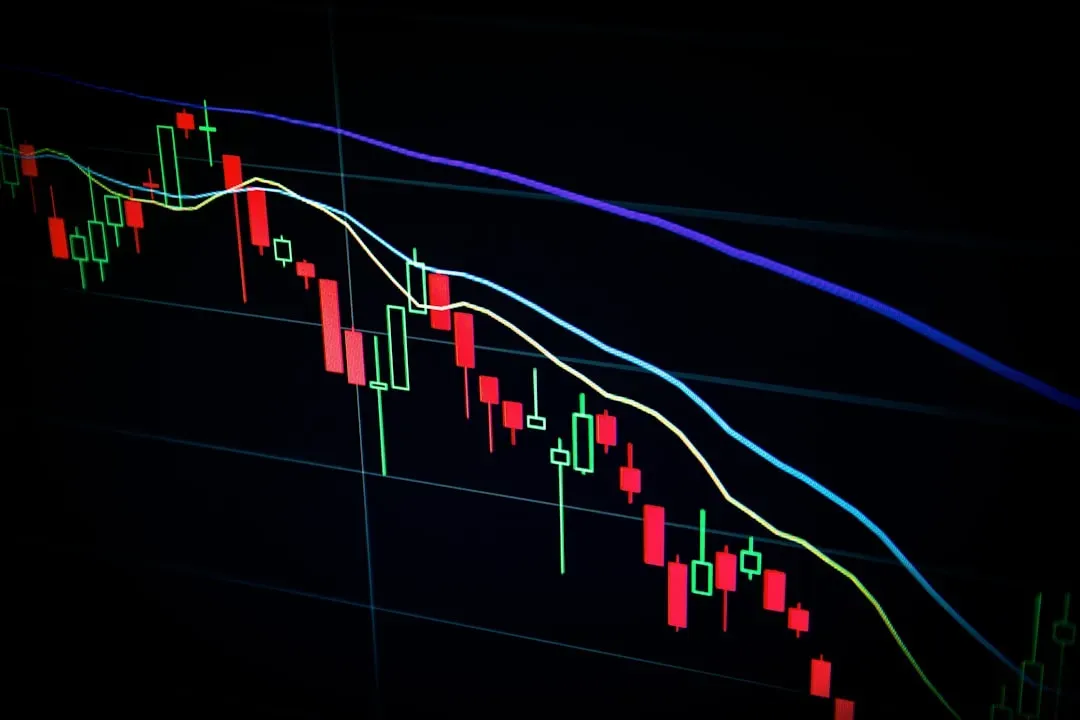
Setting a simple value threshold instead of hunting for the lowest price (Image Credits: Unsplash)
The first real change I made was replacing endless comparison with a basic threshold. If something falls within a reasonable, previously researched price range for its category, I buy it without further searching. This one shift eliminated most of the browser tabs and most of the second-guessing that used to eat up my evenings.
This works because it respects a limit that research has already identified. Studies published in the Journal of Consumer Psychology have found that shoppers experience measurable cognitive fatigue after comparing more than seven to nine product options, with satisfaction in the eventual purchase decreasing as a result. Stopping well before that point, rather than pushing through it, turned out to protect both my time and my judgment.
Why I stopped chasing the absolute lowest number

Why I stopped chasing the absolute lowest number (Image Credits: Unsplash)
Chasing the lowest possible price sounds responsible, but it rarely accounted for shipping delays, quality differences, or the hours I spent getting there. A price that is five percent lower is not much of a win if it costs me an evening of searching and a slightly worse product. Once I started weighing time as an actual cost, the math on "cheapest" changed completely.
Familiar brands and stores became my default rather than something to second-guess. People experiencing decision fatigue tend to choose a brand they already know instead of trying new ones, because it feels safe and simple and requires less energy to think through. Leaning into that tendency deliberately, instead of fighting it, turned out to be far less draining.
Letting go of the 24 hour rule for small purchases

Letting go of the 24 hour rule for small purchases (Image Credits: Unsplash)
For years I applied a strict waiting period to almost everything, checking back on prices repeatedly before deciding. This is a reasonable strategy for larger purchases, where taking time to reconsider genuinely helps avoid regret. Financial writers commonly suggest waiting a day before buying something in your cart, and holding off even longer for bigger expenses, precisely because that pause interrupts emotional spending.
Applying that same intensity to a fourteen dollar kitchen tool, though, was overkill. I now reserve that kind of deliberate pause for purchases above a set dollar amount, and let smaller decisions happen quickly. The result is less mental clutter and, oddly, fewer impulse buys overall, since I am not depleting my willpower on decisions that never mattered much in the first place.
How subscriptions and flat pricing became allies

How subscriptions and flat pricing became allies (Image Credits: Pexels)
One unexpected shift was leaning into flat rate options instead of treating every renewal as a fresh comparison exercise. Streaming services, recurring household supplies, and a couple of subscriptions I use regularly all got the same treatment: pick a reasonable option once, then stop revisiting it every few months. This mirrors a pattern researchers have already noticed in other industries.
Companies that reduce the number of choices customers face tend to see better outcomes on both sides. Many brands have paired down their offerings and replaced an endless menu of options with recommendations that are personalized and easy to act on, which is exactly why streaming services like Netflix and Spotify invest so heavily in recommendation algorithms to reduce choice fatigue. Applying that same logic to my own recurring purchases removed a surprising amount of low-value decision-making from my week.
The math behind the doubled savings

The math behind the doubled savings (Image Credits: Pexels)
The savings did not come from finding better deals. They came from fewer impulse purchases, fewer late-fatigue splurges, and far less time spent on decisions that never moved the needle much anyway. Given that roughly seven in ten Americans made an unplanned in-store purchase in a recent month even while trying to cut back on spending, with impulse buying accounting for a large share of purchases depending on the retail environment, cutting into that category alone had a bigger effect on my budget than shaving a few dollars off individual prices ever did.
I did not track every dollar with a spreadsheet, but the pattern was clear within a couple of months. Less browsing meant fewer chances to be tempted by something unrelated to my original errand. Less fatigue at checkout meant fewer candy-aisle or checkout-line additions that used to sneak into my cart without much thought.
What this shift actually taught me about money

What this shift actually taught me about money (Image Credits: Pexels)
The lesson was not that price does not matter. It clearly does, and ignoring it entirely would be careless. What changed is my understanding of where the real risk to a budget lives, which turned out to be less about individual price tags and more about the cumulative effect of tired, rushed, or emotionally driven decisions made after too much comparing.
Protecting my attention, it turns out, protected my wallet more effectively than protecting every last dollar on a receipt. That is not a dramatic insight, but it has been a durable one, and it has held up months after I first noticed the change.
Final thoughts

Final thoughts (Image Credits: Unsplash)
None of this means comparison shopping is pointless. For big purchases, a house, a car, a major appliance, taking the time to compare still makes sense. What stopped working for me was applying that same level of scrutiny to every small decision in a day already full of them.
Cutting that habit down to size freed up mental energy I did not know I was spending, and the savings followed from there, not from finding a better price, but from making fewer tired decisions in the first place.