
There’s a particular kind of guilt that comes with watching a houseplant die, even when you swear you watered it last month. The truth is, most plant failures come down to mismatched expectations rather than a lack of care. Some species have simply evolved to handle drought, low light, and long stretches of neglect far better than the delicate ferns and orchids that dominate plant shop displays.
The plants below have earned their reputations the hard way, surviving windowsills, forgotten corners, and irregular watering schedules in homes all over the world. Each one brings something different to the table, whether that’s air purification, dramatic foliage, or an almost comical tolerance for abuse.
1. Snake Plant (Dracaena trifasciata)
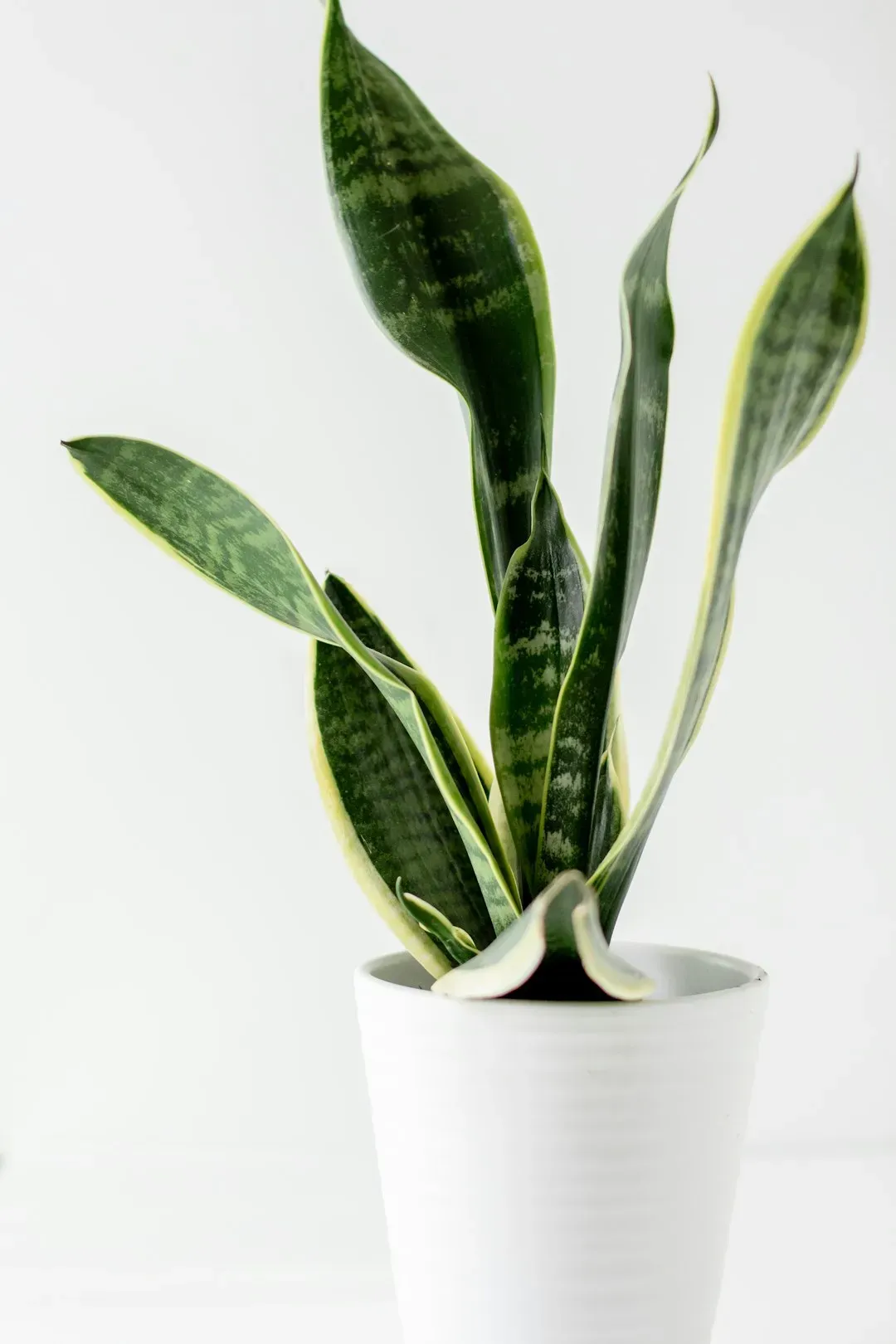
1. Snake Plant (Dracaena trifasciata) (Image Credits: Unsplash)
The snake plant has become something of a legend among houseplant enthusiasts for its ability to shrug off almost any level of neglect. It stores water in its thick, upright leaves, which means it can go for weeks without a drink and still look sharp. Native to West Africa's arid regions, this plant evolved to handle drought conditions, and that resilience translates directly into forgiving behavior indoors.
It tolerates low light nearly as well as bright indirect sun, making it a solid choice for offices or rooms without much natural exposure. Overwatering is really the only way to kill it quickly, since soggy soil invites root rot. Otherwise, this plant can sit in the same pot for years with minimal attention and keep producing new shoots.
2. ZZ Plant (Zamioculcas zamiifolia)
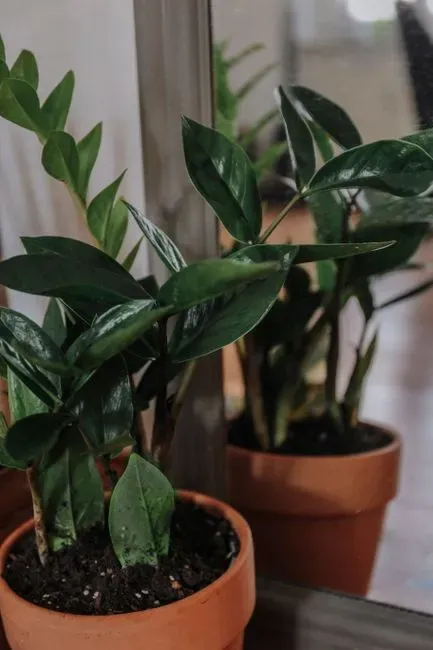
2. ZZ Plant (Zamioculcas zamiifolia) (Image Credits: Pexels)
The ZZ plant looks almost too polished to be low maintenance, with its glossy, dark green leaves that seem to reflect light. Underneath the soil, it stores water and nutrients in thick rhizomes, which is why it can survive being ignored for a month or more without showing stress. Originally from Eastern Africa, particularly Kenya and Tanzania, this plant developed those storage structures as a direct response to seasonal dry spells in its native habitat.
It handles low light better than most flowering or variegated plants, since its dark leaves are efficient at capturing whatever sunlight is available. There is no need for regular fertilizing or misting, and it actually prefers being left alone over being fussed over. Its biggest weakness is cold temperatures, so keeping it away from drafty windows in winter is the main thing to remember.
3. Pothos (Epipremnum aureum)
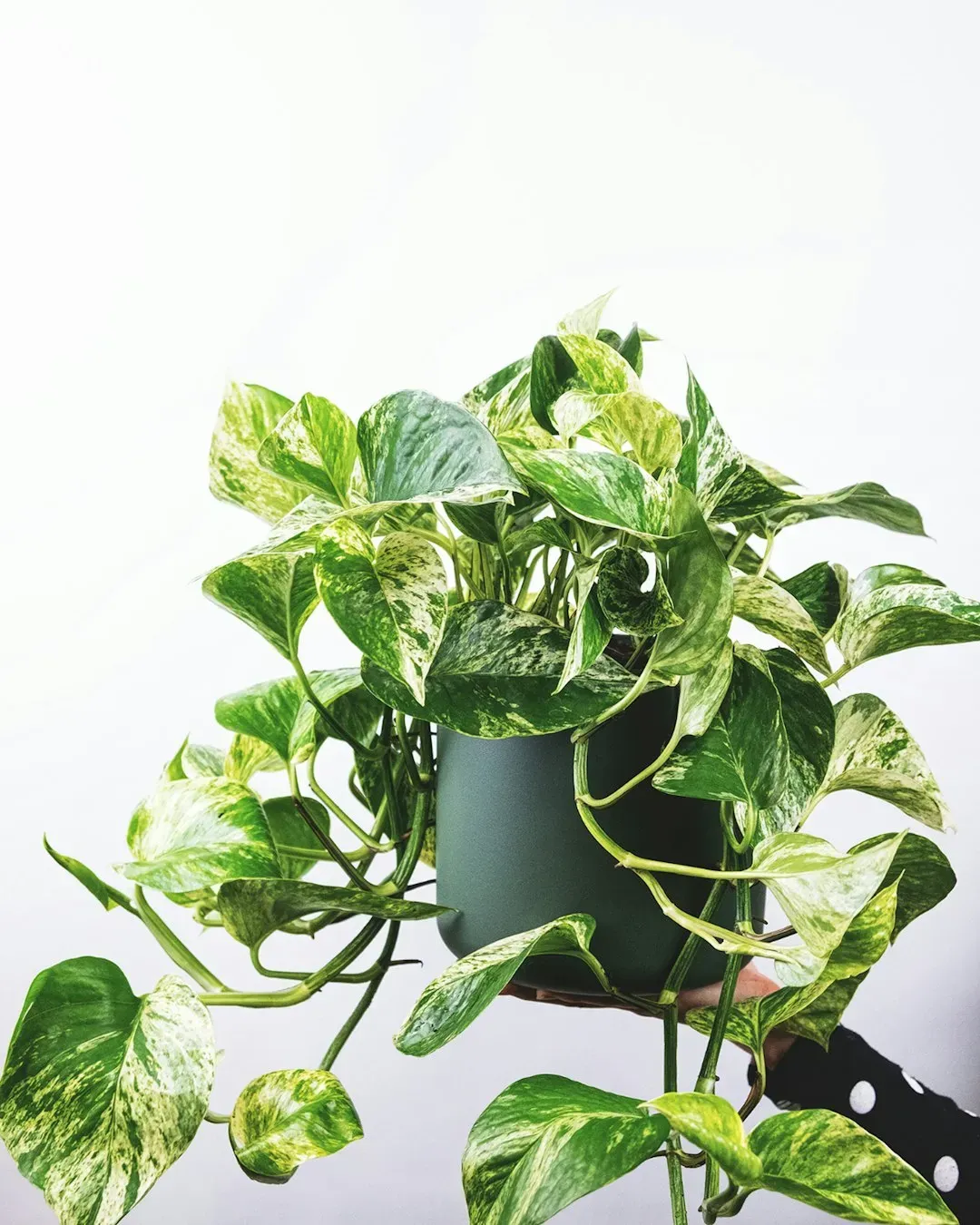
3. Pothos (Epipremnum aureum) (Image Credits: Unsplash)
Pothos might be the single most recommended plant for beginners, and for good reason, since it tolerates a wide range of light conditions from low indirect light to brighter spots near a window. Its trailing vines can grow several feet long, and it roots easily in water, which makes propagation almost foolproof even for someone with no gardening background. The plant is native to French Polynesia but has become naturalized in tropical regions worldwide because of how aggressively it grows once established.
Watering only when the soil feels dry to the touch is usually enough, and pothos will often bounce back even after wilting from a missed watering or two. It is also frequently cited in air quality research, including older NASA Clean Air Study findings, for its ability to filter certain indoor pollutants. Yellow leaves are typically the plant's way of signaling overwatering rather than a sign of impending death.
4. Spider Plant (Chlorophytum comosum)
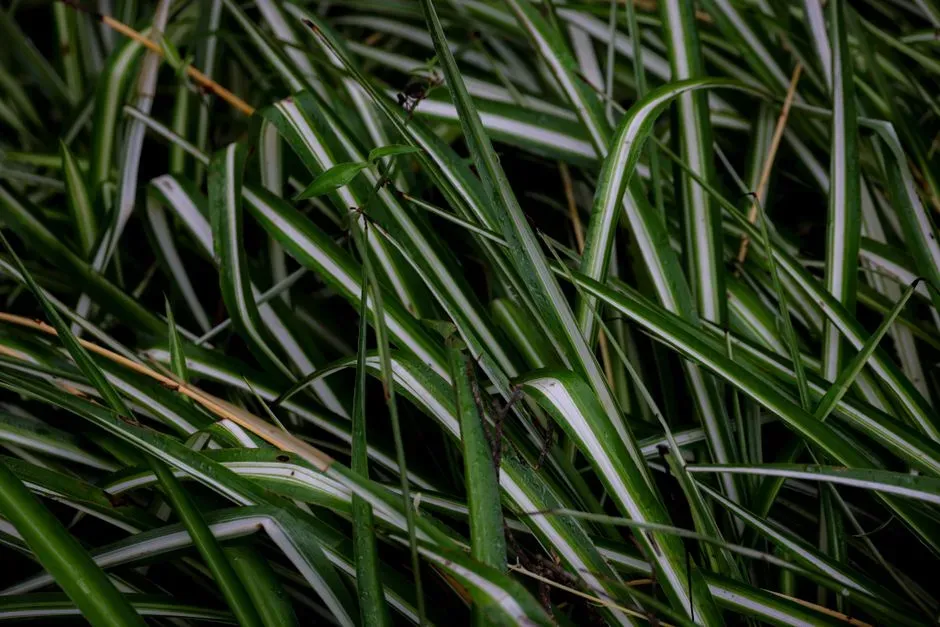
4. Spider Plant (Chlorophytum comosum) (Image Credits: Pexels)
The spider plant has been a household staple for decades, largely because it adapts to nearly any indoor environment without much fuss. It produces long, arching leaves along with small plantlets that dangle from the mother plant on thin stems, eventually rooting on their own if given the chance. Originally from coastal regions of South Africa, this plant is used to fluctuating rainfall, which explains why it tolerates both occasional drought and inconsistent watering schedules.
It grows well in bright indirect light but can also manage in dimmer corners, though variegation on the leaves tends to fade without enough brightness. Brown leaf tips are a common cosmetic issue, often linked to tap water minerals or dry air, but they rarely threaten the plant's overall survival. Spider plants are also considered non-toxic to cats and dogs, which makes them a practical option for households with curious pets.
5. Cast Iron Plant (Aspidistra elatior)
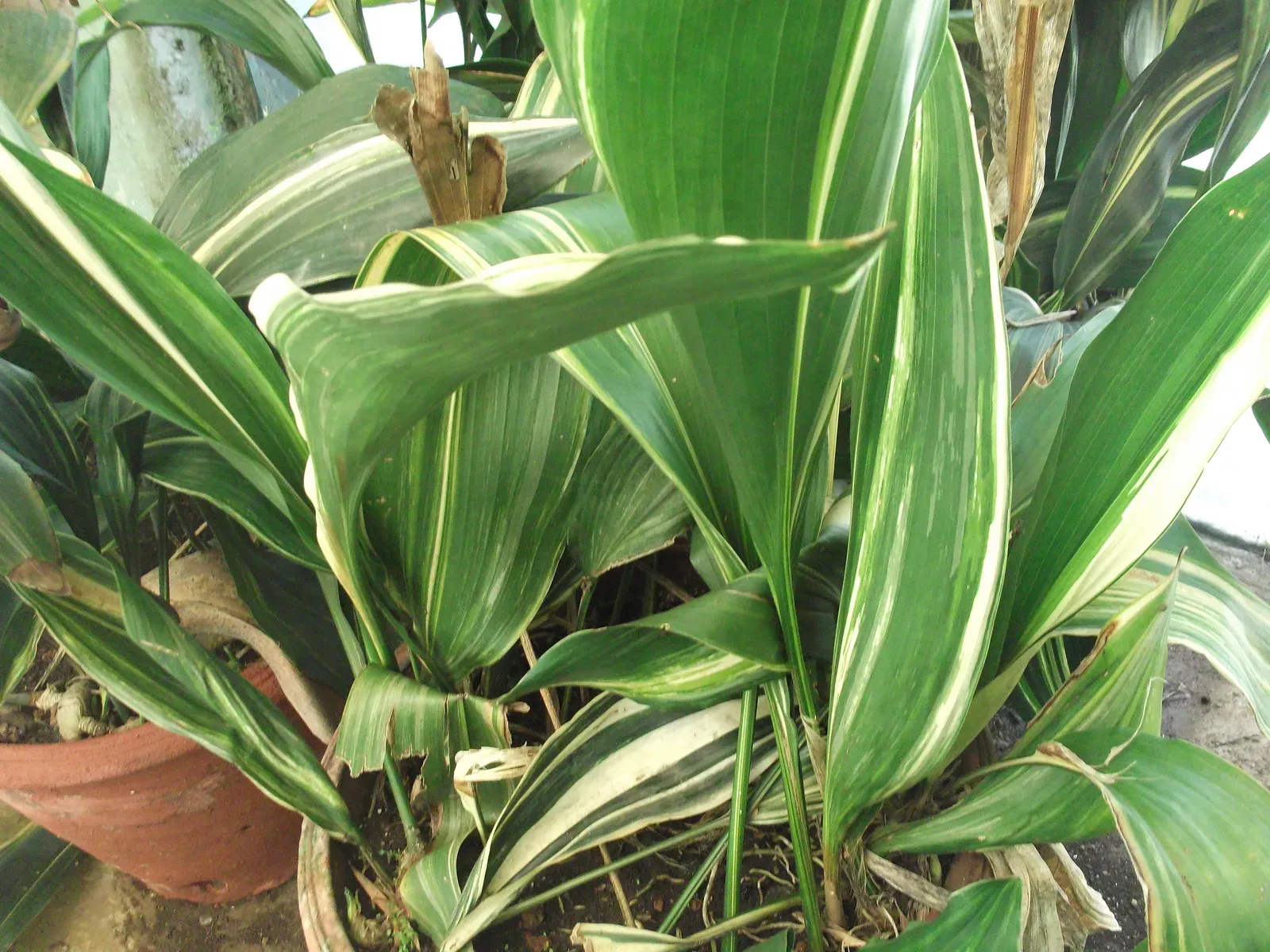
5. Cast Iron Plant (Aspidistra elatior) (By Yercaud-elango, <a href="https://commons.wikimedia.org/w/index.php?curid=38913283" target="_blank" rel="noopener">CC BY-SA 4.0</a>)
True to its name, the cast iron plant has a reputation built on decades of surviving conditions that would kill most other houseplants. It was especially popular during the Victorian era in England, when homes were dim, drafty, and heated inconsistently with coal, and this plant was one of the few that could handle those harsh interiors. Its broad, dark green leaves grow slowly but steadily, and the plant can tolerate deep shade better than almost any other common houseplant.
It has very low water requirements once established and can survive extended dry periods without dropping leaves. Growth is slow, sometimes frustratingly so for impatient plant owners, but that same slow metabolism is part of what makes it so resilient. Pests and diseases rarely bother the cast iron plant, adding another layer of low maintenance to its already impressive resume.
6. Aloe Vera
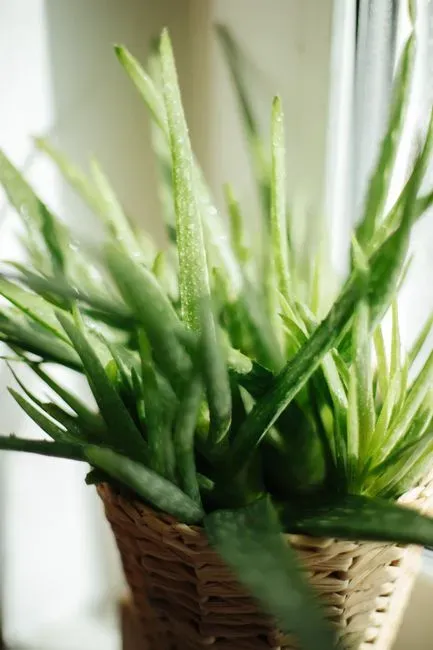
6. Aloe Vera (Image Credits: Pexels)
Aloe vera combines resilience with practical usefulness, since its gel has been used for skin care and minor burns for generations. As a succulent, it stores water in its thick, fleshy leaves, allowing it to survive weeks without watering, particularly in bright, sunny spots. It thrives on neglect in many ways, since overwatering is a far more common cause of death for aloe than underwatering ever is.
Direct sunlight or bright indirect light works best, and the plant will actually signal distress through thin, curling leaves if it isn't getting enough of either. It prefers sandy, well-draining soil that mimics its natural arid habitat, and a cactus potting mix works well for home growers. Aloe also produces offshoots, commonly called pups, which can be separated and repotted, giving forgetful plant owners an easy way to expand their collection without extra effort.
Choosing plants that match your actual habits, rather than the ones that look best on a shelf, is often the real secret to keeping greenery alive long term. Each of these six options has built-in tolerance for the kind of inconsistency that trips up most beginner gardeners, whether that means forgotten watering days, low light rooms, or long stretches away from home. None of them require special equipment or a green thumb, just a basic understanding of what they can and cannot handle.