
Every family has one. The relative who somehow gets along fine with the eight-year-old cousin and the eighty-year-old great-aunt at the same holiday table. It's not about being the youngest or the most tech-savvy person in the room. It's a specific mix of habits, mostly small ones, that add up to something bigger than any single trait could explain.
You actually listen instead of waiting to talk

You actually listen instead of waiting to talk (Image Credits: Unsplash)
The cool relative doesn’t treat conversations like a queue where they’re just waiting for their turn to speak. When a teenager starts rambling about a video game or a toddler explains an elaborate imaginary scenario, they lean in rather than nod along while thinking about something else. That kind of attention is rare, and people of every age notice when it’s genuine.
This habit works across generations because listening doesn’t require shared references or cultural fluency. A grandparent can listen to a grandchild’s confusing story about an online game with the same quality of attention they’d give a sibling discussing retirement plans. The content changes, but the respect behind the act stays constant, and that consistency is what people remember.
You ask questions without judgment attached
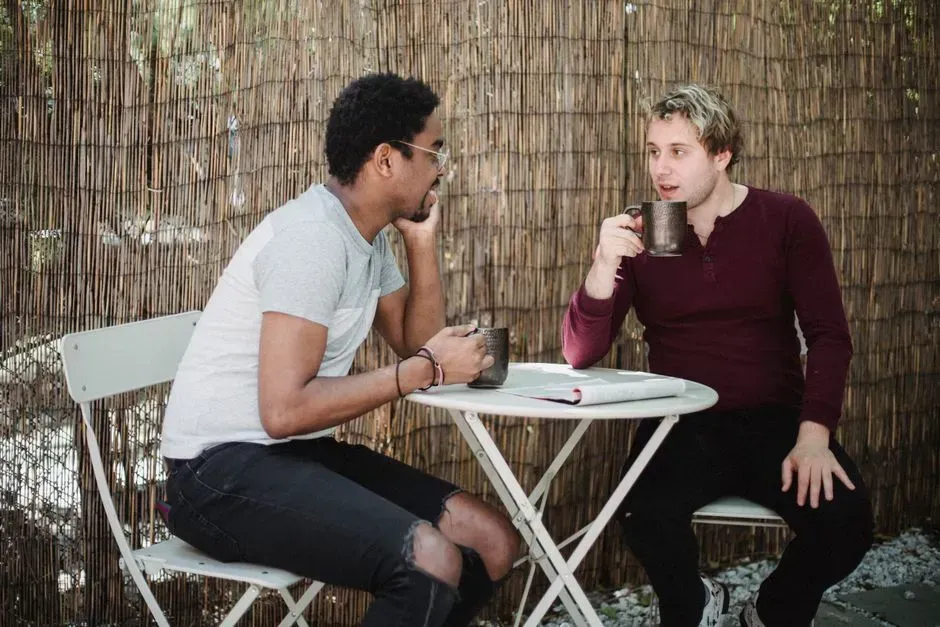
You ask questions without judgment attached (Image Credits: Pexels)
There’s a difference between curiosity and interrogation, and the cool relative knows exactly where that line sits. They ask a college student about their major or a young cousin about their favorite show without slipping in a comment about how things “used to be” or what they “should” be doing instead. The question stays a question, not a setup for a lecture.
This matters especially with younger relatives, who tend to shut down fast when they sense an agenda behind a question. Older relatives who’ve mastered open curiosity tend to get more honest answers and deeper conversations in return. It’s a small shift in tone that changes how safe people feel being themselves around you.
You show up for the small stuff, not just the big events

You show up for the small stuff, not just the big events (Image Credits: Pixabay)
Anyone can make it to a graduation or a wedding. The relative who gets remembered fondly across generations is often the one who shows up for a random Tuesday soccer game or asks how a minor work presentation went. These smaller gestures signal ongoing interest rather than obligation-driven attendance.
Consistency builds trust in a way that grand gestures rarely do. A text after a first day at a new job or a quick call to check on a sick pet carries weight precisely because nobody expected it. Over time, these small moments accumulate into a reputation for genuinely caring, which is the foundation most “cool relative” status is built on.
You adapt your communication style without losing yourself

You adapt your communication style without losing yourself (Image Credits: Pexels)
Texting in short bursts with a teenager and writing a longer, more detailed email to a great-uncle aren’t contradictory behaviors. The cool relative naturally shifts tone, pacing, and format depending on who they’re talking to, without it feeling forced or performative. It’s less about changing who you are and more about meeting people where they already are.
This flexibility often extends to platforms too. Some relatives keep up with a group chat on one app while still answering a phone call the old-fashioned way for someone who prefers it. Being multilingual in communication styles, so to speak, removes a lot of the friction that normally builds up between generations.
You share your own struggles, not just your successes

You share your own struggles, not just your successes (Image Credits: Pexels)
Nobody wants to hear only about wins from a relative, especially younger ones already anxious about measuring up. The cool relative tends to be candid about mistakes, awkward phases, and things that didn’t go as planned. That honesty makes them approachable rather than intimidating.
Older generations sometimes worry that admitting struggle looks like weakness, but the opposite tends to be true within families. A story about a failed job interview or a rough first year of marriage can do more to build connection than a highlight reel ever could. Vulnerability, used with some discretion, tends to read as trustworthiness rather than oversharing.
You don't gatekeep your knowledge or skills

You don't gatekeep your knowledge or skills (Image Credits: Gallery Image)
Whether it’s a recipe, a financial tip, or how to fix a leaky faucet, the cool relative shares what they know without making anyone feel behind for not already knowing it. They explain patiently, sometimes more than once, and treat questions as normal rather than annoying. This willingness to teach without condescension shows up across every generational pairing in a family.
Younger relatives often return the favor by teaching back, whether that’s showing an aunt how a new app works or helping a grandfather set up video calls. This kind of mutual teaching tends to flatten hierarchy in useful ways. Nobody feels like the “smart one” or the “clueless one” for long, because everybody ends up teaching something eventually.
You remember details that matter to other people

You remember details that matter to other people (Image Credits: Pexels)
Remembering a cousin’s new job title, a niece’s allergy, or a grandparent’s favorite old song sounds minor until you consider how rarely it actually happens. The cool relative tends to hold onto these small facts and bring them up later, which signals attentiveness in a way that’s hard to fake. It’s the difference between asking “how’s work?” and asking about a specific project by name.
This kind of detail retention often comes from genuine interest rather than deliberate effort. Still, even when it takes some intentional work, the payoff is real. People feel seen when someone remembers something they mentioned once in passing months earlier, and that feeling builds loyalty across every age bracket in a family.
You stay neutral during family tension instead of picking sides
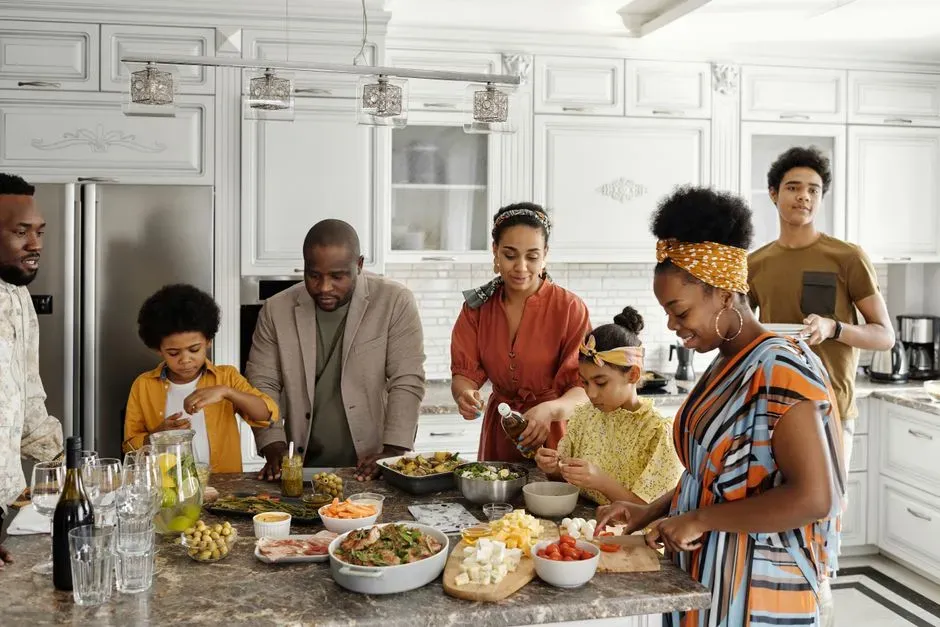
You stay neutral during family tension instead of picking sides (Image Credits: Pexels)
Every extended family has disagreements, whether about politics, old grudges, or something as mundane as who’s hosting Thanksgiving this year. The relative who manages to stay out of the fray, without disappearing entirely from difficult conversations, earns a specific kind of respect. They’re seen as safe to talk to precisely because they’re not going to repeat things or take sides unfairly.
This doesn’t mean avoiding hard topics altogether or refusing to have opinions. It means listening to multiple perspectives within the family without weaponizing that information later. Younger relatives especially tend to gravitate toward the person who won’t make them feel caught in the middle of an adult conflict they didn’t create.
You celebrate other people's interests even when you don't share them
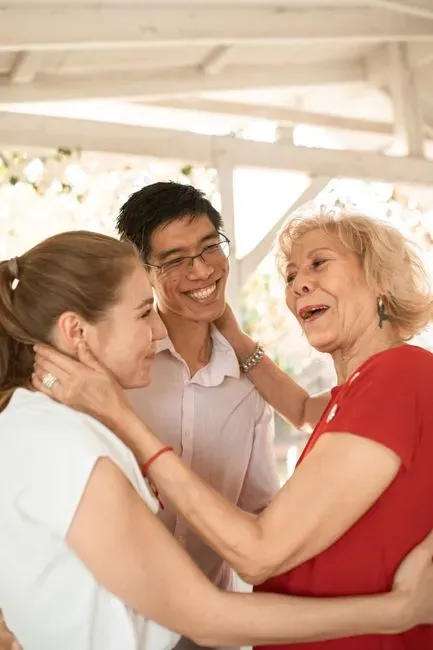
You celebrate other people's interests even when you don't share them (Image Credits: Pexels)
You don’t need to understand a nephew’s obsession with a specific hobby or a grandmother’s decades-long devotion to a particular soap opera to show genuine enthusiasm about it. The cool relative asks follow-up questions, remembers plot points or player names, and treats these interests as legitimate rather than trivial. That validation matters more than most people realize, especially for kids and teens still figuring out their identities.
This kind of support tends to go both directions across a family tree. A grandchild might show real interest in a grandparent’s old hobby, just as an older relative might genuinely engage with a younger one’s newer passions. When interests get treated with respect instead of polite tolerance, people open up more and trust deepens naturally.
You keep evolving instead of staying frozen in one era
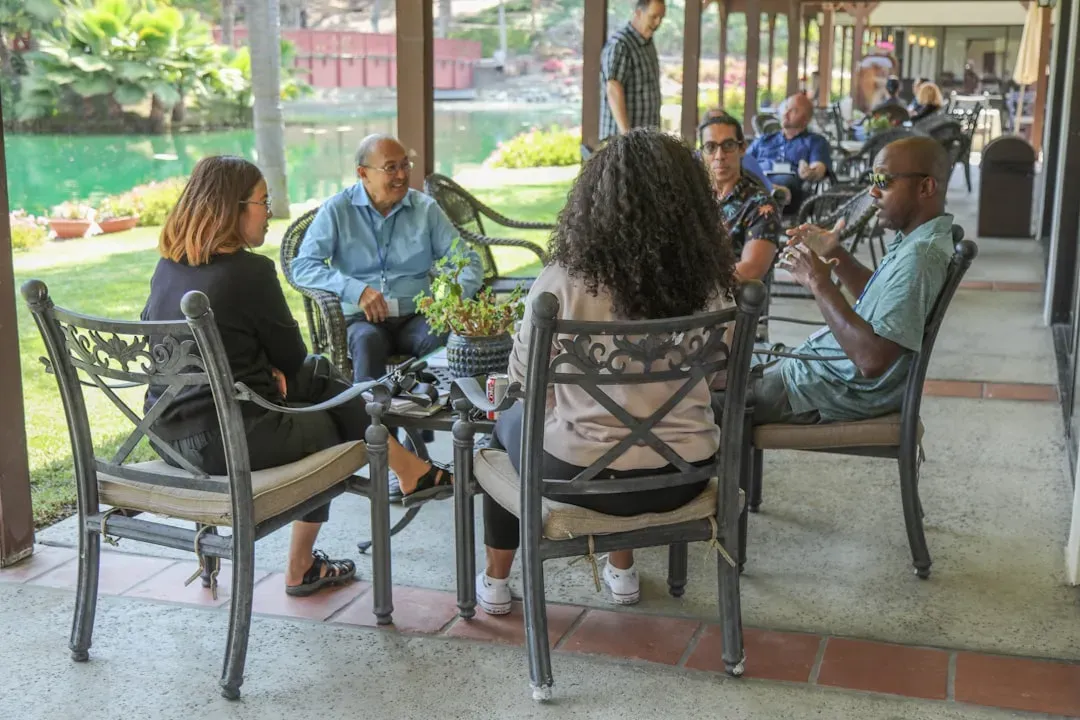
You keep evolving instead of staying frozen in one era (Image Credits: Unsplash)
Some relatives get stuck describing themselves the same way for decades, still referencing jobs they left years ago or hobbies they’ve long since abandoned. The cool relative tends to keep growing, picking up new interests, opinions, and even new slang without feeling embarrassed about it. This openness to change signals to younger generations that aging doesn’t mean becoming irrelevant or fixed in place.
This doesn’t require chasing every trend or pretending to be younger than you are. It’s more about staying curious about the present rather than only living in nostalgia for the past. Relatives who model this kind of ongoing growth tend to stay relevant and easy to talk to at every family gathering, regardless of the decade.
None of these behaviors require special effort or a personality transplant. They’re mostly about attention, consistency, and a willingness to meet people as they are rather than as you expect them to be. That combination tends to work across any generational gap, in any family, at any table.