
There's a particular kind of calm you notice at some birthday parties that has nothing to do with luck. The parents hosting have simply been through enough cake-smashed carpets and overtired meltdowns to know which habits cause chaos and which ones quietly prevent it. Watch closely at the next party you attend, and you'll start spotting the small choices that separate a smooth afternoon from a stressful one.
1. They never overpack the schedule
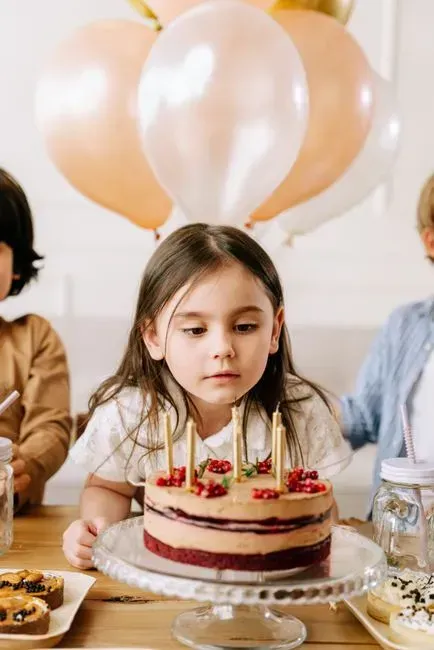
1. They never overpack the schedule (Image Credits: Pexels)
Parents who’ve hosted a few parties learn fast that a tightly packed itinerary backfires. Cramming in games, crafts, a piñata, and a scavenger hunt into two hours sounds fun on paper, but young kids need buffer time to transition between activities without melting down. Child development specialists have long noted that unstructured play helps kids self-regulate, and birthday parties are no exception.
Instead, experienced hosts build in loose blocks of free play between structured activities. They know that a slightly boring lull is far better than a rushed, overstimulated group of six-year-olds. This is also why so many veteran parents keep the party to ninety minutes or two hours max, rather than stretching it into an all-day event.
2. They never skip the RSVP follow-up

2. They never skip the RSVP follow-up (Image Credits: Pexels)
New parents often send an invitation and assume the job is done. Seasoned ones know that a solid chunk of guests simply forget to respond, so a friendly reminder text a few days before the party is standard practice. This isn’t nagging, it’s basic planning, since caterers, party venues, and even goodie bag counts depend on an accurate headcount.
Experienced hosts also build a small buffer into their supplies, ordering food and favors for a few more kids than confirmed. Pediatric event planners commonly recommend padding numbers by around ten percent because last-minute plus-ones and surprise siblings tend to show up regardless of what the invitation said. It’s a small habit that prevents the awkward scramble of running out of pizza or cupcakes mid-party.
3. They never forget to plan for siblings
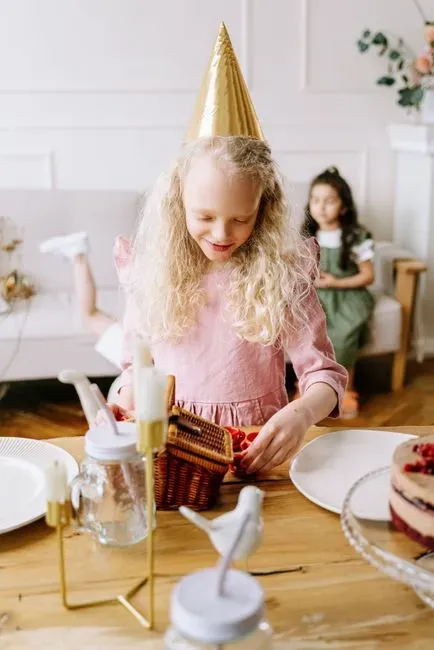
3. They never forget to plan for siblings (Image Credits: Pexels)
Anyone who has hosted more than one kid’s party knows that guests rarely arrive solo. Younger or older siblings tag along constantly, and if there’s nothing for them to do, they either wreck the birthday child’s spotlight or spend the whole time whining to go home. Experienced parents anticipate this by having a few extra activities, snacks, or even a designated coloring corner ready.
This foresight also extends to goodie bags and cake servings, since running short in front of a room full of parents is an easy way to feel embarrassed. Seasoned hosts would rather have a couple of spare items left over than come up short. It’s a small logistical fix that saves a surprising amount of social awkwardness.
4. They never rely on outdoor plans without a backup
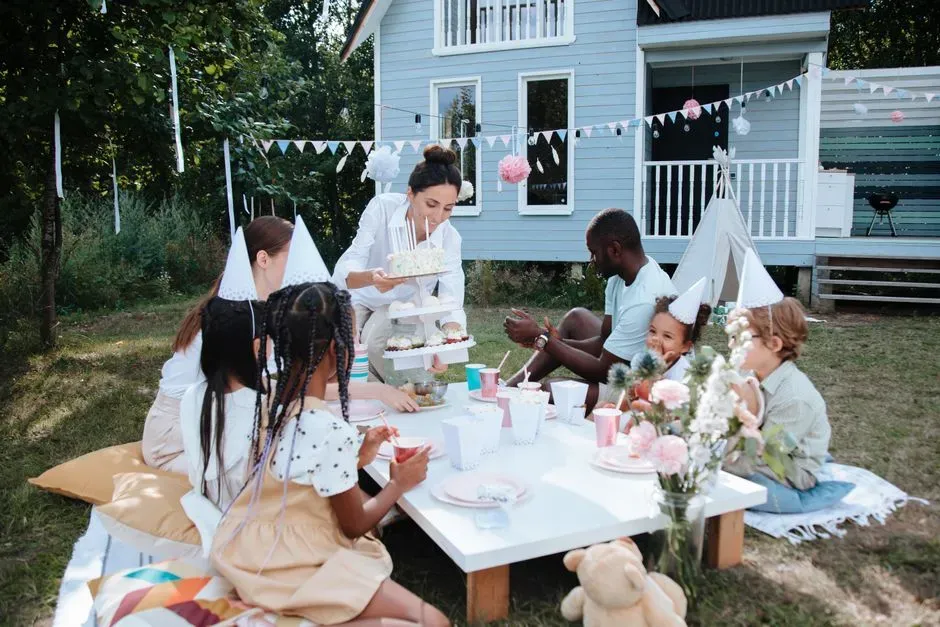
4. They never rely on outdoor plans without a backup (Image Credits: Pexels)
A backyard party sounds idyllic until a surprise rain shower or an unexpected heat spike rolls in. Parents who’ve been caught off guard once rarely make that mistake twice, and they routinely check forecasts a few days out while also preparing an indoor contingency. This might mean renting a tent, clearing garage space, or simply knowing which rooms in the house can absorb twelve sugar-fueled kids if needed.
Weather unpredictability has only become more pronounced in recent years, with meteorologists noting more frequent sudden shifts in local conditions during spring and summer months. Experienced hosts treat a weather backup plan as non-negotiable rather than optional. It’s one of those details that costs nothing to prepare but saves the entire event if the sky doesn’t cooperate.
5. They never ignore food allergies and dietary needs

5. They never ignore food allergies and dietary needs (Image Credits: Gallery Image)
Food allergies among children have become significantly more common, and current data from allergy research organizations suggests that roughly one in thirteen kids in the United States now lives with at least one food allergy. Parents who’ve hosted enough parties know to ask about allergies and dietary restrictions directly on the invitation or RSVP, rather than finding out when a child is already reacting to peanut-based dessert. This single question prevents one of the most serious risks at any kids’ event.
Beyond asking, experienced hosts also label food clearly and try to keep common allergens like peanuts, tree nuts, and sometimes dairy separated or clearly marked. It doesn’t need to be complicated, just a simple index card next to each dish noting ingredients goes a long way. Parents attending the party notice this kind of care immediately, and it builds real trust for future invitations.
6. They never let the guest list balloon out of control

6. They never let the guest list balloon out of control (Image Credits: Unsplash)
Inviting the entire classroom feels generous, but experienced parents have learned that bigger isn’t always better. A party with thirty kids requires exponentially more supervision, food, and patience than one with ten, and the birthday child often gets lost in the noise rather than feeling celebrated. Many veteran hosts default to a simple rule of thumb, inviting roughly the same number of guests as the child’s age, which keeps things manageable without excluding close friends.
This approach also makes venues and budgets far easier to control. A smaller, well-run gathering tends to leave kids happier than a massive one where nobody gets enough attention from the host or from each other. It’s less about limiting fun and more about protecting the quality of the experience.
7. They never forget to feed the parents too
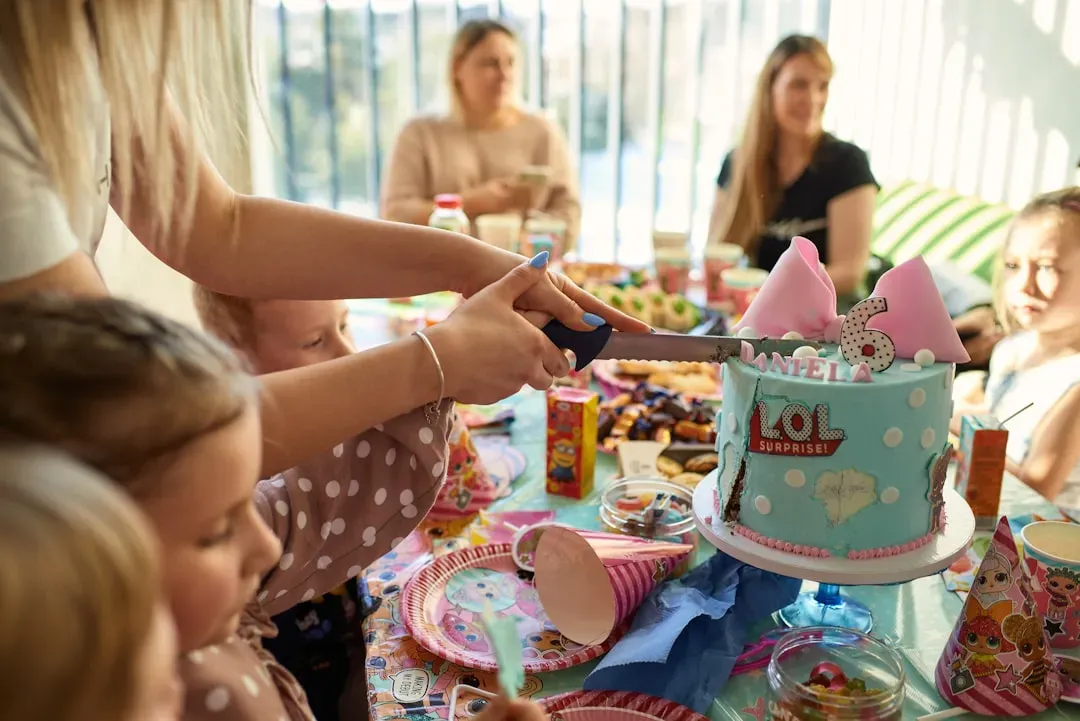
7. They never forget to feed the parents too (Image Credits: Unsplash)
Drop-off parties are common for older kids, but plenty of birthday celebrations still involve parents sticking around, especially for younger children. Experienced hosts know better than to leave those adults standing awkwardly with nothing to eat or drink while the kids devour pizza and cake. A simple coffee station, some light snacks, or even just cold water bottles go a long way toward making grown-up guests feel considered.
This isn’t about elaborate catering, it’s about basic hospitality that keeps the adults comfortable enough to stay relaxed rather than checking their phones by the door. Parents who feel looked after are also more likely to help wrangle kids or step in during games, which makes the whole event run smoother. It’s a small gesture that pays for itself in goodwill.
8. They never skip the safety check on the venue or setup

8. They never skip the safety check on the venue or setup (Image Credits: Pixabay)
Whether the party happens at home, a park, or a rented venue, experienced parents walk the space beforehand looking for hazards. This means checking for unlocked pools, loose railings, sharp furniture corners, or choking hazards left within reach of toddlers attending as siblings. The Consumer Product Safety Commission has repeatedly flagged party settings as a common site for preventable injuries involving young children, particularly around inflatables, trampolines, and unsupervised water access.
Seasoned hosts also make sure there’s always at least one adult specifically assigned to supervise high-risk zones like a pool or bounce house, rather than assuming someone else is watching. This kind of quiet vigilance rarely gets noticed when nothing goes wrong, which is exactly the point. It’s the difference between a party remembered for cake and balloons instead of an emergency room visit.
Every one of these habits comes from repetition, not instinct. Parents who’ve thrown enough birthday parties learn that the best celebrations aren’t the flashiest ones, they’re the ones where nothing goes wrong and nobody has to think twice about why.