
Pickup lines outside schools and daycares have quietly become one of the most revealing social arenas in modern parenting. It's not just about grabbing your kid and heading home anymore. Other parents are watching, judging, and quietly deciding whether you're someone they want their child spending Saturday afternoons with.
Playdates might seem like small potatoes, but they're actually a major currency in the world of parent friendships and childhood social development. A few careless habits at pickup can quietly close doors you didn't even know were open. Here's what parents say actually gets you crossed off the invite list.
1. Showing up late, every single time

1. Showing up late, every single time (Image Credits: Pixabay)
Chronic lateness at pickup sends a message, whether you mean it to or not. Other parents start associating you with disorganization, and that impression tends to bleed into how they view your reliability for playdates, carpools, or anything involving trust. Teachers and daycare staff often mention repeatedly, and parents standing around waiting notice patterns fast.
It’s not about being five minutes late once because of traffic. It’s the parent who is consistently the last car in the pickup line, forcing staff to hold a child back or call repeatedly. Other families quietly start planning around you rather than with you, and that includes deciding who gets the playdate invite for the weekend.
2. Being glued to your phone during the handoff

2. Being glued to your phone during the handoff (Image Credits: Unsplash)
Pickup is a brief but socially important window. Parents who spend that time scrolling instead of making eye contact or exchanging a few words come across as unapproachable, even if that’s not the intention. Small talk at pickup is often how playdate invitations start in the first place, and skipping it removes that opportunity entirely.
Kids notice this too, and they sometimes mimic it in social settings later on. A parent buried in their phone while their child tries to show them a drawing or a sticker sends a subtle signal to everyone watching. Other families tend to gravitate toward parents who seem present, even briefly, over those who seem checked out.
3. Gossiping about other kids or parents in earshot

3. Gossiping about other kids or parents in earshot (Image Credits: Pexels)
The pickup line is a small, tight social space, and sound travels. Parents who talk negatively about another child’s behavior, another parent’s choices, or classroom drama within earshot of others quickly get a reputation. Once that happens, people become cautious about what they share around you, and playdates require a baseline of trust that gossip erodes fast.
This is especially true in preschool and early elementary settings, where parent social circles are still forming and reputations stick. A parent known for talking about other families is often quietly avoided, not confronted. Invitations dry up without anyone ever saying why.
4. Letting your child run wild without stepping in
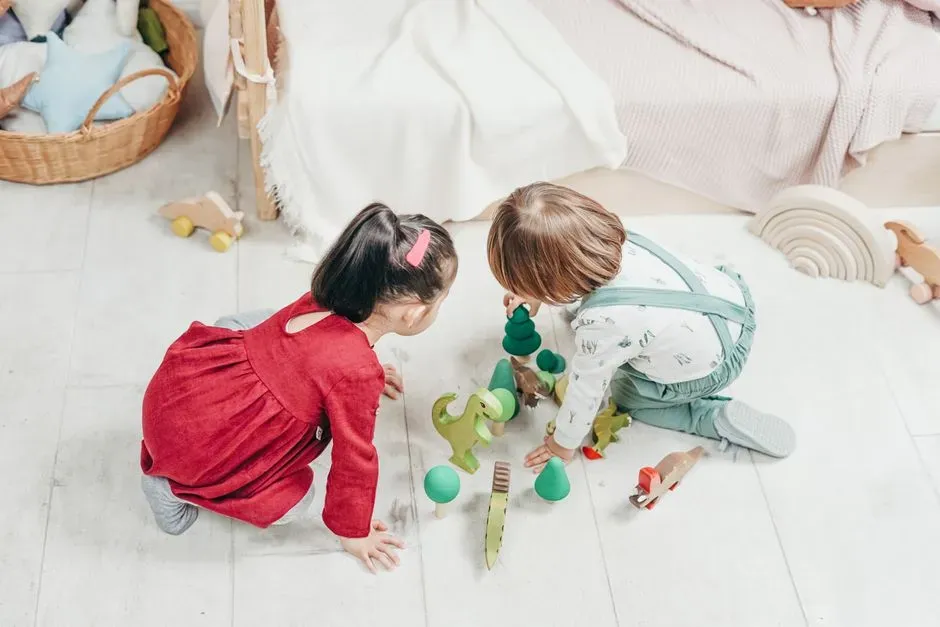
4. Letting your child run wild without stepping in (Image Credits: Pexels)
Pickup areas are chaotic by nature, with kids excited to be free and parents juggling bags, siblings, and conversations. Still, parents who consistently ignore aggressive behavior, like pushing, grabbing toys, or ignoring other kids’ space, get noticed by everyone standing nearby. Other parents are quietly assessing how a child might behave unsupervised at their house during a playdate.
It’s not about demanding perfect behavior every single day, since every kid has rough moments. The issue is a pattern where a parent seems disengaged or unwilling to address it at all. Families who feel their child might get overwhelmed or unsafe simply stop offering invitations, even if they never say so directly.
5. Oversharing personal drama at pickup

5. Oversharing personal drama at pickup (Image Credits: Pexels)
Pickup can turn into an unintentional confessional for some parents, who unload details about divorces, financial stress, or health issues to near strangers in the parking lot. While vulnerability has its place, dropping heavy personal information on someone you barely know outside of school pickup can feel like a lot, fast. It can make other parents uncertain about how to respond, and unsure about the boundaries of the relationship.
This doesn’t mean parents need to be cold or distant. It’s more about pacing. Relationships built through pickup tend to develop gradually, and oversharing too early can make people hesitant to deepen the connection through something more personal, like inviting your child over.
6. Never reciprocating invitations or effort

6. Never reciprocating invitations or effort (Image Credits: Pexels)
Playdates function on a kind of unspoken exchange. If one family always hosts, always drives, and always initiates, while the other consistently takes without offering anything back, resentment builds quietly. Parents notice imbalance quickly, even when they don’t say anything about it in the moment.
This applies to more than hosting. It includes never offering to bring snacks, never saying thank you, or never following up after a playdate to check in. Reciprocity is quiet social glue, and its absence is one of the fastest ways relationships fade at pickup without a single argument ever happening.
None of these behaviors are dramatic on their own. It’s the accumulation of small signals, repeated over weeks and months, that shapes how other parents perceive reliability, warmth, and trustworthiness. Pickup may look like a five minute routine, but it often functions as a low key audition for the kind of parent community a family ends up building around their child.