
Teachers rarely say what actually catches their attention during a school year. It's not the loudest parent at pickup or the one who volunteers for every bake sale. Often it's something smaller and quieter, a habit or attitude that makes a teacher's job easier and a child's year smoother. Here are the things that tend to stand out, even when nobody's keeping score.
1. Reading the emails all the way through

1. Reading the emails all the way through (Image Credits: Unsplash)
Teachers send a lot of communication home, and most of it matters more than it looks like at first glance. When a parent responds to the actual content of a message instead of just the subject line, it saves everyone time and confusion. It sounds basic, but plenty of adults skim and miss dates, forms, or instructions buried in paragraph two.
A parent who replies with a specific question about something mentioned in the email signals they actually read it. That kind of attentiveness makes future communication feel worthwhile rather than pointless. Teachers notice who they can count on to catch the details.
2. Letting kids struggle a little before jumping in
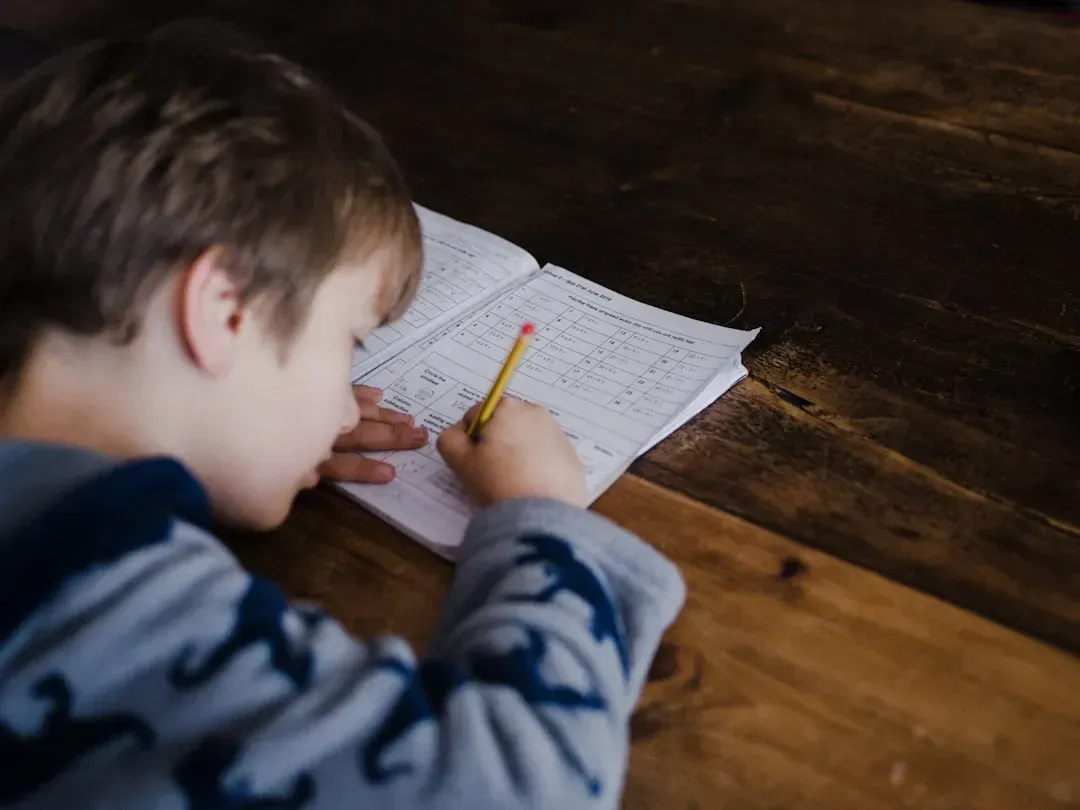
2. Letting kids struggle a little before jumping in (Image Credits: Unsplash)
There’s a difference between supporting a child and rescuing them from every hard moment. Teachers appreciate parents who let a kid sit with frustration on a tricky math problem for a few minutes before offering help. That small pause builds tolerance for difficulty, which shows up later in the classroom as patience and persistence.
Kids who’ve never been allowed to struggle often fall apart at the first sign of confusion in school. Parents who resist the urge to fix everything immediately are quietly setting their child up to handle setbacks better. Teachers can usually tell the difference within the first few weeks of class.
3. Showing up prepared, not just showing up

3. Showing up prepared, not just showing up (Image Credits: Unsplash)
Attendance at conferences and events matters, but preparation matters more. A parent who arrives with a couple of specific questions or observations about their child gets more out of a ten-minute conference than someone who shows up with nothing in mind. It also tells the teacher this person has been paying attention at home.
Preparation doesn’t require much. Jotting down one or two things a child has mentioned about school, or noting a pattern noticed at homework time, goes a long way. Teachers remember the parents who bring something specific to the table.
4. Admitting they don't have all the answers
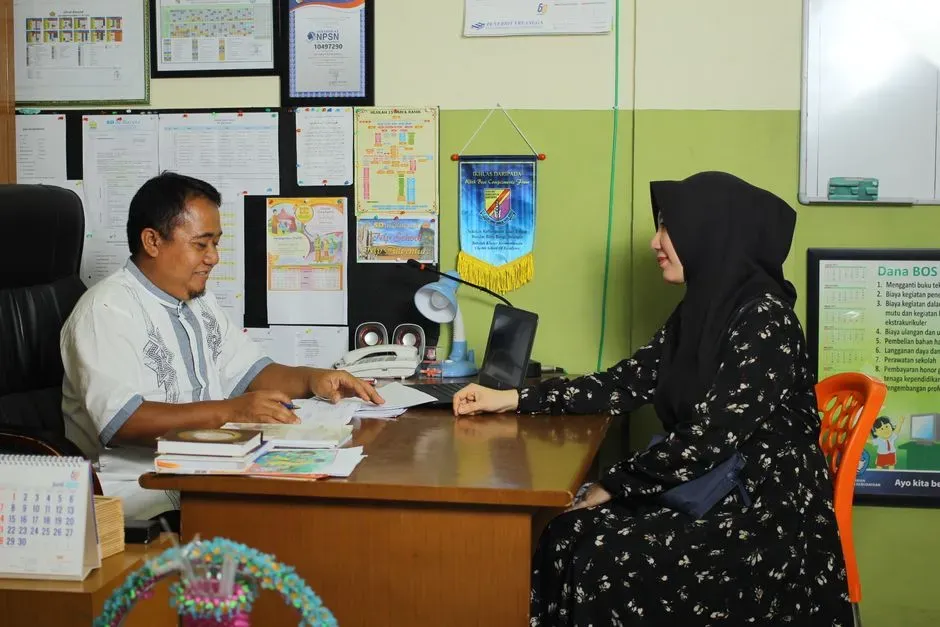
4. Admitting they don't have all the answers (Image Credits: Pexels)
Parenting advice is everywhere, and plenty of parents feel pressure to sound like they’ve got it figured out. Teachers find it refreshing when a parent simply says they’re not sure how to handle a certain behavior or situation. That honesty opens the door to actual collaboration instead of defensiveness.
Kids benefit when the adults around them work together instead of pretending to have every answer. A parent willing to say “I don’t know, what do you think” creates space for real problem solving. It’s a small admission that carries a lot of trust.
5. Respecting the teacher's time outside school hours

5. Respecting the teacher's time outside school hours (Image Credits: Unsplash)
Most teachers are managing lesson planning, grading, and their own family responsibilities in the hours after the school day ends. Parents who wait until a reasonable time to send non urgent messages, or who understand that a reply might not come until the next morning, are showing a basic kind of respect that’s easy to overlook. It’s not about avoiding contact, it’s about timing.
According to surveys of educators, burnout and after hours workload remain significant stressors in the profession, with many teachers reporting they work well beyond contracted hours just to keep up. A parent who’s mindful of boundaries, even in small ways, reduces that pressure just slightly. Teachers notice, even if they never mention it directly.
6. Following through on small commitments

6. Following through on small commitments (Image Credits: Unsplash)
If a parent says they’ll send in supplies, sign a form, or follow up on a conversation, doing it without a reminder builds real credibility. Teachers deal with a lot of loose ends during the week, and a parent who closes the loop without prompting stands out. It’s not a dramatic gesture, but it’s consistent.
This kind of reliability tends to carry over into how a teacher perceives the whole family dynamic. Kids from households where follow through is normal often show the same trait in their own schoolwork. Small habits at home tend to echo in the classroom.
7. Staying calm during difficult conversations

7. Staying calm during difficult conversations (Image Credits: Unsplash)
Not every conversation between a parent and teacher is easy. Discipline issues, academic struggles, or behavioral concerns can feel personal, and it’s natural for emotions to run high. Teachers deeply appreciate parents who can stay level headed even when the news isn’t great, because it keeps the focus on solving the problem rather than assigning blame.
A calm parent also models something valuable for the child watching from the sidelines. Kids pick up on how adults handle conflict, and a measured response teaches more than a defensive one ever could. Teachers remember these moments, sometimes more than the easy ones.
8. Encouraging independence with everyday tasks
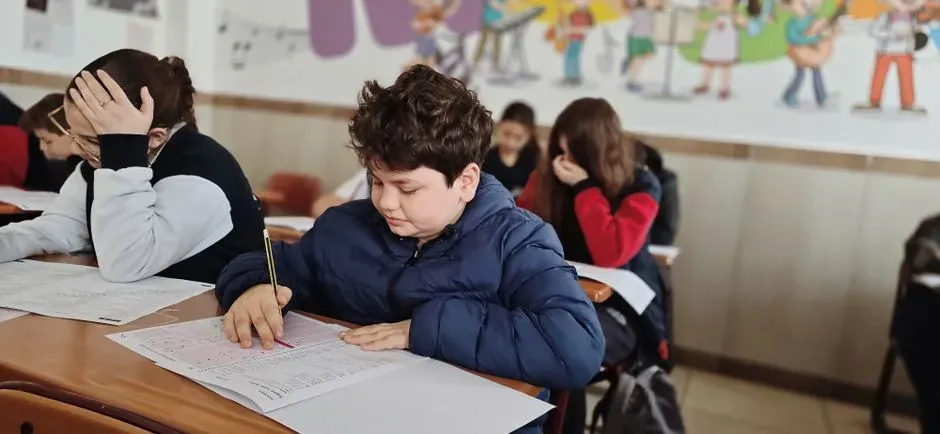
8. Encouraging independence with everyday tasks (Image Credits: Pexels)
Packing a backpack, remembering homework, or managing a lunch account might seem minor, but they build a kind of self reliance that shows up in the classroom. Teachers can often tell which students handle their own materials and which ones rely entirely on a parent to manage everything for them. The independent kids tend to adjust faster to classroom routines.
This doesn’t mean parents should step back from everything at once. It means gradually handing over small responsibilities as a child grows, rather than doing it all indefinitely. Teachers notice which students walk in already used to managing their own stuff.
9. Asking about effort, not just grades

9. Asking about effort, not just grades (Image Credits: Pexels)
A parent who asks “did you try your best” instead of only “what grade did you get” is shifting the conversation toward something more useful. Teachers see the long term effects of grade focused pressure, including anxiety and a fear of taking academic risks. Framing success around effort tends to produce more resilient learners.
This shift in language seems small, but it changes how kids talk about school at home. Students who feel safe making mistakes are usually more willing to participate and ask questions in class. Teachers can often trace that comfort back to how success is defined at home.
10. Reading with their kids, even briefly

10. Reading with their kids, even briefly (Image Credits: Unsplash)
Reading aloud or listening to a child read for even a short stretch each day makes a measurable difference in literacy development. Research from literacy organizations has consistently linked regular at home reading time with stronger vocabulary and comprehension skills. Teachers can often identify which students get this kind of exposure just from how they engage with a new book.
It doesn’t need to be a long session or a perfectly quiet room. A few minutes here and there, done consistently, adds up over a school year. Teachers quietly appreciate parents who treat reading as a habit rather than a chore to check off.
11. Trusting the teacher's judgment on classroom matters
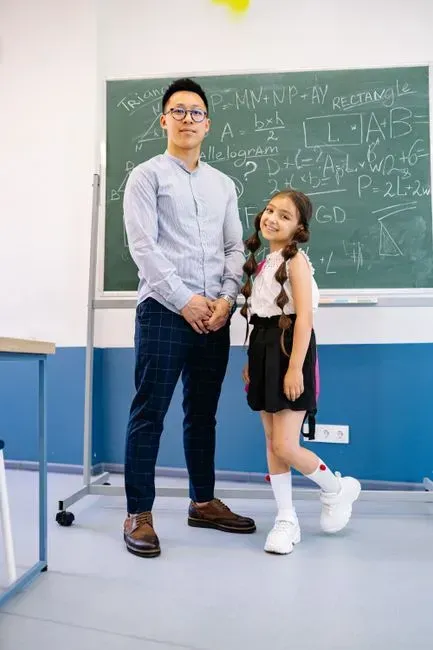
11. Trusting the teacher's judgment on classroom matters (Image Credits: Pexels)
Teachers make dozens of small decisions every day about seating, pacing, and how to handle minor classroom issues. Parents who trust that judgment, rather than second guessing every choice, make the working relationship far less stressful. That trust isn’t blind, it’s built over time through communication, but it matters.
This doesn’t mean parents should never raise concerns. It means giving the teacher the benefit of the doubt on the smaller, day to day calls that don’t require outside input. Teachers notice which families extend that kind of confidence.
12. Keeping a consistent routine at home

12. Keeping a consistent routine at home (Image Credits: Unsplash)
Kids who arrive at school well rested and on a predictable schedule tend to focus better and handle transitions more smoothly. The American Academy of Pediatrics has long emphasized that consistent sleep and daily routines support both behavior and academic performance in school age children. Teachers can often spot the difference by mid morning, especially with younger students.
A consistent routine doesn’t need to be rigid. It just means bedtime, mealtimes, and morning schedules follow a general pattern most days of the week. That predictability shows up in a classroom as steadier attention and fewer meltdowns.
13. Saying thank you without expecting anything back

13. Saying thank you without expecting anything back (Image Credits: Pexels)
Teaching is a profession where recognition is often thin, especially in years when public discussion around education has focused more on funding and staffing shortages than appreciation. A short note or a simple thank you at the end of a hard week can mean more than parents realize. It costs nothing and takes very little time.
Teachers aren’t looking for grand gestures or expensive gifts. A genuine, specific thank you, mentioning something the teacher actually did well, tends to stick with them far longer than a generic card. It’s one of the simplest things a parent can do, and one of the most quietly appreciated.
None of these behaviors require extra time, money, or special training. They’re small, repeatable habits that build trust between home and school over the course of a year. Teachers may never list them out loud, but they notice, and it shapes how they experience the classroom every single day.