
A house rarely loses value overnight. It happens in small increments, a missed repair here, a faded patch of paint there, until one day an appraiser or a buyer's agent walks through and the number that comes back is lower than expected. Most homeowners assume value loss is tied to big, obvious problems, but the truth is more subtle. The signals are often sitting in plain sight, easy to overlook because you see them every single day.
1. Peeling paint and a tired exterior
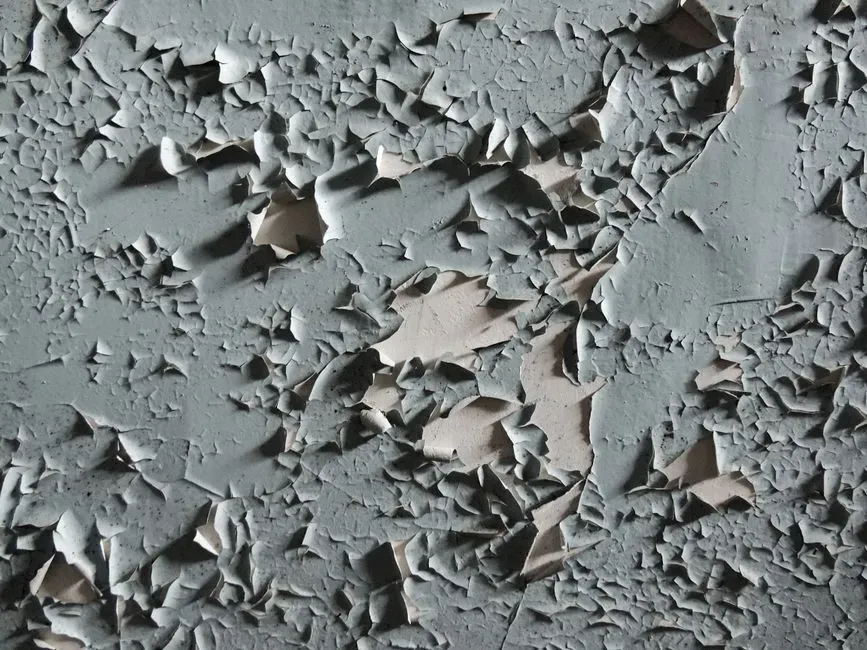
1. Peeling paint and a tired exterior (Image Credits: Pexels)
The exterior of a home does more heavy lifting than most owners realize. A recent study found that homes with strong curb appeal, meaning tidy landscaping, well-maintained exteriors and an inviting entryway, sell for an average of 7% more than comparable homes in the same neighborhood. That is not a small margin when you consider it applies across the entire sale price, not just a line item on a repair estimate.
Appraisers pick up on these details too. A neglected yard or peeling paint might suggest there could be other issues, leading to a lower appraisal. The exterior essentially functions as a preview, and a worn one tells a story that the rest of the house then has to work harder to disprove.
2. Small repairs that keep getting pushed back
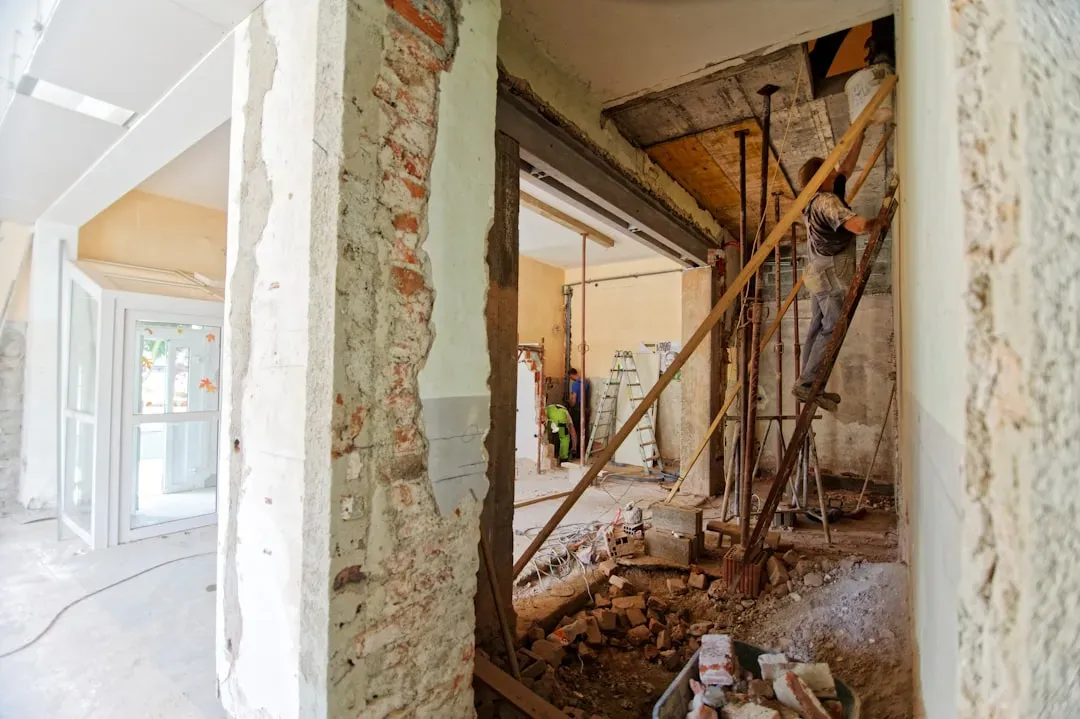
2. Small repairs that keep getting pushed back (Image Credits: Unsplash)
It is easy to convince yourself that a dripping faucet or a loose gutter can wait. The problem is that deferred repairs tend to compound, and what begins as an annoyance can evolve into water damage, electrical issues, structural deterioration, or costly emergency fixes. Buyers and inspectors rarely see these as isolated incidents either.
Industry data backs this up in dollar terms. Homes with obvious maintenance issues sell for 5 to 15 percent below market value, while homes requiring major systems replacement can face discounts of 15 to 25 percent. One overlooked repair rarely sinks a sale on its own, but a pattern of them adds up fast in a buyer's mind.
3. An outdated electrical panel nobody has thought about in years
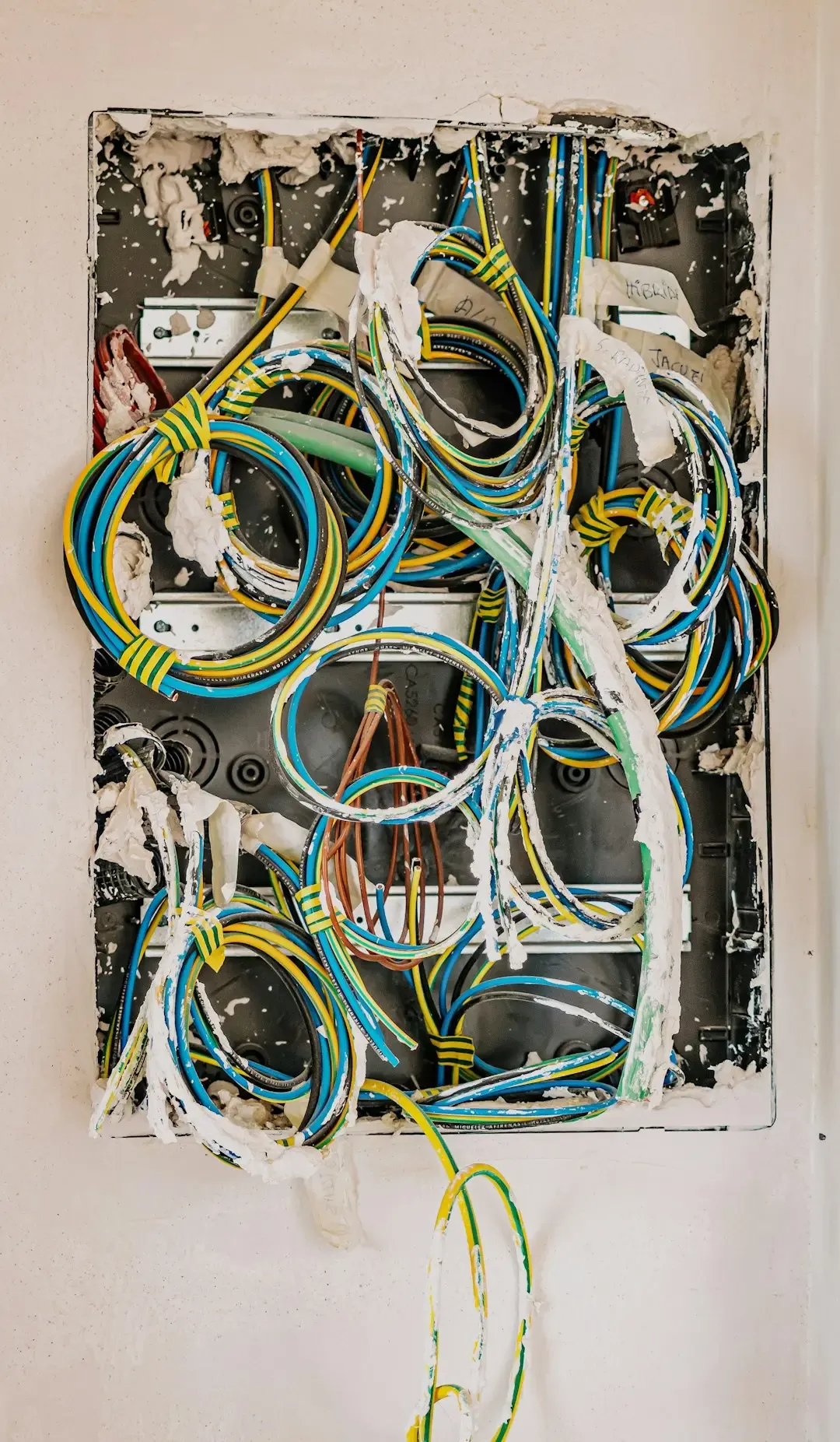
3. An outdated electrical panel nobody has thought about in years (Image Credits: Unsplash)
Electrical panels are easy to forget because they sit quietly in a closet or basement, doing their job until they don't. Insurers, however, pay close attention. Most insurers flag an outdated panel over 40 years old for additional scrutiny due to increased safety risks, and certain older brands carry an even worse reputation.
Specifically, Federal Pacific Electric panels are known for defective breakers that may not trip properly, including the widely documented unsafe FPE Stab-Lok panels, while Zinsco panels can have breakers that fail or disconnect internally, leading to overheating. Beyond safety, this matters for resale because outdated electrical panels can void your existing coverage, prevent new policy issuance, or result in premium increases of 10 to 20 percent or more, which makes a home harder to insure and therefore harder to sell at full value.
4. A roof that is quietly running out of runway
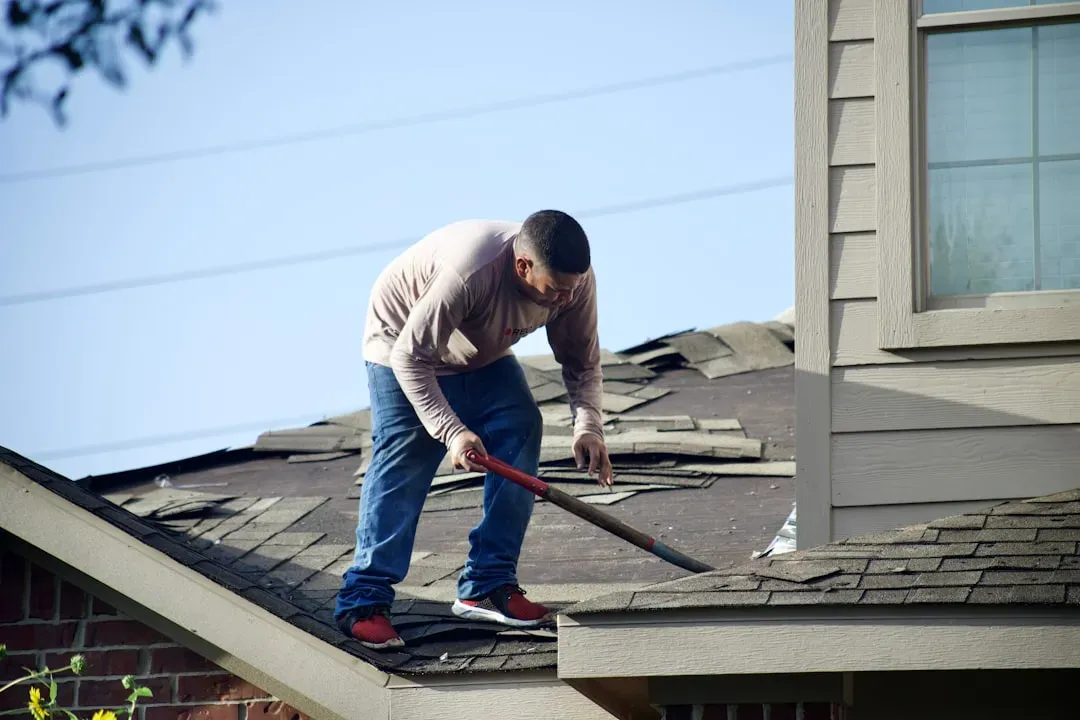
4. A roof that is quietly running out of runway (Image Credits: Unsplash)
Roofs age in a way that is almost invisible from the ground until a problem shows up during an inspection or, worse, during a storm. Insurance companies track this closely, and older roofs, especially those made from wood shake, slate, or tile, may not meet current safety standards, and insurers sometimes offer only actual cash value coverage for roofs more than 20 years old unless they have been recently replaced. That kind of coverage limitation can spook a buyer's lender just as easily as it spooks a buyer.
Material matters here too, since a roof's life expectancy may range anywhere from 15 to 50 years depending on the material, with asphalt shingles typically lasting 15 to 30 years. A homeowner who has never tracked the installation date of their roof may be sitting on an asset that is closer to the end of its useful life than they think, and that gap between assumption and reality tends to surface at the worst possible moment, mid transaction.
5. Overgrown trees and a landscape that has gotten away from you
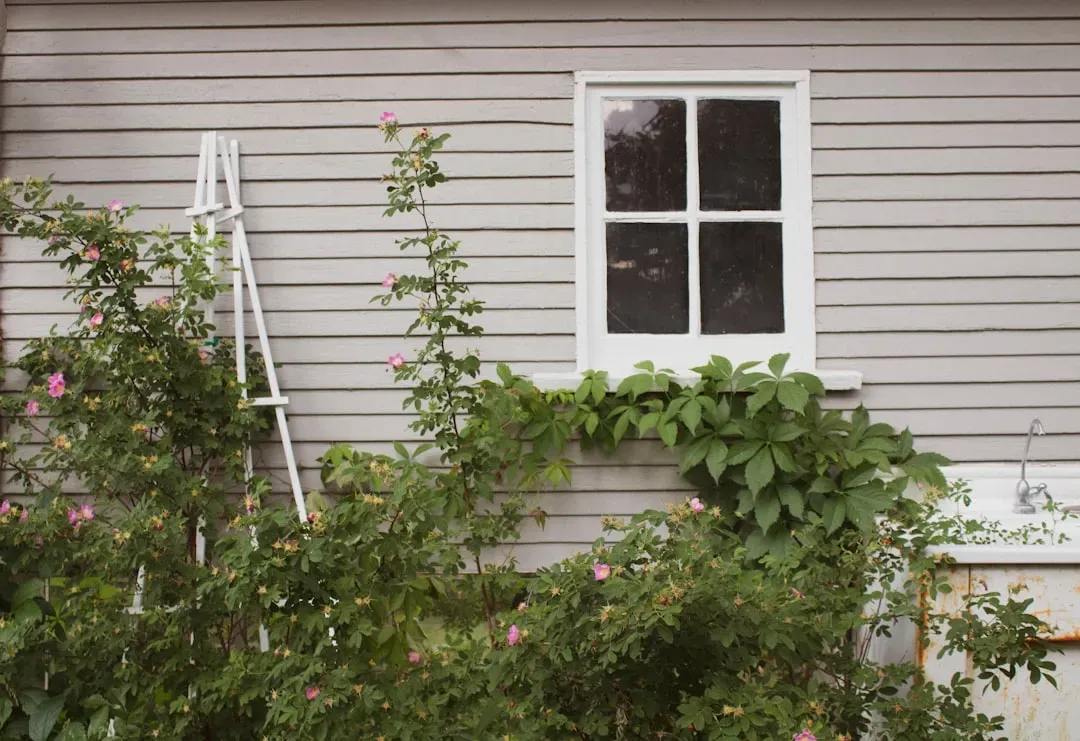
5. Overgrown trees and a landscape that has gotten away from you (Image Credits: Unsplash)
A yard that once looked manageable can slowly turn into a liability, and most owners do not notice the shift because it happens gradually. Overgrown trees, a dead or patchy lawn, peeling siding, missing roof tiles, or broken gutters can reduce appraised value. It is not just aesthetics either.
Mature, unmanaged trees can create real structural risk. Overgrown trees can cause significant problems for a home, including a weakened foundation and damaged sewer lines, and these issues are costly to fix and significantly decrease the value of the home. The fix does not have to be dramatic, though. Regular trimming helps trees enhance rather than harm property value, since healthy trees frame a home and add shade without creating hazards.
6. Kitchens and bathrooms stuck in a different decade
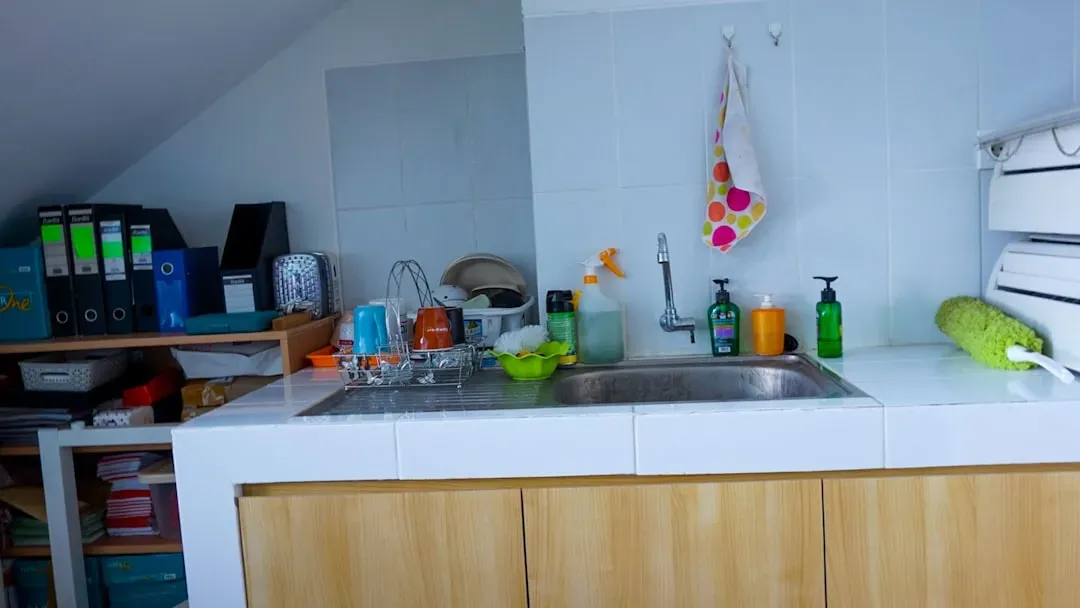
6. Kitchens and bathrooms stuck in a different decade (Image Credits: Unsplash)
Every neighborhood sets its own quiet standard for what a kitchen or bathroom should look like, and homes that fall noticeably behind that standard get penalized. Outdated kitchens and bathrooms may reduce value when compared to nearby homes with modern upgrades. This is less about chasing trends and more about basic functionality matching buyer expectations.
Appraisers are trained to notice this gap during their walkthrough. An appraiser will look to see if any areas of the home, particularly the kitchen and bathrooms, will need remodeling in the near future, and if so, that likely will decrease the home's value. A dated kitchen does not need a full gut renovation to stop bleeding value, but ignoring it entirely for a decade or more tends to catch up with a seller eventually.
7. Half finished renovations sitting in limbo
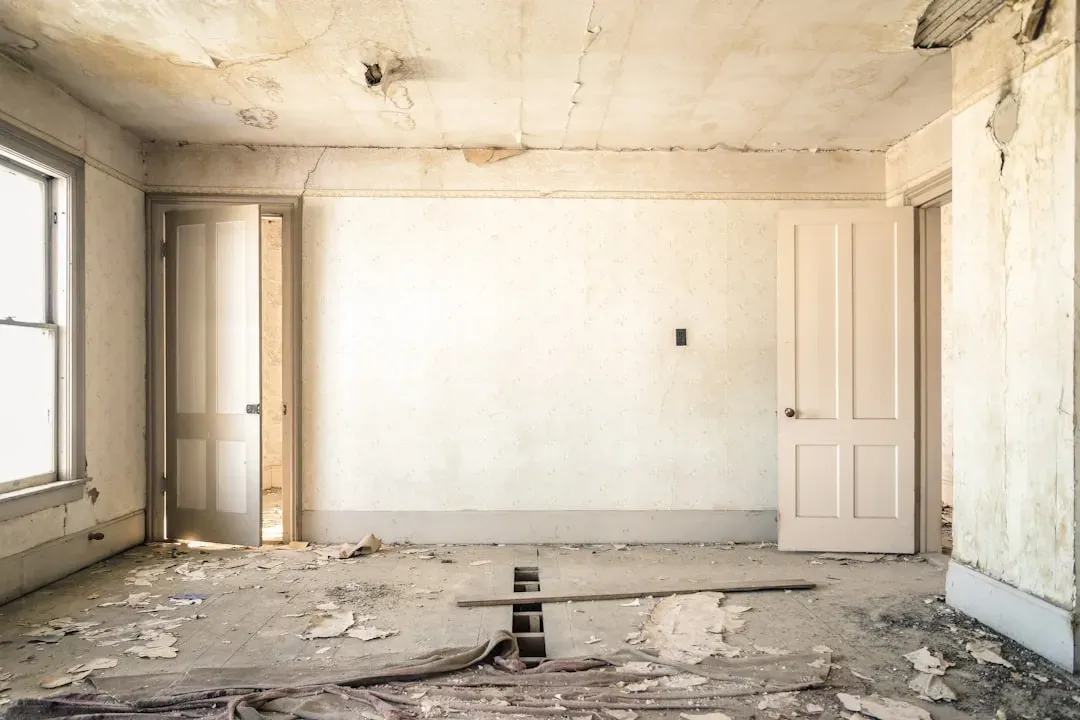
7. Half finished renovations sitting in limbo (Image Credits: Unsplash)
Ambitious home projects that stall partway through create a strange kind of value drain, worse in some ways than doing nothing at all. Many homeowners begin renovation projects before selling but fail to complete them properly, and unfortunately, unfinished improvements can lower appraised value rather than increase it. A half tiled bathroom or a kitchen missing its final fixtures signals unfinished business to anyone evaluating the property.
The concern goes beyond aesthetics. Incomplete kitchens, exposed wiring, unfinished flooring, or partially remodeled bathrooms can signal additional expenses for future buyers. Buyers tend to price in worst case assumptions for anything left visibly undone, which often costs a seller more than simply finishing the job would have.
8. Neighborhood and comparable sales moving against you
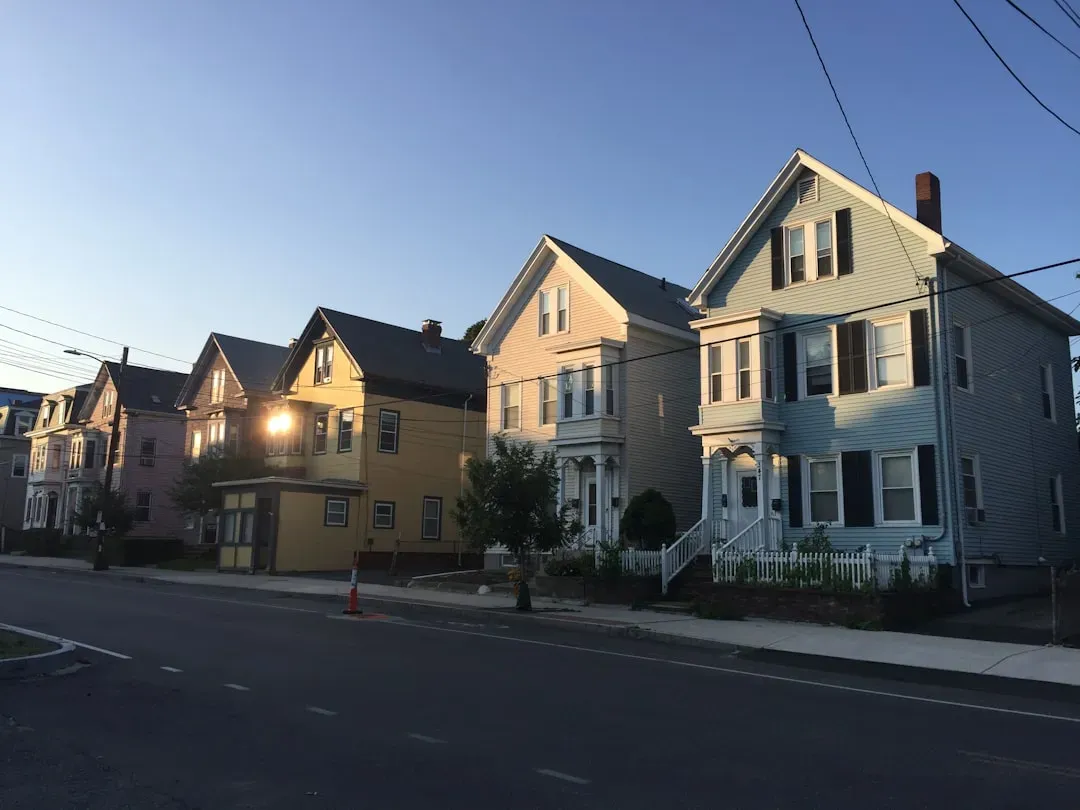
8. Neighborhood and comparable sales moving against you (Image Credits: Unsplash)
Sometimes a home loses value for reasons that have nothing to do with the house itself. Even well maintained homes may face appraisal challenges due to location factors outside the owner's control, since appraisers carefully analyze neighborhood conditions because location strongly influences market demand and resale value. A string of distressed sales nearby, a decline in local amenities, or shifting demand patterns can all quietly drag down what a home is worth.
This is one of the harder signals to catch because it requires looking outward rather than inward. Appraisers evaluate nearby comparable sales and neighborhood conditions when determining property value, which means a homeowner can do everything right on their own property and still watch its value slip if the surrounding area is trending the wrong way. Staying aware of what is happening a few blocks over is, in its own way, part of protecting your investment.
None of these eight signals are dramatic on their own. That is precisely what makes them dangerous, they are the kind of thing a homeowner walks past every day without registering, until an appraisal or a buyer's inspection puts a number on the cost of looking away. The good news is that most of these issues respond well to attention long before they become expensive. A homeowner who walks their property once or twice a year with fresh eyes, checking the panel, the roof, the yard, the half finished projects, and even the state of the neighborhood, stands a much better chance of protecting the value they have built rather than discovering the loss after it is too late to do much about it.