
There’s a certain kind of nostalgia that hits different when it comes from watching your parents move through the world. If you grew up with ’80s parents, you probably absorbed a set of habits and household rules that felt completely normal at the time, even if they seem a little peculiar looking back now. Some of it was practical, some of it was generational thriftiness, and some of it was just how things worked before smartphones and same-day delivery reshaped everyday life.
These habits weren’t quirks exactly. They were survival skills, budgeting tricks, and social norms shaped by a decade of high interest rates, analog technology, and a general distrust of anything that seemed wasteful. Here are nine habits that, if you saw them growing up, probably still live somewhere in your own routines today.
1. Saving Every Margarine Tub and Glass Jar

1. Saving Every Margarine Tub and Glass Jar (Image Credits: Pexels)
Plastic margarine containers, mayonnaise jars, and old butter tubs rarely made it to the trash in an ’80s household. Instead, they became the unofficial storage system for leftovers, nails, buttons, and loose change. It wasn’t about being sentimental, it was about stretching a dollar during a decade when inflation had only recently cooled from the punishing rates of the late 1970s.
This habit came from a broader culture of reuse that predated curbside recycling programs, which didn’t become widespread in the United States until the late 1980s and early 1990s. Parents who lived through leaner years saw a sturdy container as something with a second life, not a single-use item. Even now, plenty of adults raised in that era still can’t bring themselves to toss a perfectly good jar.
2. Answering the Phone With a Specific Script
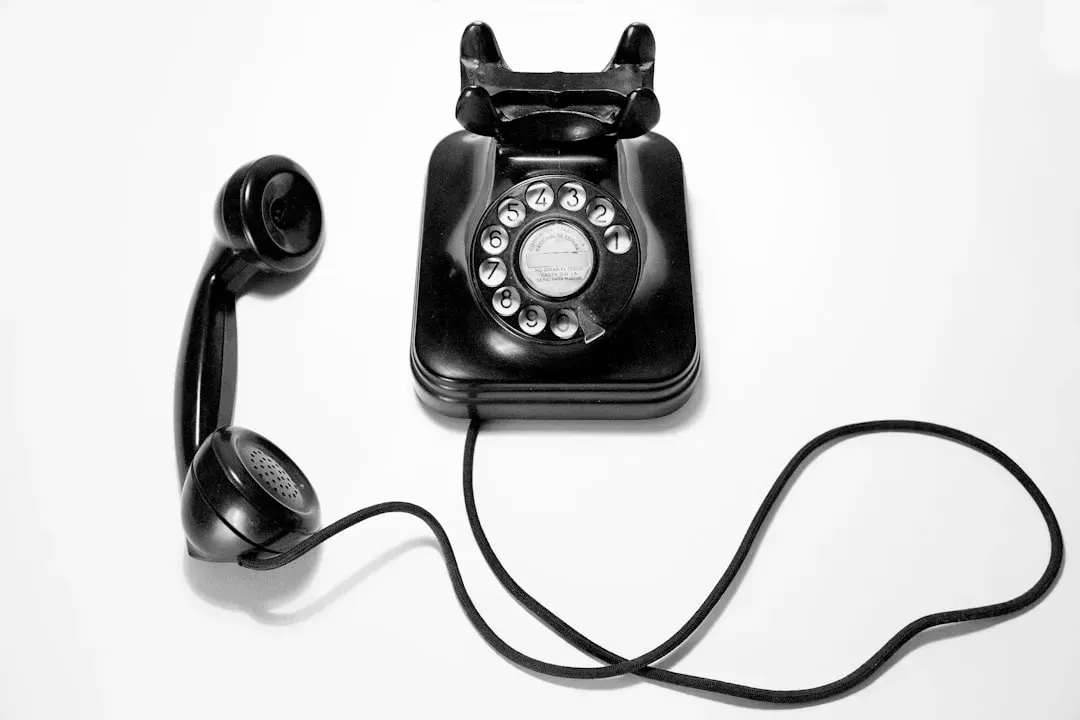
2. Answering the Phone With a Specific Script (Image Credits: Unsplash)
Before caller ID existed, picking up the landline meant answering blind, and ’80s parents often had a go-to phrase ready, whether it was a formal “hello” with the last name attached or a simple “Smith residence.” Cordless phones were still a luxury in the early part of the decade, so most calls happened on a wall-mounted or corded phone anchored to the kitchen.
Long-distance calls were expensive enough that many families tracked minutes carefully, especially after dark when rates dropped. That awareness shaped a kind of phone etiquette that felt almost ceremonial compared to today’s casual texting. Kids who grew up during this time remember being coached on exactly what to say if they answered and it wasn’t for them.
3. Driving Without Seatbelts as a Given

3. Driving Without Seatbelts as a Given (Image Credits: Pexels)
Seatbelt use wasn’t federally mandated across most of the United States until state laws began rolling out in the mid-1980s, with New York passing the first mandatory seatbelt law in 1984. Before that, and even for a while after, plenty of parents drove with kids bouncing around in the back seat or lying across the rear window ledge on long trips. It wasn’t recklessness by the standards of the time, it was simply how driving worked before public safety campaigns caught up with the research.
Car seats existed but weren’t nearly as standardized or enforced as they are now, and booster seats for older kids were almost unheard of. Many ’80s parents genuinely didn’t think twice about letting a child ride up front or stretch out in the back. Looking back, it’s one of the clearest signs of how much safety expectations have shifted in just a few decades.
4. Letting Kids Roam the Neighborhood Unsupervised

4. Letting Kids Roam the Neighborhood Unsupervised (Image Credits: Unsplash)
“Be home before dark” was often the only instruction ’80s kids got before disappearing for hours on bikes or on foot. There were no cell phones to check in, no location sharing, and often no set itinerary beyond a general neighborhood radius. Parents trusted that kids would sort out disputes, find their way home, and show up for dinner without constant oversight.
This kind of free-range parenting wasn’t unusual, it was closer to the default. Sociologists have pointed to a steady decline in unsupervised outdoor play since the 1980s, driven partly by shifting risk perceptions and partly by changes in how neighborhoods and work schedules function. For parents raised in that decade, the idea of scheduling every hour of a child’s day would have seemed almost bizarre.
5. Recording Songs Off the Radio Onto Cassette Tapes
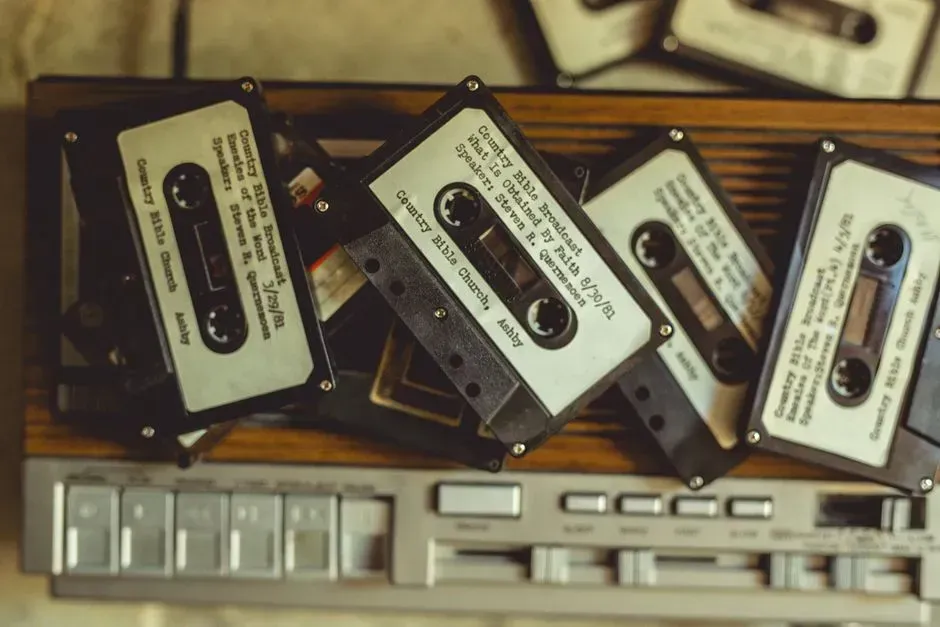
5. Recording Songs Off the Radio Onto Cassette Tapes (Image Credits: Pexels)
Long before streaming or even burned CDs, capturing a favorite song meant sitting by the radio with a blank cassette loaded and finger hovering over the record button. Timing was everything, since missing the intro or catching a DJ’s voice at the start ruined the recording. Compilation mixtapes made this way became a genuine art form, often passed between friends or given as gifts.
This habit reflected both the cost of buying albums outright and the simple thrill of curating a personal soundtrack. Cassette sales in the United States peaked in the mid-1980s before CDs eventually took over the market by the early 1990s. Parents who grew up taping songs off the radio often still have boxes of old mixtapes tucked away somewhere, even if they no longer have anything to play them on.
6. Paying for Nearly Everything in Cash or Check

6. Paying for Nearly Everything in Cash or Check (Image Credits: Pexels)
Credit cards existed in the 1980s, but they weren’t nearly as embedded in daily spending as they are now. Many households ran on a system of cash for groceries and gas, with checks reserved for bills, rent, and larger purchases. Balancing a checkbook was a genuine monthly ritual, often done by hand at the kitchen table with a calculator nearby.
Debit cards weren’t widely used until the 1990s, and online banking wouldn’t become mainstream for another decade after that. This meant ’80s parents had a much more direct, tactile relationship with their money, since spending limits were whatever cash was physically in the envelope or wallet. That habit of budgeting in cash often carried over into how these parents managed money well into adulthood.
7. Using a TV Antenna and Getting Up to Change the Channel

7. Using a TV Antenna and Getting Up to Change the Channel (Image Credits: Unsplash)
Remote controls existed by the 1980s, but not every household had one, and even those that did often dealt with antennas that needed manual adjustment for a clear picture. Someone, usually a kid, became the designated antenna-turner whenever the signal got fuzzy during a favorite show. Cable television was expanding rapidly through the decade, yet plenty of families still relied on rooftop or rabbit-ear antennas well into the late 1980s.
Channel surfing meant physically walking to the television and turning a dial, since flipping through options from the couch wasn’t universal yet. This made TV watching a more deliberate activity, with families often committing to a show for its full runtime rather than scrolling for something better. Reruns, syndicated shows, and the newspaper TV guide shaped viewing habits in a way that feels almost quaint now.
8. Smoking Indoors and in Cars Without a Second Thought

8. Smoking Indoors and in Cars Without a Second Thought (Image Credits: Pexels)
Indoor smoking bans didn’t start becoming common in the United States until the 1990s and early 2000s, so throughout the 1980s it was entirely normal to see parents smoking in living rooms, restaurants, and cars with kids in the back seat. Ashtrays were standard fixtures in most vehicles, often built directly into the dashboard. Secondhand smoke research existed, but it hadn’t yet reshaped public policy or common household behavior.
Restaurants routinely had smoking and non-smoking sections that shared the same air, which in hindsight did little to actually separate anything. This habit reflected a broader lack of public health messaging around secondhand smoke that wouldn’t fully take hold until later. Kids raised in smoking households during that decade often recall the smell as simply part of daily life rather than something unusual.
9. Writing Down Phone Numbers in a Physical Address Book

9. Writing Down Phone Numbers in a Physical Address Book (Image Credits: Unsplash)
Every ’80s household seemed to have a small book, often with a floral or leather cover, filled with names, addresses, and phone numbers written in careful cursive. Losing this book meant losing contact with people entirely, since there was no cloud backup or digital directory to fall back on. Updating an address after a move or a new job required physically crossing out old information and squeezing in the new details.
These books often became inherited keepsakes, since they contained handwriting samples and contact details for relatives who might no longer be reachable any other way. Parents guarded these address books carefully, sometimes keeping a backup copy in a drawer just in case. The habit of writing things down by hand, rather than trusting a device to remember for you, stuck with many people raised in that decade long after smartphones took over.
Looking at these nine habits together, it’s clear how much daily life has shifted in just a few decades, not because people were careless back then, but because the tools, safety research, and cultural norms simply hadn’t caught up yet. What felt ordinary in the 1980s often required more manual effort, more trust, and more patience than most routines do today. For anyone raised by ’80s parents, these small rituals probably explain a lot about the habits, both practical and sentimental, that got passed down without anyone really noticing.