
Every June, the same thought crosses my mind: this is the summer I finally see all of it. Not just the flagship music festival everyone talks about, but the food truck rallies, the tiny street fairs tucked into neighborhoods, the county fair with the questionable carnival rides, all of it. So this year I actually did it, spending nine weekends bouncing between events with a notebook, a reusable water bottle, and increasingly tired feet.
What follows isn't a ranked countdown of which festival had the best fried food, though that mattered plenty. It's more of a field report on what different kinds of local festivals actually deliver, who they're really for, and which ones earned a permanent spot on my calendar.
The mega music festival still pulls the biggest crowd
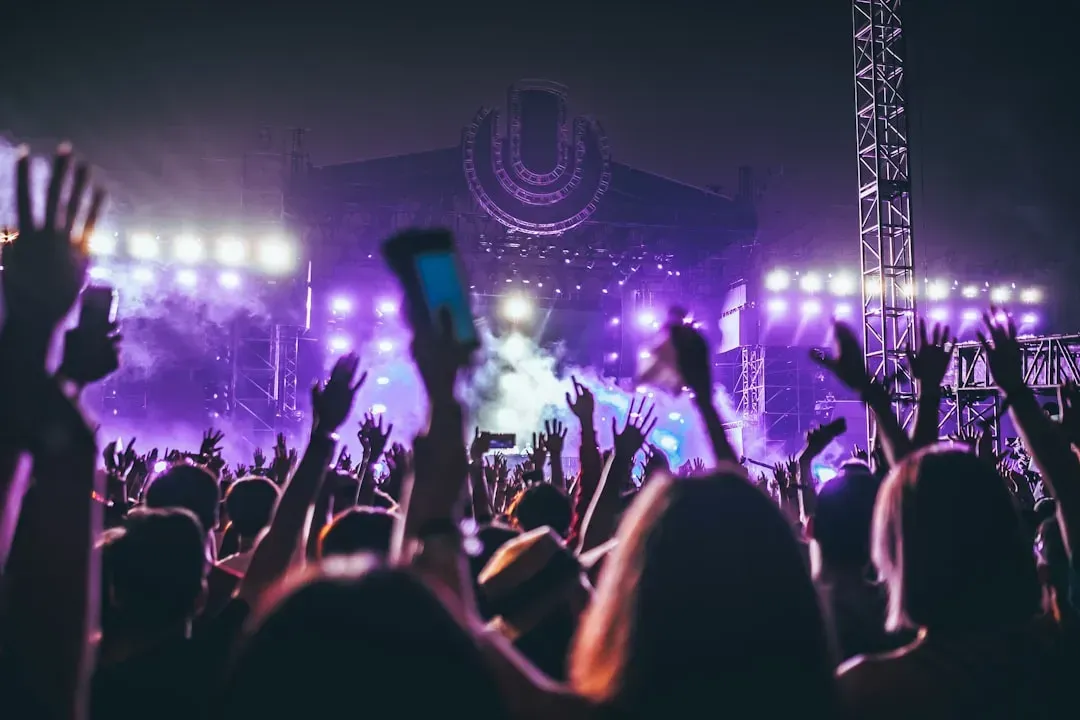
The mega music festival still pulls the biggest crowd (Image Credits: Unsplash)
There’s a reason the big multi-day music festival in almost every mid-size city still dominates the summer conversation. These events have become genuine economic engines, drawing hundreds of thousands of visitors over a single run. Attendance for the World’s Largest Music Festival climbed back above the 600,000 mark for 2025, as Summerfest reported an 8% increase in visitors for a total of 602,231 fans through the gates. That’s not a niche event anymore, that’s closer to a small city passing through the turnstiles.
What struck me most wasn’t the headliners, it was the infrastructure. Multiple stages, dozens of local vendors, and enough programming that you could genuinely spend a full day and still miss half of it. This year’s Summerfest also featured 73 local Milwaukee vendors and 60 unique exhibitors, with more than 600 artists performing over 900 hours of live music. That kind of scale is impressive, but it also means you’re never fully alone with the music. You’re sharing it with a small city’s worth of other people.
The food truck festival that quietly stole the show
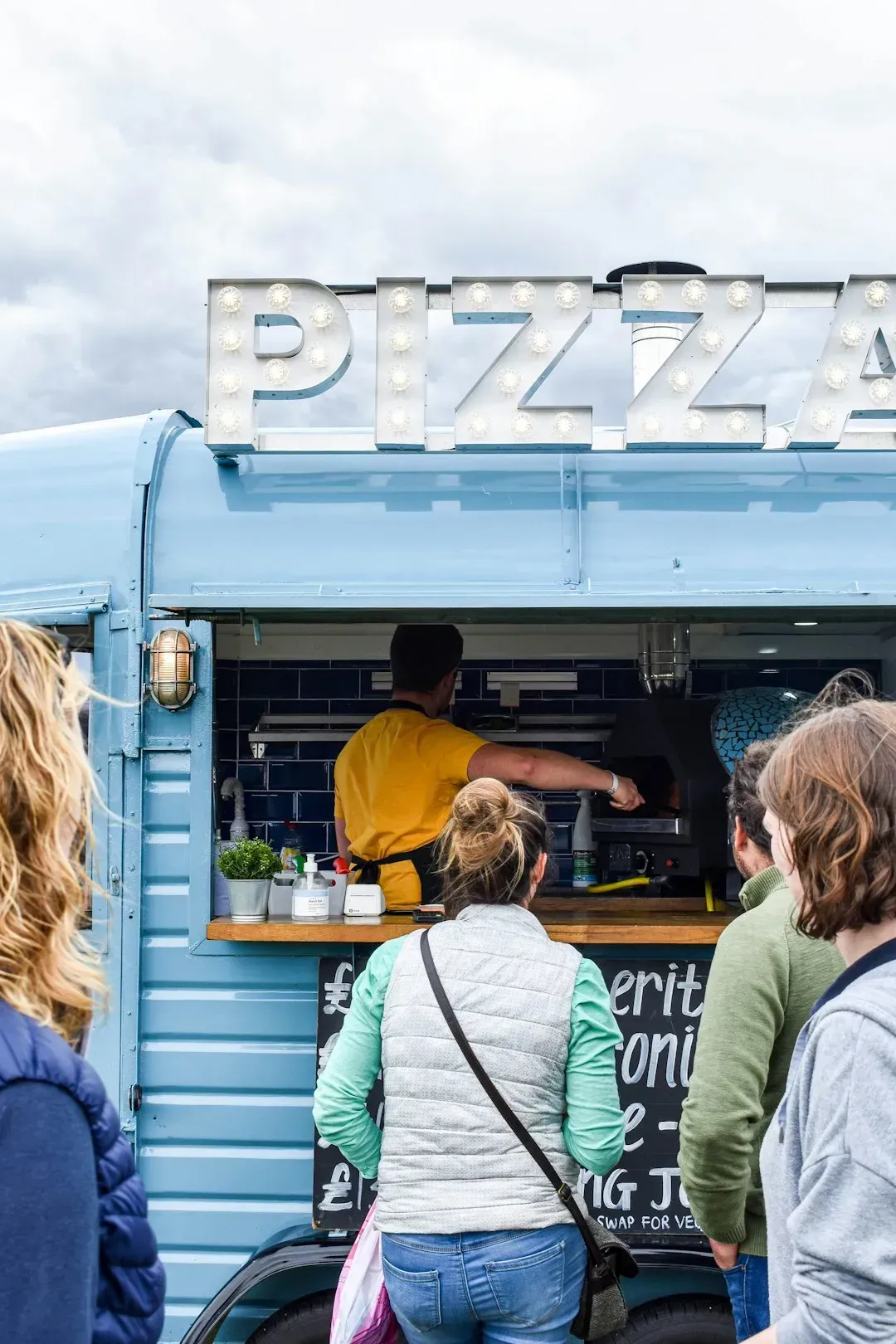
The food truck festival that quietly stole the show (Image Credits: Unsplash)
I went in expecting the food truck festival to be the lightweight event of the summer, something to kill an afternoon before the “real” festivals started. I was wrong. The food truck scene has grown into something much bigger than a side attraction, with roughly forty-eight thousand trucks now operating across the country and steady year over year growth in the industry.
What’s changed is the mindset behind these events. In the past, food trucks supported events. Today, events center around the trucks themselves, with food truck festivals and curated food truck parks becoming legitimate social destinations that people seek out specifically. That shift was obvious on the ground. People weren’t wandering in by accident, they’d mapped out which trucks they wanted to hit before they even parked the car.
The neighborhood street fair that felt the most human
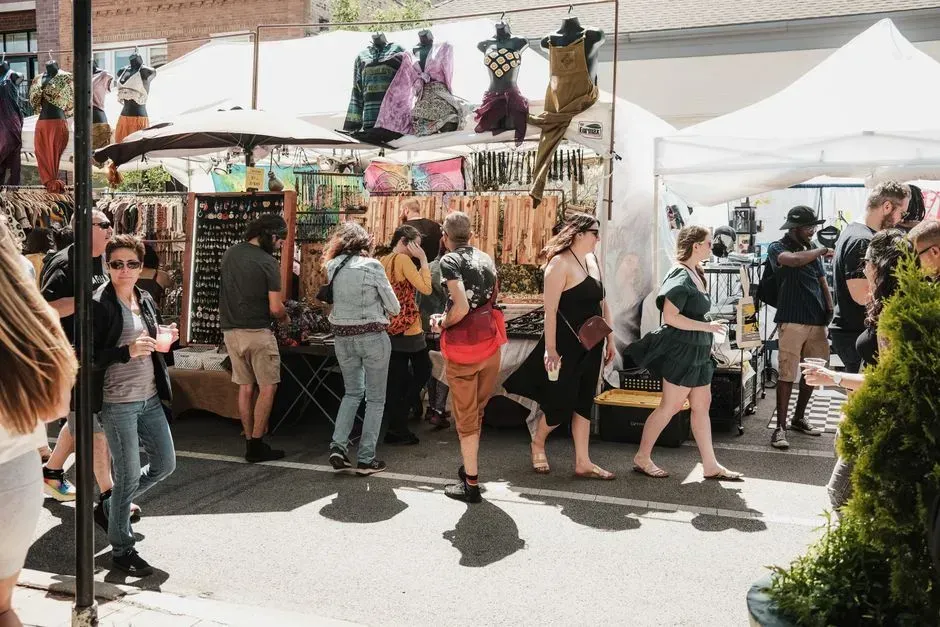
The neighborhood street fair that felt the most human (Image Credits: Pexels)
No pyrotechnics, no ticketed VIP section, just a few blocked-off streets, some folding tables, and a genuine cross section of the neighborhood. The local street fair is the kind of event that doesn’t show up in attendance rankings but somehow feels like the truest version of a summer festival. Kids ran between face painting booths while retirees compared notes on tomato plants two tables over.
These smaller fairs run almost entirely on volunteer labor and small business participation, which gives them a texture the bigger festivals can’t fake. There’s no headliner to build hype around, so the event has to earn your attention through actual local character. It’s a slower, quieter kind of fun, and honestly a nice palate cleanser after a weekend of festival crowds.
The county fair that refuses to modernize, and is better for it
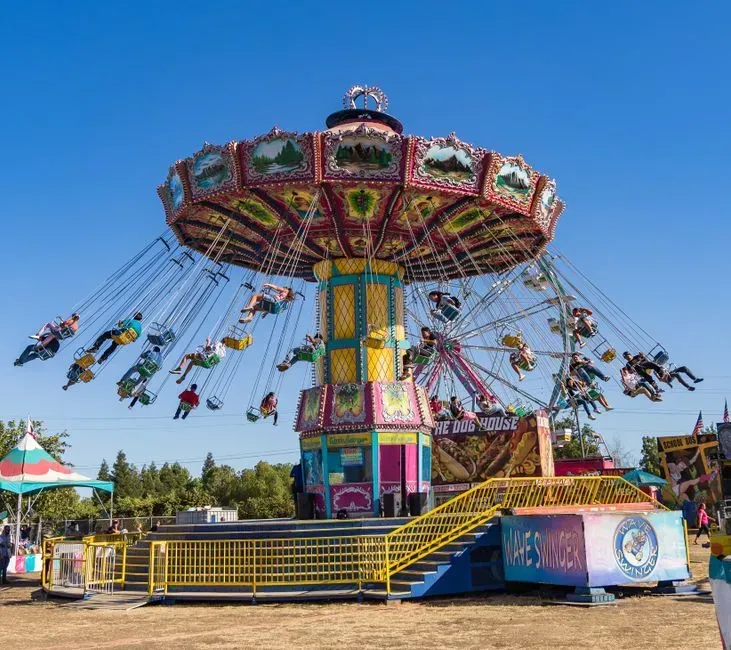
The county fair that refuses to modernize, and is better for it (Image Credits: Pexels)
There’s something almost defiant about the county fair. While every other event on this list has leaned into apps, cashless payment, and slick branding, the fair still runs on paper tickets for rides and a livestock barn that smells exactly like it did twenty years ago. That resistance to change is part of the appeal.
I spent an unreasonable amount of time in the exhibition hall looking at prize-winning vegetables and homemade preserves, which sounds dull until you’re standing in front of a genuinely enormous pumpkin. The fair doesn’t try to be cool. It just keeps being itself, and in a summer full of festivals chasing trends, that consistency stood out more than I expected.
The craft beer and wine walk that rewards patience
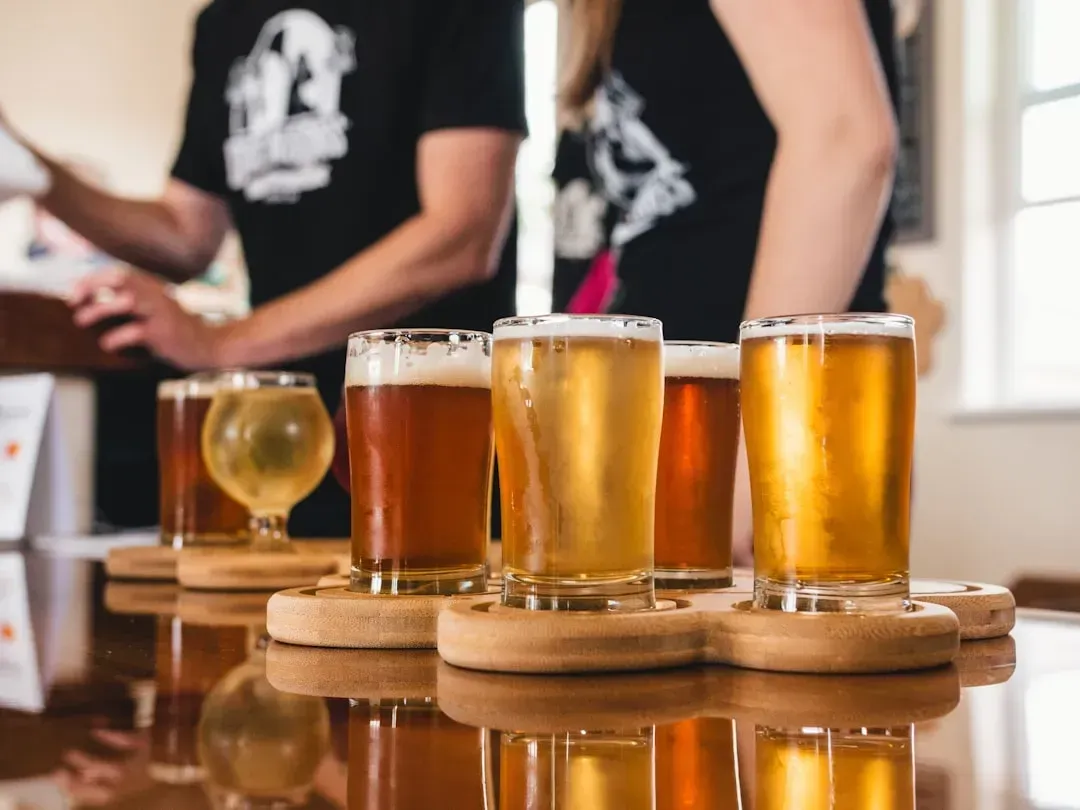
The craft beer and wine walk that rewards patience (Image Credits: Unsplash)
Beer and wine walks have multiplied across small and mid-size cities over the past few years, usually structured as a ticketed crawl between local bars, breweries, and tasting rooms. The format rewards a slower pace than most festivals. You’re not rushing between stages, you’re wandering a few blocks and actually talking to the people pouring your drink.
The best version of this I attended paired local breweries with small food vendors stationed outside each stop, which kept the whole thing from turning into an all-day drinking event. It’s a format built for adults who want a social afternoon without the sensory overload of a full-scale festival. Smaller crowds, shorter lines, and conversations that actually go somewhere.
The outdoor film series that snuck up on everyone
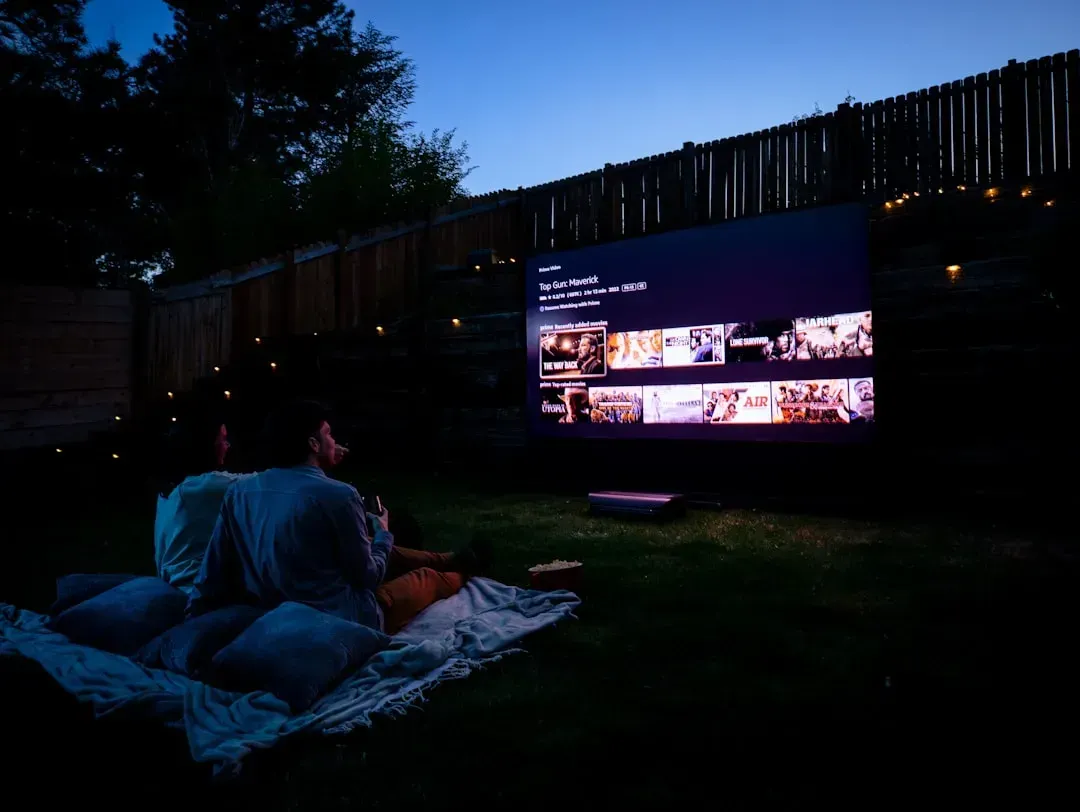
The outdoor film series that snuck up on everyone (Image Credits: Unsplash)
I almost skipped this one, assuming a movie in a park couldn’t compete with everything else on the calendar. It turned out to be one of the most consistently well-attended events of the summer, mostly because it asks so little of you. Bring a blanket, show up around sunset, and you’re set.
What makes these series work is the low barrier to entry. No tickets to track down weeks in advance, no complicated logistics, just a free or cheap night out that families and college students both show up for in equal numbers. It’s become a quiet staple of summer programming in a lot of towns, precisely because it doesn’t try to be a spectacle.
The art and maker's market that outgrew its own space
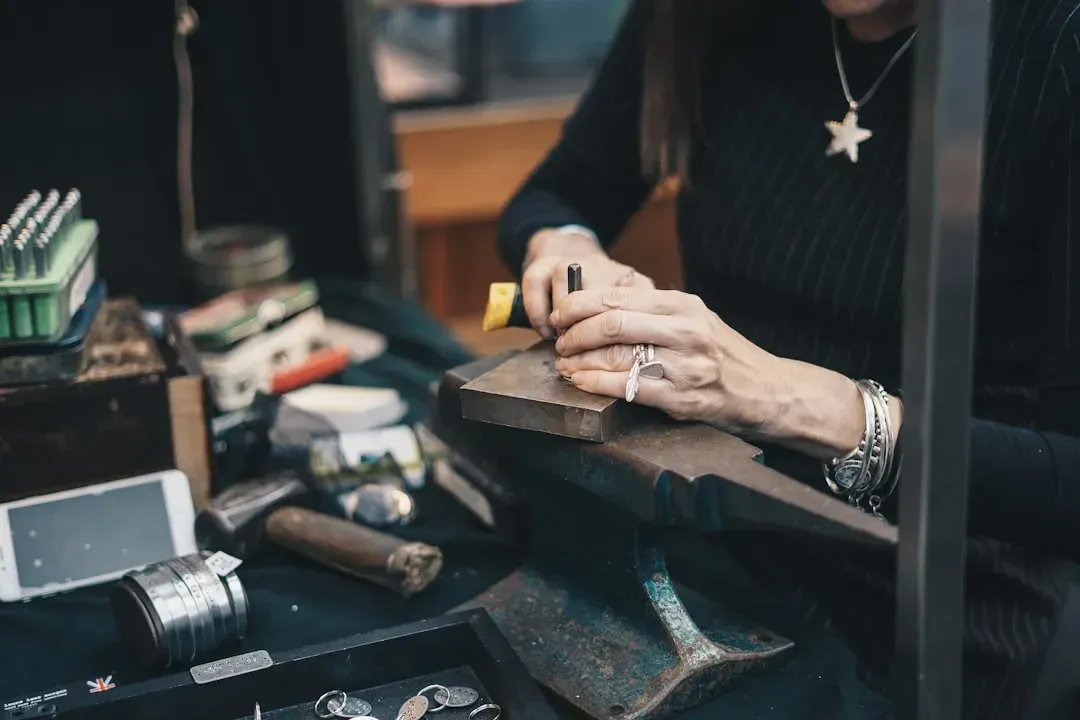
The art and maker's market that outgrew its own space (Image Credits: Unsplash)
Local maker markets have shifted noticeably in the last couple of summers, moving from a handful of craft tables to something closer to a full festival with live music and food vendors folded in. The one I visited had clearly outgrown its original footprint, spilling out of a parking lot and into an adjacent street. That kind of organic growth usually signals real demand, not just good marketing.
The appeal here is specific. You’re not buying festival merchandise made overseas, you’re talking directly to the person who made the ceramic mug or the hand-poured candle in front of you. That direct connection between maker and buyer is rare at bigger events, and it’s probably why this market has kept expanding while staying genuinely personal.
The multicultural heritage festival that had the best food variety
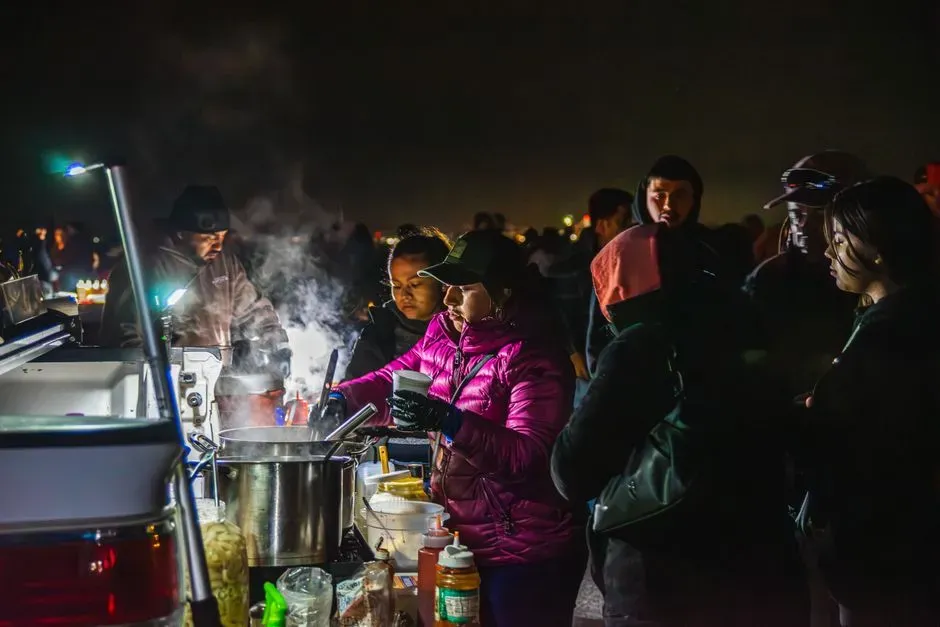
The multicultural heritage festival that had the best food variety (Image Credits: Pexels)
Heritage and cultural festivals tend to get less attention in mainstream festival coverage, which is a shame because they consistently had the most interesting food and performances of the whole summer. These events are usually organized by community groups rather than commercial promoters, and that difference shows in the programming. Traditional dance, live music from touring cultural performers, and food stalls run by families rather than franchise vendors.
The energy at these festivals felt different too, less transactional and more communal. People weren’t just there to consume an experience, they were celebrating something specific to their own history and passing it on to kids who came along. It’s the kind of event that benefits enormously from good weather and word of mouth, and this summer both cooperated.
The fireworks finale that closed out the season
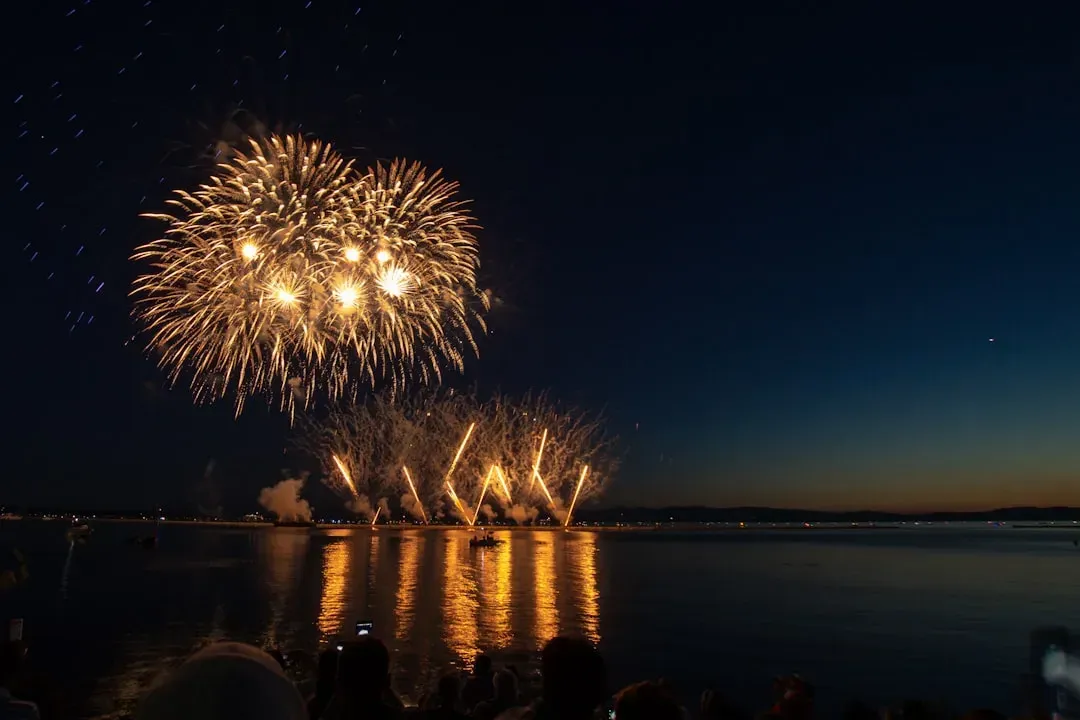
The fireworks finale that closed out the season (Image Credits: Unsplash)
Every festival summer needs a proper ending, and the closing fireworks show over the local waterfront filled that role well. It’s less a “festival” in the traditional sense and more a communal gathering, blankets and lawn chairs spread across every available patch of grass for hours before a fifteen minute show. The anticipation is honestly half the fun.
What surprised me was how many people treated it as a reunion of sorts, running into neighbors and old coworkers they hadn’t seen since the last big outdoor event. After nine weekends of festivals with vendors, ticket lines, and schedules to follow, ending the season with something free, simple, and entirely without an agenda felt right. No booths to browse, no lineup to plan around, just a shared moment looking up at the sky.
Final thoughts
Final thoughts (Image Credits: Pexels)
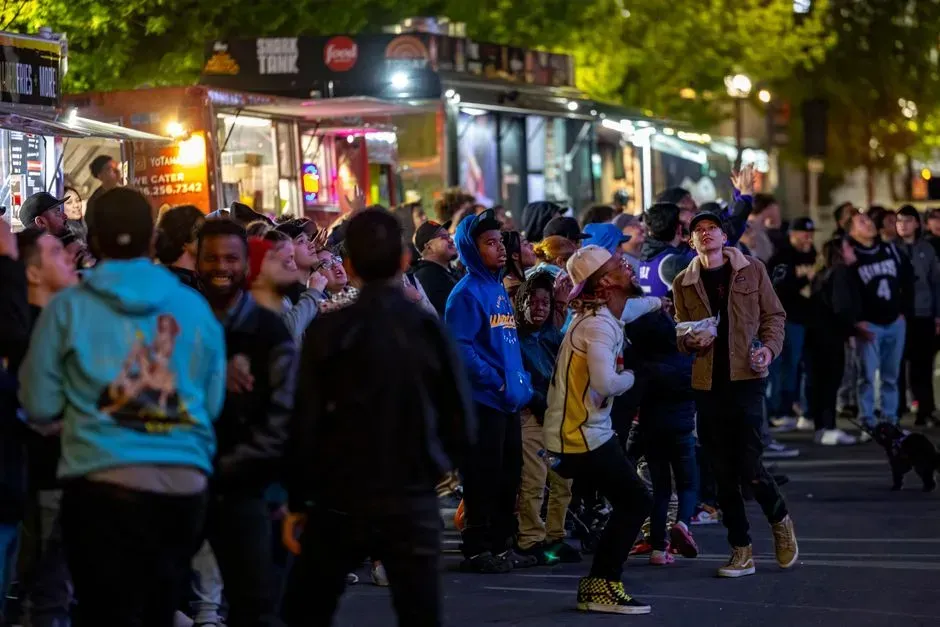
If I had to name an overall winner, it wouldn’t be the biggest or flashiest event on this list. The food truck festival and the multicultural heritage festival ended up being the two I’d go out of my way to attend again, mostly because both delivered something the bigger festivals couldn’t: genuine surprise and a real connection to the people running the show.
The mega festivals are worth experiencing at least once for the scale alone, but the smaller, community-driven events are where the actual character of a summer lives. Next year I’ll probably try to hit even more of them, though I suspect my feet will have opinions about that plan long before my calendar does.