
Joining a new community, whether it's a neighborhood, an online group, a coworking space, or a local club, feels exciting at first. People show up eager, hopeful, and ready to belong. Yet somewhere between the initial enthusiasm and the point where things start to feel routine, a lot of newcomers stumble into the same avoidable trap.
Trying to do everything at once

Trying to do everything at once (Image Credits: Pexels)
New members often think the fastest way to belong is to say yes to every event, every committee, and every volunteer request. It feels productive, but it usually backfires because burnout sets in long before real relationships have formed. Spreading yourself thin in the first few months means you rarely get deep enough with any one group of people to actually feel known.
Community researchers who study social groups and volunteer organizations have long noted that consistent, narrower involvement builds stronger bonds than scattered, broad participation. Showing up reliably to one or two things matters more than appearing everywhere once. The people who last in a community tend to be the ones who paced themselves early rather than sprinting toward burnout.
Waiting to be noticed instead of reaching out

Waiting to be noticed instead of reaching out (Image Credits: Unsplash)
Many newcomers assume that if they just show up consistently, someone will eventually approach them. In practice, established members are often busy with their own routines and don’t always notice new faces the way newcomers hope. This passive approach can stretch a person’s “adjustment period” far longer than necessary.
Taking the first step, introducing yourself, asking a question, or simply sitting next to someone new, shortens that gap dramatically. Small, low-stakes initiations tend to build comfort faster than waiting for an invitation that may never come. It’s a simple shift in mindset, but it changes the entire trajectory of the first year.
Comparing the community to an idealized past experience
Comparing the community to an idealized past experience (Image Credits: Unsplash)
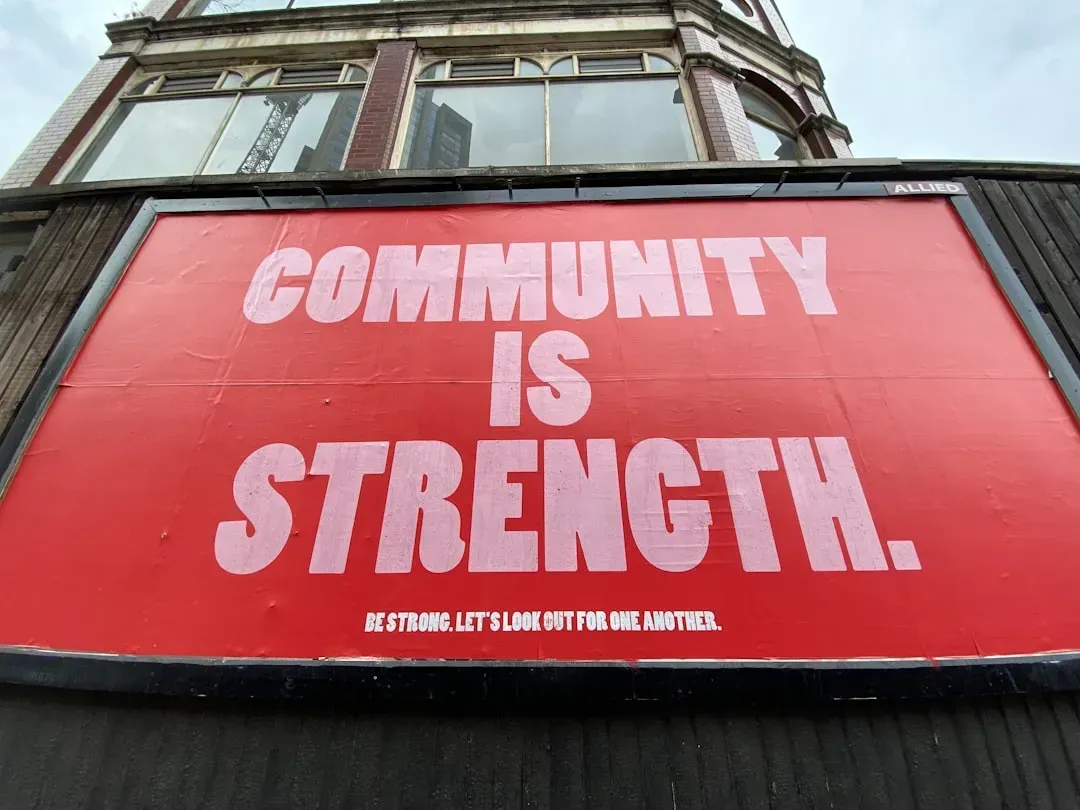
People who’ve had a great community experience before, a college dorm, an old job, a childhood neighborhood, often measure the new group against that memory. This sets an unfair standard, since those older bonds usually took years to build, not weeks. Comparing a brand-new group to a fully matured one almost guarantees disappointment.
Every community has its own rhythm and culture that takes time to understand. Judging it too early, based on a nostalgic benchmark, can cause people to give up before the group has had a fair chance to develop. Patience matters here more than people expect going in.
Assuming online interaction is enough

Assuming online interaction is enough (Image Credits: Pexels)
With so many communities now hybrid or fully digital, it’s easy to assume that liking posts, commenting, or attending virtual meetups covers the bases. Digital interaction does help maintain connection, but it rarely replaces the depth that comes from in-person or synchronous engagement. Text-based exchanges can feel warm in the moment yet leave surprisingly little lasting impression.
Communities that blend online and offline touchpoints tend to retain members longer than those relying on one format alone. If a group offers even occasional in-person gatherings or live calls, showing up to those matters disproportionately. Skipping them in favor of scrolling through a feed is one of the quieter reasons people feel disconnected despite technically being “active.”
Underestimating how long trust actually takes

Underestimating how long trust actually takes (Image Credits: Pexels)
New members sometimes expect real trust and vulnerability to develop within a few weeks, especially if the group feels welcoming on the surface. Genuine trust, the kind where people share honestly or lean on each other for support, usually takes months to build, not days. Expecting instant closeness sets people up to feel let down when things stay surface-level for a while.
This doesn’t mean the community is failing; it just means human relationships follow a slower, more layered timeline than a first impression suggests. Recognizing that timeline early prevents the discouragement that leads many people to quietly drift away around month two or three. Staying past that early plateau is often when things actually start to click.
Focusing only on the leaders or most visible members

Focusing only on the leaders or most visible members (Image Credits: Pexels)
It’s natural to gravitate toward the person running the group or the loudest, most confident voices in the room. But newcomers who only build rapport with leadership often miss out on the wider web of peer relationships that make a community feel sturdy. Leaders are busy by nature, and relying on them for connection puts too much weight on too few people.
The members who feel most embedded after a year are usually the ones who built horizontal relationships, peer to peer, rather than just vertical ones aimed upward. Spreading attention across a handful of regular members, not just the visible face of the group, creates a stronger, more resilient sense of belonging over time.
Not asking questions about unwritten norms

Not asking questions about unwritten norms (Image Credits: Pexels)
Every community has its own unspoken rules: how disagreements are handled, what topics are welcome, how humor works, when to speak up and when to listen. New members often try to guess these norms rather than simply asking, which can lead to small misunderstandings that feel bigger than they are. A single awkward moment, left unaddressed, can quietly shape someone’s whole first impression.
Asking a trusted member directly, “how do things usually work here?”, saves months of guesswork. Groups that have thought through onboarding, mentorship pairings or simple welcome guides, tend to see newcomers integrate faster and with fewer avoidable friction points. Curiosity, more than caution, tends to serve new members best in this stage.
Treating disagreements as reasons to leave

Treating disagreements as reasons to leave (Image Credits: Pexels)
First-year members sometimes interpret the earliest conflict or awkward exchange as proof the community isn’t a good fit. In reality, some friction is a normal part of any group finding its footing with a new person. Leaving at the first sign of tension often means missing the resolution that would have deepened the relationship.
Long-standing communities almost always have members who describe an early rough patch that, in hindsight, became a turning point rather than a red flag. Learning to sit with minor discomfort, rather than treating it as a dealbreaker, is part of what separates people who stay from people who quietly disappear.
Neglecting to contribute something personal early on
Neglecting to contribute something personal early on (Image Credits: Pexels)
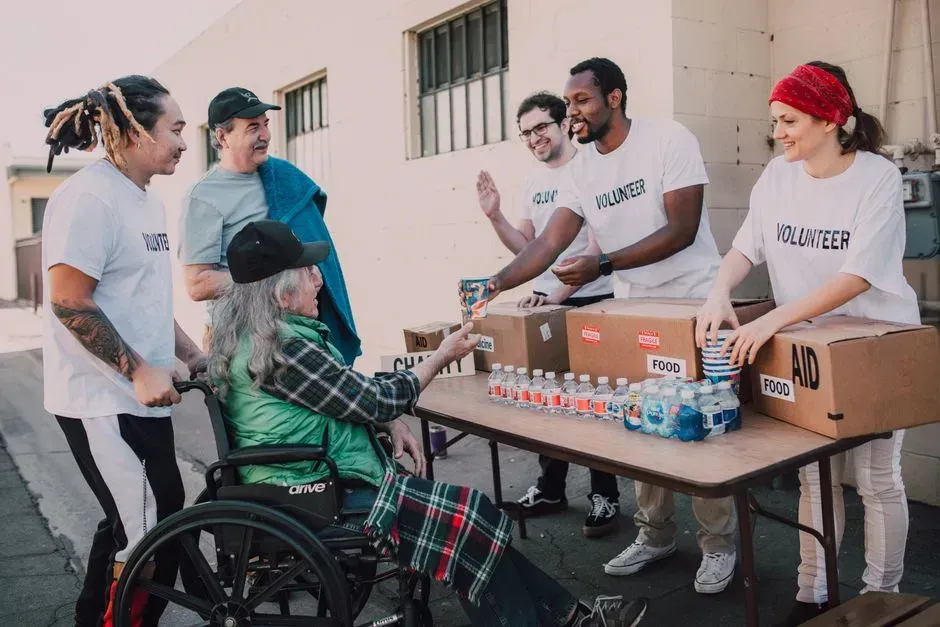
New members sometimes hold back their skills, opinions, or personality until they feel fully “accepted,” worried about overstepping. But communities tend to remember and value people who contribute something, however small, early in their membership. Waiting too long to offer input can make someone feel more like an observer than a participant, even a year in.
This doesn’t require grand gestures. Offering a useful resource, volunteering for a small task, or sharing a relevant piece of expertise early signals genuine investment. Communities, like most social systems, tend to reciprocate energy, so people who give a little early on often receive a lot more belonging in return.
Measuring belonging by attendance instead of relationships
Measuring belonging by attendance instead of relationships (Image Credits: Pexels)
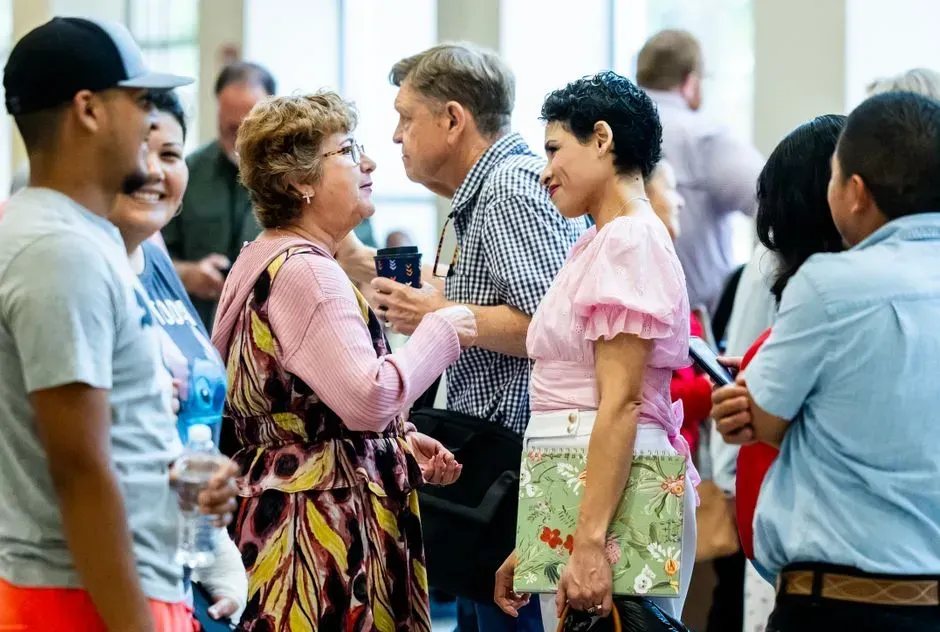
It’s common for newcomers to track their sense of belonging by counting how many events they’ve attended, assuming frequency equals connection. But showing up without engaging meaningfully rarely produces the sense of community people are actually looking for. Attendance is a starting point, not the finish line.
The stronger predictor of long-term belonging is the number of individual relationships someone has built, not the number of meetings they’ve sat through. A member who knows three people well after a year is usually more embedded than one who has attended twenty events but remains largely anonymous. Shifting the focus from participation numbers to actual relationships changes how the entire first year feels.