
Somewhere between the school drop-off, the meal planning, and the nightly negotiation over screen time, a lot of parents quietly stop checking in with themselves. It's not dramatic. There's no single bad day that triggers it. Instead, it creeps in through a thousand small moments where you push your own needs to the bottom of the list because someone else's needs always feel more urgent.
Researchers who study parental burnout describe it as a slow accumulation of stress that outpaces the resources a parent has to cope with it. A recent Ohio State University survey found that more than half of parents nationwide self-reported burnout, and a separate study of working parents put that figure even higher. What makes this particularly tricky is that many parents don't recognize the signs until they've been running on empty for months.
1. You feel tired even when you've technically rested

1. You feel tired even when you've technically rested (Image Credits: Unsplash)
This isn’t the kind of tired that a good night’s sleep fixes. Parental burnout researchers Isabelle Roskam and Moïra Mikolajczak identify overwhelming exhaustion as the first and most defining symptom of the condition, describing it as a state where parents feel emotionally drained by the role itself, not just by lack of sleep. You could get eight hours and still wake up dreading the day ahead.
This type of fatigue tends to be cumulative. It builds over weeks or months of chronic parenting stress rather than appearing after one hard night. If rest no longer restores you, that’s worth paying attention to rather than brushing off as normal parenting fatigue.
2. You've started feeling emotionally distant from your kids

2. You've started feeling emotionally distant from your kids (Image Credits: Pexels)
One of the quieter signs of burnout is a kind of emotional flatness toward your own children. Researchers describe this as emotional distancing, a symptom where parents go through the motions of caregiving without the warmth or connection that used to come naturally. You might notice you’re physically present but mentally checked out during bedtime stories or dinner conversations.
This distancing isn’t a reflection of how much you love your kids. It’s more a protective response from a nervous system that’s been under sustained pressure for too long. Parents rarely admit this one out loud, which is part of why it goes unnoticed for so long.
3. You barely recognize the parent you've become

3. You barely recognize the parent you've become (Image Credits: Unsplash)
Burnout researchers point to a specific symptom they call contrast, a growing gap between the parent you used to be and the one you are now. You might remember being more patient, more playful, or more present, and wonder where that version of you went. This sense of losing yourself is one of the four core features of parental burnout identified in the foundational research from Roskam and colleagues.
It can feel disorienting, almost like watching yourself from the outside. That disconnect is a signal, not a personal failing. It tends to show up specifically when the demands of parenting have outpaced the support and rest a person has access to.
4. Small things set off a disproportionate reaction
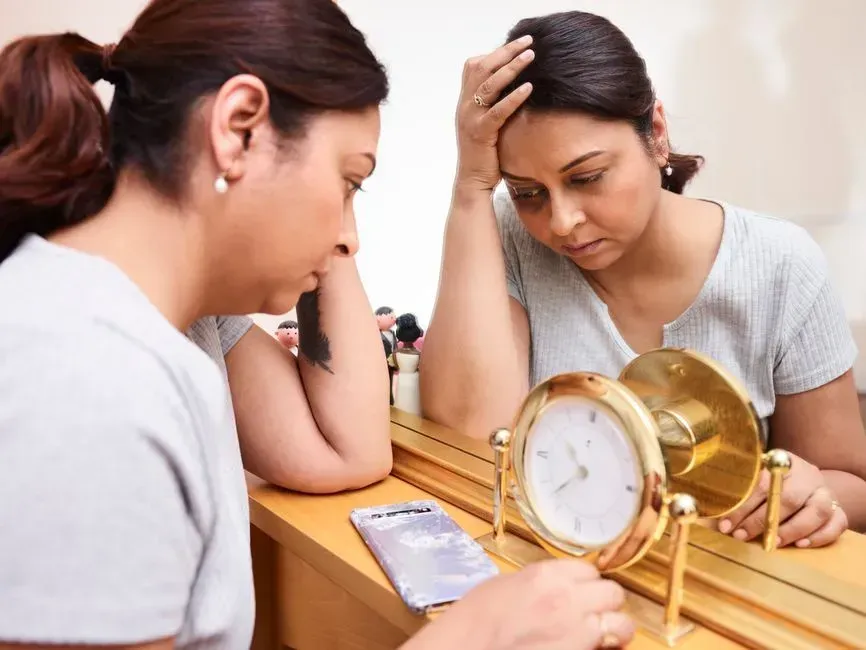
4. Small things set off a disproportionate reaction (Image Credits: Pexels)
Spilled juice. A misplaced shoe. A kid asking “why” for the fifth time in a row. When burnout is building, these ordinary moments can trigger a level of irritability that feels out of proportion to what’s actually happening. This isn’t about being a short-tempered person. It’s about a stress system that no longer has any slack left in it.
The pattern tends to be cyclical. A snapped response leads to guilt, guilt adds more emotional weight, and that extra weight makes the next small trigger even harder to absorb. Over time this cycle can quietly erode a parent’s confidence in their own patience.
5. You feel like nothing you do is ever quite good enough

5. You feel like nothing you do is ever quite good enough (Image Credits: Pexels)
This is where the “perfect parent” trap really tightens its grip. The Ohio State study found that parental burnout is strongly associated with internal and external expectations, including whether a parent feels they’re doing a good job and how judged they feel by others. Perfectionism, in other words, isn’t a harmless personality quirk here. It’s a documented risk factor.
Researchers examining the theoretical framework behind parental burnout list parental perfectionism specifically as a factor that increases the chronic stress underlying the condition. When every parenting decision feels like a test you might fail, the bar for “good enough” keeps rising just out of reach.
6. You're constantly measuring yourself against other parents

6. You're constantly measuring yourself against other parents (Image Credits: Pexels)
Social feeds full of color coded lunches, elaborate birthday parties, and effortless looking family outings can quietly reinforce the sense that everyone else has this figured out. That comparison habit feeds directly into the perceived judgment component that researchers link to burnout. It’s rarely accurate, but it’s persistent.
The comparisons don’t have to be conscious to do damage. A quick scroll before bed can leave a residue of inadequacy that lingers into the next day’s parenting decisions. Noticing when this happens is often the first step to loosening its grip.
7. You've quietly given up things you used to enjoy

7. You've quietly given up things you used to enjoy (Image Credits: Unsplash)
Hobbies, friendships, exercise, even simple downtime often get sacrificed first when parenting demands increase. This isn’t always a conscious decision. It happens gradually, one skipped outing or canceled plan at a time, until there’s very little left outside of caregiving and work.
The theoretical model of parental burnout describes this as a resource depletion problem, where the things that normally recharge a person get crowded out entirely. Without personal outlets or replenishing activities, the imbalance between demands and resources tends to widen rather than close on its own.
8. Your body is sending signals you've been ignoring

8. Your body is sending signals you've been ignoring (Image Credits: Pexels)
Headaches that won’t quit, stomach issues, changes in appetite, or trouble falling asleep even when you’re exhausted are common physical manifestations of chronic parenting stress. A study on working parents found that burnout was significantly correlated with parents’ own history of anxiety and depression, and researchers have noted that three-quarters of parents with a personal history of anxiety reported experiencing burnout.
These physical symptoms often show up before a parent consciously acknowledges the emotional toll they’re under. The body, in a sense, keeps score long before the mind admits there’s a problem.
9. You feel guilty for wanting time alone
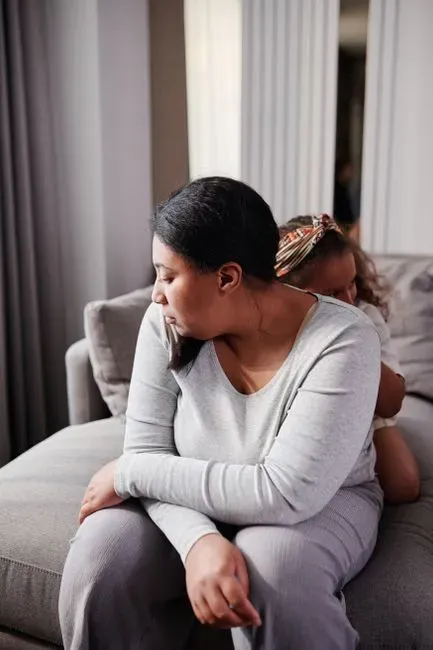
9. You feel guilty for wanting time alone (Image Credits: Pexels)
Wanting an hour to yourself shouldn’t feel like a moral failing, yet for many parents caught in the perfectionism trap, it does. This guilt often stems from an internalized belief that a good parent should always be available, always patient, always present. That belief, while understandable, is also one of the exact demands researchers point to as unsustainable over time.
Needing rest isn’t a sign that you’re failing at parenting. It’s a basic requirement for sustaining it. Parents who suppress this need repeatedly tend to see their reserves shrink faster than those who allow themselves regular breaks.
10. You're going through the motions on autopilot

10. You're going through the motions on autopilot (Image Credits: Pixabay)
Making lunches, driving to practice, answering the same questions, all without really being present for any of it, is a subtle but telling sign of burnout. This kind of detachment can feel efficient in the moment, even protective, but it often leaves parents feeling disconnected from the very relationships they’re trying to maintain. Over time, autopilot parenting can become the default mode rather than an occasional coping mechanism.
This pattern tends to intensify quietly. Because the daily tasks still get done, it’s easy to mistake this disengagement for simply being busy rather than recognizing it as a warning sign. The tasks get checked off, but the connection underneath them starts to fade.
11. You've pulled back from your partner or support system

11. You've pulled back from your partner or support system (Image Credits: Pexels)
Burnout doesn’t just affect the parent child relationship. It often spills into partnerships and friendships too, as exhausted parents withdraw from conversations, intimacy, or requests for help. Research has linked parental burnout to increased marital conflict, partly because there’s simply less emotional bandwidth left to invest in adult relationships once parenting demands consume most of it.
This isolation can become self-reinforcing. Less connection with a partner or friends means less support, which in turn makes the underlying burnout harder to address. Rebuilding those connections, even in small ways, is often one of the more effective steps toward recovery.
Recognizing these signs isn’t about assigning blame or adding another item to an already long list of parenting worries. It’s simply about noticing when the gap between what’s being asked of you and what you have left to give has grown too wide. Parental burnout is a documented, researched condition, not a personal shortcoming, and acknowledging it is usually the first real step toward closing that gap.