
Home shopping in 2026 still feels like sticker shock for a lot of buyers, even with mortgage rates easing slightly from their recent peaks. Prices in some corners of the country have simply detached from what local paychecks can reasonably support, and the gap keeps showing up in national housing data. Below is a look at nine metro areas where the math between income and home cost has stopped making sense for the average household.
1. Kahului-Wailuku-Lahaina, Hawaii

1. Kahului-Wailuku-Lahaina, Hawaii (Image Credits: Pexels)
This Maui metro area consistently tops national rankings as the single most overvalued housing market in the country. According to the Kahului MSA is the most overvalued market for both buying and renting, with rents outpacing local incomes. The math is brutal for locals, since wages in the tourism and service sectors rarely keep pace with vacation-driven demand.
Rents have actually cooled a bit from their highs, which offers a sliver of relief. Data shows that after reaching a peak of over $4,100 per month earlier in 2024, asking rents have since fallen by about 10% to $3,680. Even so, that figure remains far above what a typical local salary can comfortably absorb.
2. Los Angeles, California

2. Los Angeles, California (Image Credits: Unsplash)
Los Angeles keeps showing up near the top of overvalued lists year after year, and 2026 is no exception. Reports note that Los Angeles is one of five West Coast metros atop the list of most overvalued housing markets in the US right now. Wildfire damage in recent years has only tightened supply in certain neighborhoods, pushing prices higher for whatever inventory remains.
The destruction from those fires continues to ripple through the market. Analysts have warned that the loss of an estimated 12,000 structures in the recent Los Angeles area fires will only exacerbate the high costs for both buyers and renters. That combination of scarcity and demand keeps the city firmly in overpriced territory.
3. San Diego, California
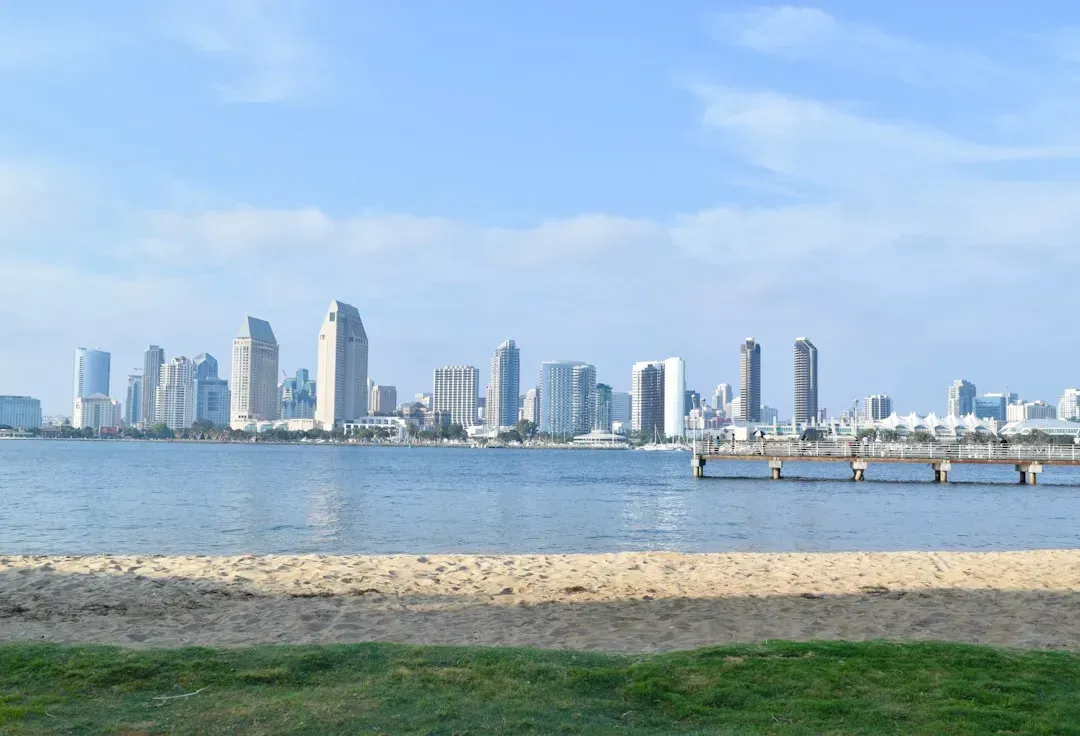
3. San Diego, California (Image Credits: Unsplash)
San Diego has quietly become one of the toughest markets for average earners to break into. A tight housing shortage means that a housing shortage and prices rising faster than wages have turned a recently relatively affordable Southern California standby into a place where average income earners are essentially squeezed out of the market. It is a shift from just a few years ago, when San Diego was still seen as a relative bargain next to Los Angeles.
The city’s appeal, from its coastline to its job market, keeps pulling in buyers who are willing to stretch their budgets. That steady demand, paired with limited new construction, has kept prices climbing even as affordability worsens. For many local families, homeownership here now requires two solid incomes and a fair amount of luck on timing.
4. San Jose, California
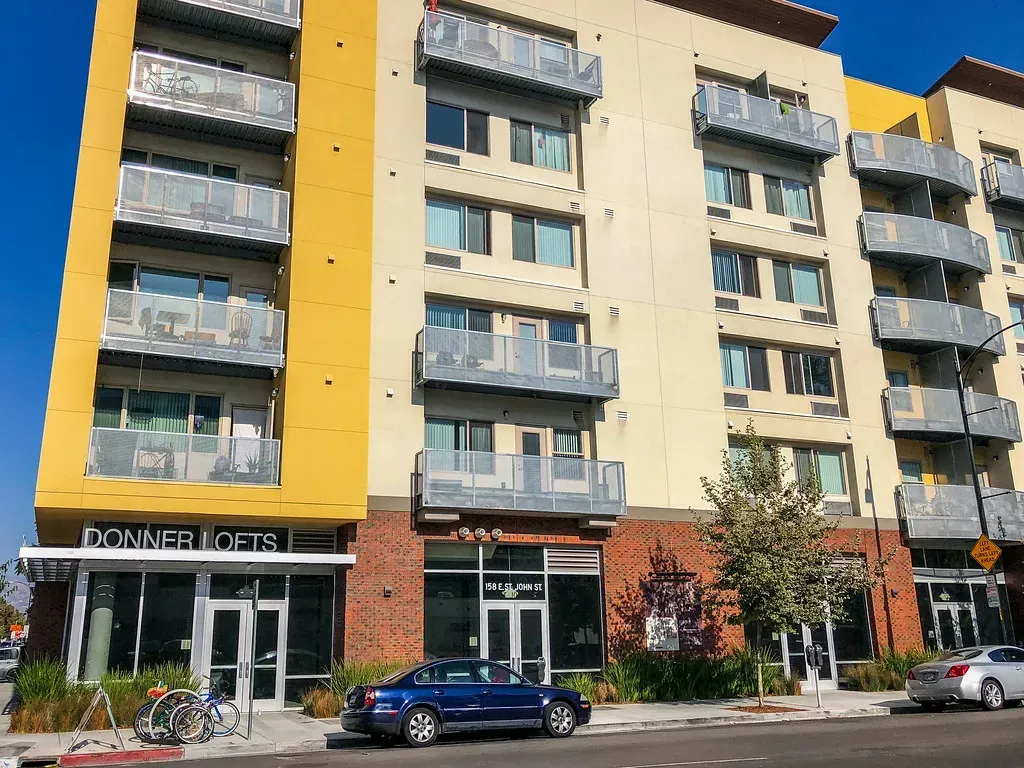
4. San Jose, California (willbuckner, Flickr, <a href="https://creativecommons.org/licenses/by/2.0/" target="_blank" rel="noopener">CC BY 2.0</a>)
San Jose sits at the heart of Silicon Valley, and its housing costs reflect that concentration of high tech wealth. The metro regularly appears among the priciest coastal California markets that analysts flag as overvalued relative to typical household income. Even with strong local salaries, the price-to-income math here is stretched thinner than almost anywhere else in the country.
What keeps San Jose on this list year after year is a familiar combination of restrictive zoning, limited land, and a steady stream of high earning tech workers competing for the same modest inventory. Older, smaller homes routinely sell for prices that would buy a mansion in much of the country. That dynamic shows little sign of easing, even as some tech hiring has slowed.
5. San Francisco, California
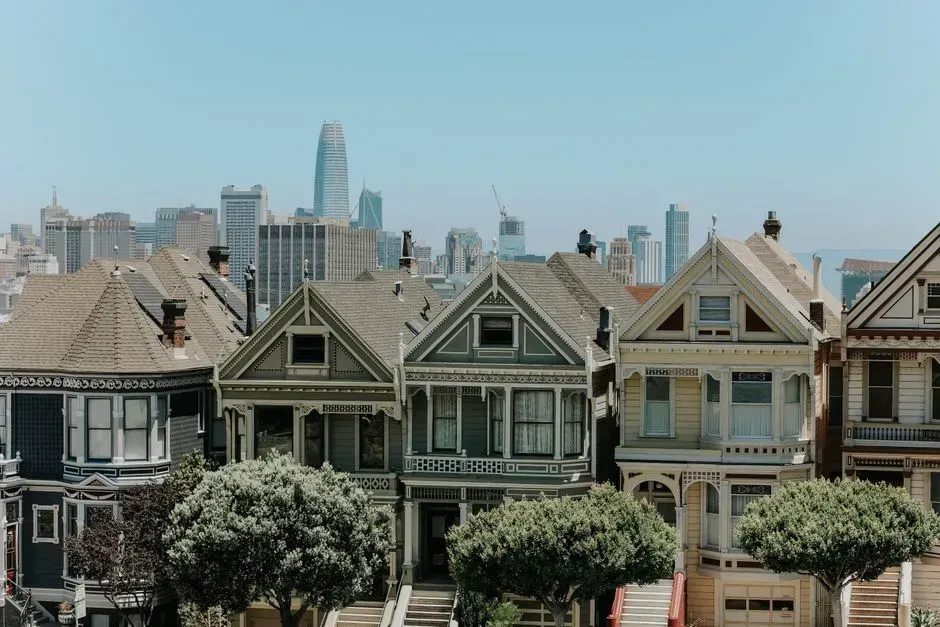
5. San Francisco, California (Image Credits: Pexels)
San Francisco has long carried a reputation as one of the most expensive places to buy a home in America, and recent numbers back that up. Data shows the median sale price for a home in San Francisco is around $1.5 million, which is a 7.6% increase year over year. That kind of price tag puts the city well beyond what most American households could ever finance.
Local wages help explain why the market keeps functioning at these levels. The city benefits from the fact that the median household income is close to $140,000, which is nearly double that of the national average. Still, even with those elevated incomes, San Francisco remains one of the clearest examples of a market priced for a narrow slice of high earners rather than the general public.
6. Honolulu, Hawaii
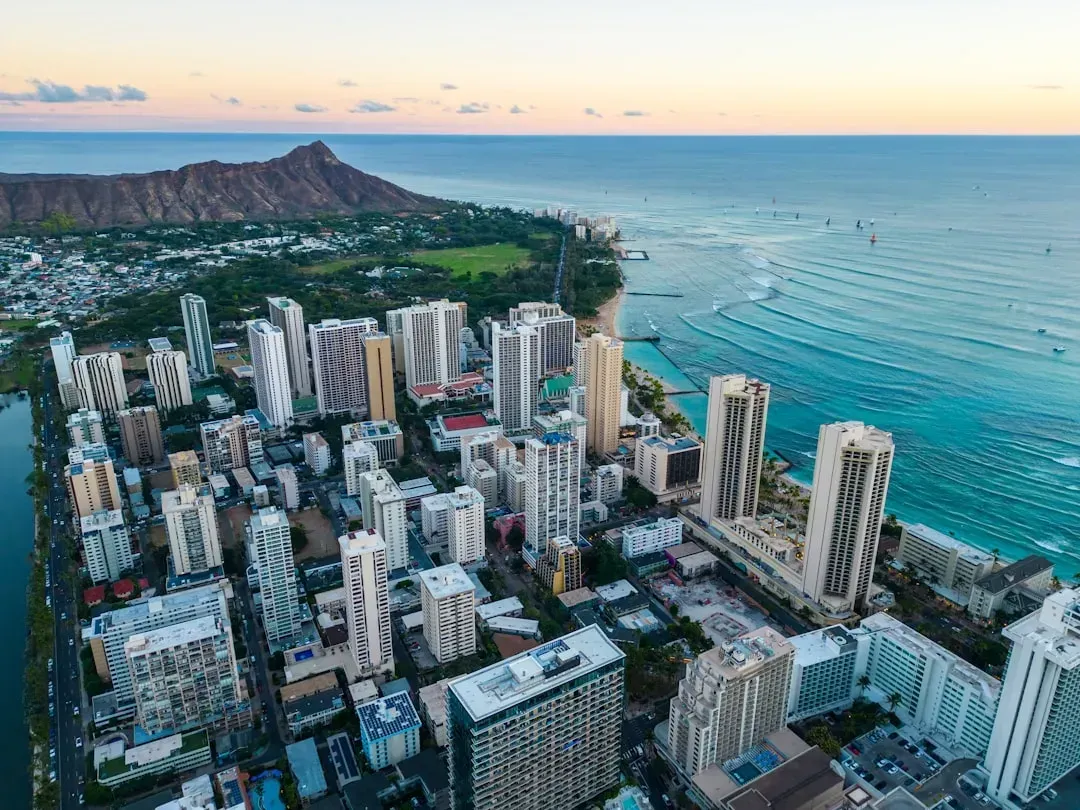
6. Honolulu, Hawaii (Image Credits: Unsplash)
Honolulu shares many of the same pressures as Maui, driven by limited land, high construction costs, and constant demand from both mainland buyers and tourists. Recent figures put the median home price at $688,000 in October 2024, which marks a 7.5% increase from the previous year. For a metro where local median incomes are far below mainland tech hubs, that price growth stings even more.
Sales activity has stayed brisk despite the cost, which tells its own story about buyer demand. Around this same period, 278 homes were sold in October, which is a sharp month-over-month increase of 16.3%. That kind of turnover, paired with rising prices, suggests the market is still absorbing buyers who are willing to pay a premium for island living.
7. Seattle, Washington
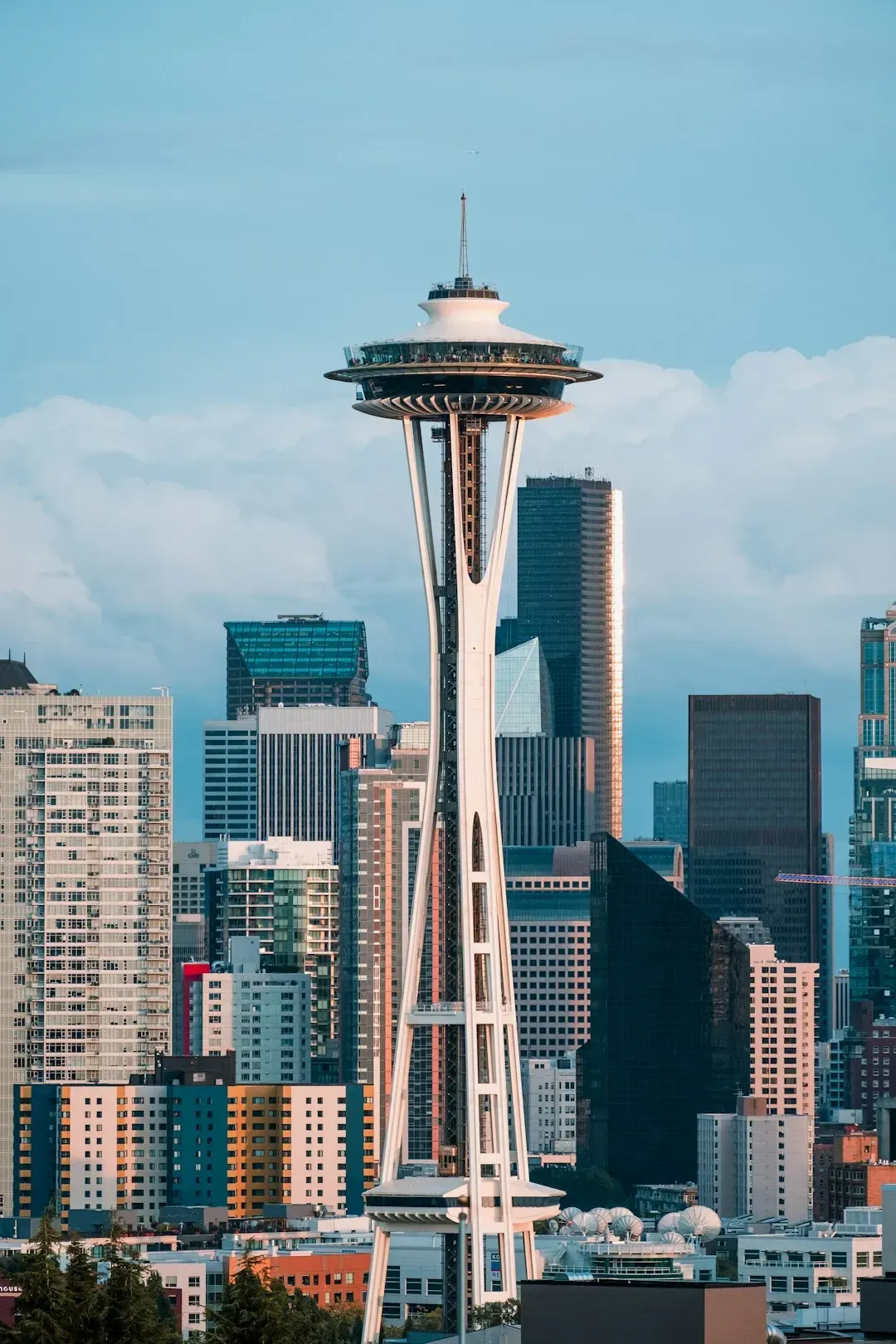
7. Seattle, Washington (Image Credits: Unsplash)
Seattle has become a fixture on lists of the country’s most overvalued places to buy a home. Housing analysts point out that the most overvalued markets to purchase a home tend to be located in high-priced vacation home markets in Hawaii, in both coastal and inland California markets, Seattle and New York City. Tech industry wages have historically supported these prices, but that support has grown shakier as hiring in the sector cools.
Buying a home in Seattle also tends to cost noticeably more than renting one, which is its own warning sign. Reports note that buyers pay a steep premium in markets that include Hawaii as well as MSAs in California, Washington, Utah, Oregon and Colorado when comparing purchase costs to rental costs. That gap suggests ownership in Seattle remains priced for buyers expecting significant future appreciation rather than simple affordability.
8. Boise, Idaho
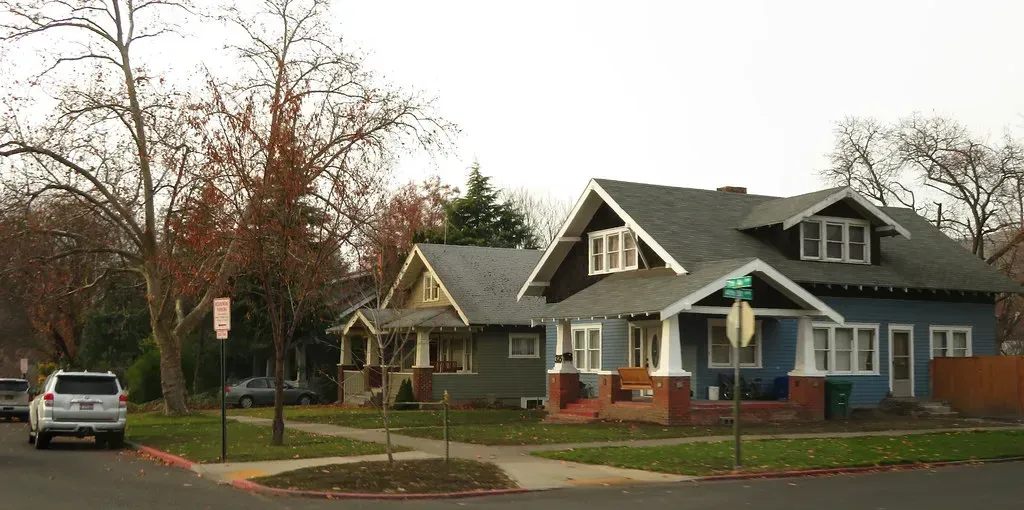
8. Boise, Idaho (Ken Lund, Flickr, <a href="https://creativecommons.org/licenses/by-sa/2.0/" target="_blank" rel="noopener">CC BY-SA 2.0</a>)
Boise’s transformation from a quiet regional city to a national real estate story is well documented at this point. The metro remains one of the least affordable markets for middle income buyers, and a recent analysis found that the availability of affordable listings has either declined over the past year or remains more than 20 percentage points below what we would consider a balanced market in Boise and a handful of other major metros. That kind of persistent gap is exactly what keeps a market labeled as overpriced.
Current pricing data shows the market has cooled slightly but remains historically expensive. The average home price in the metro sat at $536K last month, up 4.6% since last year. That is a far cry from pre pandemic norms, when Boise was still considered one of the more affordable mid sized cities in the West.
9. Santa Maria, California

9. Santa Maria, California (Image Credits: Unsplash)
Santa Maria might not carry the national name recognition of Los Angeles or San Francisco, but recent data suggests it has become one of the most overpriced listing markets in the entire country. A financial analysis found that homes are listing for more than $600,000 over their average value in this coastal Central California community. That is a striking gap between what a home is technically worth and what sellers are actually asking for it.
The findings come from a broader study covering the largest housing markets nationwide. Researchers examined where homes are being listed for more than the area’s typical home value, meaning they could be overpriced, comparing average home values against median list prices across two hundred metro areas. Santa Maria stood out as the most extreme example, even among a long list of markets where asking prices have drifted well past underlying value.
What This Means for Buyers Right Now
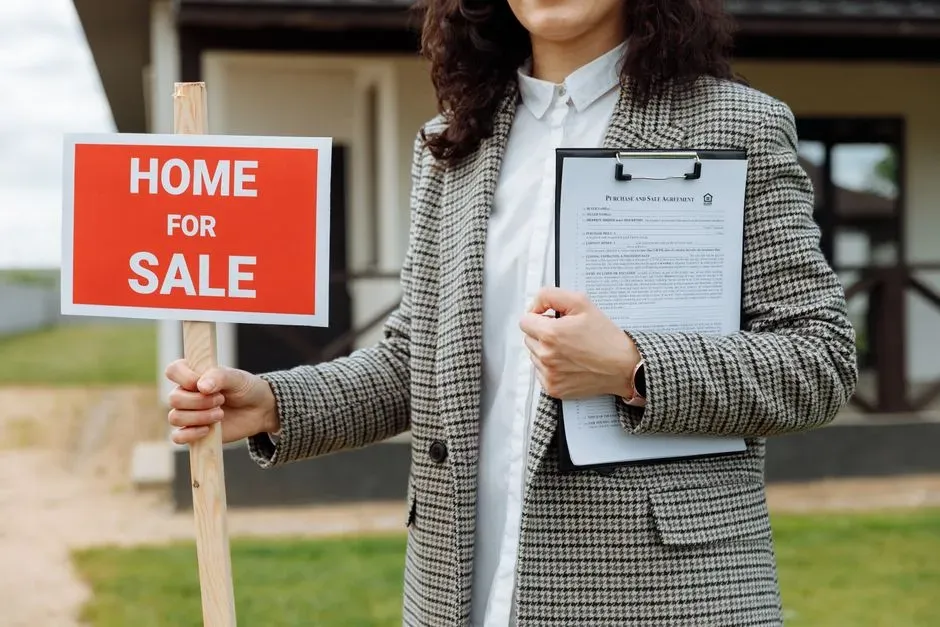
What This Means for Buyers Right Now (Image Credits: Pexels)
None of these markets exist in isolation from the broader national picture, which itself remains sluggish by historical standards. Existing home sales data shows sales of previously occupied U.S. homes were actually flat in April, edging up 0.2% to a seasonally adjusted annual rate of 4.02 million units. That pace has held steady for a while now, since sales have been hovering close to a 4-million annual pace going back to 2023, far short of the historic norm that is closer to 5.2 million.
Buyers in any of these nine metros would do well to lean on the basics before signing anything. Checking how long a listing has sat on the market, comparing it against similar homes nearby, and paying close attention to the property’s actual condition during a tour can all reveal whether a price tag matches reality or simply reflects a seller’s optimism. In markets already stretched this thin, that extra bit of homework matters more than ever.