
Family relationships rarely come with a manual, and most parents do the best they can with what they know at the time. Still, when adult children look back on their upbringing, certain patterns tend to surface again and again in conversations, research interviews, and therapy sessions. These reflections are not usually about blame. Instead, they point to specific moments where a small shift in approach might have changed the whole shape of a relationship.
The topic has become especially relevant lately, as researchers have started paying closer attention to why so many adult children distance themselves from parents. A 2023 study published in the Journal of Marriage and Family looked at a nationally representative sample of parents, including thousands of mothers and fathers, to determine estrangement rates according to gender, race, and sexuality. What emerges from this and other research is a fairly consistent list of regrets, wishes, and unmet needs that adult children carry with them long after they’ve left home.
1. Listening More and Lecturing Less
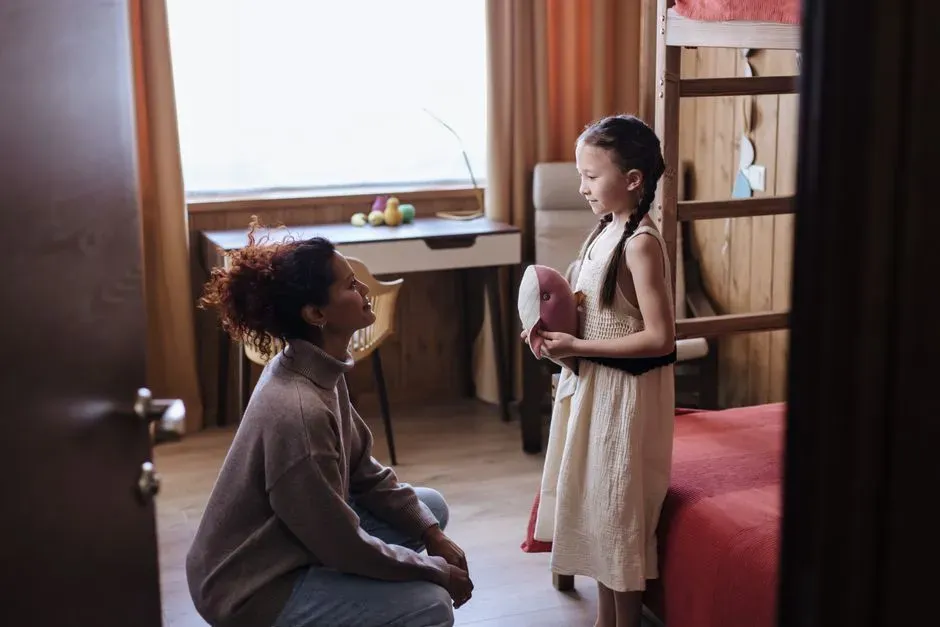
1. Listening More and Lecturing Less (Image Credits: Pexels)
One of the most common wishes among adult children is that their parents had simply listened instead of jumping straight to advice or correction. Many describe wishing their feelings had been acknowledged instead of dismissed, and wishing they had been taken seriously rather than told to comply simply because a parent said so. That dynamic often left people feeling unheard well into adulthood, even when the parent’s intentions were protective rather than dismissive.
This pattern shows up in modern parenting reflections too, where people who grew up feeling unheard say they now make a point of checking in with their own kids emotionally. One person shared that she constantly asks her own children how they are feeling and whether they want to talk about anything, and explains her decisions so her kids understand her actions rather than simply issuing directives. The shift from lecturing to genuine listening seems to be one of the clearest generational changes parents are consciously trying to make.
2. Making the Kids the Priority, Not an Afterthought

2. Making the Kids the Priority, Not an Afterthought (Image Credits: Unsplash)
A surprising number of adult children describe growing up feeling like they came second to their parents’ careers, romantic relationships, or other obligations. Some recall that their parents didn’t make family a priority, and that work, romantic relationships, and the families of romantic partners almost always came before the children. That kind of ordering, even if unintentional, tends to leave a lasting impression about where a child ranked in the family’s overall picture.
Interestingly, many of these same people say the experience shaped how they parent now. One adult child reflected that as a parent she now sees putting family, and specifically her children, first as a choice that has to be made every single day, and that she reminds herself this foundation matters if she wants a lasting relationship with her own kids in adulthood. Without that intentional effort, she noted, families risk ending up barely interacting once the children grow up.
3. Offering Consistency Instead of Constantly Shifting Rules

3. Offering Consistency Instead of Constantly Shifting Rules (Image Credits: Unsplash)
While it might seem like leniency would make for an easier childhood, plenty of adult children raised with very few rules say they actually wanted more structure. Reflections gathered from adults who grew up with minimal boundaries point to a recurring theme. Many adult children raised by very lenient parents report wishing some things had been different, and while the pattern isn’t universal, several recurring themes appear across research, clinical practice, and personal accounts.
Among the most cited wishes was a desire for predictability. Adult children commonly wished for fewer ambiguous rules and more predictable consequences, explaining that inconsistency produced chronic testing of limits, insecurity about what was actually allowed, and difficulty learning self-control. It’s a reminder that freedom without structure can feel less like trust and more like an absence of guidance, especially in hindsight.
4. Adjusting to the Fact That Adult Children Are No Longer Kids
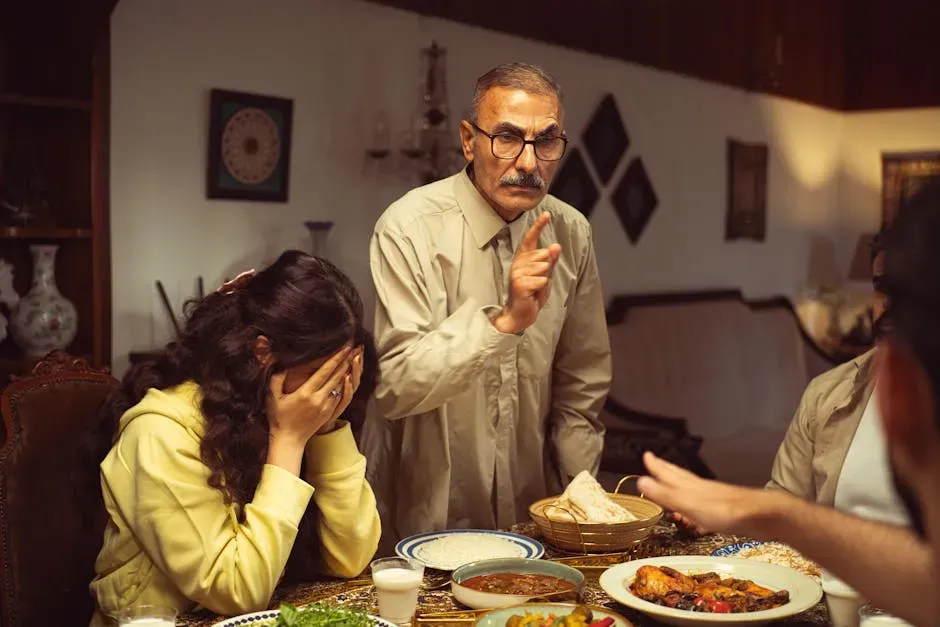
4. Adjusting to the Fact That Adult Children Are No Longer Kids (Image Credits: Pexels)
Family therapists have increasingly pointed out that one of the biggest sources of tension between parents and their grown children is a failure to update the relationship’s power dynamic. Even parents who used child-led strategies once held significant power over decisions like curfews, finances, holiday plans, and even outfit choices, and psychologists note there is a clear delineation of power in parent-child relationships when the child is a minor. The problem arises when that same dynamic continues unchanged after the child has grown into an independent adult.
Adult children frequently describe wanting parents to recognize that decision-making authority should shift as their children age. When parents continue treating grown sons and daughters the way they treated them at twelve or fifteen, it tends to create friction rather than closeness. Therapists working with families note this is one of the most common relationship dynamics they encourage parents to actively rework as their children mature into their twenties, thirties, and beyond.
5. Respecting Boundaries Around How Grandchildren Are Raised

5. Respecting Boundaries Around How Grandchildren Are Raised (Image Credits: Pexels)
For adult children who are now parents themselves, one persistent frustration is grandparents who override or challenge their parenting decisions. Many grandparents justify overstepping as harmless fun or tradition, without recognizing how it creates confusion for grandchildren and frustration for their own adult children, partly because parenting approaches have evolved based on newer research and understanding. This tension often becomes one of the more persistent sources of strain in three-generation families.
The wish here isn’t for grandparents to disappear from the picture, but to trust the next generation’s judgment. Respecting boundaries around childrearing shows trust in the next generation, and grandparents who support their adult children’s parenting decisions, even when those decisions differ from their own approach, tend to build stronger three-generation relationships where everyone’s role is honored rather than challenged. It’s a subtle but important distinction between offering support and quietly undermining it.
6. Being Willing to Repair Rather Than Avoid Conflict

6. Being Willing to Repair Rather Than Avoid Conflict (Image Credits: Pexels)
A recurring theme among adult children who eventually distanced themselves from a parent is that the estrangement rarely came from one single blowup. Instead, it built slowly over years of unresolved friction. Cultural tropes suggest that adult children estrange in a fit of pique, but that doesn’t actually appear to be the case for most adults estranged from parents, since the decision is usually decades in the making. That timeline suggests that small, repeated ruptures, left unaddressed, can accumulate into something much harder to repair.
Researchers studying estrangement have found that emotional harm during childhood is one of the most frequently cited reasons adult children eventually cut contact. In one study of family estrangement in adulthood, three quarters of participants cited emotional abuse during childhood as a reason they cut off contact with their mothers. Adult children often say they simply wanted their parents to acknowledge hurtful moments and try to make amends, rather than letting resentment quietly pile up over the years.
7. Expressing Warmth and Love More Openly

7. Expressing Warmth and Love More Openly (Image Credits: Pexels)
Perhaps the most fundamental wish adult children express, even amid more specific complaints, is simply wanting to have felt more openly loved. Research into estrangement backs this up directly. Adult children wish their parents were more positive, unconditionally loving, warm, and emotionally close. It’s a strikingly simple request, yet one that seems to be missing in a large number of strained relationships.
Small gestures matter here more than people often assume. One adult child recalled wishing her parents had simply told her they loved her and taken her feelings seriously, rather than relying on authority alone, and said she now makes a point of telling her own children she loves them and explaining her reasoning so they understand where her decisions come from. That kind of emotional openness, repeated consistently over years, appears to be one of the strongest protective factors against the kind of drift that eventually leads to estrangement.
None of this is about assigning blame to parents who, in most cases, were simply parenting the way they were raised themselves. Still, the patterns are worth paying attention to, especially for anyone hoping to build a closer, more resilient relationship with their own children as they grow into adulthood. Listening more, adjusting old power dynamics, offering consistency, respecting boundaries, repairing conflict, and expressing warmth openly are not complicated concepts. Yet taken together, they seem to make the difference between relationships that grow stronger with time and ones that quietly drift apart.
What stands out most in the research is how often these wishes circle back to feeling truly seen and valued, not just cared for in a practical sense. That distinction, subtle as it sounds, may be the real thread connecting all seven of these reflections.