
Teachers spend hundreds of hours a year observing kids, and after a while, patterns start to jump out. A child's handwriting, the way they handle disappointment, how quickly they raise their hand or shrink from a question, all of it tells a quiet story about what happens before and after the school bell rings. Most parents never realize how visible their daily habits actually are once their child walks through a classroom door.
None of this is about judgment. Teachers aren't grading families, they're just really good at noticing small, consistent signals. Here are seven habits that tend to stand out the most, whether they're working in a child's favor or not.
1. How much sleep actually happens on school nights
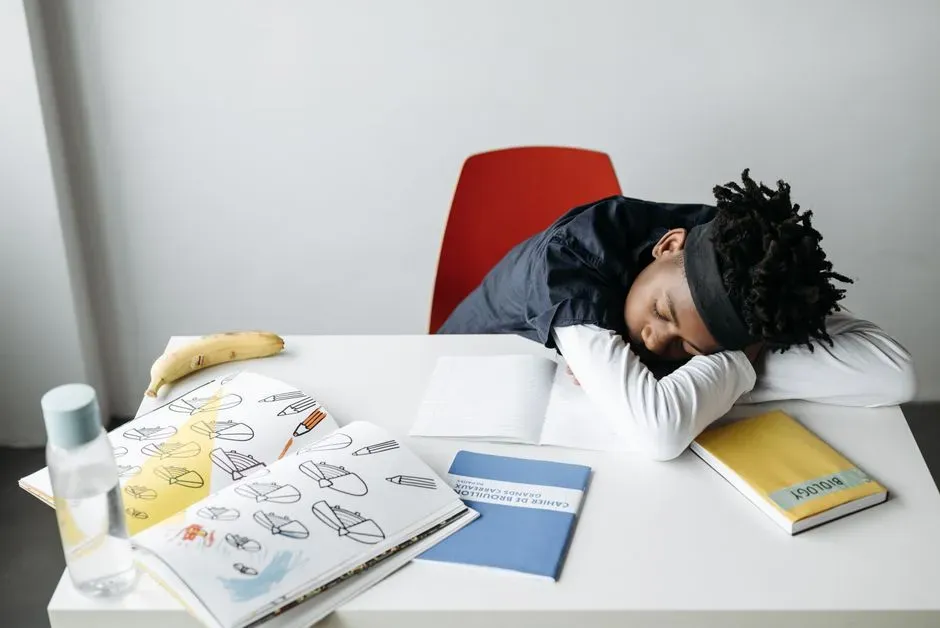
1. How much sleep actually happens on school nights (Image Credits: Pexels)
A tired child looks different from a distracted one, and experienced teachers can usually tell the difference within the first hour of class. Kids who are chronically under-slept tend to have shorter fuses, slower processing speed, and a harder time sitting still, even if they’re otherwise bright and capable. The American Academy of Pediatrics recommends nine to twelve hours of sleep for elementary-age children, yet many households fall well short of that on weeknights.
Teachers notice the Monday crash after a weekend of late bedtimes, and they notice the kids who show up sharp every single day. It’s rarely subtle. A well-rested child engages with instructions the first time they’re given, while an exhausted one often needs everything repeated, not because they weren’t listening, but because their brain simply couldn’t keep up.
2. Whether reading happens at home for fun, not just for homework
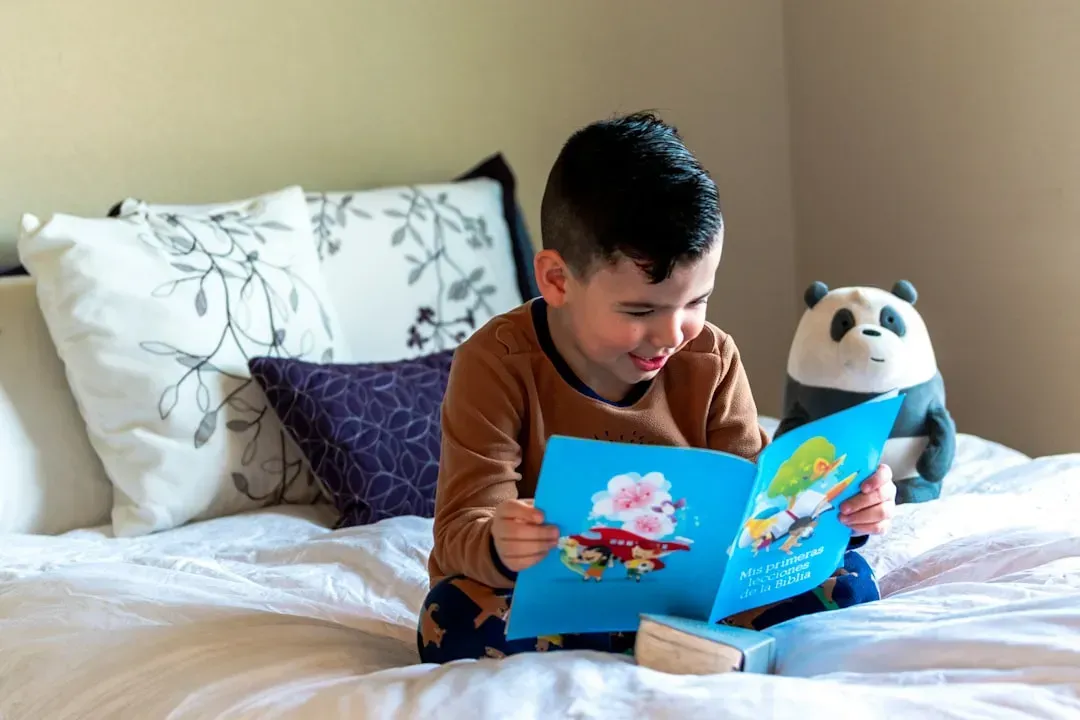
2. Whether reading happens at home for fun, not just for homework (Image Credits: Gallery Image)
Vocabulary gaps show up fast in classroom discussions, and teachers can often guess within a few sentences whether a child reads outside of assigned schoolwork. Kids who are read to regularly, or who read independently for pleasure, tend to have richer sentence structure and a wider range of words they can pull from naturally. This isn’t about being naturally gifted, it’s almost always about exposure and repetition at home.
Teachers also pick up on comprehension habits, like whether a student can infer meaning from context or needs every unfamiliar word explained. Households where books are part of the daily rhythm, even just fifteen minutes before bed, tend to produce kids who ask better questions and make connections across subjects. It’s one of the clearest links between a home habit and classroom performance.
3. How screen time is managed, not just limited
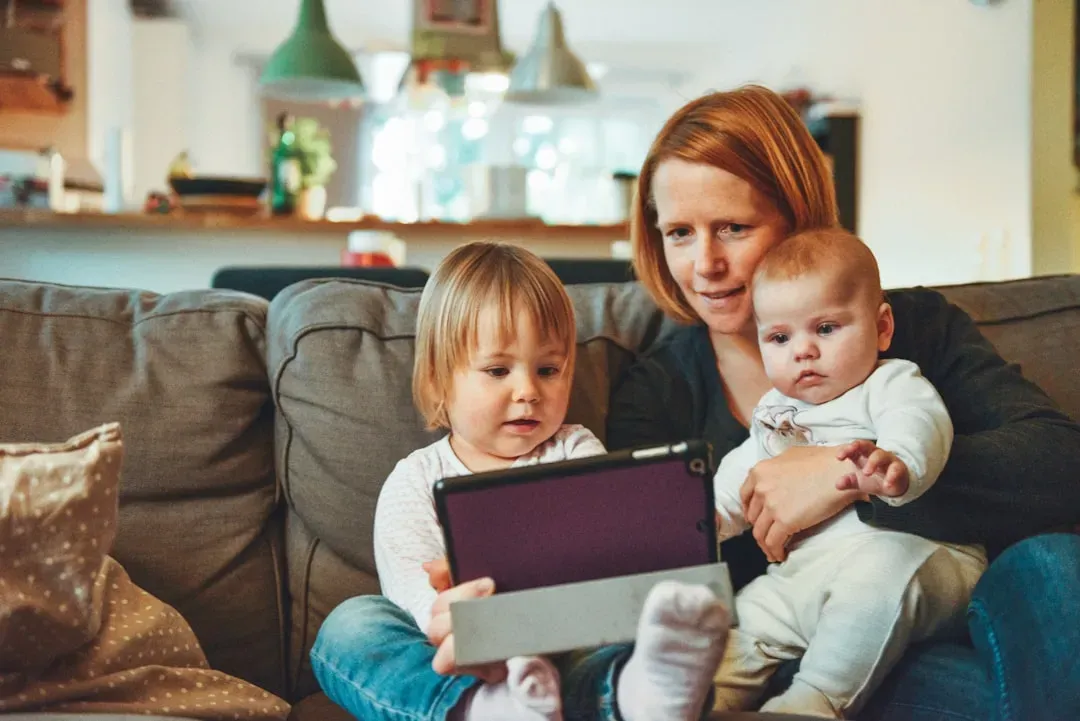
3. How screen time is managed, not just limited (Image Credits: Unsplash)
It’s not simply about how many hours a child spends on a device, it’s about what kind of screen time and how it’s supervised. Teachers can often tell when a child has had unstructured, unsupervised access to phones or tablets because attention spans shrink and the ability to sit through a slower-paced lesson becomes noticeably harder. On the other hand, kids exposed to educational content or screen time paired with conversation tend to bring more curiosity into the room.
The American Academy of Pediatrics has moved away from strict hour limits in recent years, focusing instead on content quality and parental involvement. Teachers see this play out directly, since a child who’s used to passive scrolling behaves very differently from one who’s used to screens as just one part of a varied day. The habit that shows up most clearly isn’t the device itself, it’s whether an adult is paying attention to what’s happening on it.
4. How conflict and frustration get handled in the moment

4. How conflict and frustration get handled in the moment (Image Credits: Pexels)
When a child hits a wall, whether it’s a hard math problem or a disagreement with a classmate, their first reaction often mirrors what they’ve seen modeled at home. Teachers notice kids who can name their frustration and ask for help versus kids who shut down, lash out, or immediately assume failure. This emotional regulation skill, sometimes called self-regulation in developmental research, is shaped heavily by how parents respond to a child’s own meltdowns and setbacks.
Children raised in homes where big feelings are acknowledged rather than dismissed tend to recover from classroom frustration faster. Those who are used to being told to just calm down without any real coaching often struggle longer and need more one-on-one support. It’s one of the fastest tells for a teacher, because it shows up multiple times a day in nearly every subject.
5. Whether mistakes are treated as failures or as normal parts of learning
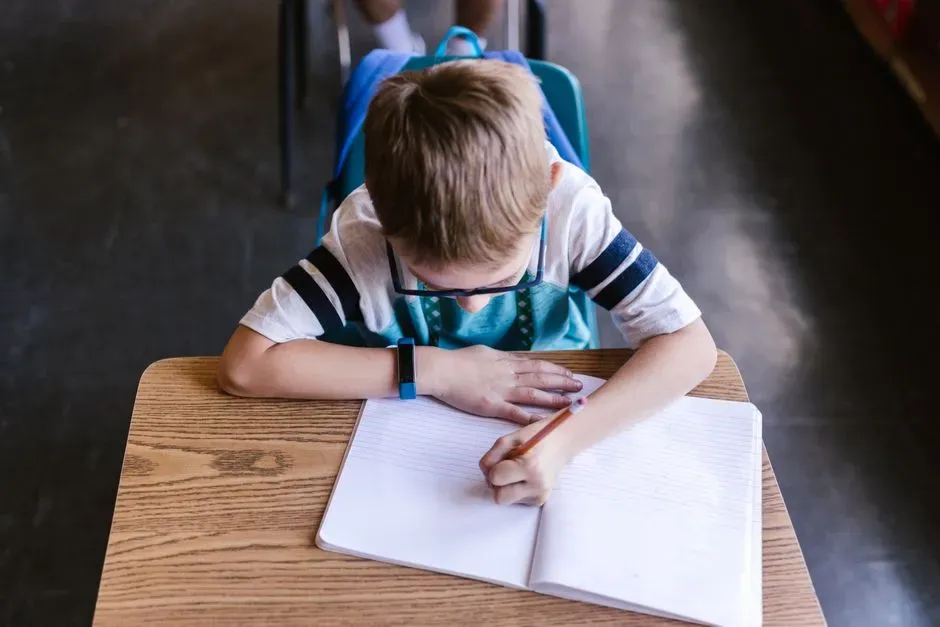
5. Whether mistakes are treated as failures or as normal parts of learning (Image Credits: Pexels)
A child’s relationship with being wrong says a lot about the conversations happening around report cards and homework at home. Teachers can usually spot the kids who panic over a single incorrect answer versus the ones who shrug, ask what they missed, and try again. This connects closely to what psychologist Carol Dweck termed a growth mindset, the belief that ability can improve with effort rather than being fixed from birth.
Parents who praise effort and problem-solving, rather than just correct answers or grades, tend to raise kids who take more academic risks in class. Those who focus heavily on outcomes, or who react with visible disappointment to a bad grade, often raise kids who avoid raising their hand unless they’re certain they’re right. Teachers see this fear of being wrong play out constantly, and it almost always traces back to home.
6. How independently a child can manage their own belongings and routines
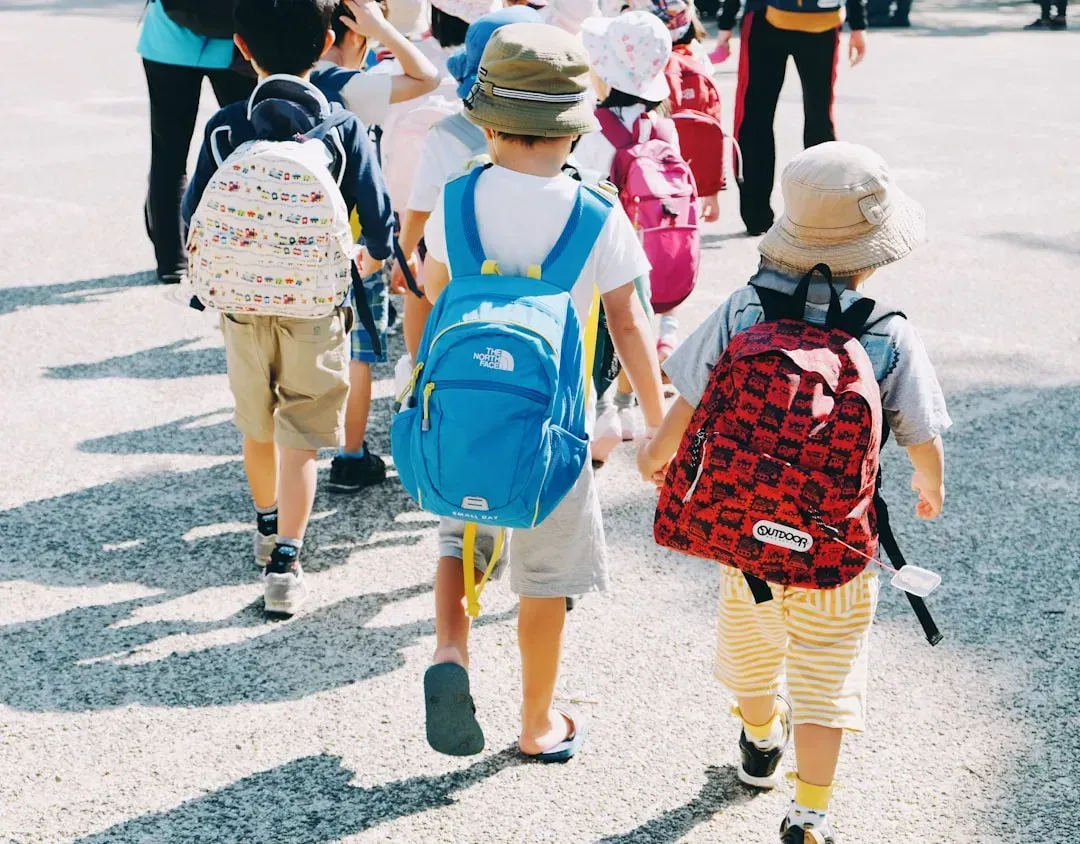
6. How independently a child can manage their own belongings and routines (Image Credits: Unsplash)
Packing a backpack, remembering a lunch, finding a jacket, these small logistical tasks reveal a surprising amount about daily routines at home. Teachers notice which students can manage their own materials without reminders and which ones rely entirely on an adult to track everything for them. This isn’t about neglect, it’s usually about how much responsibility has gradually been handed over as a child gets older.
Kids who’ve been given age-appropriate independence, like packing their own bag the night before or choosing their own clothes, tend to handle classroom transitions more smoothly too. Those who’ve had every task done for them often struggle with the basic logistics of a school day, even if they’re academically strong. It’s a small habit with a surprisingly large classroom footprint.
7. How mealtime and family conversation actually happen

7. How mealtime and family conversation actually happen (Image Credits: Pexels)
Table talk, even short and imperfect, shapes a child’s ability to hold a conversation, answer open-ended questions, and explain their thinking out loud. Teachers can often tell which students are used to being asked genuine questions at home versus those whose conversations are mostly instructions or corrections. Research on family dinners has repeatedly linked regular shared meals with stronger vocabulary and better verbal expression in children.
This doesn’t require an elaborate sit-down dinner every night. Even a rushed breakfast where a parent asks a real question and actually listens to the answer builds the same conversational muscle a classroom depends on. Kids who are used to being heard at home tend to speak up more confidently in class discussions, while kids who rarely get that kind of attention often stay quiet even when they know the answer.
Teachers aren’t reading minds, they’re reading patterns, and patterns take time to build. None of these habits guarantee a certain kind of student, and every child is shaped by more than just what happens at home between four and eight in the evening. Still, these seven areas keep showing up in classroom after classroom, year after year, as the clearest windows into a household a teacher will ever get.