
Every parent has had the moment where a kid melts down over something that seems small, a broken cracker, the wrong colored cup, a shoe that feels “wrong.” What veteran parents eventually figure out is that the meltdown is rarely about the actual object. It’s about whether the child feels like their experience registered with someone bigger than them.
Child development specialists have spent decades studying what actually calms kids down and builds trust over time, and the answers are surprisingly consistent. The phrases below show up again and again in parenting research, family therapy practices, and the hard-won experience of people who’ve raised more than one kid through the tantrum years and beyond.
1. "That sounds really frustrating"

1. "That sounds really frustrating" (Image Credits: Unsplash)
Naming a child’s emotion out loud does something that a lot of parents underestimate. It tells the child that their internal state is visible and legitimate, rather than something to be talked out of or rushed past. Child psychologists often refer to this as emotion labeling, and it’s one of the most studied techniques in early childhood development because it helps kids build the vocabulary to eventually do this for themselves.
Experienced parents tend to use this phrase before jumping to a fix. A kid who’s told their frustration is real is far less likely to escalate than one who’s told to calm down without any acknowledgment first. The order matters more than most people realize, acknowledgment first, solutions second.
2. "Tell me more about that"

2. "Tell me more about that" (Image Credits: Pexels)
This phrase works because it does the opposite of what most adults instinctively do, which is jump in with an opinion or a quick answer. Instead, it hands the conversation back to the child and signals genuine curiosity about their inner world. Parents who use this consistently often report that their kids open up more over time, simply because the door stays open instead of being closed by premature advice.
It also slows things down in a useful way. Kids process and express things at a different pace than adults, and rushing them to the point often means missing the actual point. A simple invitation to keep talking gives them room to get there on their own terms.
3. "You're allowed to feel that way"
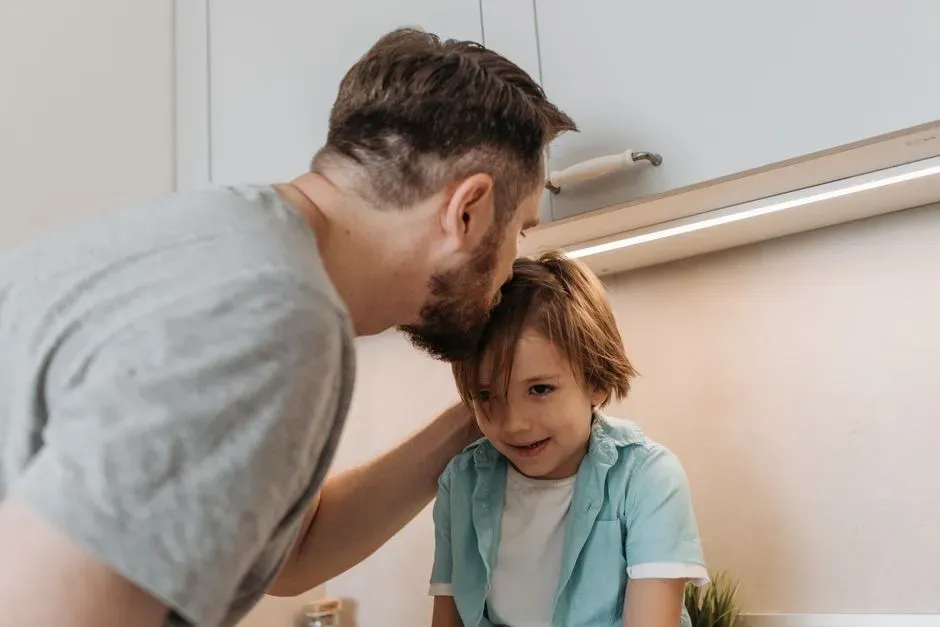
3. "You're allowed to feel that way" (Image Credits: Pexels)
Kids absorb a lot of subtle messaging about which emotions are acceptable and which aren’t, often without anyone meaning to teach it. Saying this phrase directly counters the common but unhelpful habit of telling kids to stop crying, stop being angry, or stop being upset over “nothing.” It separates the feeling from the behavior, which matters because feelings themselves are never really the problem.
Family therapists frequently point to this kind of validation as a building block for emotional regulation later in life. A child who learns early that feelings aren’t dangerous or shameful tends to have an easier time managing them as they grow older. The phrase costs nothing to say and tends to defuse tension almost immediately.
4. "What do you think we should do?"
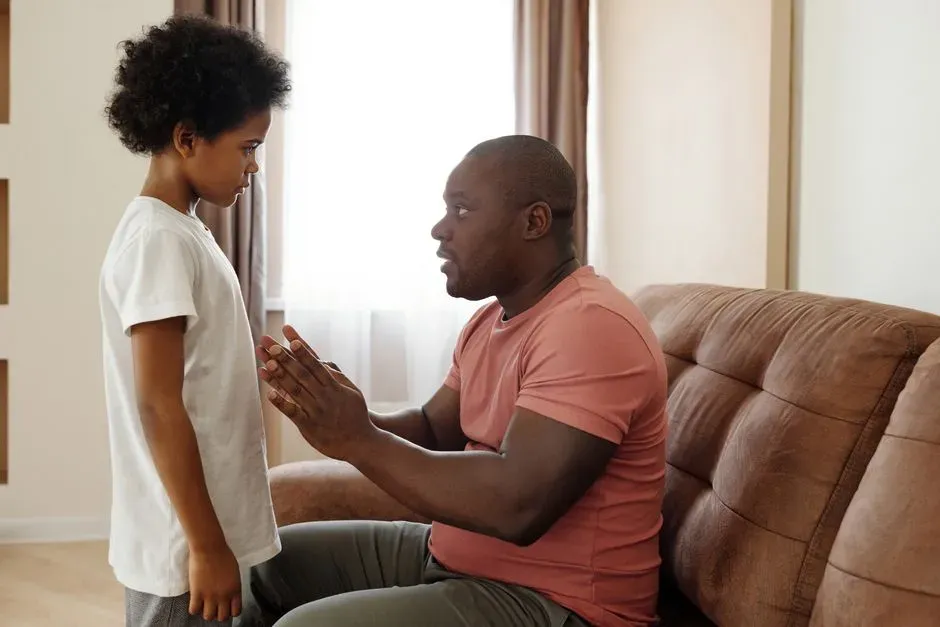
4. "What do you think we should do?" (Image Credits: Pexels)
This one shifts a child from passive recipient to active participant, and that shift alone can change the entire tone of a conversation. Even young kids have opinions about consequences, solutions, and next steps, and asking for their input signals that their judgment matters, at least in part. It doesn’t mean handing over full control, but it does mean treating the child as someone with a stake in the outcome.
Parents who ask this regularly often notice their kids becoming more willing to problem-solve instead of just reacting. It builds a habit of thinking through situations rather than only feeling through them. Over years, that habit tends to stick.
5. "I noticed you…"

5. "I noticed you…" (Image Credits: Pexels)
Specific observations land differently than general praise or general criticism. Saying something like “I noticed you shared your toy without being asked” tells a child exactly what behavior got attention, which is far more useful than a vague “good job.” It also proves that a parent is actually watching closely, not just present in the room.
This kind of specific noticing applies just as well to harder moments. “I noticed you seemed quiet at dinner” opens a door without demanding an explanation, which often gets further with kids than direct questioning. The specificity itself is what makes the child feel truly seen rather than generically acknowledged.
6. "I'm listening"
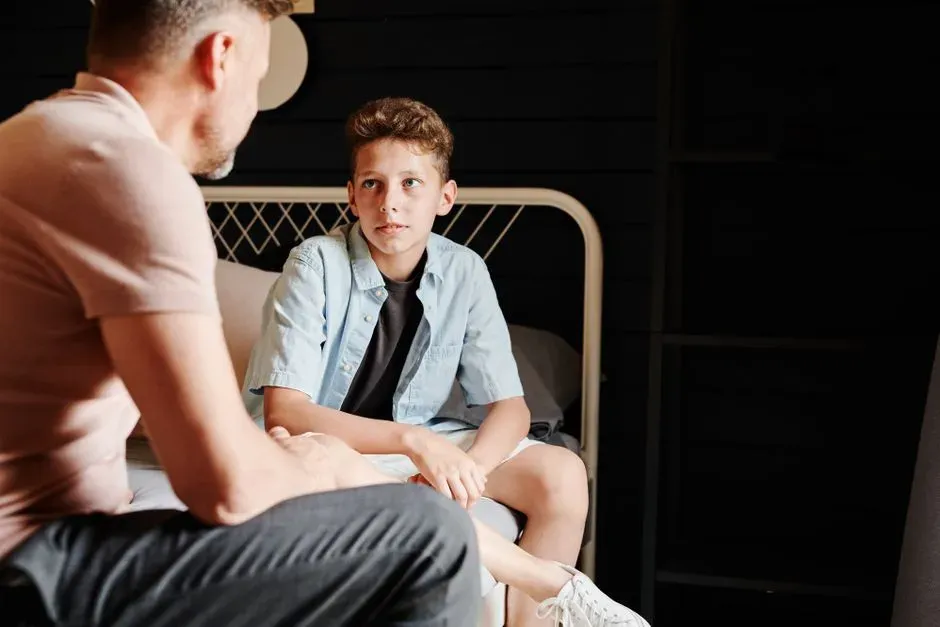
6. "I'm listening" (Image Credits: Pexels)
Sometimes the simplest phrase does the most work, especially when it’s paired with actual physical attention, eye contact, putting down a phone, turning the body toward the child. Saying “I’m listening” out loud while doing those things reinforces that the moment has the parent’s full attention, not a divided one. Kids notice divided attention more than adults tend to think, and they notice the difference when it’s not divided too.
This phrase works especially well in busy households where distraction is the norm rather than the exception. A single sentence can signal a deliberate pause in the noise. That pause, even briefly, often matters more to a child than a long conversation later.
7. "That makes sense"
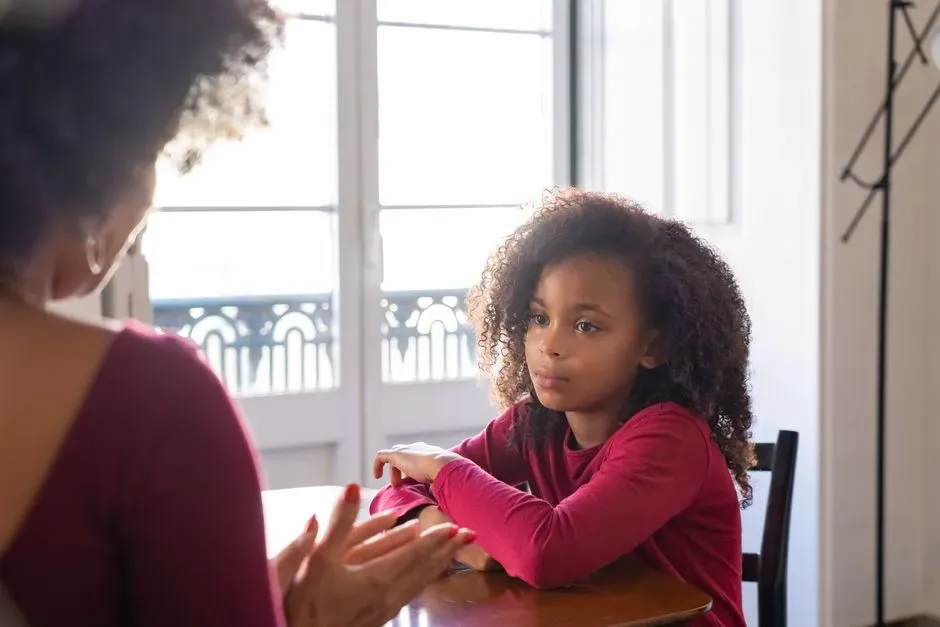
7. "That makes sense" (Image Credits: Pexels)
Kids often expect to be told their logic is flawed, especially when their conclusions come from limited experience or incomplete information. Saying “that makes sense” before offering any correction respects the reasoning process itself, even if the actual answer needs adjusting later. It separates being wrong from being dismissed, which are two very different experiences for a child.
Experienced parents often follow this phrase with gentle additional context rather than outright correction. This keeps the child’s confidence intact while still guiding them toward more accurate understanding. The distinction between “wrong” and “still learning” tends to shape how comfortable kids feel bringing up ideas in the future.
8. "Thank you for telling me"
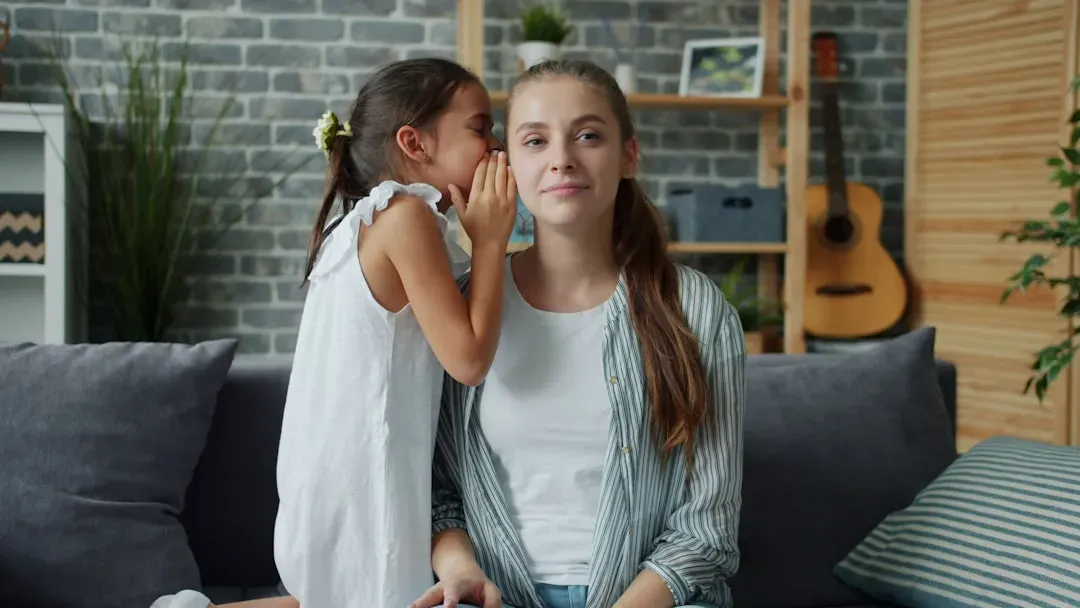
8. "Thank you for telling me" (Image Credits: Unsplash)
This phrase becomes especially important when a child shares something difficult, an embarrassing mistake, a scary experience, a secret they were nervous to reveal. Thanking a child for sharing, before reacting to the content itself, reinforces that honesty leads to connection rather than punishment. That sequencing has long-term consequences for whether kids keep confiding in their parents as they grow older, particularly through the more guarded teenage years.
Family communication researchers have consistently found that children are more likely to disclose difficult information to parents they perceive as non-reactive listeners. A single dramatic response to one hard conversation can shut down future ones for years. Gratitude for the disclosure itself, separate from judgment about its content, keeps that channel open.
9. "What do you need right now?"
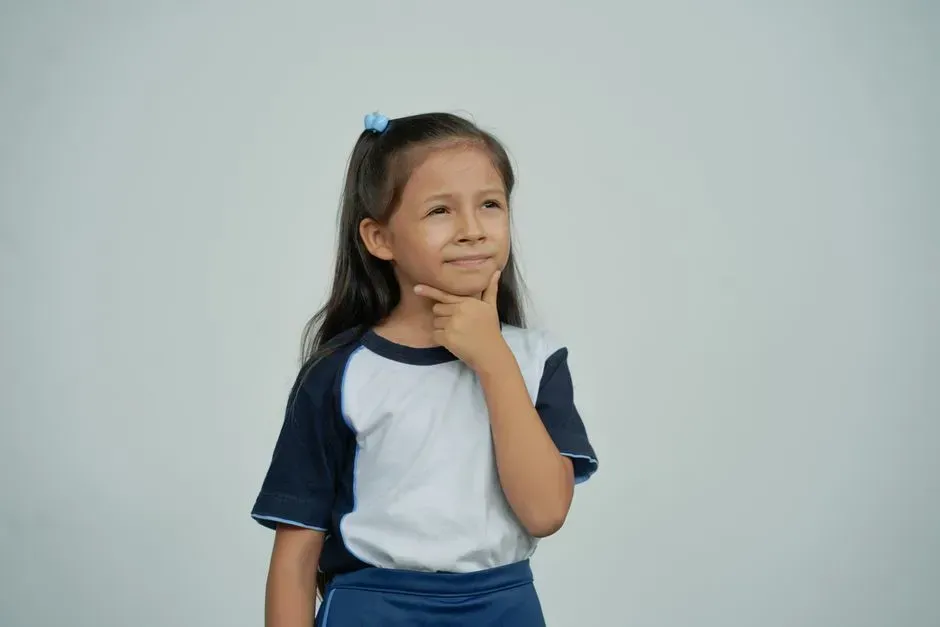
9. "What do you need right now?" (Image Credits: Pexels)
This question cuts through a lot of guesswork that parents otherwise do on autopilot, assuming a hug is wanted when a child actually wants space, or assuming advice is wanted when a child actually just wants to vent. Asking directly respects that the child knows something about their own internal state that the parent can’t automatically guess. It also models a skill kids carry into adulthood, the ability to identify and articulate their own needs.
Younger children may not have a ready answer, and that’s fine. Simply being asked the question, repeatedly, over years, teaches them to start noticing their own needs in the first place. It’s less about getting an immediate answer and more about building the habit of self-reflection over time.
None of these phrases are magic fixes, and none work every single time with every single child. What they share is a common thread, they put the child’s internal experience at the center of the interaction rather than treating it as an obstacle to manage. Parents who use language like this consistently, over years rather than isolated moments, tend to raise kids who feel comfortable bringing both good news and hard news home.