
A decade behind a server’s apron teaches you things no training manual ever will. You learn to read a table before you even reach it, to sense within seconds whether someone is going to be a pleasure or a headache. Most guests never realize how much their small, seemingly harmless habits shape the way they’re treated for the rest of the meal.
Servers rarely say this out loud because the job depends on staying polite no matter what. But after years of carrying trays and forcing smiles through difficult shifts, certain behaviors stand out as the ones that make staff mentally check out the moment they happen.
Snapping fingers or waving to get attention
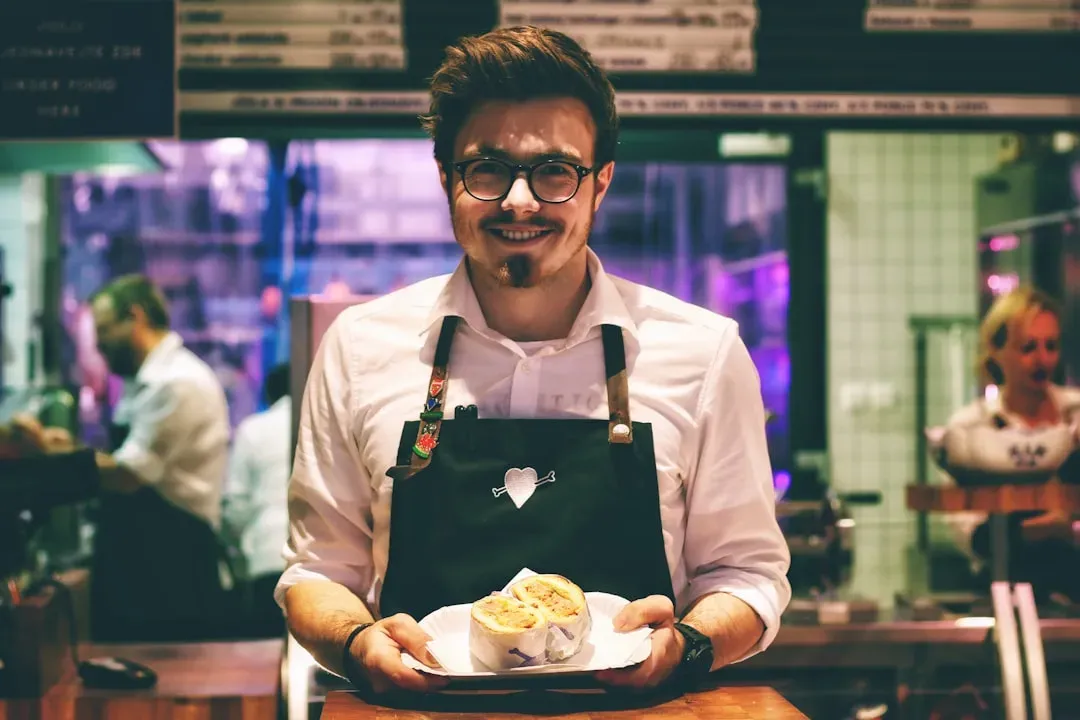
Snapping fingers or waving to get attention (Image Credits: Unsplash)
Nothing shuts down a server's willingness to go the extra mile faster than being summoned like a pet. It's a small gesture, but it sends an unmistakable signal about how the guest views the person serving them. Restaurant workers are trained to stay composed, yet that composure often comes at the cost of genuine warmth toward the table.
Industry surveys on tipping and service culture consistently show that respect and basic courtesy rank among the top factors influencing how attentive staff choose to be. A simple raised hand or eye contact accomplishes the same goal without the sting. Servers remember who treated them as staff instead of as an inconvenience, and that memory shapes every interaction for the rest of the visit.
Being condescending about the menu or specials
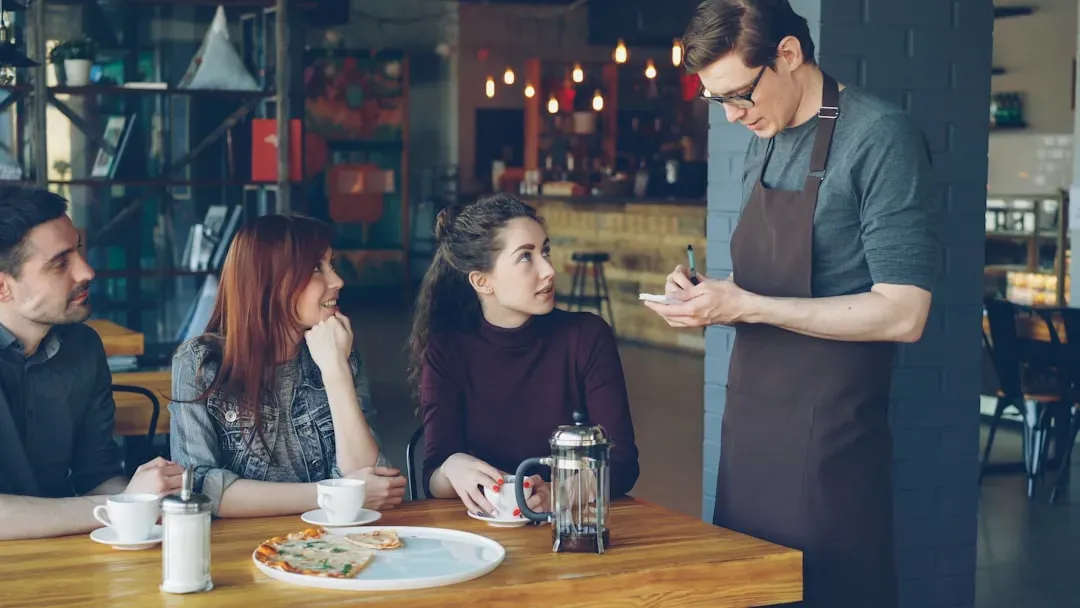
Being condescending about the menu or specials (Image Credits: Unsplash)
Servers spend real time learning the menu, often memorizing ingredients, preparation methods, and pairing suggestions before a single shift begins. When a guest talks down to them as if they're reciting scripted lines with no actual knowledge, it creates an instant wall. That tone tends to color the rest of the interaction, even if the guest doesn't intend any harm.
Restaurants in 2025 and 2026 have leaned even further into detailed menu descriptions, sourcing transparency, and dietary customization, meaning servers are expected to know more than ever before. Treating that expertise with skepticism or sarcasm undercuts the effort staff put into representing the kitchen well. Most servers will still answer questions patiently, but the enthusiasm to recommend a hidden gem on the menu tends to disappear.
Splitting a large check into many small ones without warning
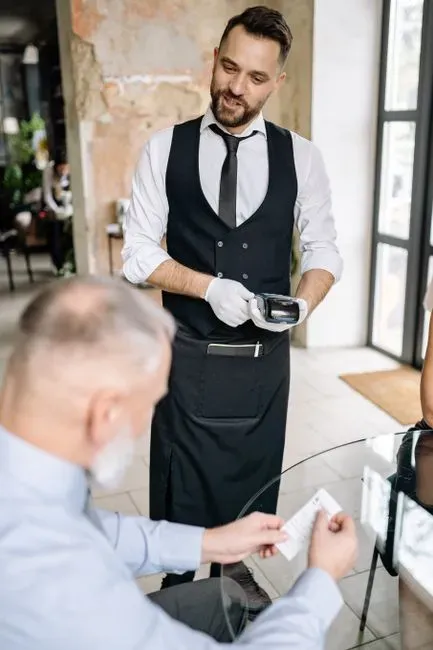
Splitting a large check into many small ones without warning (Image Credits: Pexels)
Complicated payment requests aren't inherently rude, but springing them on a server at the very end of a long, busy service often is. Point of sale systems have improved significantly, yet splitting a check eight or ten ways still eats up several minutes that could be spent tending to other tables. Restaurants operating during dinner rush, especially on weekends, run on tight margins of time as much as money.
A quick heads up at the start of the meal, such as mentioning the group plans to split evenly or by item, gives servers a chance to prepare and manage their section accordingly. Many restaurants have adapted with app-based splitting tools specifically because this friction point became so common. Without that early warning, though, the request often lands at the worst possible moment.
Treating the server as invisible during conversation
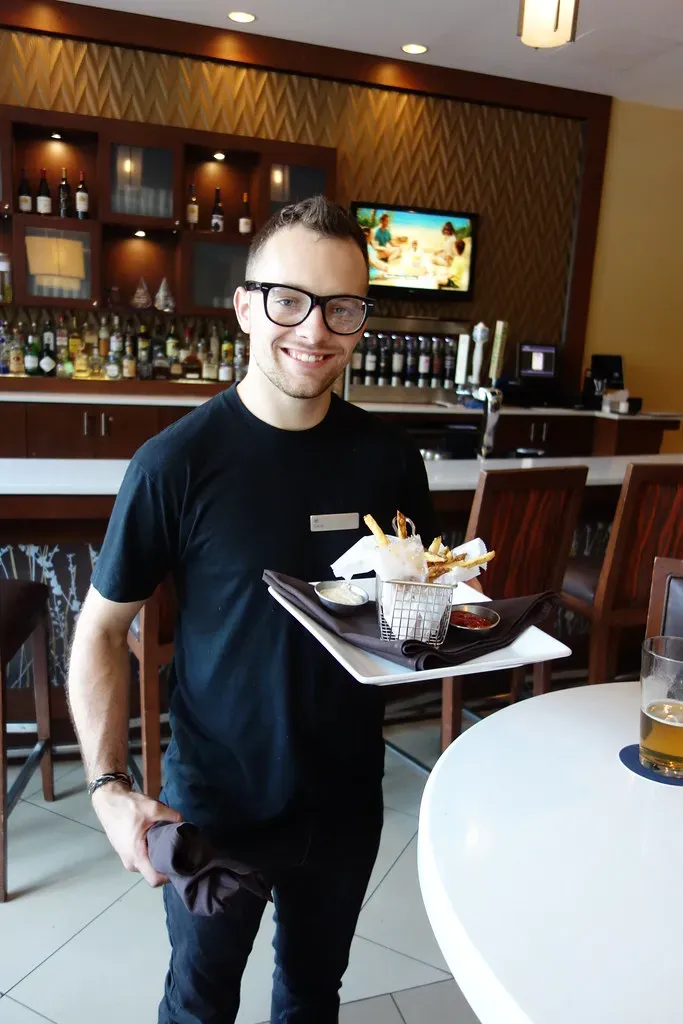
Treating the server as invisible during conversation (Alan Light, Flickr, <a href="https://creativecommons.org/licenses/by/2.0/" target="_blank" rel="noopener">CC BY 2.0</a>)
There's a particular kind of discomfort in approaching a table, greeting everyone, and being met with continued conversation as if no one arrived at all. It happens constantly, and most servers have learned to wait it out, but the habit doesn't go unnoticed. Being acknowledged, even with a brief pause and eye contact, changes the entire tone of the exchange.
Hospitality training programs increasingly emphasize this exact dynamic, since guest experience research shows that perceived friendliness from staff often mirrors how guests treat staff first. Servers aren't expecting deep conversation, just a moment of basic human recognition. When that's missing meal after meal, it wears down even the most patient employees.
Sending food back after eating most of it
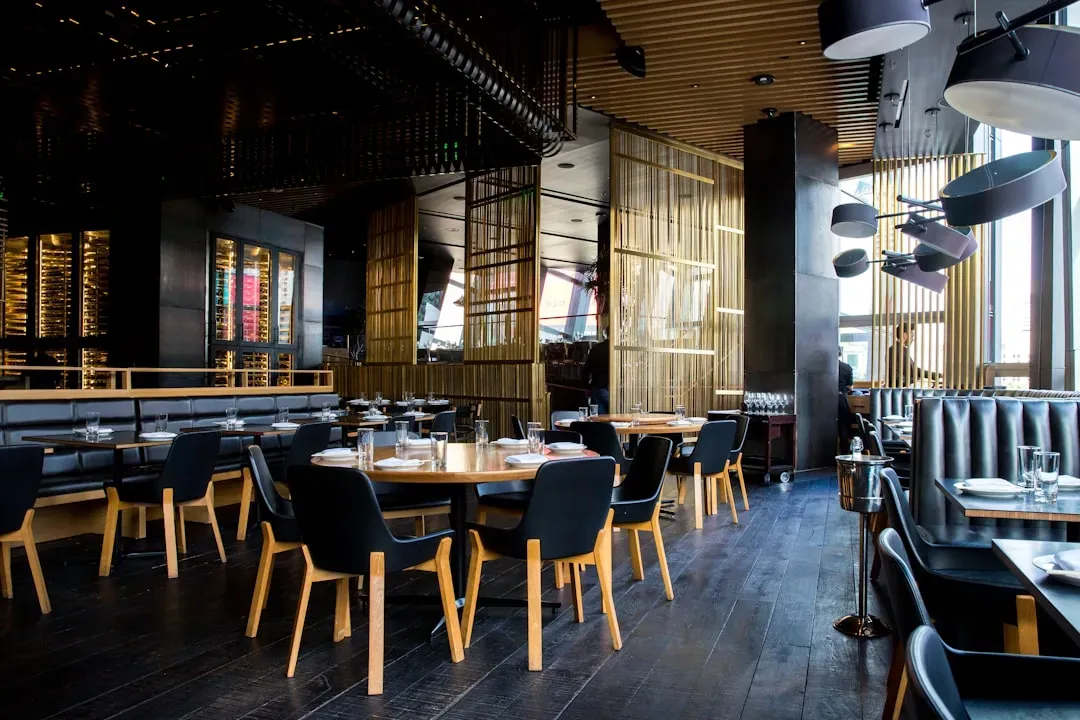
Sending food back after eating most of it (Image Credits: Unsplash)
Genuine issues with food, like undercooked proteins or wrong orders, deserve a fix without question, and most restaurants handle that professionally. The habit that raises eyebrows is when a plate comes back nearly empty with a complaint attached, often as a way to avoid paying full price. Kitchen staff and servers alike tend to notice the pattern immediately, and it puts everyone in an uncomfortable position.
Restaurants have absorbed rising food costs throughout 2024 and into 2026, with ingredient prices remaining a persistent pressure point across the industry. That economic backdrop makes staff more attentive to complaints that don't quite add up. It doesn't mean legitimate concerns get ignored, but the benefit of the doubt shrinks considerably once a pattern becomes obvious.
Being cruel about tipping, especially over small amounts

Being cruel about tipping, especially over small amounts (Image Credits: Pexels)
Tipping culture remains a heated topic nationally, with debates over service charges and automatic gratuities continuing well into 2026. Even so, few things sour a server's night faster than a guest who makes a scene over a tip, whether by loudly announcing they're leaving nothing or lecturing about why tipping shouldn't exist at all. Servers in many states still rely on tips to bring their hourly pay up to a livable wage, a structure that hasn't fundamentally changed despite years of public discussion.
Data from restaurant industry associations shows that tipped minimum wage remains below standard minimum wage in the majority of states, leaving service work financially dependent on guest generosity. A guest is free to leave whatever they choose based on the service received. The habit that damages trust isn't the amount itself, but the theatrics some customers attach to it, turning a private financial decision into a public confrontation.