
Most people picture a home inspection as a quiet couple of hours spent poking around an attic and testing outlets. In reality, inspectors deal with people, pressure, and property conditions that don't always cooperate with a tidy checklist. Some situations push things far enough that a professional will simply stop, pack up, and leave before the job is even finished.
1. A safety hazard that makes the house unsafe to enter
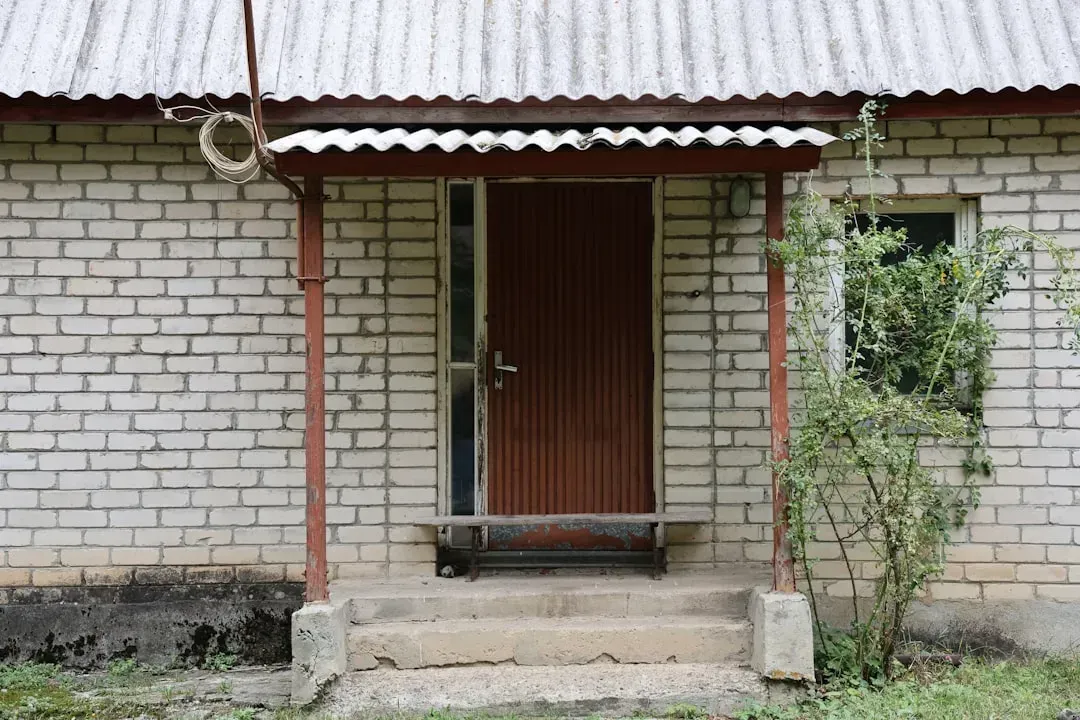
1. A safety hazard that makes the house unsafe to enter (Image Credits: Unsplash)
Inspectors are trained to size up a property before they ever step through the front door, and some conditions are dealbreakers from the start. If the home looks dangerous to enter or inspect safely from the outset, the inspector has no obligation to go inside, and inspectors typically can’t enter houses with obvious safety hazards. Things like collapsing floors, exposed wiring, or structural instability fall into this category immediately.
This isn’t about being overly cautious. A homeowner could face liability if a home inspector gets hurt while doing their job, so walking away actually protects everyone involved. If a property is unsafe, a home inspector could return later to complete it, as long as homeowners resolve the outlined safety issues, which means the inspection isn’t necessarily canceled forever, just paused.
2. A client who won't sign, or wants to rewrite, the inspection agreement

2. A client who won't sign, or wants to rewrite, the inspection agreement (Image Credits: Unsplash)
The pre-inspection agreement isn’t just paperwork. It’s the document that defines what the inspector will and won’t be responsible for, and inspectors take it seriously. In one survey of inspectors, the most commonly cited reason for turning down an inspection was that the client wanted to alter the inspection agreement or wouldn’t sign it.
One inspector interviewed for that survey put it plainly, explaining that refusing to sign or trying to change the contract terms is enough for him to step back from a job. Not having a client’s signature is a key reason home inspectors turn down potential business. Without that agreement in place, an inspector has no real protection if something goes wrong or a client later disputes what was promised.
3. Any mention of a lawyer before the inspection even starts

3. Any mention of a lawyer before the inspection even starts (Image Credits: Unsplash)
It sounds oddly specific, but it comes up often enough that inspectors flag it as a warning sign. Among the reasons inspectors gave for walking away, the client mentioned a lawyer or was a lawyer themselves. The concern isn’t that lawyers are inherently difficult clients, but that early legal talk often signals a transaction where disputes are already brewing.
Inspectors work in a field with real liability exposure, and a client who leads with legal threats or credentials can make an already tricky job feel riskier. It doesn’t automatically mean trouble, but combined with other red flags, like refusing to sign paperwork, it’s often enough to make an inspector reconsider taking the job at all.
4. Disregard for the inspector's physical safety on site
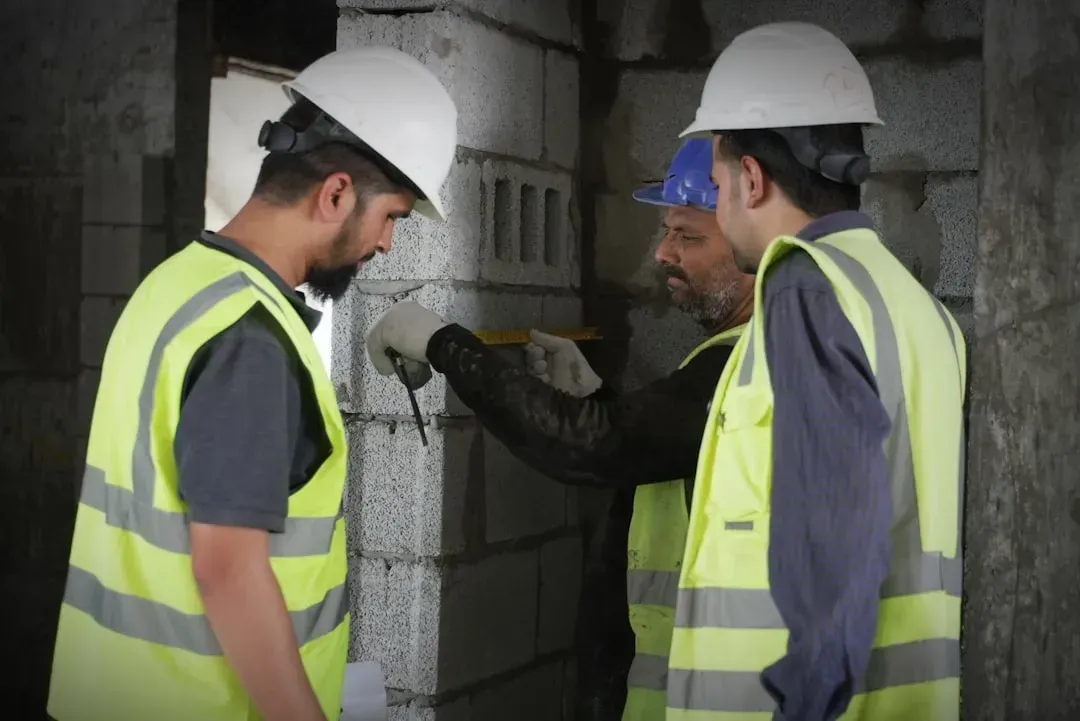
4. Disregard for the inspector's physical safety on site (Image Credits: Unsplash)
Inspections sometimes involve ladders, crawl spaces, and tight attics, and inspectors expect a baseline level of cooperation to do that work safely. When that cooperation is missing, the risk shifts from theoretical to real. Clients insisting on inspecting hazardous areas like roofs without proper safety precautions endanger both themselves and the inspector, and the inspector may politely refuse such requests and emphasize safety protocols.
If a client keeps pushing after that refusal, the situation can escalate quickly. Clients who ignore safety instructions during the inspection pose a significant risk, and such behavior may cause the inspector to be uncomfortable and consider walking away if they persist in disregarding safety measures. At that point, finishing the job safely just isn’t realistic anymore.
5. Hostile, distracting, or impaired behavior during the walkthrough

5. Hostile, distracting, or impaired behavior during the walkthrough (Image Credits: Pexels)
Inspectors need to focus. Testing systems, checking for moisture, and documenting defects all require attention to detail, and a chaotic environment works against that. Clients who constantly interrupt or exhibit hostile behavior can hinder the inspector’s ability to perform a thorough inspection.
Impairment is its own category of concern, and inspectors treat it seriously. Clients under the influence of alcohol or drugs pose a safety hazard to themselves, the inspector, and others who may be involved, and the inspector may choose to stop or reschedule the inspection if they suspect impairment which may jeopardize their safety. In these cases, rescheduling for another day is often the safer and more professional path forward.
6. Furniture, clutter, or blocked access that hides critical areas
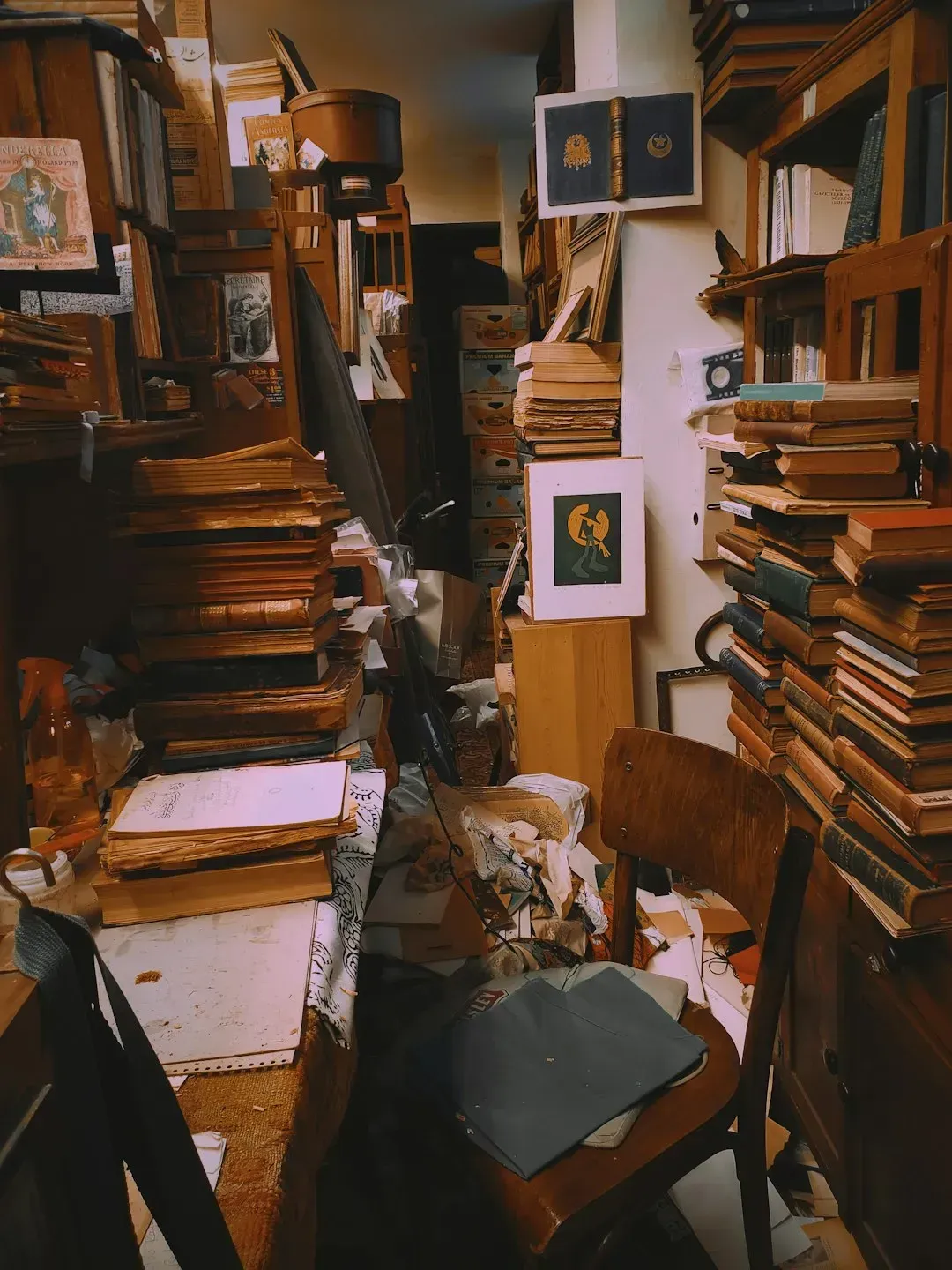
6. Furniture, clutter, or blocked access that hides critical areas (Image Credits: Unsplash)
Inspectors can only evaluate what they can actually see and reach, and that limitation matters more than most buyers realize. If sellers don’t move heavy obstructions like furniture, the inspector will note that they were unable to inspect certain areas, since one common guideline is that inspectors can only evaluate items they can see or easily access. An electrical panel buried behind boxes or a water heater wedged into a closet full of storage bins simply won’t get checked.
Moving that furniture themselves isn’t something inspectors will do, either, and for good reason. Home inspectors can face liability risk if they move furniture or other personal items during an inspection, since doing so could damage the furniture, scratch the floor, or cause injuries. When access is blocked in enough places, an inspector may decide the walkthrough can’t produce a meaningful report and choose to end it early rather than deliver an incomplete assessment.
These situations are far from everyday occurrences, but they happen often enough that experienced inspectors recognize the warning signs early. In most cases, a canceled or paused inspection isn’t the end of the process. It’s simply a signal that something, whether it’s paperwork, safety, or access, needs to be sorted out before the work can continue properly.