
Home prices have a funny way of drifting away from what people actually earn, and in a handful of American metros that gap has turned into a canyon. Some of these markets got there through scarcity, others through speculation, and a few through sheer geography that limits how much new housing can ever get built. Whatever the cause, the result is the same for local buyers: monthly payments that eat up an outsized share of income, and a market that keeps defying gravity longer than anyone expected.
1. Detroit, Michigan
1. Detroit, Michigan (Image Credits: Unsplash)
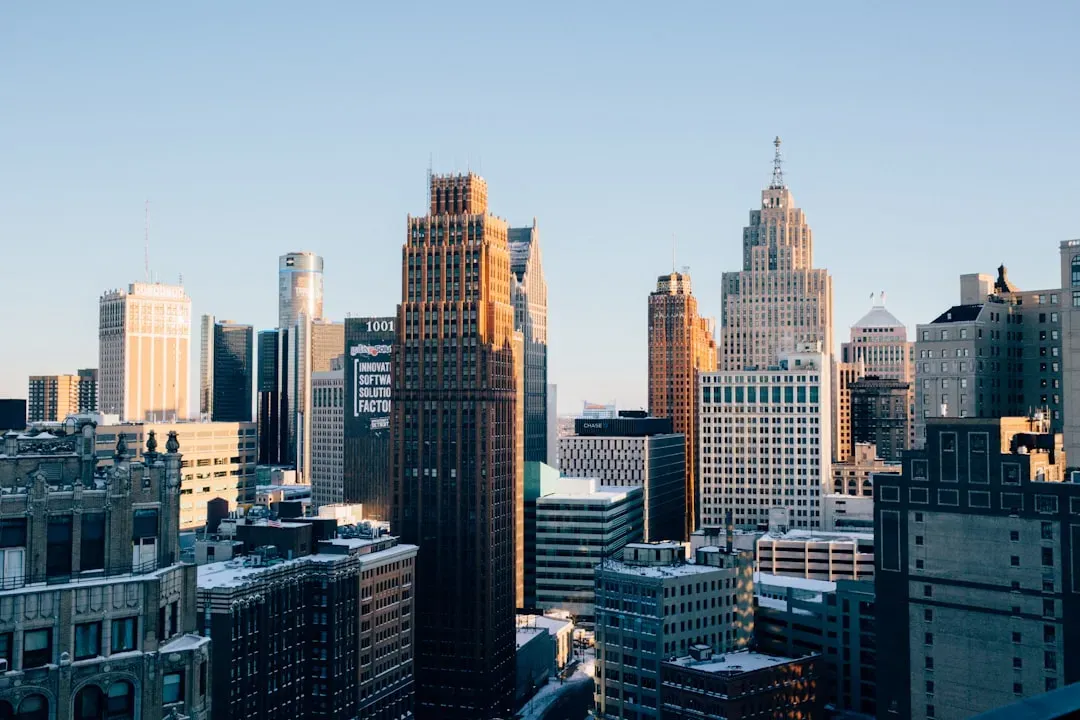
Detroit might be the last city most people would guess tops a list like this, but researchers at Florida Atlantic University and Florida International University found it overtook Atlanta as the nation’s most overvalued market. After more than a year of Atlanta dominating the list of most overvalued housing markets, Detroit became the most overpriced market in the United States, according to researchers at Florida Atlantic University and Florida International University. That is a striking title for a Rust Belt city that spent decades as a symbol of housing decline rather than excess.
The actual numbers back up the ranking. Homes in the Detroit metropolitan area were found to be 40.79% overvalued compared to their long-term pricing trends, according to end of May data from the Top 100 U.S. Housing Markets. Part of the explanation lies in the rental market, since rents kept growing in Detroit, signaling that home prices were likely to continue rising, even though the metro lacks the same supply and demand pressures found in Sun Belt cities bolstered by newcomers and population growth.
2. Miami, Florida
2. Miami, Florida (Image Credits: Unsplash)
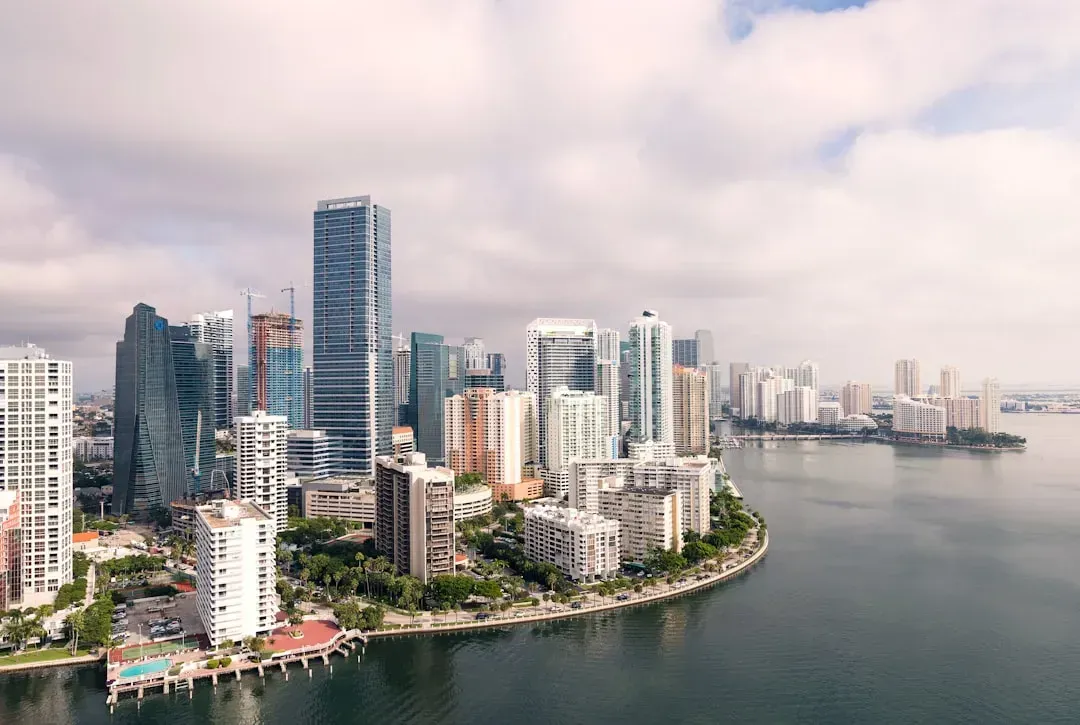
Miami’s housing market has become something of a case study in how fast money and low supply can push prices past what fundamentals justify. UBS’s global real estate bubble index placed Miami at the top of its list, and local brokers describe a market where deals past $2,000 a square foot in both the single family and condo market involve over 80% all cash. That level of cash buying is unusual almost anywhere else in the country.
Analysts studying the market have been careful to draw a distinction between this run up and the one that preceded the 2008 crash. One Miami real estate expert argued that the earlier crisis was created by an unsustained usage of irresponsible debt overleveraging, unlike the current dynamic. Whether that distinction holds up over the next few years remains an open question, since a market propped up largely by cash and international demand can still cool quickly if that demand shifts elsewhere.
3. Kahului, Hawaii (Maui)
3. Kahului, Hawaii (Maui) (Image Credits: Pexels)
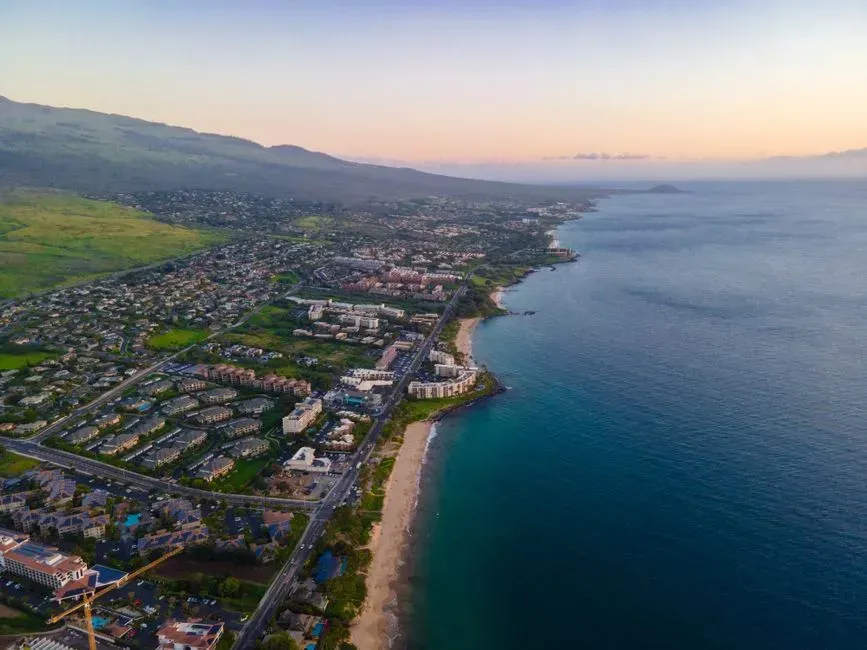
Maui’s Kahului metro area sits at the very top of U.S. News & World Report’s overvalued rankings, and the reasoning is straightforward once you look at incomes versus housing costs. Kahului MSA was found to be the most overvalued market for both buying and renting, with rents outpacing local incomes. The methodology behind that finding treats monthly housing costs in excess of the national median per capita income for owning at 36.3% or renting at 32.0% as evidence of an overvalued market.
Maui’s situation is complicated by more than just tourism demand. The 2023 Lahaina fires destroyed thousands of homes and displaced roughly 12,000 residents, and while non-local buyers may have found prices relatively affordable, locals now find a home essentially out of reach. That combination of disaster driven scarcity and outside investment has kept prices elevated even as many residents struggle to stay on the island.
4. Los Angeles, California
4. Los Angeles, California (Image Credits: Unsplash)
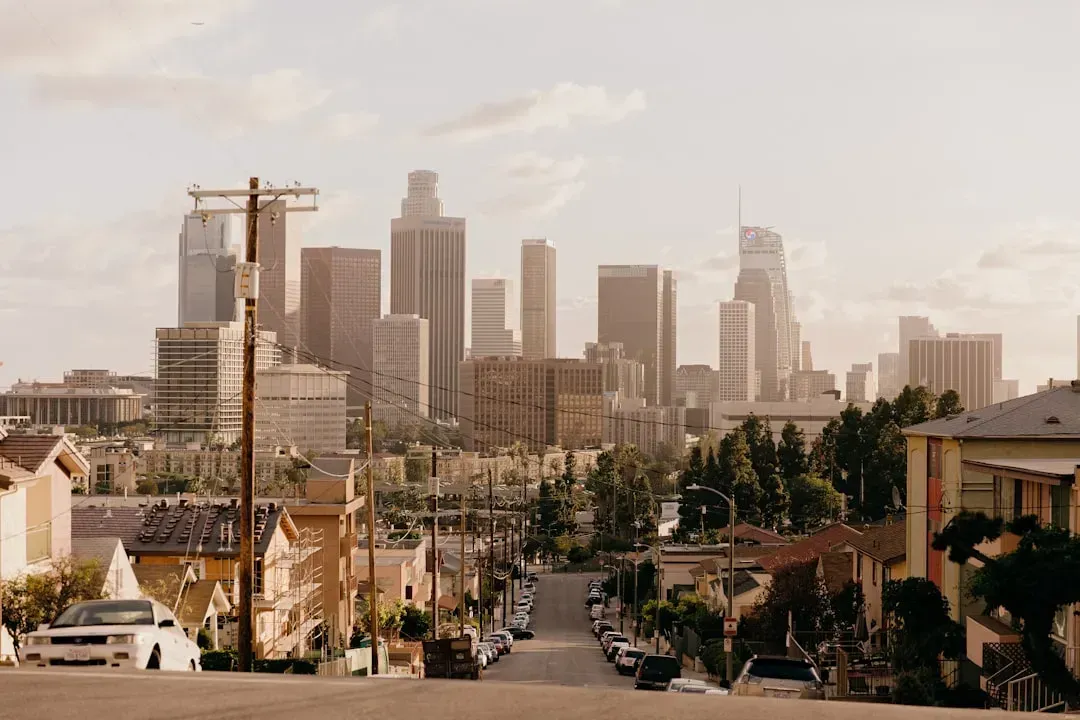
Los Angeles anchors a cluster of West Coast metros that dominate the overvalued rankings almost every time the data gets refreshed. Los Angeles sits among five West Coast metros atop the list of most overvalued housing markets in the country. The city’s combination of limited buildable land, strict zoning, and a large, high income population willing to compete for the same limited inventory has kept prices stubbornly high even as sales volumes slow.
The affordability squeeze in cities like Los Angeles has become a national talking point, with analysts warning that too many Americans are paying far too much of their income to keep a roof over their heads, and that things cannot go on like this forever. Some economists argue that unless mortgage rates drop meaningfully, sellers in markets like this will eventually need to adjust asking prices downward to meet what buyers can actually afford.
5. Honolulu, Hawaii
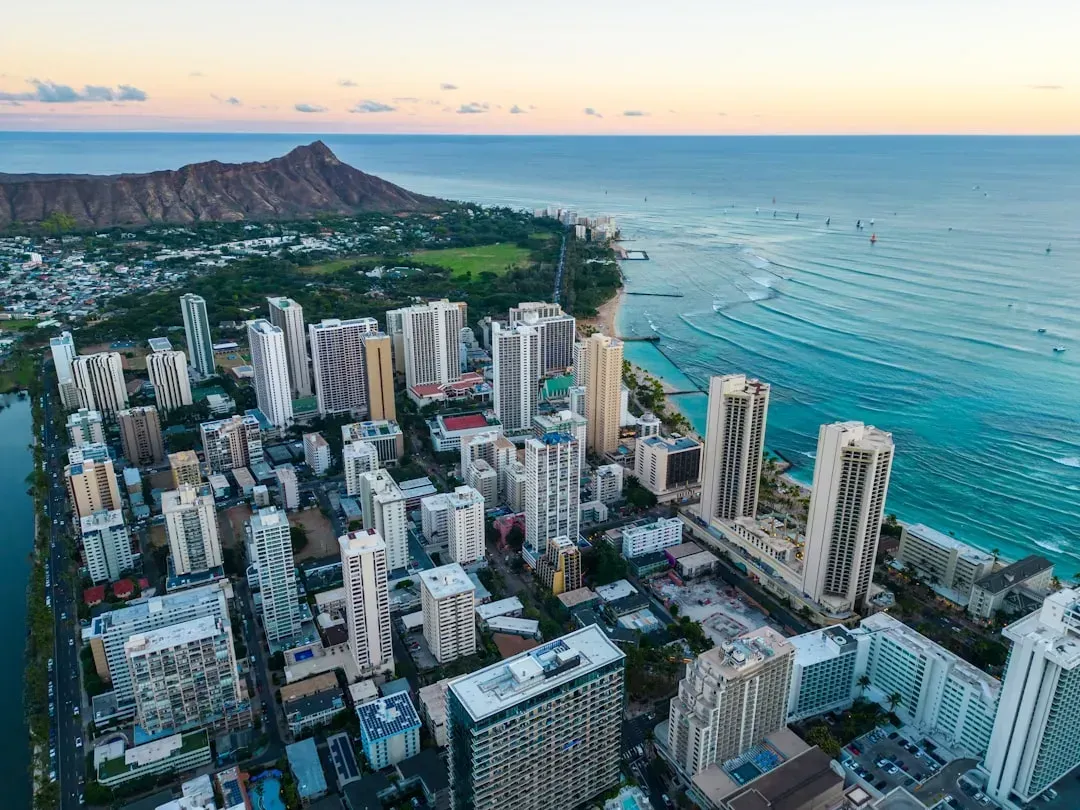
5. Honolulu, Hawaii (Image Credits: Unsplash)
Honolulu shares many of Maui’s problems but on a larger scale, given its bigger population and even more constrained land supply. Homes in Honolulu cost more than double the national average of $367,711, though that premium may not last much longer. That kind of gap between local and national pricing is rare even among expensive coastal cities.
There are early signs of a shift, however modest. Prices have declined over the past year, and listings are sitting on the market for double the national average of 19 days, which spells some much needed affordability relief for Hawaiian homebuyers. It is not a dramatic correction, but for a market this expensive, even a small cooling trend matters to people trying to buy their first home.
6. Santa Maria, California
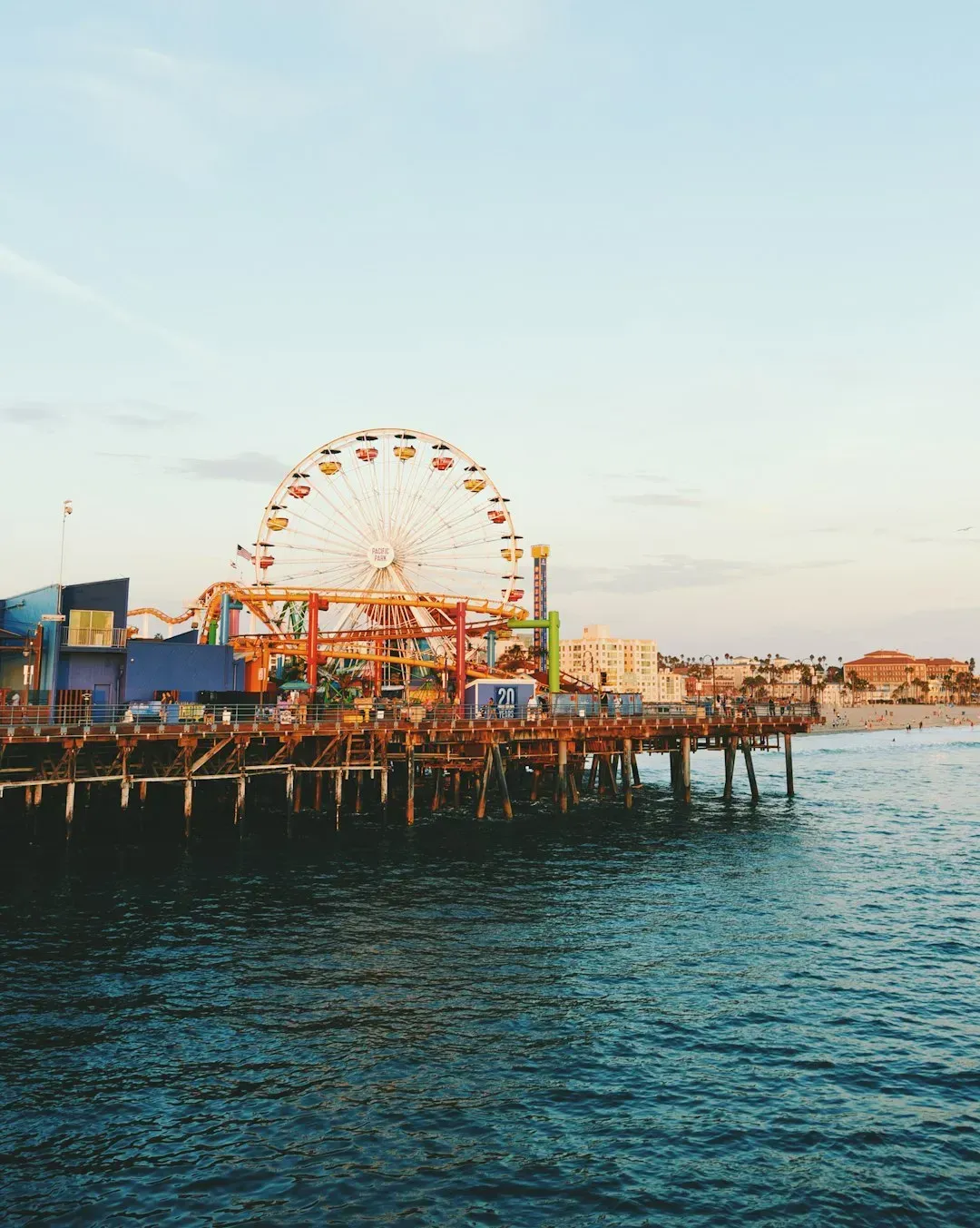
6. Santa Maria, California (Image Credits: Unsplash)
Santa Maria is a smaller, less famous name on this list, but the numbers there are jarring. A recent MoneyLion analysis of the 200 largest U.S. housing markets found that homes in the coastal community of Santa Maria, California, were listing for more than $600,000 over their average value. That figure alone puts Santa Maria in a category of its own, since most overpriced metros show gaps in the tens of thousands, not hundreds of thousands.
The study, which compared Zillow data for average home value against median list price across the 200 largest housing markets, also found plenty of company for Santa Maria across the Sun Belt. Texas had six spots among the most overpriced metros, and the South was well represented too, with homes in Florida, Alabama, Louisiana, Arkansas, Tennessee, North Carolina, and Mississippi also listing high relative to their typical value.
What's driving these overpriced markets
What's driving these overpriced markets (401(K) 2013, Flickr, <a href="https://creativecommons.org/licenses/by-sa/2.0/" target="_blank" rel="noopener">CC BY-SA 2.0</a>)
A few threads run through nearly every city on this list. Years of ultra low mortgage rates in the early 2020s pushed buyers into a frenzy, and a chronic shortage of homes for sale nationally, due partly to years of below average new home construction, has helped prop up home prices even during a multiyear sales slump. Zillow’s research puts a number on that surge, finding that home prices climbed 45.3% between 2020 and 2025, more than double the average appreciation rate, which caused many markets to outpace local fundamentals like income and created genuinely unaffordable homes.
National sales data reflects just how stuck the broader market remains. Existing home sales edged up only 0.2% from March to April, reaching a seasonally adjusted annual rate of 4.02 million units, unchanged from the same month a year earlier, with sales hovering close to that 4 million pace since 2023, far short of the historic norm closer to 5.2 million. That kind of stagnation, paired with persistent price growth in specific metros, is exactly the environment that produces lists like this one.