
Twelve years of walking into strangers’ living rooms has taught me something most sellers never expect: buyers don’t fall in love with a house slowly. They make snap judgments within seconds, often before they even step past the entryway. What surprises people most is that it’s rarely the big renovations they’re missing that cost them offers. It’s the small, fixable things.
Over the years I’ve staged everything from cramped city condos to sprawling suburban listings, and the same handful of red flags keep showing up in homes that sit on the market too long. Here are the seven features I see most often, and why they quietly push buyers toward the exit.
1. Overcrowded rooms with too much furniture

1. Overcrowded rooms with too much furniture (Image Credits: Pexels)
Buyers walk into a room and their brain does a quick calculation: does this space work, or does it feel tight? Too much furniture, even nice furniture, makes rooms feel smaller than they actually are. Too much furniture can make even a spacious home feel cramped, while removing oversized pieces and unnecessary decorations makes each room feel larger and brighter, and easier for buyers to visualize with their own belongings.
I’ve pulled entire sectional sofas out of living rooms and watched the space instantly open up in a way paint or lighting never could. It’s counterintuitive for sellers who think more furniture equals more “homey,” but the opposite is usually true. A room buyers can move through freely feels like a room they can imagine living in.
2. Personal photos and highly personalized decor
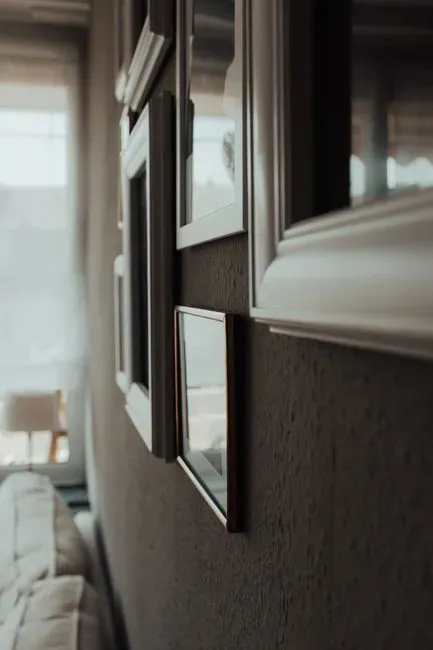
2. Personal photos and highly personalized decor (Image Credits: Pexels)
This one trips up almost every seller I work with. It’s natural to want your home to feel like, well, your home. But that’s exactly the problem during a showing.
One of the biggest mistakes in home staging is failing to depersonalize the space, since while it might seem appealing to show off the homeowner’s unique style, buyers need to envision themselves living in the space. Family photos and a unique decorating style may make a house feel like home to the current owner, but they can make it harder for buyers to picture themselves living there, whereas a clean, neutral space with minimal personal items helps buyers focus on the home itself. I always tell clients: pack the photo frames early. It’s one of the easiest wins in the whole process.
3. Poor or inconsistent lighting
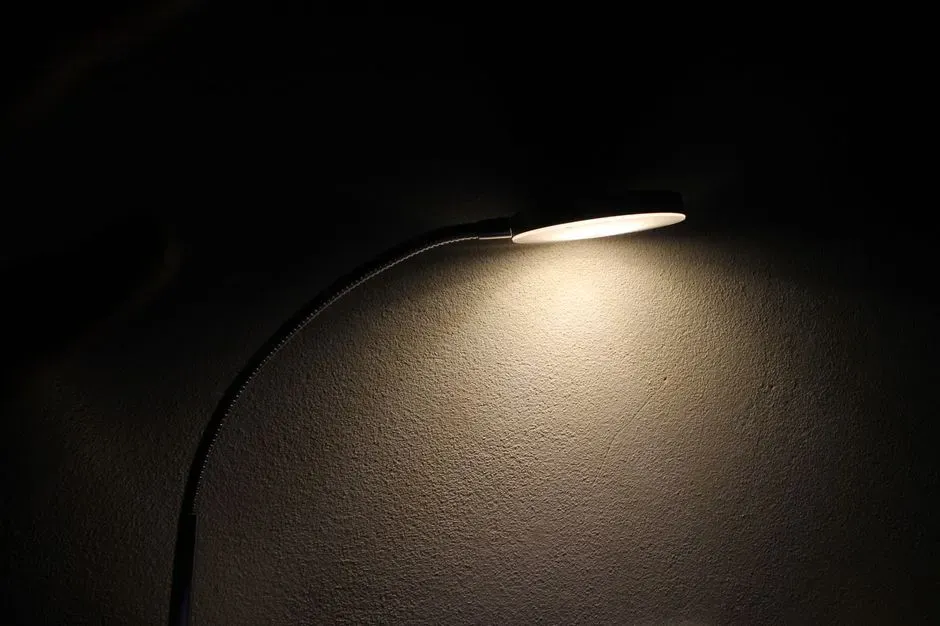
3. Poor or inconsistent lighting (Image Credits: Pexels)
Lighting is the feature buyers never mention by name, but it shapes almost every impression they form. A dim room reads as small, dated, or somehow “off,” even if the layout is perfectly fine. Poor lighting can make even the most beautifully staged home feel dark, small, and uninviting, yet some agents and sellers overlook the impact of proper lighting, whether it’s natural light through open curtains or strategically placed lamps.
Bright, warm lighting can make a space feel open and welcoming, while a lack of attention to this detail may leave areas looking gloomy, so it helps to ensure all windows are clean, drapery is minimal, and lighting is strategically placed to enhance every corner of the home. I’ve seen the exact same room photograph like two different listings depending on whether the lamps were on and the curtains were open. It costs nothing and changes everything.
4. Lingering odors from pets, smoke, or cooking

4. Lingering odors from pets, smoke, or cooking (Image Credits: Pexels)
Smell is the sense sellers most often underestimate, mostly because they’ve stopped noticing their own home’s scent entirely. Homeowners may no longer notice the smell of pets, strong cooking, smoke, or mildew, but buyers certainly will. It’s one of the fastest ways to lose a buyer before they’ve even finished the walkthrough.
The fix isn’t a scented candle or plug-in, which can actually make things worse by signaling that something’s being masked. A thorough cleaning, fresh air, and addressing the source of any lingering odors can make a home feel much more welcoming without relying on overpowering air fresheners. I always recommend dealing with the source, whether that’s a carpet, litter box placement, or an exhaust fan, rather than covering it up.
5. Clutter hidden in closets and storage spaces

5. Clutter hidden in closets and storage spaces (Image Credits: Unsplash)
Buyers open closets. Every single time. It’s one of the most predictable behaviors I see on showings, and sellers who assume closets are “off limits” for judgment are almost always wrong.
Key errors include failing to declutter and hiding clutter in closets, along with covering natural light and using bold wall colors, and oversized or distracting furniture and quirky collectibles can also be off-putting. Stuffed closets signal a lack of storage, even in homes that actually have plenty. I usually suggest removing about a third of what’s in there before photos are even taken.
6. Visible signs of deferred maintenance

6. Visible signs of deferred maintenance (Image Credits: Unsplash)
No amount of fresh decor distracts a sharp-eyed buyer from a dripping faucet or a crack in the wall. These small details do outsized damage to a buyer’s overall confidence in the property.
Fresh décor won’t distract buyers from peeling paint, dripping faucets, broken light fixtures, or unfinished projects, and taking care of these visible issues before listing helps reassure buyers that the property has been well maintained. I’ve watched buyers mentally start negotiating a lower offer the moment they spot a chipped tile, even in a house they were clearly excited about ten seconds earlier. Fixing the small stuff protects the price on the big stuff.
7. Bold, unconventional paint colors and design choices
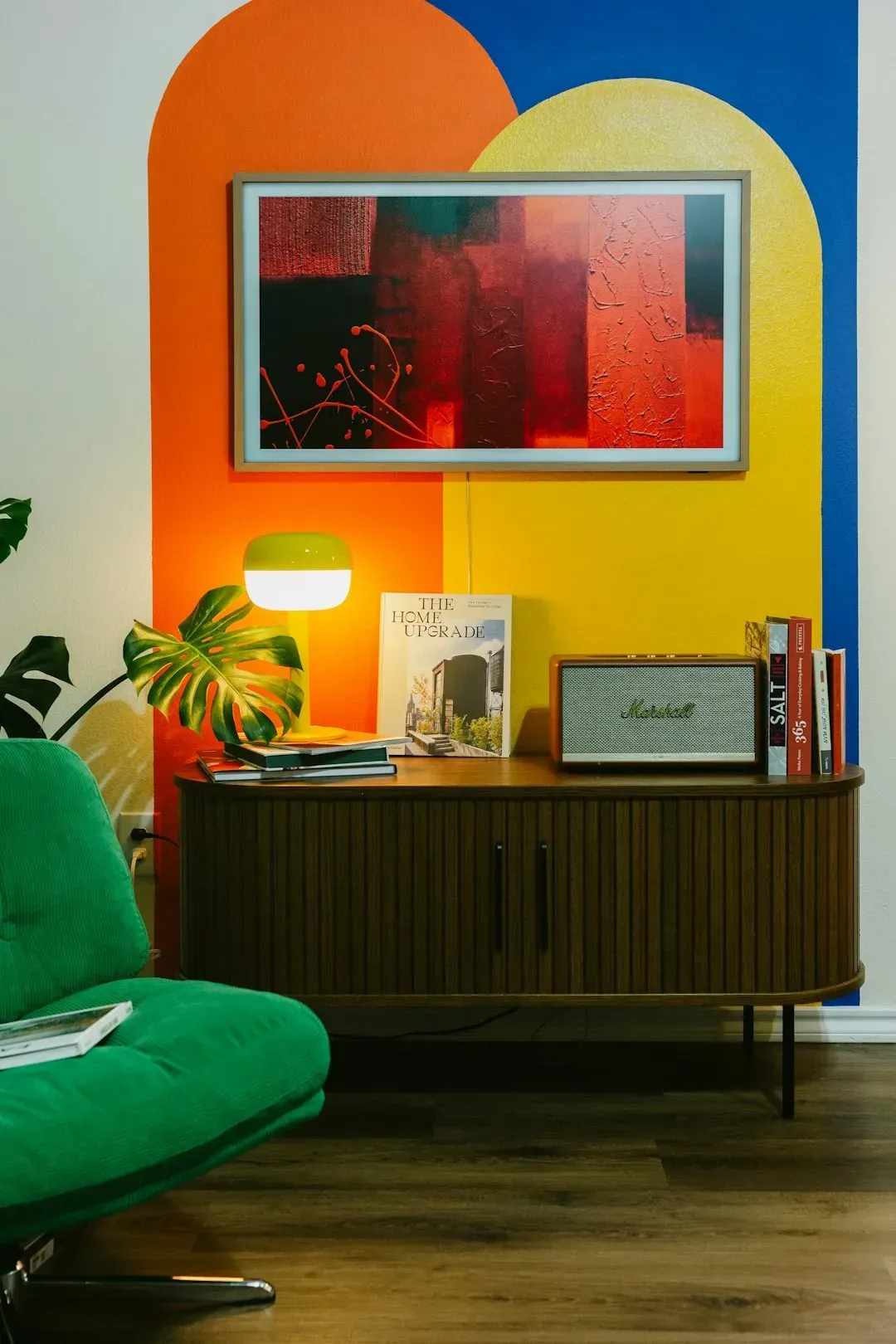
7. Bold, unconventional paint colors and design choices (Image Credits: Unsplash)
A saturated accent wall might feel expressive and personal to the person who lives there, but to a buyer touring five houses in one afternoon, it reads as work. Bold colors force buyers to imagine repainting before they can imagine moving in.
Although spectacular shades are great for the current homeowner and family, they are not necessarily pleasing to potential buyers, and using bright colors when staging means buyers won’t have to do a lot of imagining to make the house match their tastes. Neutral doesn’t mean boring. It means the walls stop competing with the space itself, and the buyer’s imagination gets room to work.
Why these small details carry so much weight

Why these small details carry so much weight (Image Credits: Pexels)
None of these seven issues are expensive to fix, which is part of why they’re so frustrating to see repeated listing after listing. Buyers form judgments fast, and the data backs that up. More than half, roughly 58%, say buyers are disappointed when the homes they visit don’t live up to what they see on TV, according to the National Association of REALTORS’ 2025 Profile of Home Staging.
That expectation gap is exactly why staging fundamentals matter more now than they used to. Eighty-three percent of buyers’ agents said staging a home made it easier for a buyer to visualize the property as a future home. The features on this list are the ones most likely to break that visualization before it even starts, and clearing them out is often the single highest-value thing a seller can do before listing day.