
Ask anyone who has spent time waiting tables and they'll tell you the same thing: there's a whole layer of restaurant life that never makes it to the dining room floor. Some of it is company policy, some of it is just industry etiquette nobody writes down but everyone learns fast. Former servers who've since moved on to other careers tend to be more candid about it, since the fear of losing a shift or getting written up no longer applies.
What follows isn't gossip pulled from nowhere. It's a collection of patterns that show up again and again in interviews, online forums, and firsthand accounts from people who spent years on the floor. Here are seven things servers are typically told to keep to themselves, and why those rules exist in the first place.
1. Whether they actually like the food
1. Whether they actually like the food (Image Credits: Pexels)
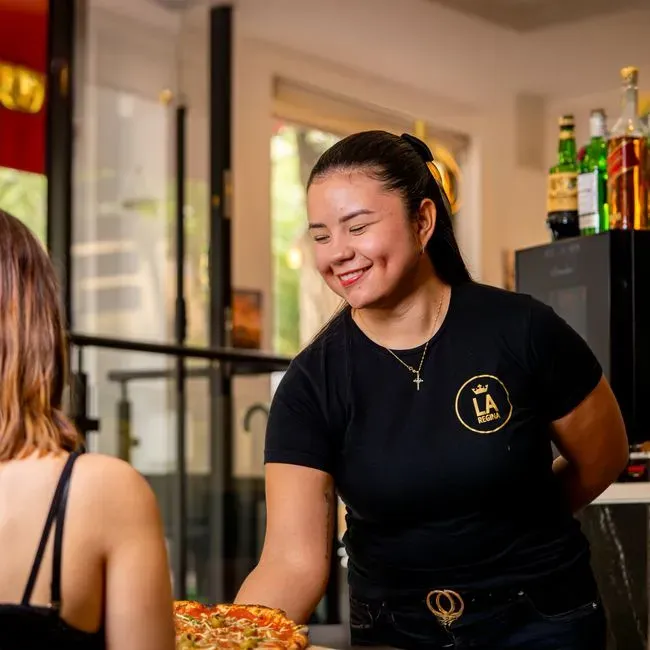
Servers are trained to sell the menu, not review it honestly. A former waitress at a pizza chain explained that they’re not allowed to tell customers they don’t like a dish, so if a server calls something “one of our most popular dishes,” chances are she doesn’t actually like it. It’s a subtle dodge that lets them avoid lying outright while still steering clear of an honest opinion.
This isn’t about deception for its own sake. Restaurants build their reputations on consistency, and a server bad-mouthing a menu item undermines the kitchen, the owner, and the whole operation in one sentence. The workaround most servers learn is to ask a slightly different question back, like which dishes tend to be favorites, rather than offering a flat opinion they were never supposed to share.
2. The real reason your order is taking forever
2. The real reason your order is taking forever (Image Credits: Pexels)
When a ticket sits too long, the honest explanation is often messy: a broken fryer, someone calling out sick, a kitchen buried under a wave of tickets from a large party. Servers are rarely encouraged to explain any of that in detail, since it can sound like an excuse or make the restaurant look disorganized to a paying customer.
Instead, most are coached to apologize, offer something small like bread or a drink refill, and move on without going into specifics. The goal is damage control, not transparency. A server who says “we’re a little backed up tonight” is almost always leaving out a longer, less flattering story about what’s happening behind the swinging doors.
3. What happens to food that gets sent back
3. What happens to food that gets sent back (Image Credits: Unsplash)
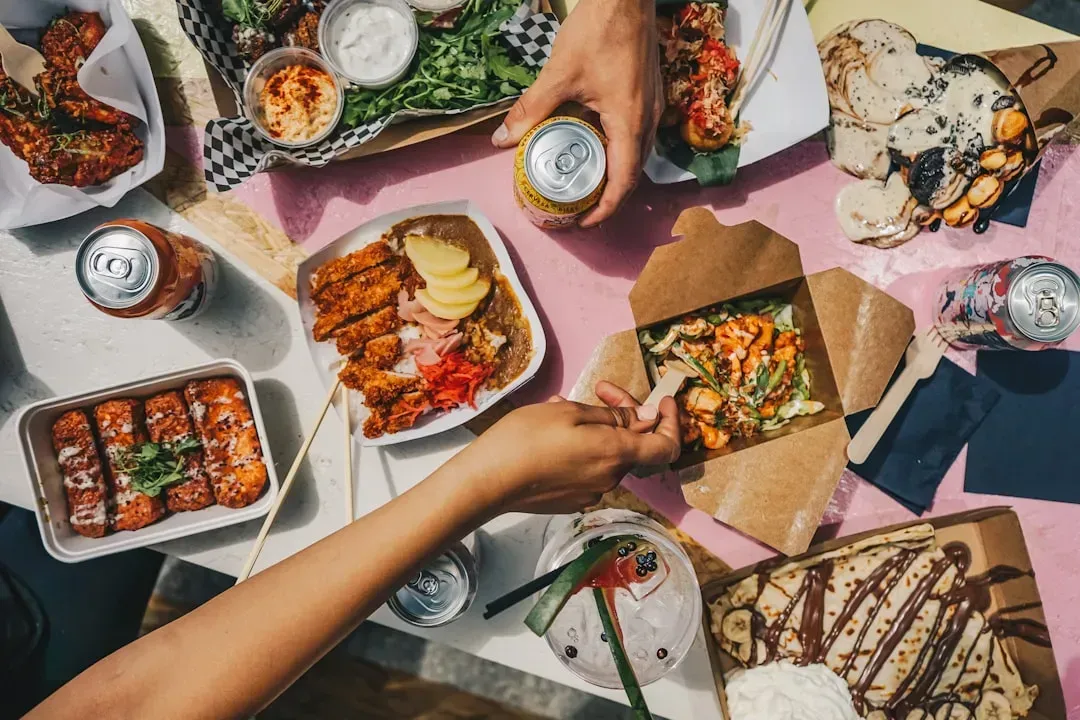
Not every returned plate goes straight in the trash, and servers generally aren’t the ones who decide its fate anyway, that call belongs to the kitchen. Former restaurant workers have described chefs reusing untouched garnishes or side items across multiple plates, particularly things like a scoop of cottage cheese or a leaf of kale that a chef will grab off an incoming plate and drop onto one going out to customers, especially since most people don’t eat the garnish anyway.
Bread is another example that comes up often. One former server described how untouched breadbaskets that come back with only a piece or two missing sometimes get spruced up and sent out to the next table during a rush. Servers are aware this happens, but it’s a kitchen practice, not something they’re positioned to explain or change from the front of house.
4. How tips actually get split

4. How tips actually get split (Image Credits: Unsplash)
Tip pooling arrangements vary wildly from restaurant to restaurant, and the exact formula, how much goes to bussers, bartenders, hosts, or kitchen staff, is rarely something servers are encouraged to detail for guests. Management typically treats these breakdowns as internal business, not customer-facing information, even though the tip itself came directly from the customer’s pocket.
This matters more than it might seem, since federal and state tip-credit laws differ significantly and affect how much of a server’s income actually depends on gratuities versus a base wage. A server who explained the full math of a tip pool to every table would likely find themselves having an uncomfortable conversation with a manager afterward, even though nothing about the explanation would be untrue.
5. When a "special" is really just inventory that needs to move
5. When a "special" is really just inventory that needs to move (Image Credits: Pexels)
The nightly special sounds like a chef’s creative flourish, and sometimes it is. Just as often, though, it’s a practical solution to a walk-in cooler with too much of one ingredient and not enough time before it turns.
Servers usually aren’t instructed to lie about this outright, but they’re not encouraged to volunteer it either. The framing stays positive: fresh, seasonal, chef’s choice. The less flattering truth, that the salmon needs to sell tonight or it gets tossed tomorrow, tends to stay in the kitchen where it started.
6. Which coworkers are struggling, covering, or slacking off

6. Which coworkers are struggling, covering, or slacking off (Image Credits: Pexels)
Restaurants run on teamwork, and part of that teamwork involves covering for each other in ways guests never see. If a server is missing from the floor, coworkers are trained to smooth it over rather than explain what’s actually going on, whether that’s a bathroom break, a smoke break, or a personal moment falling apart in the walk-in.
One former waiter at a Denny’s location noted that if you’re looking for your waiter and another waiter tells you he’s getting something out of the stockroom, you can bet he’s out back having a quick smoke. These small cover stories are so routine that most servers don’t even think of them as lying, just as basic professional courtesy toward a colleague.
7. How they really feel about certain customer requests
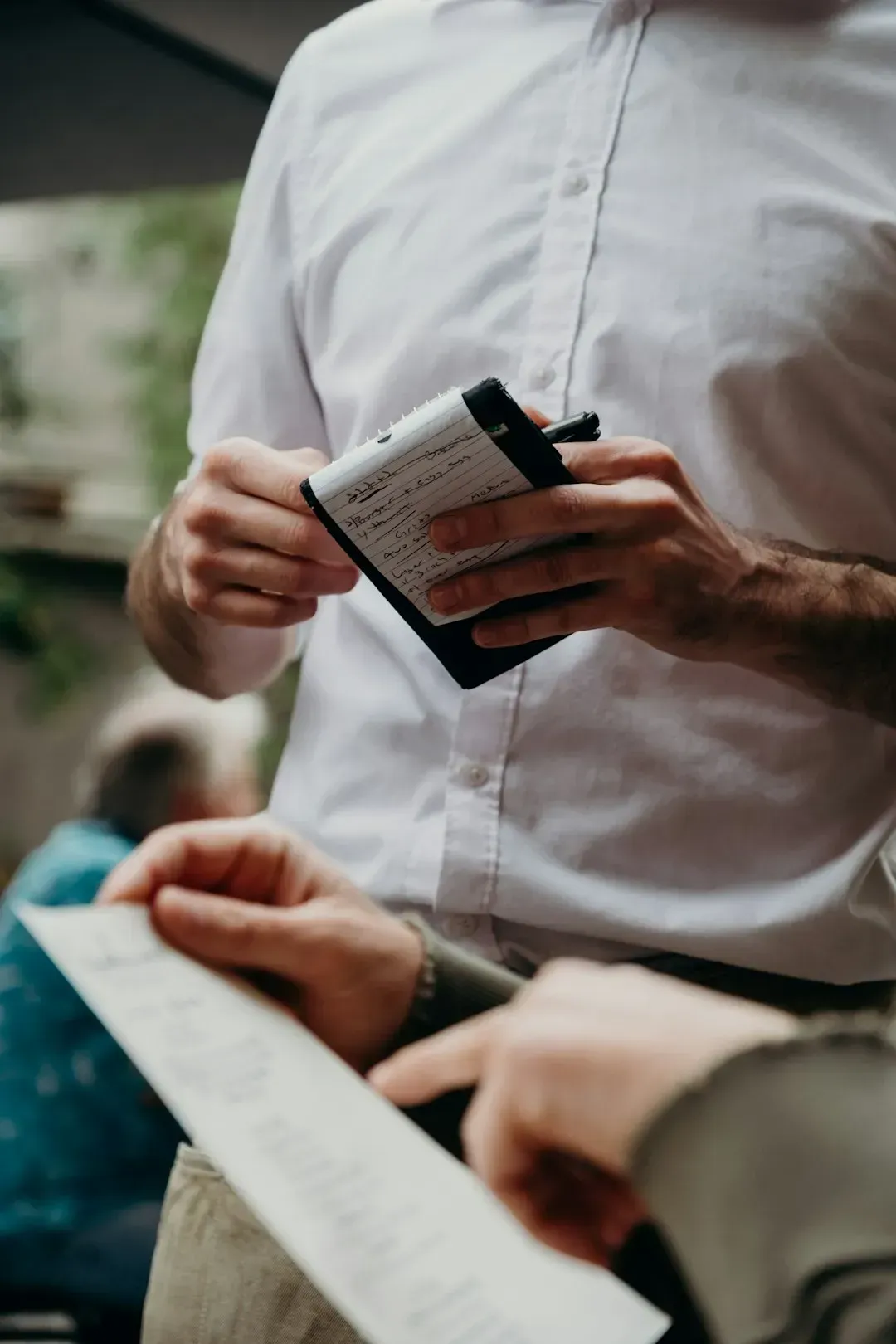
7. How they really feel about certain customer requests (Image Credits: Unsplash)
Special requests, substitutions, allergy call-outs, and modification-heavy orders create real extra work in the kitchen, and servers are well aware of the eye-rolling that happens once an order ticket hits the line. What they’re not supposed to do is let that frustration show at the table, no matter how complicated the request or how busy the shift already is.
Some restaurants take this further than others. A common example involves customers claiming a fake allergy to avoid an ingredient they simply dislike, since telling a server about an allergy means the kitchen has to sanitize everything that’s come in contact with that ingredient, and staff often know when a claim is exaggerated. Servers absorb that extra effort without comment, because pushing back on a guest’s stated needs, real or not, simply isn’t part of the job description.
None of this amounts to some grand conspiracy against diners. Most of it comes down to ordinary workplace discretion, the same kind of filtered honesty found in plenty of customer-facing jobs. Former servers tend to share these details once they’ve left the industry simply because the incentive to stay quiet disappears the moment the apron comes off.