
Most of what shapes a child’s future doesn’t happen in grand, deliberate moments. It happens in the in-between spaces: how you greet them after school, whether dinner has a phone in the room, how you react when they fail at something. These ordinary, repeatable moments stack up, and the research on child development makes clear that their cumulative weight is enormous.
The development process is cumulative, and early achievements foster additional learning later on. What that means in plain terms is that your small daily choices matter more than you might think, and they begin to count far earlier than most parents expect.
1. Reading Aloud Together Every Day
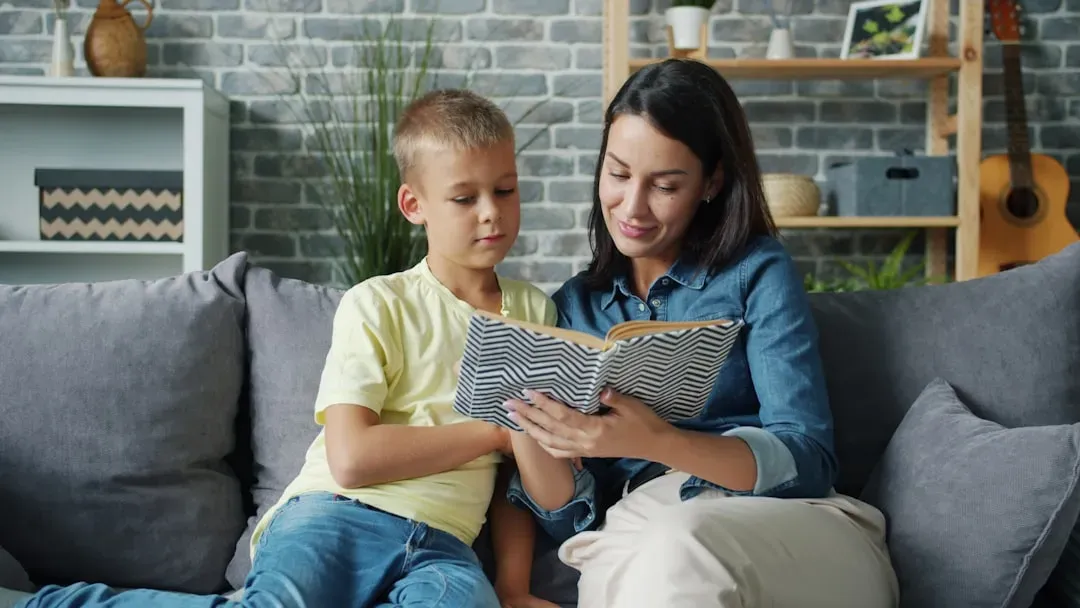
1. Reading Aloud Together Every Day (Image Credits: Unsplash)
Spending just fifteen minutes a day reading aloud can build knowledge, strengthen family connections, and set children on a path to long-term academic success. The language exposure alone is hard to replicate through any other activity. A 2019 study by The Ohio State University found that young children whose parents read to them five times daily will hear nearly 1.5 million more words by the time they turn five than children who were not read to at all.
The benefits of reading aloud to young children are well established, promoting emotional and social development, better communication skills, and cognitive ability. Experiencing language-rich interactions can cultivate a better recognition of sounds, a broadened vocabulary, and an increased attention span. The habit also creates something less measurable but just as important: a ritual of closeness between parent and child that children carry into memory for decades.
2. Eating Meals Together as a Family

2. Eating Meals Together as a Family (Image Credits: Pexels)
Over three decades of research have shown that regular family meals offer a wide variety of physical, social-emotional, and academic benefits. While some of these benefits can be gained through other activities, eating together is the only single activity known to provide all of them at the same time. That's a striking finding, and it shifts family dinner from a nice tradition into something genuinely protective.
Greater family meal frequency protects children and adolescents against a poorer diet, obesity, risk behaviours, poorer mental health and wellbeing, and poorer academic outcomes. One study found that adolescents feel happier, experience less stress, and have a stronger sense of fulfillment on days they eat with their family. It doesn't need to be a formal dinner. Even a shared breakfast carries much of the same benefit.
3. Maintaining Consistent Daily Routines
3. Maintaining Consistent Daily Routines (Image Credits: Unsplash)
Research shows that routines help regulate stress hormones, promote emotional resilience, and support cognitive development by reinforcing neural pathways associated with organization and self-regulation. A predictable structure gives children a sense of safety that frees up mental energy for learning, play, and emotional growth rather than managing uncertainty.
Out of eighteen studies reviewing the impact of routines on children's self-regulatory and executive function skills, sixteen found positive correlations while two showed mixed results. Executive function, which includes planning, focus, and impulse control, is one of the strongest predictors of success across adulthood. The simple act of keeping regular bedtimes, mealtimes, and homework windows is quietly building that capacity every single day.
4. Showing Warmth and Emotional Responsiveness

4. Showing Warmth and Emotional Responsiveness (Image Credits: Unsplash)
Warm, nurturing caregiving promotes the release of oxytocin and other neurochemicals associated with bonding and stress reduction, fostering emotional resilience and well-being in both children and parents. This isn't just feel-good language. The neuroscience here is real and measurable. Warm parenting during middle childhood was associated with how the amygdala was differentially connected to other parts of the brain, and parenting warmth predicted reduced anxiety and depression fifteen years later during the COVID-19 pandemic due to its effects on the amygdala.
Studies show that youngsters with less warmth, acceptance, or a high level of rejection and criticism from parents develop a poor self-image and negative cognitive style. Warmth isn't about being permissive or avoiding difficult conversations. It's about the baseline emotional temperature of your relationship with your child, and children are extraordinarily sensitive to it at every age.
5. Modeling Emotional Regulation

5. Modeling Emotional Regulation (Image Credits: Unsplash)
Harsh or inconsistent parenting can trigger the release of stress hormones such as cortisol, contributing to a heightened stress response and impairing neural circuits involved in emotion regulation and stress management. Children are watching how you handle your own frustration, disappointment, and stress, and they are wiring their own responses accordingly. Chronic exposure to stress during childhood can have lasting effects on brain structure and function, increasing the risk of mental health problems later in life.
Through attuned responses, active listening, and empathetic validation, parents create a safe environment where children can express themselves authentically and learn to navigate their emotions effectively. Co-regulation not only fosters emotional resilience and self-awareness but also strengthens the parent-child bond, laying the groundwork for lifelong trust and connection. In other words, the way you manage your own emotions in front of your child is one of the most potent lessons they will ever receive.
6. Engaging in Open, Curious Conversation

6. Engaging in Open, Curious Conversation (Image Credits: Pexels)
There is a vast amount of evidence from psychological studies that the amount of parent-child interaction affects the development of children's verbal skills and knowledge. Talking with your child, not just at them, builds language, reasoning ability, and a sense of being genuinely heard. Shared family mealtimes may help promote language development in particular; research has demonstrated that exposure to certain types of talk during mealtimes may foster later reading scores and vocabulary size.
Structural equation modeling revealed that children who experienced more positive caregiver-child verbal interactions had higher thirty-six-month language skills, which indirectly led to higher kindergarten academic and social skills. The quality of the conversation matters, not just the volume. Asking open-ended questions, following a child's curiosity, and thinking out loud together does more for cognitive development than drilling facts or giving lectures.
7. Supporting a Consistent Sleep Schedule

7. Supporting a Consistent Sleep Schedule (Image Credits: Pexels)
Childhood obesity and overweight are influenced by the family environment, diet, sleep, and mental health, with parents playing a key role in shaping behaviors through routines and practices. Sleep sits at the center of this web. When parents establish and protect a consistent bedtime, they are directly influencing their child's attention span, emotional regulation, memory consolidation, and physical health all at once.
Children whose sleep is irregular or insufficient consistently show more behavioral problems, lower academic performance, and higher rates of anxiety. The habit of treating sleep as non-negotiable, rather than a flexible casualty of busy evenings, is one of the quietest and most powerful things a parent can do. Protecting your child's sleep is, in effect, protecting their developing brain.
8. Encouraging Effort Over Outcome

8. Encouraging Effort Over Outcome (Image Credits: Pexels)
Children interpret environmental stimuli such as parental motivation, disciplinary actions, or classroom experiences through cognitive appraisal, which then elicits positive or negative emotional responses. Empirical studies consistently support this framework, demonstrating that parental motivation fosters cognitive and emotional development in children. The way a parent responds to a child's failure or struggle shapes how that child will interpret future challenge.
When parents praise the process rather than just the result, consistently expressing interest in how their child approached a problem rather than only celebrating the grade or trophy, children develop what researchers describe as a growth mindset. They come to see effort as meaningful rather than as evidence of inadequacy. Parenting gives a child the confidence to face crucial, challenging problems. That confidence is built slowly, through repeated small moments of being encouraged to try again.
9. Limiting and Modeling Healthy Screen Use

9. Limiting and Modeling Healthy Screen Use (Image Credits: Unsplash)
Limited rules can lead children to develop unhealthy habits, increasing their risk of health issues later in life. Children without boundaries enjoy considerable freedom in making decisions about their bedtime, homework, and screen time. Such extensive freedom can foster negative habits, as parents often provide little guidance on moderation. Screen time itself isn't the enemy, but unstructured, unlimited access to devices, particularly when parents model constant phone use at home, sends a clear signal about what deserves attention.
Higher amounts of social media usage among children and teens have been correlated with poor sleep, low self-esteem, depression, and anxiety. Parents who establish clear household norms around devices, putting phones away during meals, keeping bedrooms screen-free, engaging in offline activities together, demonstrate those norms through their own behavior. Children are far more likely to follow what parents do than what parents say.
10. Staying Involved in Their Learning Without Hovering
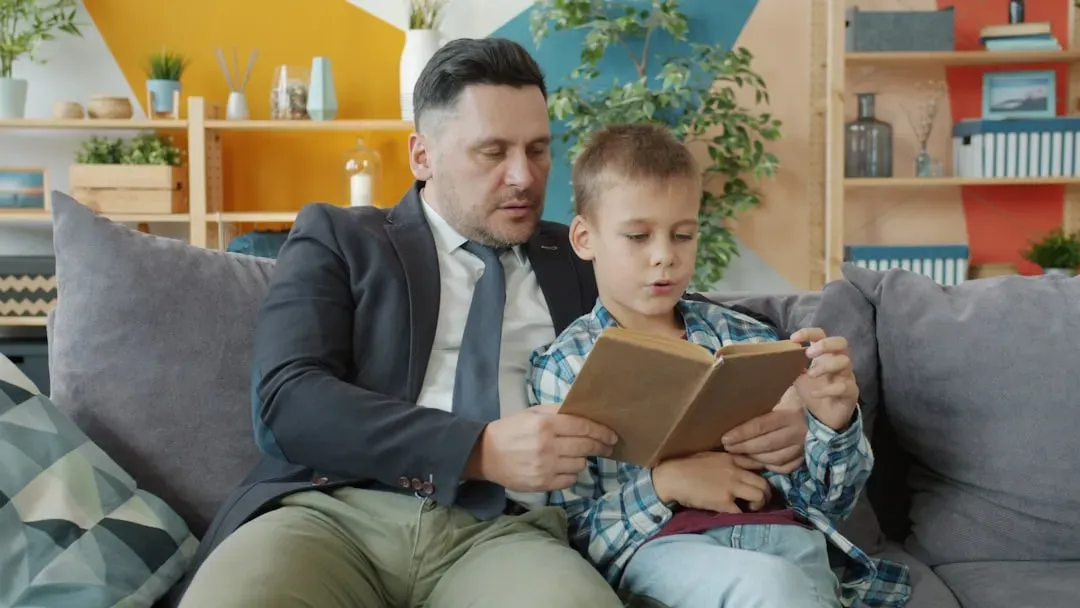
10. Staying Involved in Their Learning Without Hovering (Image Credits: Unsplash)
The impact of parenting styles on academic performance and problem-solving skills is well-documented. Meta-analytic evidence links authoritative parenting to enhanced academic performance and language skills in preschoolers. The key word here is authoritative, which is distinct from authoritarian. Authoritative parents set clear expectations, stay genuinely curious about what their child is learning, and provide support without taking over.
Supporting and sensitive parenting offers children security and confidence; parents promote reasonable regulations and self-initiation in social and non-social experiments. Showing up to school events, asking real questions about what they're studying, and helping them organize their work without doing it for them communicates something essential: that learning is valued in this family. That message, repeated daily, is one of the most durable academic advantages a parent can provide.
11. Being Physically Present and Genuinely Attentive
11. Being Physically Present and Genuinely Attentive (Image Credits: Unsplash)
Early exposure to harsh parenting during preschool years can have widespread effects on the organization of the entire brain's communication. Later exposures affect specific brain areas. The flip side of this, though, is equally well established: warm, attentive presence during sensitive developmental windows has lasting protective effects on the brain. Physical presence alone isn't enough. It's the quality of attention within that presence that determines the impact.
Positive maternal behavior in early adolescence may contribute to the long-term normalizing of brain activation by having an enduring effect on brain structural integrity and function. A parent's upbringing style can significantly influence a child's behaviors and actions as they age. However, as children grow older, other factors such as therapy, culture, employment, and social circles can further shape or alter their conduct. Daily attentiveness, simply being there and actually present rather than distracted, is where much of that foundational influence is created, one ordinary day at a time.
None of these habits require perfection. Families miss dinners, routines break down, and parents lose their temper. The research on child development has never been about flawless parenting. It's consistently been about the pattern: what happens most of the time, how children experience the daily texture of family life, and whether the general direction is warm, engaged, and consistent. That much is genuinely within reach.