
Something has quietly shifted in the way people approach love. It’s not just the apps or the algorithms – it’s the expectations themselves. What people want from a partner has grown more layered, more demanding, and in some ways, more conflicted than at any point in recent memory.
Data collected across 2024 and 2025 paints a picture that’s both hopeful and a little unsettling. People still believe in love. They still want commitment. The trouble is that the gap between what they want and what they know how to build has never been wider.
The "Do Everything" Partner Problem

The "Do Everything" Partner Problem (Image Credits: Pexels)
Singles have ramped up their expectations when seeking dates, wanting potential partners to be an instant best friend, lover, therapist, and travel buddy all in one. That's a lot of weight to place on one human being. It's a shift that sounds empowering on paper – knowing your worth, refusing to settle – but in practice, it may be setting relationships up to fail before they begin.
Rather than expecting one partner to be a best friend, therapist, and sole emotional safety net, experts suggest people distribute emotional labor across multiple relationships. In 2026, fulfillment may come less from "having it all" with one person and more from having the right people in the right roles. That's a meaningful recalibration, though it asks people to rethink some deeply ingrained romantic ideals.
Dating Is Actually in Recession
Dating Is Actually in Recession (Image Credits: Unsplash)
Young adults today are living in a depressed dating economy. The 2026 State of Our Unions report pursued greater insight on the challenges of contemporary dating through the 2025 National Dating Landscape Survey, a nationally representative sample of 5,275 unmarried young adults ages 22 to 35. Most young adults are not dating much, and many are struggling with significant barriers to initiating dating relationships.
Only about 30 percent of young adults reported that they are dating, either casually or exclusively. When asked how often they were dating, only about a third of young adults reported being active daters – dating at least once a month. Nearly three quarters of women and nearly two thirds of men reported they had not dated, or had dated only a few times, in the last year. Those are striking numbers, especially given how much cultural conversation surrounds modern romance.
Exhaustion Has Become the New Normal

Exhaustion Has Become the New Normal (Image Credits: Pexels)
Nearly half of singles report feeling burned out by dating, while more than half say the modern dating landscape leaves them drained. Yet many are taking intentional steps to reset: nearly half have taken breaks from dating to recharge, and two-thirds say those pauses helped clarify what they want. The burnout is real, but so is the recovery instinct.
More singles are now taking short dating detoxes to preserve their emotional energy. People aren't mass-deleting their dating apps, but they are carving out necessary breathing room to return refreshed with a calmer outlook. There's something quietly telling about a generation that needs scheduled breaks from the act of trying to find love.
The Gender Gap Is Getting Wider, Not Smaller
The Gender Gap Is Getting Wider, Not Smaller (Image Credits: Unsplash)
New research reveals a striking answer: roughly seven in ten singles believe there's a growing gap between men and women in their dating expectations, behaviors, and relationship preferences. This isn't just about minor disagreements over who pays for dinner – it involves fundamental differences in how men and women approach modern relationships, differences that are getting wider, not smaller.
The gender gap is real, and people are perceiving it that way. About seven in ten singles say it's widening, especially among Gen Z, where that figure climbs even higher. Men often feel misjudged as commitment-phobic or emotionally unaware, while women say they're wrongly labeled as demanding or too independent. Neither side feels fairly seen, which doesn't exactly create the conditions for connection.
Romantic Idealism Is Rising Despite Everything
Romantic Idealism Is Rising Despite Everything (Image Credits: Pexels)
Belief in love at first sight has soared to 60 percent, up from just 34 percent in 2014. Nearly three quarters of singles still believe in forever love, and nearly seven in ten say they believe in destiny when it comes to relationships. That's a remarkable spike in romantic optimism, even as dating rates fall and burnout rises.
Even as expectations remain high, role models are harder to find. More than a third of singles say they don't know anyone in their life who represents "relationship goals." Increasingly, people are looking to social media, not their inner circle, for cues on what modern love looks like. That's a fragile foundation – curated highlight reels making a poor substitute for lived examples of lasting commitment.
The Skills Gap Nobody Talks About

The Skills Gap Nobody Talks About (Image Credits: Unsplash)
Dating resilience is low among young adults, with only about a quarter reporting that they can stay positive after a bad date or relationship setback. More than half agreed that their breakups have made them more reluctant to begin new romantic relationships. Wanting a serious relationship and knowing how to pursue one are, it turns out, very different things.
Despite a common narrative that young adults are only interested in casual dating, research found that the vast majority – more than 80 percent of women and nearly three quarters of men – strongly endorse a dating culture focused on forming serious relationships and creating emotional connections. These more traditional purposes for dating are aimed at building committed romantic relationships and learning how to facilitate personal growth. The desire is clearly there. The execution is where things break down.
Therapy Has Become a Dating Non-Negotiable
Therapy Has Become a Dating Non-Negotiable (Image Credits: Pexels)
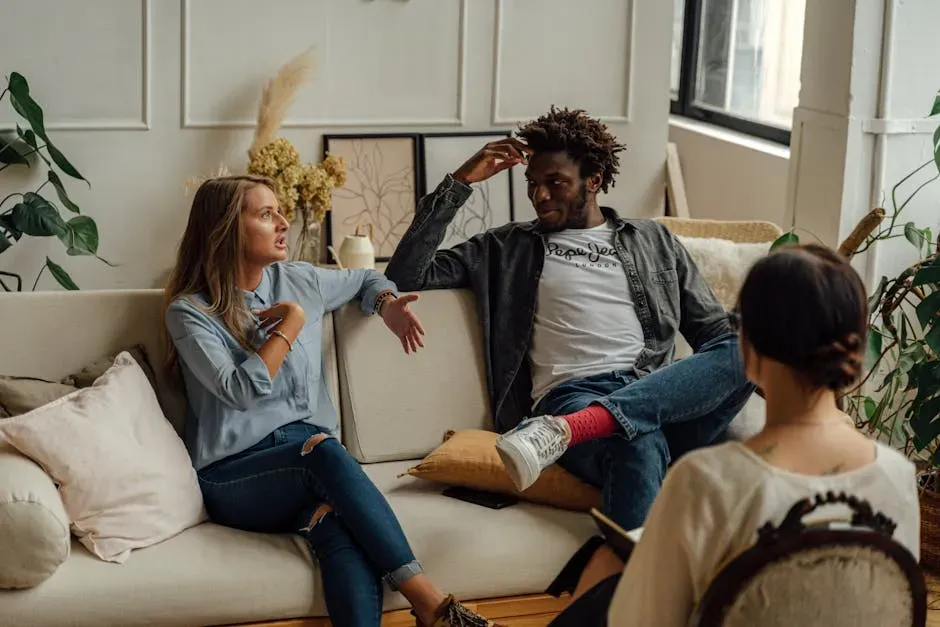
The days of romanticizing "fixing" partners with emotional baggage are over. The Millennial Intimacy Report revealed that singles want partners who are actively working on themselves or have done so in the past. More than half of survey respondents say they prefer to date people who are in therapy, and roughly one in eight actively filter for it on apps.
Being in or open to therapy signals self-growth, accountability, and emotional maturity – three non-negotiables, according to singles. It's a meaningful cultural shift. Mental health awareness has moved from stigma to screening criteria, which says a lot about how expectations around emotional readiness have evolved in just a few years.
AI Has Entered the Relationship
AI Has Entered the Relationship (Image Credits: Unsplash)
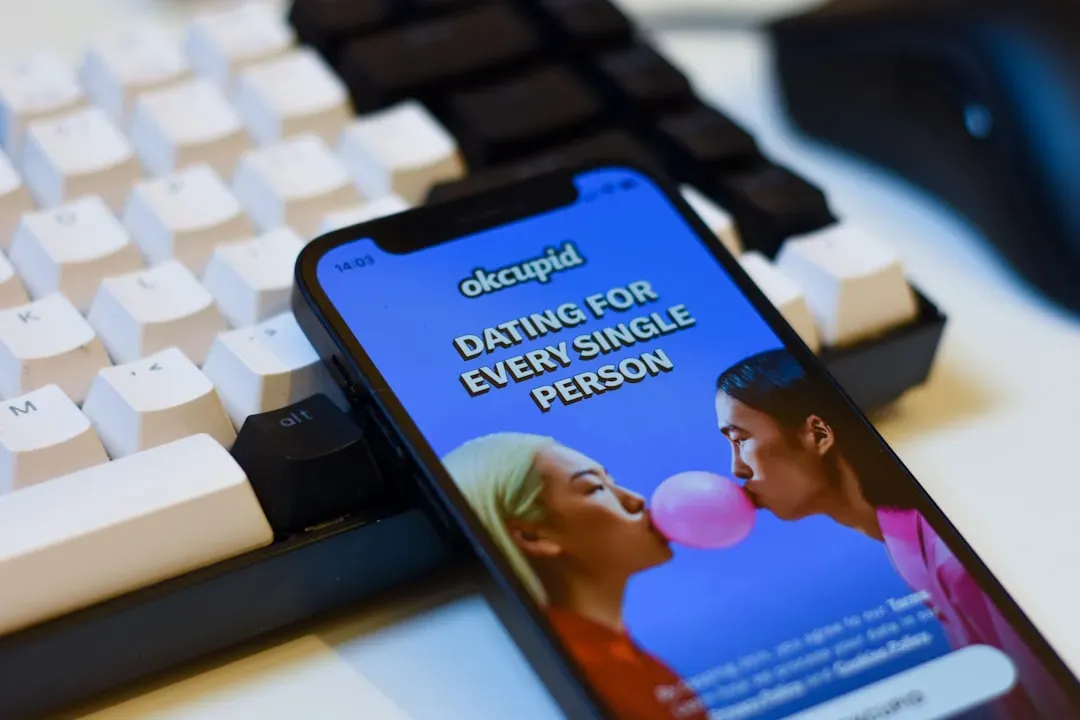
AI is now a major player in modern dating. Use of AI among singles jumped 333 percent in just one year as people turn to technology to improve their odds of finding love. Nearly half of Gen Z singles have already used AI in their dating life, whether to build better profiles, craft stronger openers, or screen for compatibility.
Research from Stanford University presented at the 2024 ACM Conference on Fairness, Accountability, and Transparency revealed concerning biases in AI relationship systems, noting that large language models have significant American, white, and male bias from their training data, leading to problematic stereotypes about emotional labor distribution in relationships. Efficiency and bias can travel together, and that's a tension the dating world is only beginning to grapple with seriously.
Money Is Now a Relationship Expectation
Money Is Now a Relationship Expectation (Image Credits: Unsplash)
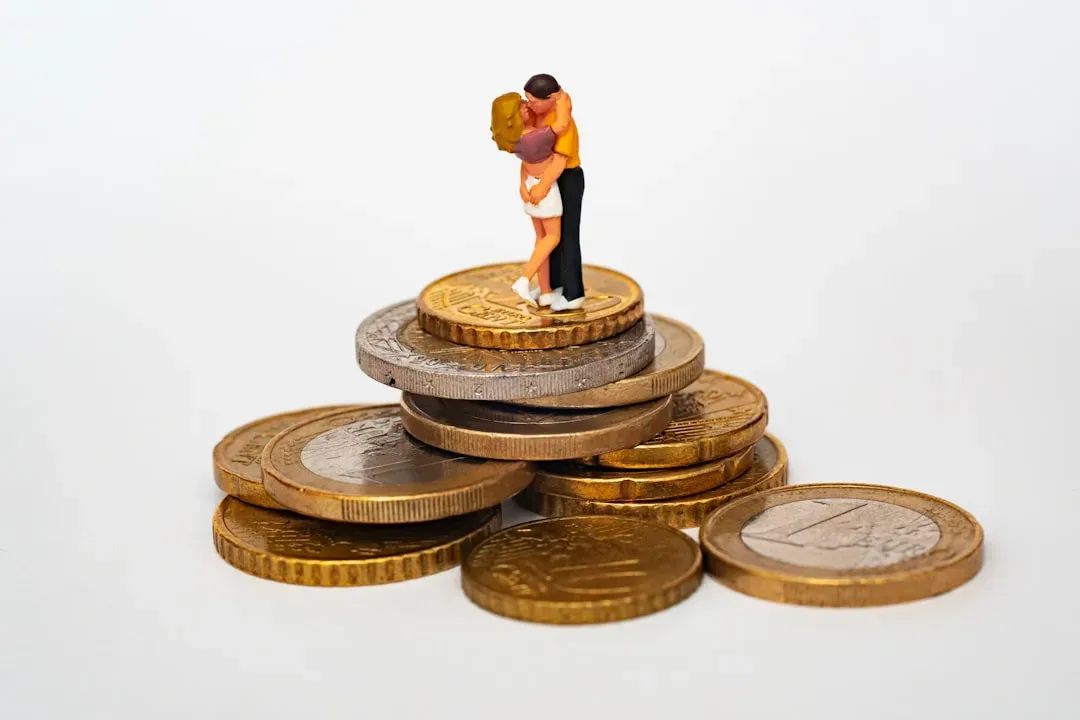
Young adults reported significant financial and social and emotional barriers to dating. The biggest barrier they expressed was not having enough money, endorsed by more than half of respondents – including well over half of men and nearly half of women. Financial stress isn't just a background condition anymore. It's actively preventing people from dating at all.
Economic alignment and long-term planning now outrank physical attraction for nearly half of women on Bumble. Economic pressures have unsurprisingly affected everyone's dating life, which is why more people are leaning into low-cost dating. According to Happn, money-conscious dating is growing, with roughly four in ten people skipping dates due to cost or opting for free activities instead. Romance hasn't died – it's just had to get a lot more budget-conscious.
Clarity Is Replacing Chemistry as the New Standard
Clarity Is Replacing Chemistry as the New Standard (Image Credits: Pexels)
After years of breadcrumbing, ghosting, and decoding mixed messages, Gen Z is over the confusion. They want dating that feels honest, joyful, low-pressure, and aligned with their values. That's a shift in the underlying premise of courtship itself – from attraction-first to communication-first.
Data also reveals that many singles are aware the communication problem wasn't entirely one-sided: nearly a quarter admitted they struggled with unclear communication themselves, and a similar share admitted they sent mixed signals. Clarity, or the lack of it, will be a decisive factor in whether relationships progress in 2026, taking precedence over chemistry when evaluating long-term potential. After years of ambiguity becoming its own relationship status, something is changing – people are finally tired of not knowing where they stand.