
There’s a persistent idea in personal finance that cash is lazy money. Park it and watch it lose ground to inflation while the stock market runs circles around it. That framing isn’t wrong exactly, but it isn’t the whole picture either.
Financial planners spend a lot of time helping clients figure out the right amount to hold in liquid reserves, and the answer is almost never zero. In the current environment of elevated market uncertainty, shifting interest rates, and lingering economic questions, keeping a thoughtful cash position may be one of the more disciplined moves you can make. Here are seven reasons why.
1. Your Emergency Fund Still Needs to Be Fully Funded
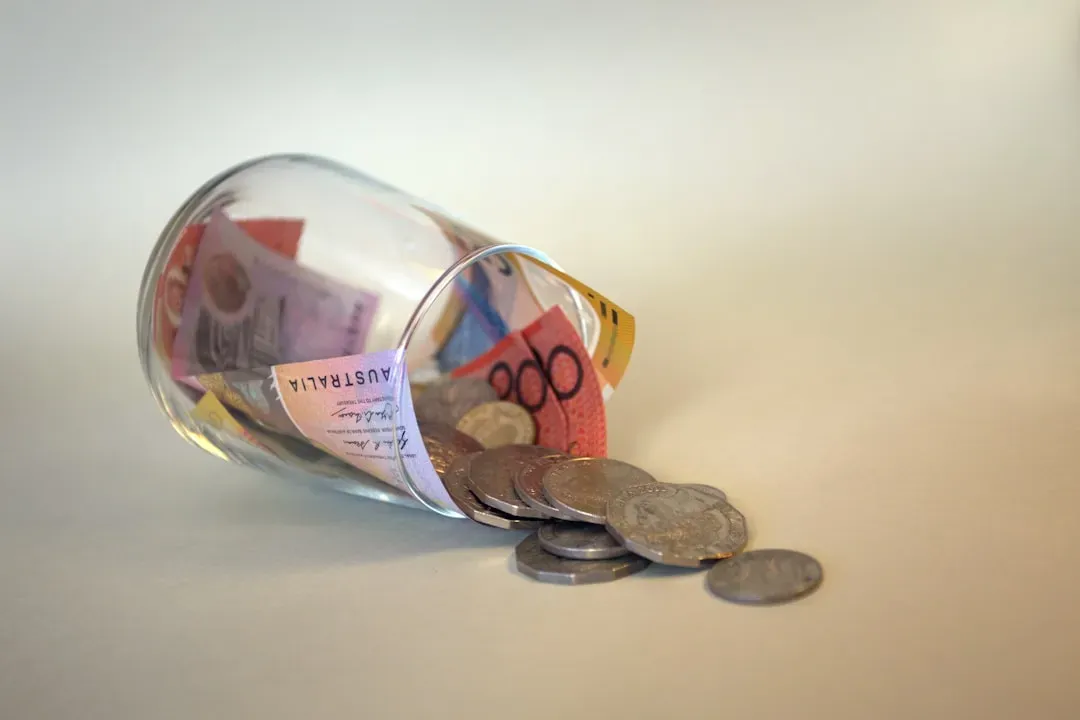
1. Your Emergency Fund Still Needs to Be Fully Funded (Image Credits: Unsplash)
Short-term investments are a smart way to hold cash you need to cover emergencies and near-term expenses. For non-retirees, that means setting aside three to six months' worth of essential living expenses in a relatively safe, liquid account, such as an interest-bearing checking account or money market fund. This isn't a new idea, but it's one many households still haven't fully acted on.
Bankrate reported in 2025 that only about 46% of Americans had enough emergency savings for three months, while roughly a quarter had none at all. The Federal Reserve similarly found that more than a third of adults can't fully cover a $400 emergency. Before any conversation about investing or optimizing, closing that gap has to come first.
2. Job Searches Are Taking Longer Than Most People Expect

2. Job Searches Are Taking Longer Than Most People Expect (Image Credits: Unsplash)
According to the Bureau of Labor Statistics, the median duration of unemployment in early 2026 is approximately 10.3 weeks, but the mean duration is nearly 23.7 weeks, which is close to six months. That's a meaningful gap between the quick setback most people imagine and the reality of how long a job search can stretch.
BLS and FRED data show the average duration of unemployment was 25.3 weeks in March 2026, which is roughly six months. That is much longer than the old "maybe two or three months" mental shortcut many families still use when they picture a rough patch. A cash cushion that looked adequate a year ago may no longer cover the actual exposure you're carrying.
3. Market Valuations Leave Little Room for Error

3. Market Valuations Leave Little Room for Error (Image Credits: Unsplash)
As we enter 2026, market valuations remain historically elevated, with the S&P 500's forward earnings yield near parity with the 10-year U.S. Treasury, an equity risk premium among the lowest on record. This near-zero spread highlights a market environment largely devoid of a margin of safety, where investors accept equity volatility without adequate compensation.
Many analysts advise holding some cash in this environment, not because you're timing the market, but because flexibility matters. If volatility spikes, having dry powder gives you a chance to buy quality assets at a discount if the market pulls back. That's not pessimism. It's positioning.
4. Cash Can Keep You From Selling Investments at the Worst Possible Moment

4. Cash Can Keep You From Selling Investments at the Worst Possible Moment (Image Credits: Pexels)
The number one reason people sell investments during a recession is that they need the money. If you have twelve months of living expenses in cash, you can ride out a significant portfolio decline without selling a single share. Your investments get to recover. Without that buffer, a job loss or unexpected expense forces you to liquidate at exactly the wrong time.
If you're within a decade of retirement, current stock market volatility may be a good reminder of a key risk that lies ahead for your nest egg. While stocks tend to offer the best opportunity for long-term growth despite their ups and downs, a persisting market downturn heading into retirement can be problematic if you'll need to tap those assets when prices are down. That can permanently reduce how long your portfolio will last. A dedicated cash reserve removes that pressure entirely.
5. High-Yield Savings Accounts Are Still Paying Real Returns

5. High-Yield Savings Accounts Are Still Paying Real Returns (Image Credits: Unsplash)
High-yield savings accounts are delivering up to 5.00% APY as of April 24, 2026, which is significantly higher than the FDIC's national average of 0.38%. That spread matters a great deal, because not all cash is treated equally. Money sitting in a standard bank account is effectively losing purchasing power, while the same cash in a high-yield account is at least working.
Savings account rates have been declining in response to six Federal Reserve rate cuts in 2024 and 2025. Despite this trend, many competitive annual percentage yields still beat inflation, so your money can keep or even increase its purchasing power. Before opening an account, confirming it carries FDIC or NCUA protection safeguards your money up to a $250,000 maximum per financial institution, and unlike stocks, your savings account balance won't experience swings dependent on the market.
6. A Near-Term Large Purchase Deserves Its Own Cash Reserve
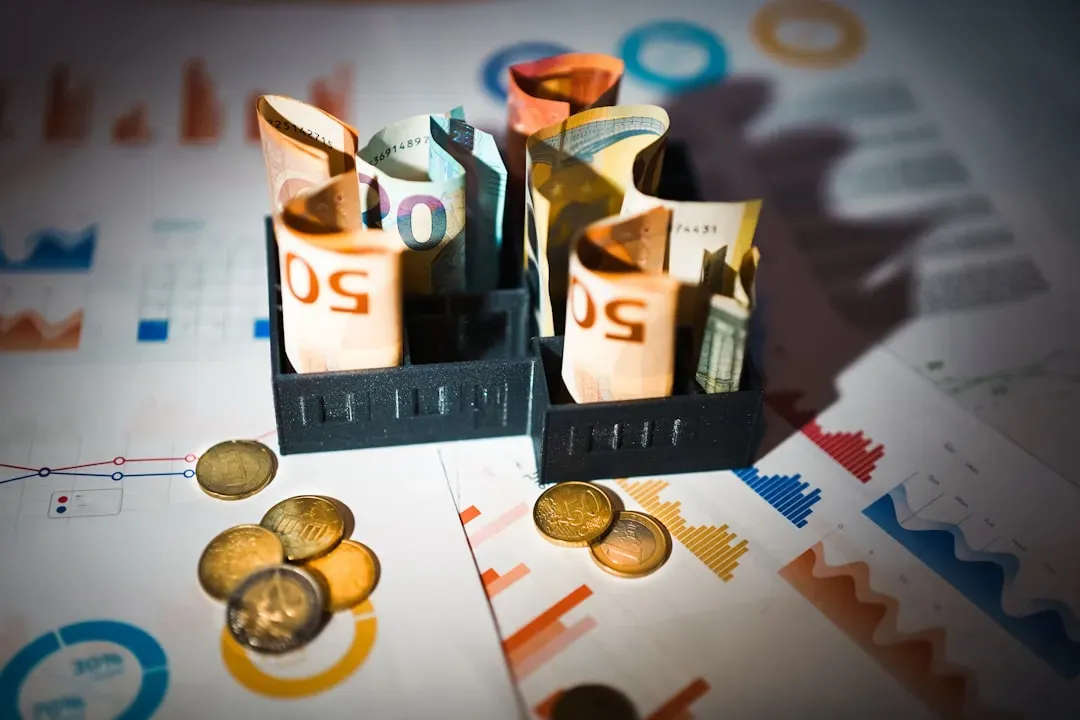
6. A Near-Term Large Purchase Deserves Its Own Cash Reserve (Image Credits: Unsplash)
Not every reason to hold cash is defensive. If you're planning to buy a home, fund a major renovation, pay for a wedding, or cover a child's tuition in the next one to three years, keeping that money in equities carries real risk. Even sophisticated investment strategies point to the same core principle: align cash holdings with near-term needs, and invest long-term dollars to support long-term objectives.
Having a clear plan can help investors stay the course when emotional or stressful unexpected events arise. Ideally, that includes enough cash to provide for short-term goals and a solid game plan for long-term investments. Short-term goals funded with short-term instruments. Long-term goals funded with long-term assets. The distinction sounds obvious until markets drop and the temptation to delay a purchase or sell something grows louder.
7. Recession Risk in 2026 Is Not Zero
7. Recession Risk in 2026 Is Not Zero (Image Credits: Pixabay)
Economists and analysts can't completely discount the risk of a recession in 2026. The trigger could take many forms, but some would be more disruptive for risk assets than others. Tariffs and inflation already moving through the economy might have a harsher impact than current models predict. No one is saying a downturn is inevitable, but prudent planning accounts for that possibility.
The S&P 500 delivered three consecutive years of double-digit gains, around 16% in 2025, 23% in 2024, and 24% in 2023. The index is not on pace to match those gains in 2026, as it is down roughly 3.5% year to date. Since 1945, the U.S. has experienced 13 recessions, roughly one every six to seven years. During the 2020 COVID recession, unemployment jumped from 3.5% to nearly 15% in two months. The households that survived financially intact shared one defining trait: liquid emergency savings. Cash isn't a permanent hiding place, but it is a sensible form of insurance when the signals around you are mixed.