
ETFs have become one of the defining financial products of the last two decades. The ETF industry has grown significantly, finishing April 2025 with over $10 trillion in assets under management. With that kind of scale, it’s easy to assume that anything carrying the ETF label must be a reasonable investment. Plenty of experienced advisors would push back on that assumption.
The truth is, not all ETFs are built the same. Some are genuinely excellent tools for long-term wealth building. Others are clever marketing dressed up in a familiar wrapper. Fees, tracking error, liquidity, exposures, and crowded flows matter more than ever when evaluating a fund. The seven categories below represent the types of ETFs that advisors quietly keep out of their own accounts, even when clients are asking about them.
1. Leveraged ETFs: The Daily Reset Trap
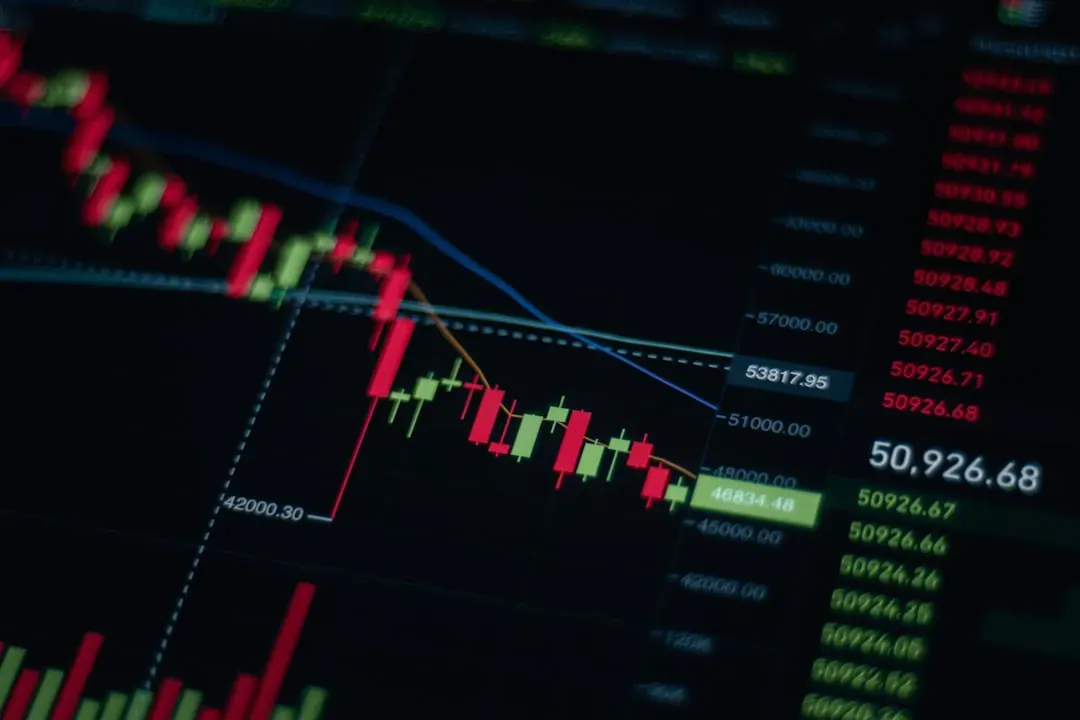
1. Leveraged ETFs: The Daily Reset Trap (Image Credits: Unsplash)
Leveraged and inverse ETFs are built on a daily-reset formula. Every night the fund re-balances to match a multiple of the index's one-day return. That sounds fine for a single-day trade, but once you hold the product for more than a day the math starts to drift. The reset wipes out the compounding effect, and the result can be a surprise loss even when the underlying index ends up where it started.
A study by Morningstar found that from January 2009 to December 2018, the average annualized return for a sample of 2x leveraged ETFs was negative 11.1%, compared to a positive return of 15.7% for the underlying indexes. This stark difference highlights the impact of volatility on the long-term performance of leveraged ETFs. Historical data shows that roughly more than half of leveraged ETFs eventually shut down and nearly one in five lost more than 98% of their value.
2. Inverse ETFs: Shorting the Market Through a Flawed Vehicle
2. Inverse ETFs: Shorting the Market Through a Flawed Vehicle (Image Credits: Pexels)
Inverse ETFs are designed to move opposite the performance of an index. They sound like a sensible hedge, especially during a down market. The reality is that holding them for more than a single session leads to the same decay problem that plagues leveraged funds. Think back to the market chop seen in parts of 2024 and early 2025. While a major index might have ended a volatile month relatively flat after a rollercoaster ride, a 2x or 3x leveraged ETF tracking it likely nursed substantial losses. That's not bad luck; it's baked into the product's structure.
In March 2022, WisdomTree's 3x Short Nickel ETF went to zero during a historic short squeeze after nickel prices spiked dramatically. This is an extreme case, but it illustrates the catastrophic downside potential when an inverse product meets an unexpected market move. Leveraged ETFs are structurally against you due to volatility decay and path dependency, and only in certain cases will actually result in higher absolute returns. The risks outweigh the benefits substantially for any long-term investor.
3. Bitcoin Futures ETFs: The Rolling Cost Problem
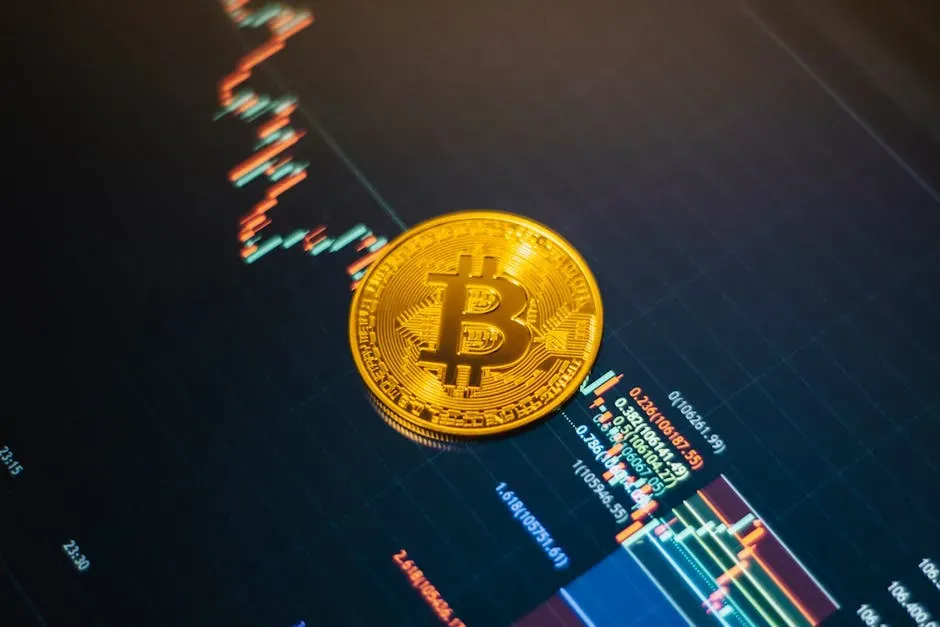
3. Bitcoin Futures ETFs: The Rolling Cost Problem (Image Credits: Pexels)
After roughly a decade of lobbying, the SEC finally approved the first physical Bitcoin ETFs in January 2024, with the first ten funds launching on January 11, 2024. Before those approvals, investors who wanted Bitcoin ETF exposure had to settle for futures-based products. Many still do, without fully understanding the difference. Futures-based ETFs invest in Bitcoin futures contracts instead of Bitcoin itself, which can lead to tracking errors and higher costs ranging from 0.95% to 2.38%, because the fund must repeatedly roll contracts forward as they expire.
Bitcoin futures mimic the daily price movements of Bitcoin. However, because the futures contracts need to be rolled over monthly, they will likely underperform Bitcoin's price moves over the long term. Other funds that invest in Bitcoin futures have experienced this problem in recent years. The practical effect is paying a premium fee for a product that consistently lags the very asset it claims to track. That's a structural drag that advisors find impossible to justify.
4. Thematic ETFs Built Around Hype Cycles
4. Thematic ETFs Built Around Hype Cycles (Image Credits: Unsplash)
A thematic ETF may offer exposure to a hot story today and be a poor long-term holding if execution or economics disappoint. Funds tracking trends like social media, cannabis, clean energy, or space exploration often launch near the peak of public interest in a theme. By the time a retail investor reads about them in a magazine or on social media, the fund's best days may already be priced in. The "crowded trade risk" is related to the "hot new thing risk." Often, ETFs will open up tiny corners of the financial markets where there are investments that offer real value to investors.
As money rushes in, the attractiveness of a particular asset can diminish. Moreover, some of these new asset classes have limits on liquidity. If the money rushes out, returns may suffer. Thematic funds also tend to carry higher expense ratios than broad-market ETFs, compounding the drag when the theme underdelivers. Advisors look at these products and see a product category designed for marketing, not long-term compounding.
5. High-Fee Actively Managed ETFs With Unproven Track Records
5. High-Fee Actively Managed ETFs With Unproven Track Records (Image Credits: Unsplash)
Out of the $9.5 trillion of investor money in ETFs, less than 8% is in active strategies, according to Morningstar. Active ETFs have been growing quickly, but that growth hasn't been matched by consistent outperformance. Active ETFs might offer manager alpha, but the success rates of active managers remain inconsistent. Morningstar data in 2025 showed active managers' one-year success rates varying by category and often falling short over longer periods. Picking active ETFs thus requires strong conviction in the manager.
The ARK Innovation ETF, for example, has a Negative Morningstar Medalist Rating, meaning analysts expect it to be one of the worst performers within its category and think it is unlikely to deliver positive returns after fees. In many big brand-name brokerages, advisors are incentivized to sell their proprietary mutual funds and ETFs. Because of the brand names, these usually carry a premium. Unfortunately, all that does is generate more annual fees without necessarily equating to better results.
6. Low-Liquidity Niche ETFs: Small Funds With Wide Spreads
6. Low-Liquidity Niche ETFs: Small Funds With Wide Spreads (Image Credits: Unsplash)
Some ETFs trade less actively, making them harder and potentially more expensive to buy or sell. This is a risk that new investors rarely think about. A fund might look attractive on paper, but if it trades a small volume each day, the spread between the buy price and the sell price can quietly erode returns on every single transaction. If an ETF is thinly traded, you could struggle to unload it quickly, and the difference between the bid price and the ask price may be greater. Assessing the bid-ask spread and average daily trading volume is important before committing.
ETFs may close if they don't attract enough assets. That said, it's not incredibly common. There were 193 U.S. fund closures in 2024, which is a small percentage of the 10,000-plus ETFs that trade globally. Still, a fund closure creates tax headaches and forced selling at inopportune times. Advisors generally steer well clear of any ETF with assets under management too small to guarantee long-term viability.
7. Proprietary ETFs Sold by Advisors With Conflicts of Interest

7. Proprietary ETFs Sold by Advisors With Conflicts of Interest (Image Credits: Pexels)
Many people forget that if you have a financial advisor, they will charge you a fee or commissions. If they buy ETFs for your account, the result is multiple layers of management fees. So, if they use ETFs or mutual funds, it is critical that they use low-cost options. The uncomfortable reality is that some advisors recommend funds that pay them, not funds that serve the client. These proprietary ETFs often carry bloated expense ratios that make no sense compared to available alternatives.
Costs eat into gains, which can have a long-term impact on how much your assets grow. For instance, $100,000 invested for 20 years with 4% annual growth and a 1% annual fee would end up growing to roughly $180,000, compared with about $220,000 with no fee at all, according to an analysis by the Securities and Exchange Commission. So, the lower the expense ratio, the less the impact on your investment gains. That gap between $180,000 and $220,000 is a powerful illustration of what fee drag actually costs over a lifetime of investing. Independent advisors managing their own money tend to go straight to the lowest-cost index funds available, which tells you everything you need to know about where their real conviction lies.