
Selling a home in 2026 is not simply a matter of listing it and waiting. After a turbulent stretch of price surges, rapid cooldowns, and fluctuating mortgage rates, the U.S. housing market is entering 2026 with a new set of dynamics, driven by persistently elevated mortgage rates and widespread inflation that have stagnated demand in many parts of the country. In that environment, buyers have become sharper, more cautious, and far less forgiving of problems they used to overlook.
Certain features have quietly moved from inconvenience to near-dealbreaker status. They may not always show up in a listing headline, but they absolutely show up in inspection reports, financing conversations, and buyer walkthroughs. These are the nine things most likely to stop a sale dead in its tracks this year.
1. Foundation Problems That Raise Red Flags on Inspection Day

1. Foundation Problems That Raise Red Flags on Inspection Day (Image Credits: Unsplash)
The biggest factors that devalue a home come from problems buyers believe will cost them money after closing, and foundation issues sit near the top of that list. A home with visible foundation cracks sends immediate signals of structural risk, and buyers rarely ignore those signals. These are expensive to fix and often signal deeper neglect, which gives buyers leverage to lower their offer or walk away entirely.
The cracks that genuinely devalue a home are horizontal ones, anything wider than a quarter inch, or cracks paired with sticking doors and sloping floors, since those point to active structural problems. Hairline settling cracks are generally manageable, but active structural movement is a different conversation altogether. Foundation cracks raise red flags during inspections, and buyers often require sellers to address problems or reduce the price to compensate, since lenders may refuse to finance homes with serious structural defects.
2. Outdated Electrical Systems That Insurers Won't Touch
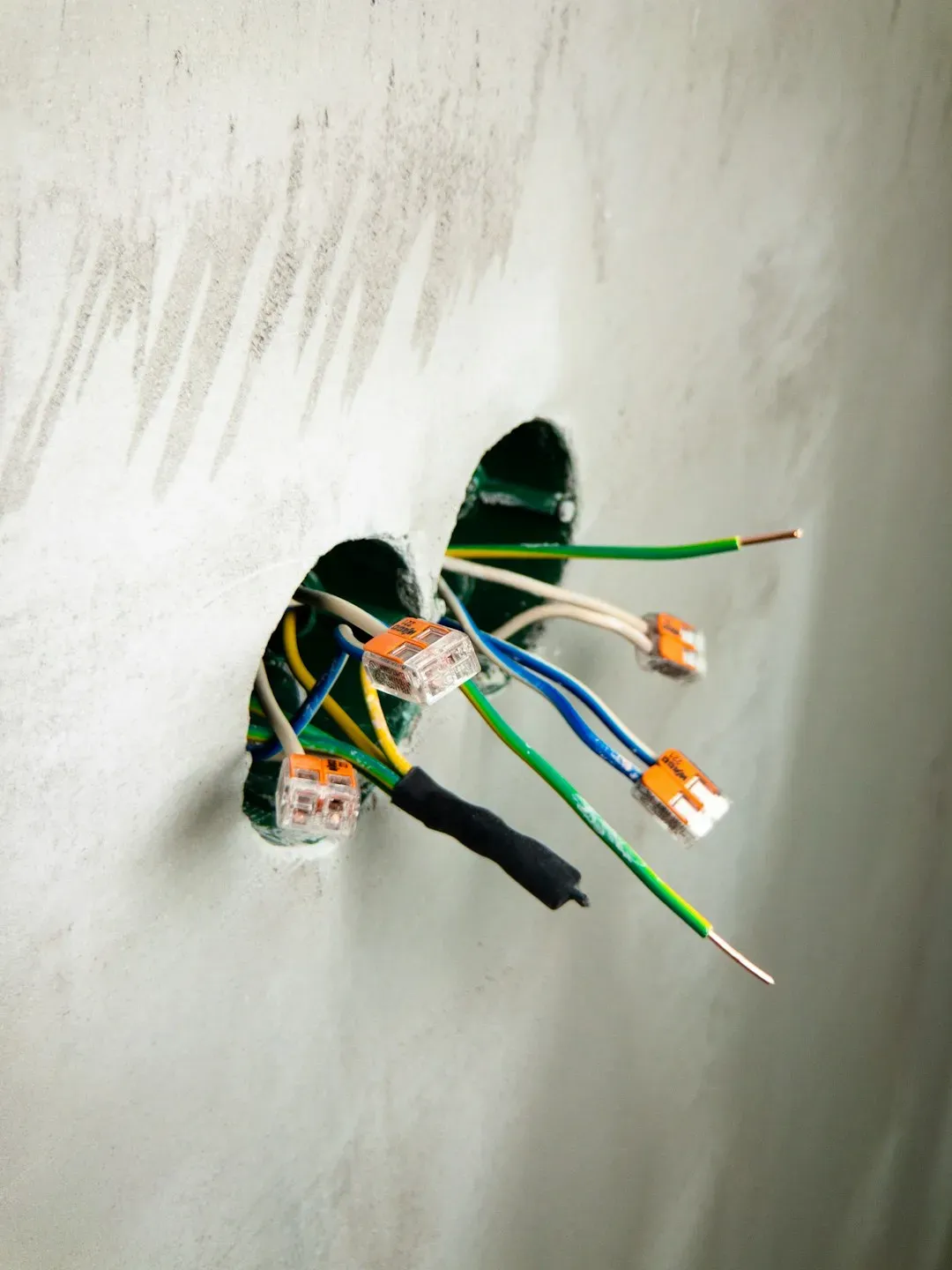
2. Outdated Electrical Systems That Insurers Won't Touch (Image Credits: Unsplash)
Older homes may feature wiring types and configurations that no longer meet modern electrical codes or energy demands, systems that were designed for a time when households used far fewer appliances and electronics. Today, the average home's electrical load is exponentially higher, from HVAC systems to kitchen gadgets, computers, and smart devices. That mismatch is a serious problem at the point of sale.
Outdated panels, aluminum wiring, and undersized breakers are common in older homes and represent serious safety hazards. The National Fire Protection Association reports that electrical failures account for roughly one in eight home structure fires, causing over one billion dollars in property damage annually. Insurance companies are well aware of this. Many will refuse to insure a home with knob-and-tube wiring or an undersized panel, which means buyers can't close even if they want to.
3. Unpermitted Additions That Complicate Financing

3. Unpermitted Additions That Complicate Financing (Image Credits: Unsplash)
Unpermitted additions include any form of remodel or renovation on a home where the owners did not obtain the proper permits from the city's building department. Little projects like painting or updating flooring don't require permits, but most larger-scale projects do. The problem surfaces fast once a serious buyer gets involved. Unpermitted work means buyers cannot tell what was done behind the walls, and it can lower home value quickly when the project involves electrical, plumbing, basement finishing, additions, or major structural changes.
Most mortgage lenders in 2026 will flag unpermitted additions during the appraisal process, and many won't approve financing on a property with significant undisclosed or unresolved unpermitted work. Beyond financing, the legal exposure is real. If the city or county discovers the unpermitted work later, the new owner may be fined or required to remove the structure entirely, and in some cases forced to bring the work up to code at considerable expense.
4. Popcorn Ceilings That Signal a Home Hasn't Been Touched in Decades
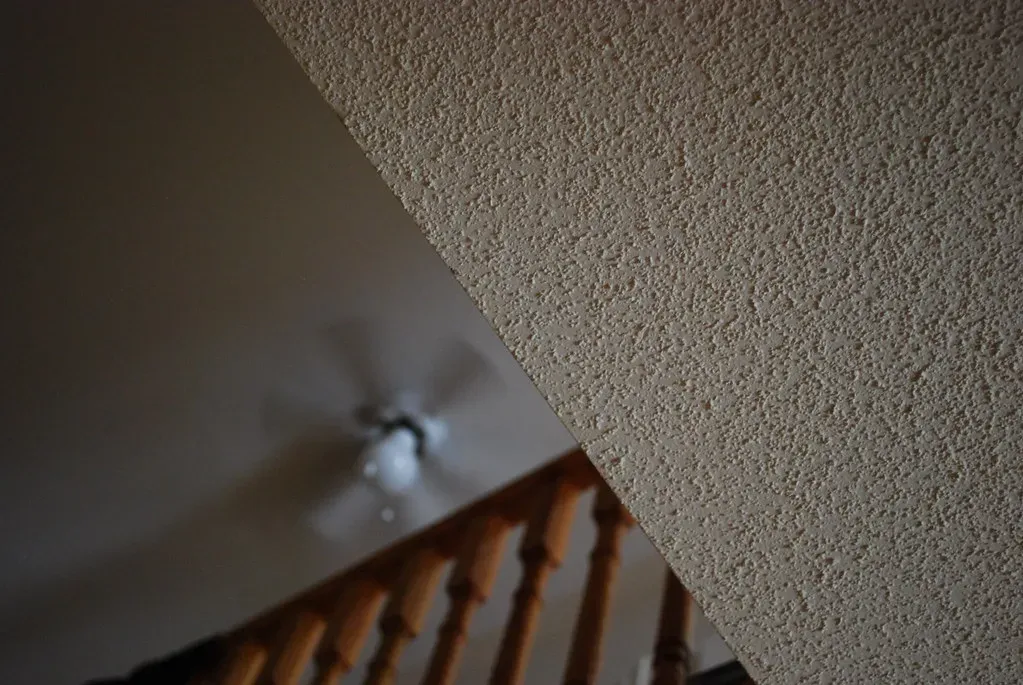
4. Popcorn Ceilings That Signal a Home Hasn't Been Touched in Decades (Czar Hey, Flickr, <a href="https://creativecommons.org/licenses/by-sa/2.0/" target="_blank" rel="noopener">CC BY-SA 2.0</a>)
Once a popular texture choice, popcorn ceilings now signal "outdated" to modern buyers. These bumpy surfaces collect dust, are difficult to clean, and often contain asbestos in older homes built before the 1980s. Removing them has become one of the first projects new homeowners tackle after purchase. The moment buyers see them, they start doing mental math on renovation costs.
Real estate agents report that homes with textured ceilings typically sell for between three and five percent less than comparable properties with smooth ceilings. Buyers increasingly view popcorn ceilings as an immediate renovation expense, not a minor cosmetic quirk. In a market where every dollar is scrutinized, that kind of deduction adds up quickly.
5. Heavily Themed or Over-Personalized Rooms
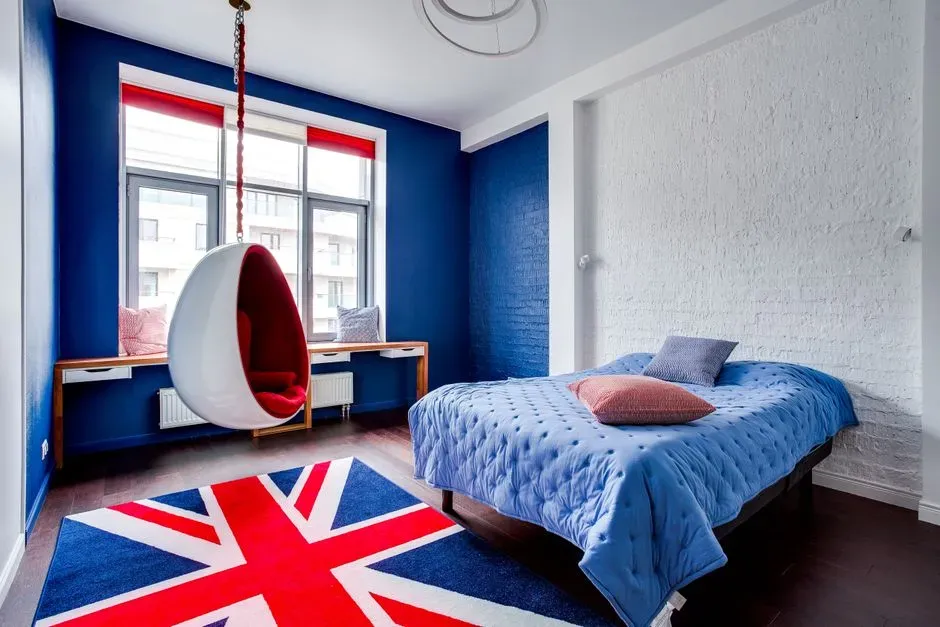
5. Heavily Themed or Over-Personalized Rooms (Image Credits: Pexels)
Housing experts warn that rooms with extreme themes, whether nautical, superhero, sports team, or a specific time period, severely limit buyer appeal. Potential buyers struggle to see past heavy theming and often calculate substantial renovation costs to neutralize these spaces. It's not just a visual problem. It's a psychological one. Buyers see bold personalization as projects they have to pay to fix rather than features they can use immediately, and it limits the home's appeal to a very small segment of the market.
Permanent conversions for niche hobbies, such as soundproof recording studios, built-in darkrooms, or wine cellars that replace pantries, can be detrimental. Converting a functional living space into a permanent area for a niche interest forces future buyers to calculate the cost of reversing the work. The more structural that personalization is, the harder it becomes to overcome at the negotiating table.
6. Wall-to-Wall Carpet in Main Living Areas

6. Wall-to-Wall Carpet in Main Living Areas (Image Credits: Pexels)
Outdated or mismatched flooring can make a home feel tired, and many buyers prefer clean, cohesive flooring throughout main living areas. Replacing worn carpet with luxury vinyl plank or engineered wood is a popular choice due to durability, cost efficiency, and modern appearance. Carpet signals maintenance concerns, especially in homes with pets or children in the history. These hard flooring materials appeal to families, pet owners, and anyone wanting low-maintenance surfaces, and buyers appreciate consistent flooring that makes the home feel larger and more updated.
The issue isn't carpet as a concept but carpet as the dominant surface of a whole home, particularly when it shows staining or wear. Visible wear hurts value even when fixes are inexpensive. Peeling paint, stained carpet, cracked tiles, or outdated light fixtures create a negative first impression, and move-in-ready homes attract more offers and higher prices because buyers can picture themselves living there without the hassle of renovations.
7. Over-Improvements That Exceed What the Neighborhood Can Support
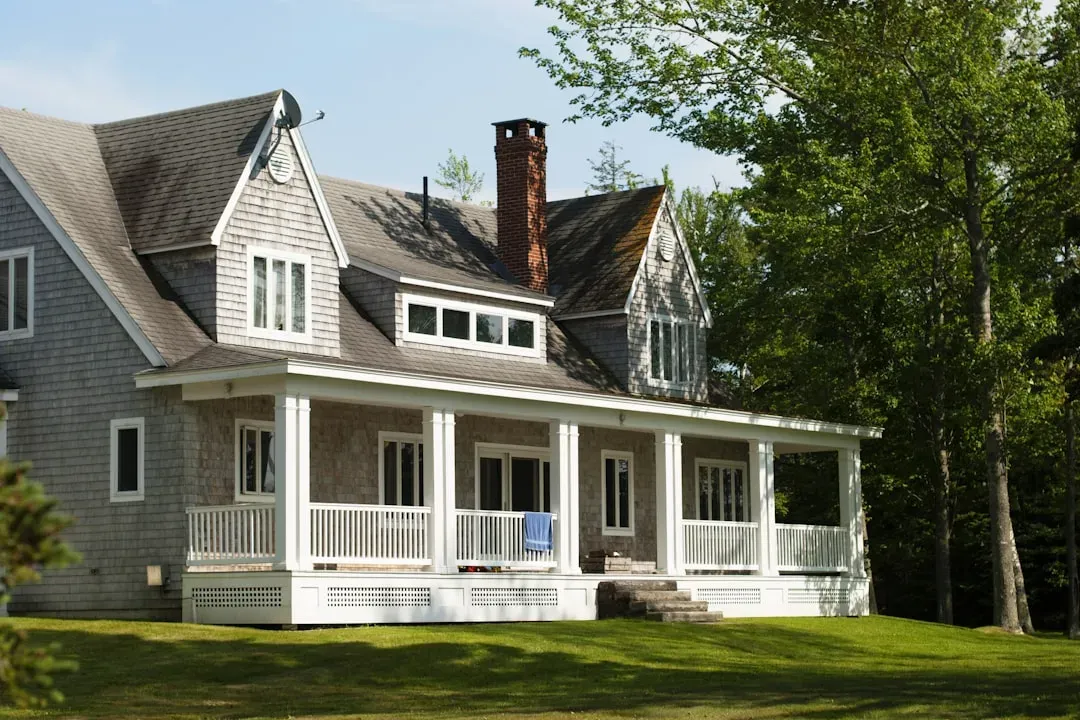
7. Over-Improvements That Exceed What the Neighborhood Can Support (Image Credits: Unsplash)
Over-improving a house with high-end finishes that far exceed the quality of neighboring homes creates an imbalance that the local market cannot support. Being the most expensive house on the block means the value is capped by lower-priced comparables. A chef's kitchen renovation that costs close to a hundred thousand dollars in a neighborhood of modest starter homes will never return that investment at closing. A minor kitchen refresh, a new roof, and curb-appeal updates routinely return between seventy and ninety-five percent of cost, while pools, sunrooms, and luxury kitchen overhauls often return less than half.
While homeowners often assume every upgrade adds equity, the reality is that specific renovations can actually alienate buyers and lower resale price. This disconnect often happens when functional obsolescence sets in, meaning changes render the home less desirable than the average property in the neighborhood. Buyers walking into a luxury renovation in a modest area don't typically pay a premium. They often wonder why the seller spent so much and feel uncertain about what else might be out of balance.
8. In-Ground Swimming Pools in the Wrong Market

8. In-Ground Swimming Pools in the Wrong Market (Image Credits: Pexels)
Homeowners often ask whether swimming pools add value, but the answer is complicated because the majority of buyers view them as a significant financial burden rather than a selling point. Many buyers see pools as a liability and a maintenance headache, and the return on investment is rarely positive in the majority of markets due to high upkeep costs. In warmer climates like Florida or Arizona, the math looks a little different, but those are also markets where competition from newer pool homes is stiff.
Pools reduce usable yard space for other activities, such as gardening or play areas, and that trade-off matters more to buyers with young families than sellers tend to realize. Families with small children often see a pool as a safety liability that requires expensive fencing and insurance adjustments. The combination of ongoing maintenance costs, safety concerns, and reduced usable outdoor space makes an in-ground pool a genuine obstacle in most non-resort markets.
9. Homes with Water Damage or Visible Mold
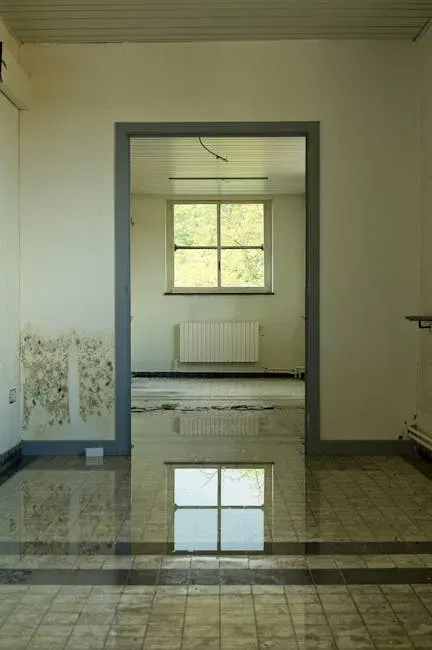
9. Homes with Water Damage or Visible Mold (Image Credits: Pexels)
In many markets, the problems that devalue a home most severely include water damage, foundation cracks, basement moisture, old HVAC, electrical or plumbing systems, and hidden hazards in older homes. While cosmetic issues matter, risk factors matter more. A musty basement, ceiling stain, or crack in the foundation makes buyers wonder what else is wrong. That doubt is nearly impossible to overcome once it takes hold during a showing.
The biggest inspection red flags include foundation problems, outdated electrical or plumbing systems, roof damage, failing HVAC, and any sign of water damage or mold. These are expensive to fix and often signal deeper neglect, which gives buyers leverage to lower their offer dramatically or walk away. Foundation cracks, an aging roof, outdated electrical, and proximity to negative externalities can each shave between five and fifteen percent off a comparable sale. Water damage compounds all of those concerns because it rarely stays contained. Once a buyer sees evidence of moisture intrusion, every wall, every floor, and every ceiling becomes a question mark.
The common thread running through all nine of these features is the same. Buyers in 2026 are not shopping for projects. Clever's 2025 American Home Buyer Report found that nearly half of buyers both made and received concessions during their purchase, with the most common concession sellers received being an as-is purchase, while the most common concession buyers received was a price reduction. Homes carrying these features are disproportionately likely to end up in one of those two situations. Addressing even one or two of these issues before listing can meaningfully shift how buyers perceive and price a property.