
Most people treat loose change as something to dump in a jar or hand over at a coffee shop without a second glance. It’s just coins, after all. But tucked inside those ordinary-looking piles of pennies, dimes, and quarters, there are occasionally pieces worth hundreds or even thousands of dollars to the right collector.
You probably have some coins that are worth more than face value in your pocket change or coin jar right now. In fact, many old valuable coins are still in circulation today, so the chances of finding them in everyday change are quite good. The key is knowing exactly what to look for before you spend them.
1. The 1943 Copper Penny – A Wartime Mistake Worth a Fortune
1. The 1943 Copper Penny – A Wartime Mistake Worth a Fortune (Image Credits: Pexels)
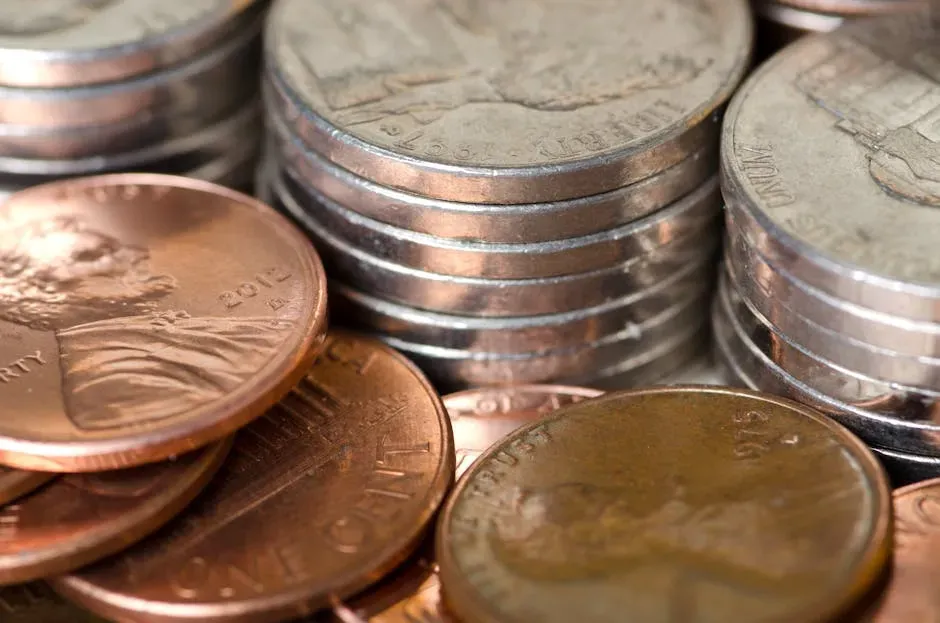
Steel pennies are Lincoln Wheat cents made in 1943. That year, the U.S. Mint produced Lincoln Wheat cents using steel, a deviation from the usual copper, to support the war effort in World War II by conserving copper. The vast majority of 1943 pennies are steel and worth relatively little in circulated condition.
No discussion about 1943 pennies would be complete without mentioning the legendary 1943 copper cent. These rare off-metal errors occurred when a few leftover copper planchets from 1942 were accidentally struck in 1943. Unlike the steel pennies, which weigh 2.7 grams and are magnetic, the copper pennies weigh 3.11 grams and do not stick to a magnet. There are only a couple of dozen known examples, and their value can exceed $100,000.
2. The 1955 Doubled Die Penny – Visible With the Naked Eye
2. The 1955 Doubled Die Penny – Visible With the Naked Eye (Image Credits: Pexels)
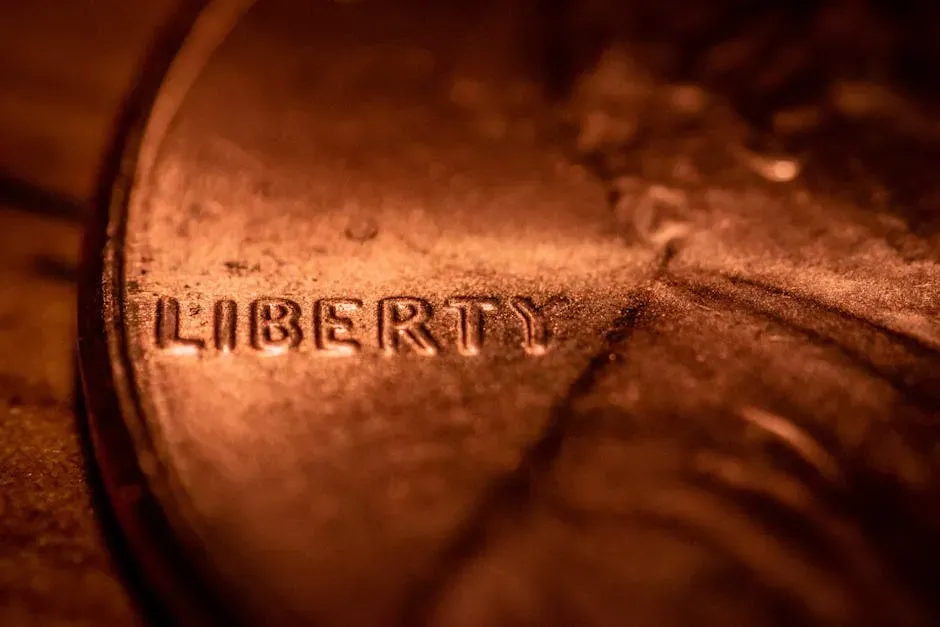
The 1955 Doubled Die Obverse is the most famous doubled die in the Lincoln cent series, and arguably in all of American numismatics. The doubling is extreme and widely separated, visible to the naked eye on the entire date and the motto IN GOD WE TRUST. This is not a subtle error you need a magnifying glass to spot.
The 1955 Doubled Die Obverse is the most famous doubled die variety, with high-grade examples exceeding $20,000. Machine Doubling and Die Deterioration Doubling are not valuable errors and are the most common source of false excitement among novice collectors. True Doubled Dies show rounded, split-serif doubling, while machine doubling shows flat, shelf-like displacement. Knowing the difference could save you from a frustrating mistake.
3. The 1916-D Mercury Dime – The King of Silver Dimes
3. The 1916-D Mercury Dime – The King of Silver Dimes (Image Credits: Unsplash)
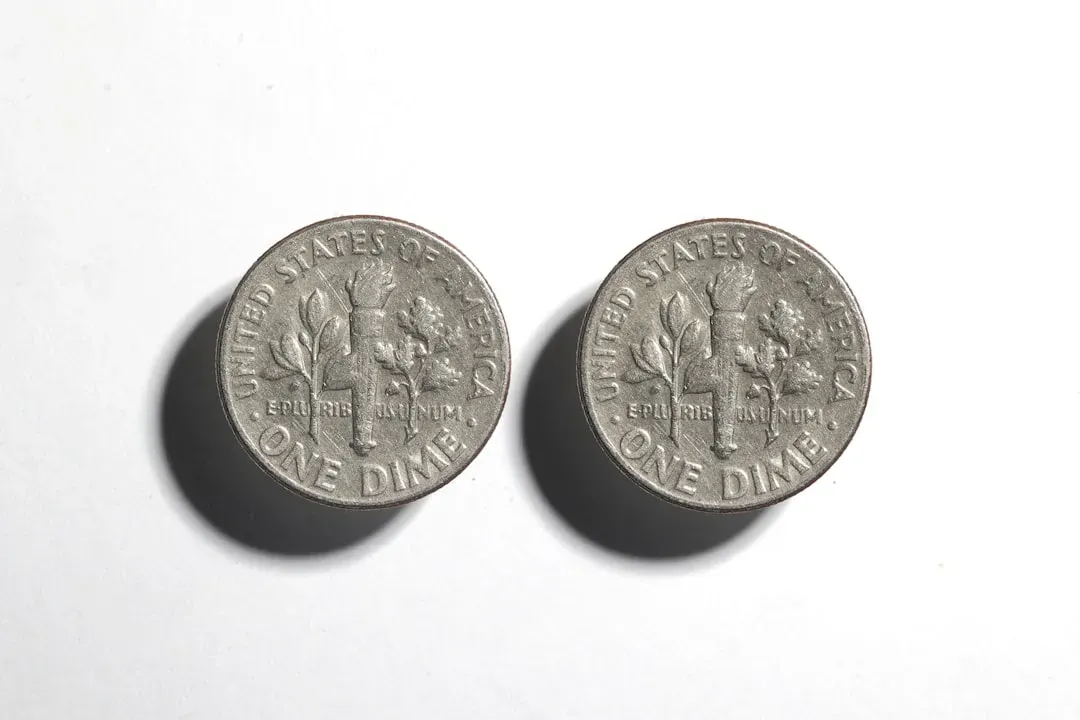
Only 264,000 were made. The Denver Mint struck barely a quarter-million Mercury dimes in 1916, the first year of the series, while Philadelphia cranked out 22 million and San Francisco produced 10 million. That tiny Denver mintage created the most famous key date in all of U.S. silver coinage.
1916-D Mercury dime values range from $1,248 to $364,250. This dime is composed of 90 percent silver and 10 percent copper. Sculptor Adolph A. Weinman created the Mercury dime, though it doesn't actually depict Mercury. The figure on the obverse is Liberty wearing a winged Phrygian cap, symbolizing freedom of thought. People saw wings and thought "Mercury," and the nickname stuck forever.
4. The 2004-D Wisconsin Quarter – An Extra Leaf That Changes Everything
4. The 2004-D Wisconsin Quarter – An Extra Leaf That Changes Everything (Image Credits: Pexels)
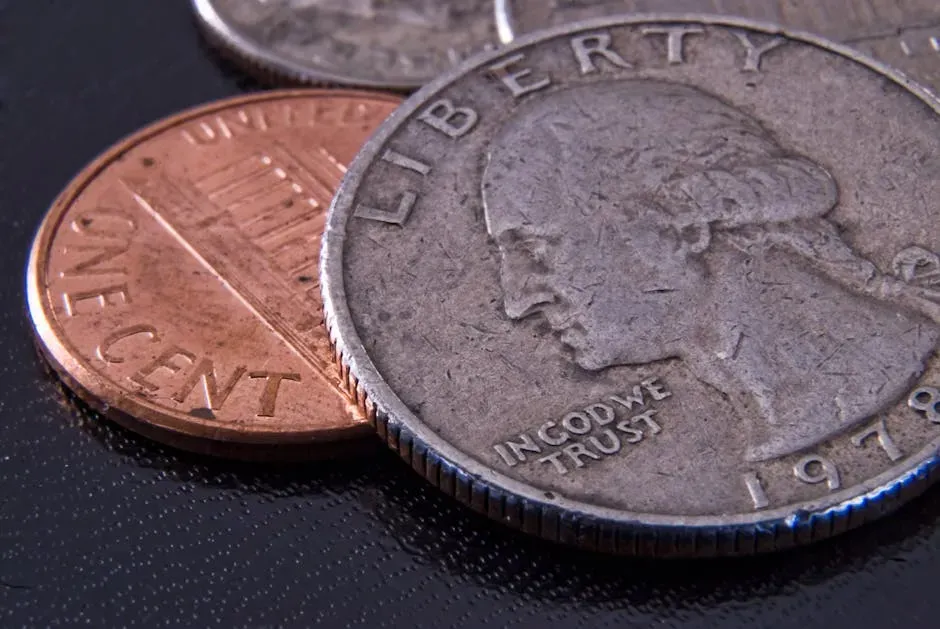
The 2004 Wisconsin State quarters minted in Denver may have a slight misprint on their designs. Specifically, these quarters have one extra leaf on the side of the coin with the corncob. Because this is an aesthetic and interesting error, 2004-D Wisconsin State Quarter error coins are actually worth more than average, sometimes selling for several hundred dollars online.
Some of these coins have a small peculiarity in that they show an extra leaf in the corn husk. Whether the extra leaf appeared on the coin by accident as a result of a minting error or whether a mint worker intentionally placed it there is still a topic of debate among collectors. Some 2004 Wisconsin quarters show the extra leaf facing down, known as Low Leaf, while others show the leaf pointing upward, known as High Leaf. In 2006, a collector paid $2,530 for a 2004-D Wisconsin quarter with a high leaf error, while another paid $6,000 in 2020.
5. The 1913 Liberty Head Nickel – Five Coins, Mythical Status
5. The 1913 Liberty Head Nickel – Five Coins, Mythical Status (Image Credits: Unsplash)
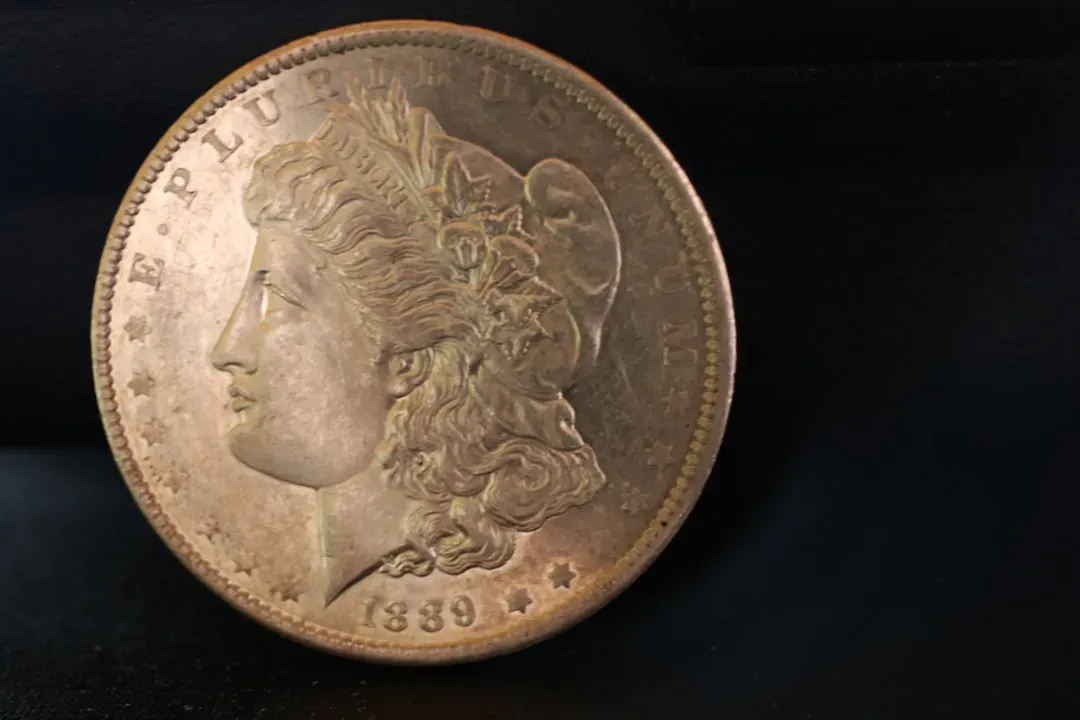
Its status among collectors is mythical, as only five specimens are known to exist. In 2010, one of these nickels sold for $3.7 million at auction. The coin was never officially authorized for production, which makes its existence one of the most debated mysteries in American numismatic history.
It's a challenge finding extremely rare coins outside of an auction house because most have already been discovered and collected. The 1913 Liberty Head nickel is perhaps the clearest example of that reality. All five known specimens are now in the hands of institutions or serious private collectors, but its legend continues to shape how people think about the hidden value of old pocket change.
6. The 1969-S Doubled Die Penny – Tens of Thousands in Your Pocket
6. The 1969-S Doubled Die Penny – Tens of Thousands in Your Pocket (Image Credits: Pexels)
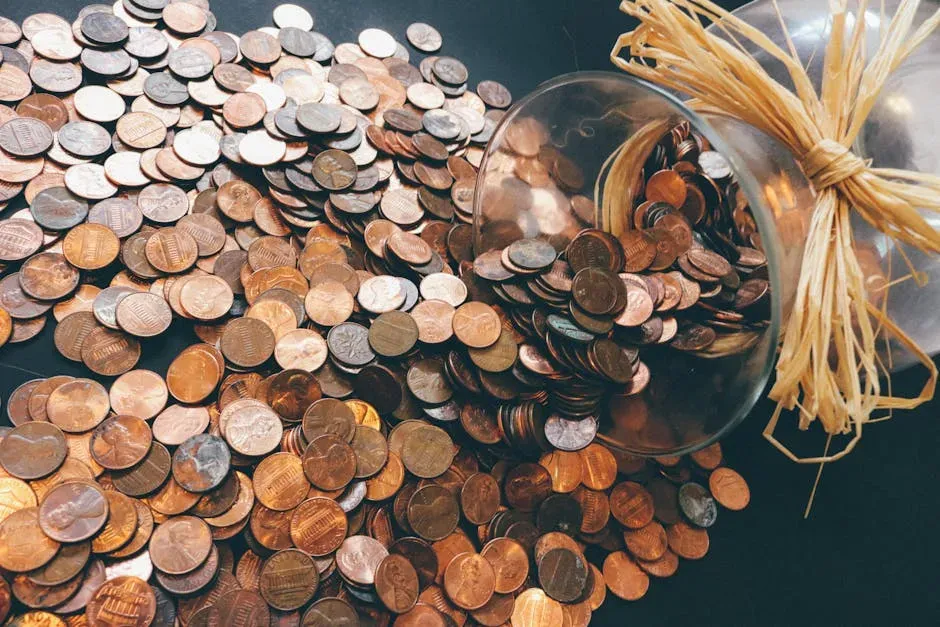
The 1969-S doubled die penny is worth $50,000 or more. Like the 1955 version, the doubling on this coin is centered on the date and lettering on the obverse, but the 1969-S is significantly rarer, making it one of the most valuable Lincoln cents a collector could stumble upon. The "S" mint mark indicates it was struck at the San Francisco Mint.
A coin's condition plays a major part in its value. Those in pristine shape that have been graded by a professional grading service will fetch the highest prices. Coins are graded on a scale from 1 to 70, with 1 being "poor" and 60-70 earning a "mint state" grading. For a coin like the 1969-S, even a worn example in lower grades can be worth a staggering amount, so don't dismiss one just because it looks tired.
7. Pre-1965 Silver Dimes, Quarters, and Half Dollars – Silver in Plain Sight
7. Pre-1965 Silver Dimes, Quarters, and Half Dollars – Silver in Plain Sight (Image Credits: Unsplash)
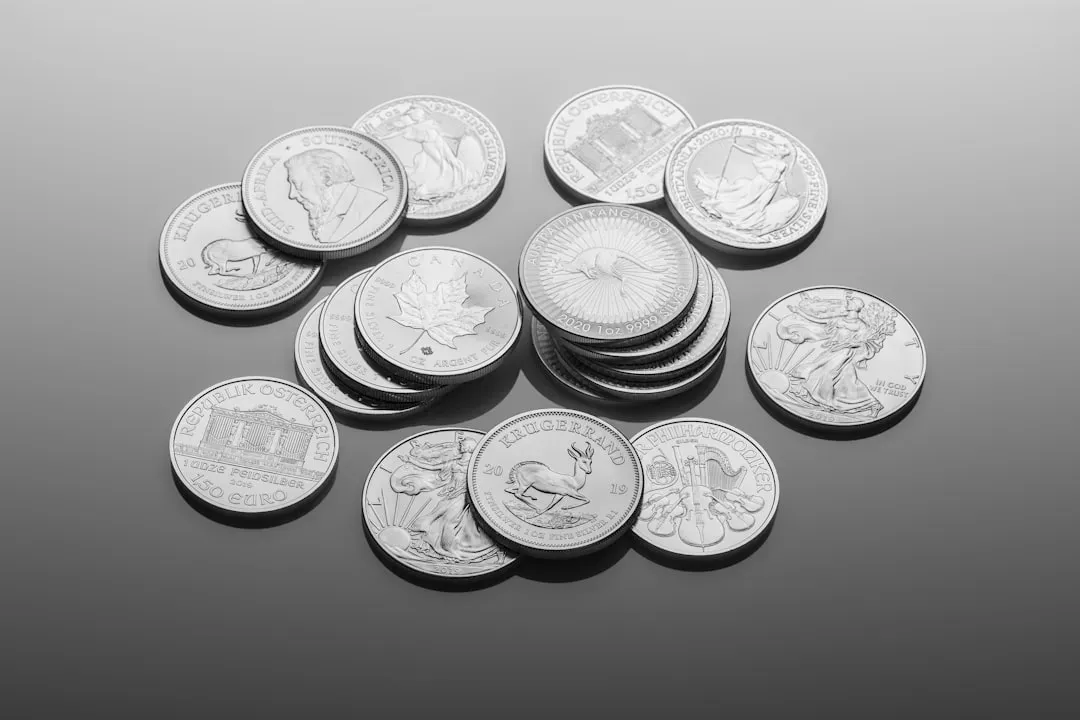
The 90% silver Roosevelt dimes, Washington quarters, and Kennedy half dollars still appear in circulation from time to time. These coins were made before 1965, when the U.S. Mint switched from a 90% silver composition to copper-nickel clad. To the untrained eye, they look just like ordinary coins.
Pre-1965 quarters are worth at least 15 times their face value, at $3.75 or more apiece. Silver half dollars from 1970 and earlier are valuable for their silver content alone. As of 2025, the global rare coin market is thriving, projected to grow from $30.43 billion in 2023 to over $61 billion by 2032. That rising interest means even common silver coins are worth pulling from circulation without hesitation.
Most of these coins don't announce themselves. They sit quietly in change jars, estate sale boxes, and old coat pockets, waiting. Among the best places to hunt for valuable coins are antique stores, estate sales, flea markets, garage sales, coin shows, and bankrolls. A little patience, a decent magnifying glass, and a working knowledge of what to look for can turn a mundane habit into something genuinely rewarding. The change in your pocket has been there for decades. It might be worth a second look.