
There’s something almost uncanny about watching a person sit down to eat. Within the first few minutes, before they’ve said much of anything, you already have a fairly complete picture. The way they handle their napkin, whether they wait for others, how they hold a fork – each one is a tiny window into the household they grew up in.
Good table manners aren’t just about impressing others. In psychology, these behaviors often reflect how someone learned to navigate social situations early in life. The habits that stick into adulthood are rarely the ones people learned from a book. They’re the ones absorbed, mostly without realizing it, at a family dinner table night after night.
1. Whether They Wait for Everyone Before Eating

1. Whether They Wait for Everyone Before Eating (Image Credits: Pexels)
Patience at the dinner table speaks volumes about upbringing. Many families with formal dining traditions teach children to wait until every person has their plate before picking up a fork. This practice shows respect for the group and values the communal experience over individual hunger.
People who grew up with this rule don't even think about it anymore – it's automatic. They sit comfortably, making light conversation while others are still being served. Meanwhile, someone unfamiliar with this custom might dive right in, not realizing the silent signal they're sending.
2. What They Do With Their Napkin
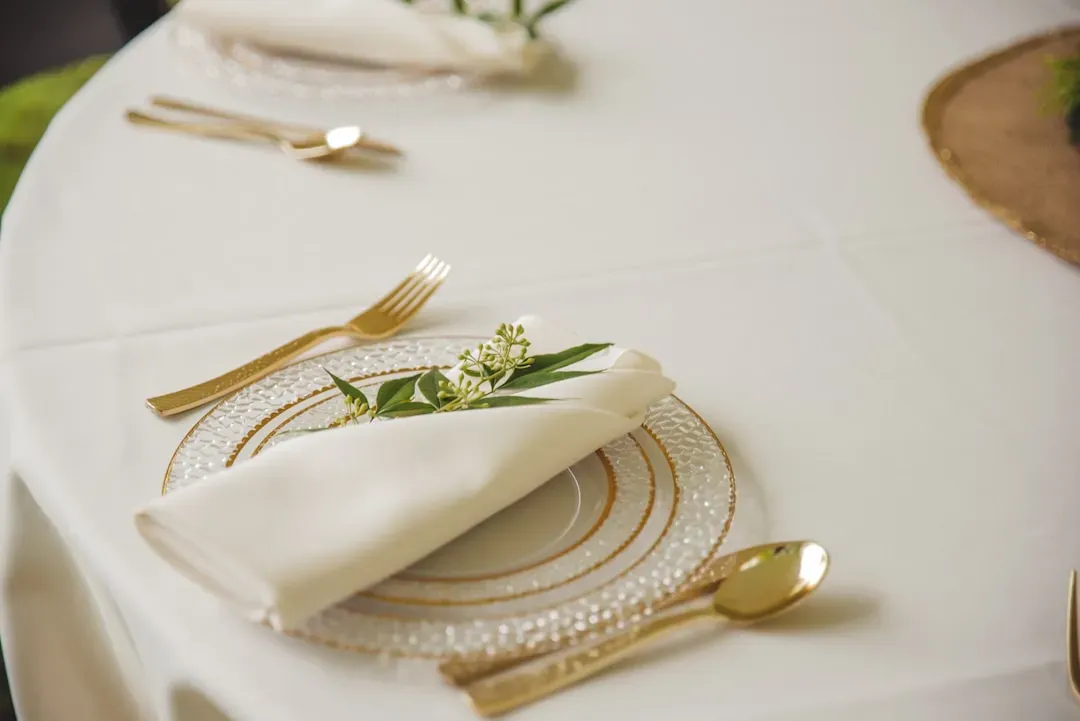
2. What They Do With Their Napkin (Image Credits: Unsplash)
People raised with certain standards instinctively place the napkin on their lap without needing to be told. They use it gently throughout the meal, dabbing rather than wiping their mouth. They never tuck it into their collar, wave it around, or leave it untouched on the table.
When they leave the table mid-meal, they place it neatly on their chair, not their plate. It's a small ritual, but it signals an awareness of shared space and the comfort of other diners. Most people who do it correctly have no memory of being taught – it simply became part of how eating works.
3. How They Hold Their Utensils
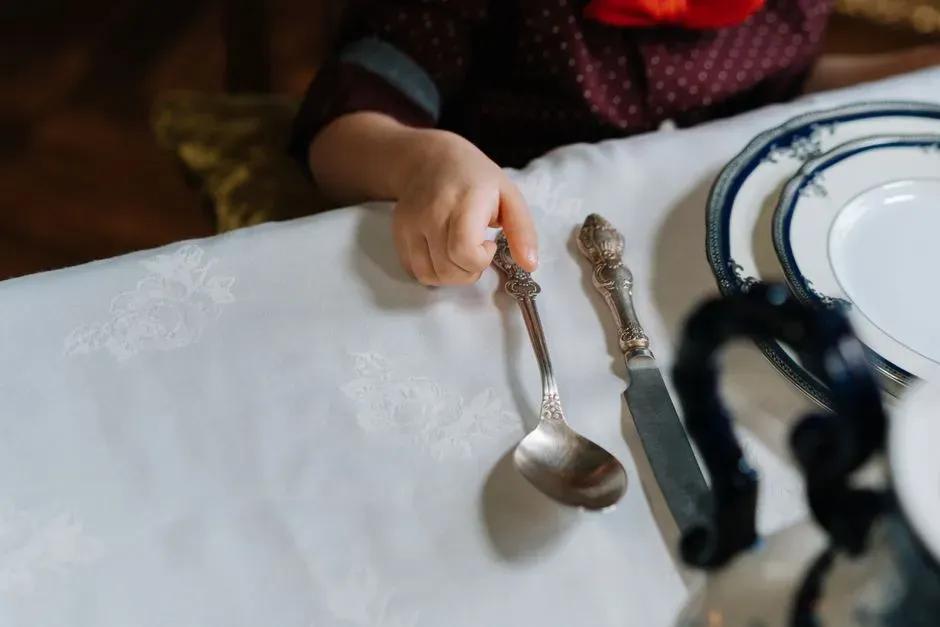
3. How They Hold Their Utensils (Image Credits: Pexels)
Proper fork and knife handling begins with grip – think pencil, not shovel. American style means fork in left hand for cutting, switch to right for eating, whereas European style keeps that fork planted in the left throughout the meal. Neither is wrong, but having any consistent and deliberate grip reveals that someone was guided through the mechanics at some point.
By the time a child reaches her second year, she is already learning from watching the adults around her. Whether it's using a fork and spoon in an American home or chopsticks in an Asian household, these small skills are picked up by observation and imitation. A fist-around-the-handle grip in an adult, by contrast, quietly suggests that no one ever corrected it.
4. Their Posture at the Table
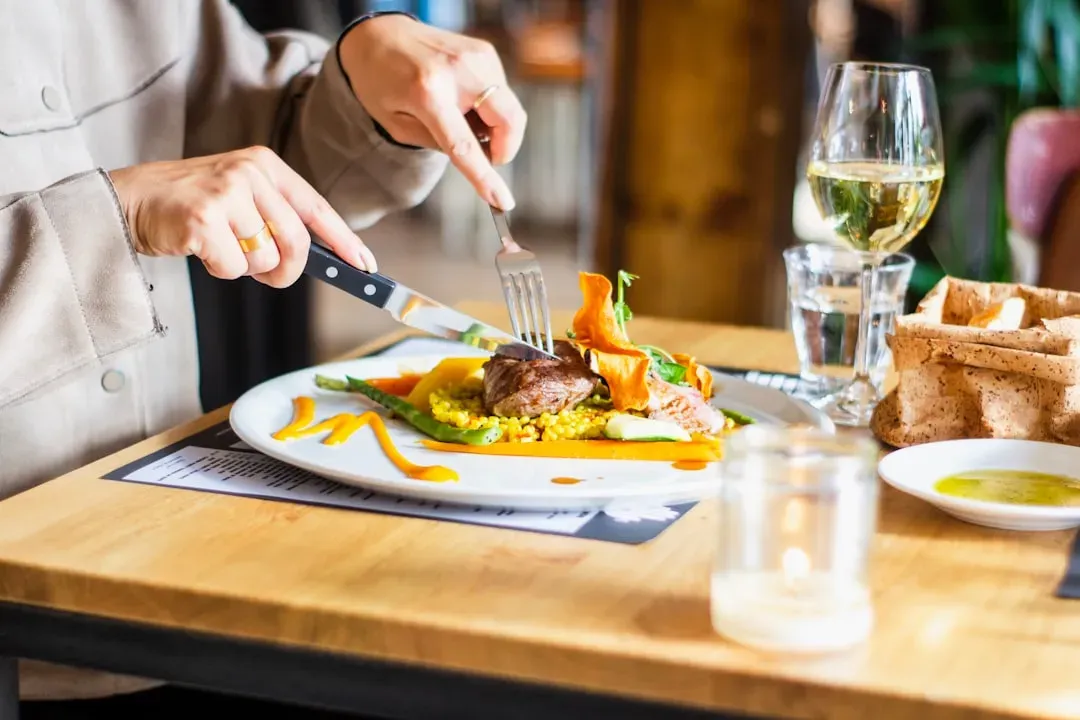
4. Their Posture at the Table (Image Credits: Unsplash)
Many children hear "elbows off the table!" though not everyone carries it into adulthood. This rule has roots in both practicality and politeness. Resting elbows on the table while eating can look slouchy and takes up space that belongs to plates and glasses.
People from formal households understand this distinction instinctively. They sit upright during meals, hands in lap or lightly resting on the table edge. This posture looks refined without seeming stiff, striking that perfect balance between comfort and elegance. It's a habit so deeply ingrained in some people that they correct themselves almost without noticing.
5. Whether They Talk With Their Mouth Full

5. Whether They Talk With Their Mouth Full (Image Credits: Pexels)
There's a direct connection between table manners and self-regulation, one of the core components of emotional intelligence. Chewing, swallowing, and then speaking may sound obvious, but in reality many people rush through this. Those who pause before speaking demonstrate patience and an ability to prioritize the comfort of others. It's also a sign of respect – conversation should be clear, pleasant, and uninterrupted by chewing sounds.
The truly polished make it look effortless, often using natural pauses in conversation to contribute their thoughts. Talking mid-bite isn't necessarily rude on purpose – it usually just means no one enforced the rule at home, or that mealtimes were rushed and casual. Either way, it shows.
6. How They Treat the People Serving Them
6. How They Treat the People Serving Them (Image Credits: Pexels)
How someone treats restaurant staff reveals their true character and upbringing. People raised in environments where courtesy was emphasized learn early that it extends to everyone, regardless of their role. They say "please" when ordering and "thank you" every time a server refills water or clears a plate. This isn't about being fake – it's genuine respect for people doing their jobs.
You'll notice these individuals make eye contact with servers, speak warmly, and express appreciation naturally. It's not performative; it's ingrained. This consistent kindness often distinguishes those raised with true consideration from those simply trying to appear sophisticated. Dismissiveness toward service staff, on the other hand, is one of the harder habits to mask, no matter how polished everything else looks.
7. Whether Their Phone Stays Off the Table
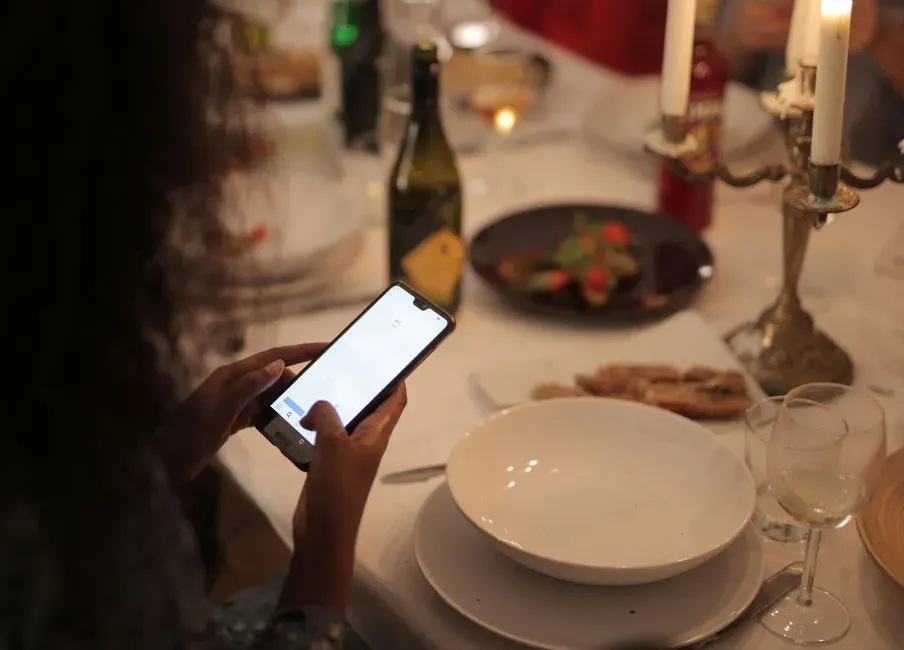
7. Whether Their Phone Stays Off the Table (Image Credits: Pexels)
A recent study found that in roughly nine out of ten families eating out, at least one person used their phone during dinner. That number tells you something important: keeping a phone completely away from the table has become the exception, not the norm. Those who do it automatically were almost certainly raised in households where the dinner table was treated as a phone-free zone.
Dinner time can be a chance to model real presence. When parents consistently stayed off their phones at the table, it engraved polite table manners and healthy social habits in their children. Someone who instinctively flips their phone face-down or leaves it in their bag carries that lesson forward. It's a quiet act of attention, and people notice it.
8. How They Handle Noise at the Table
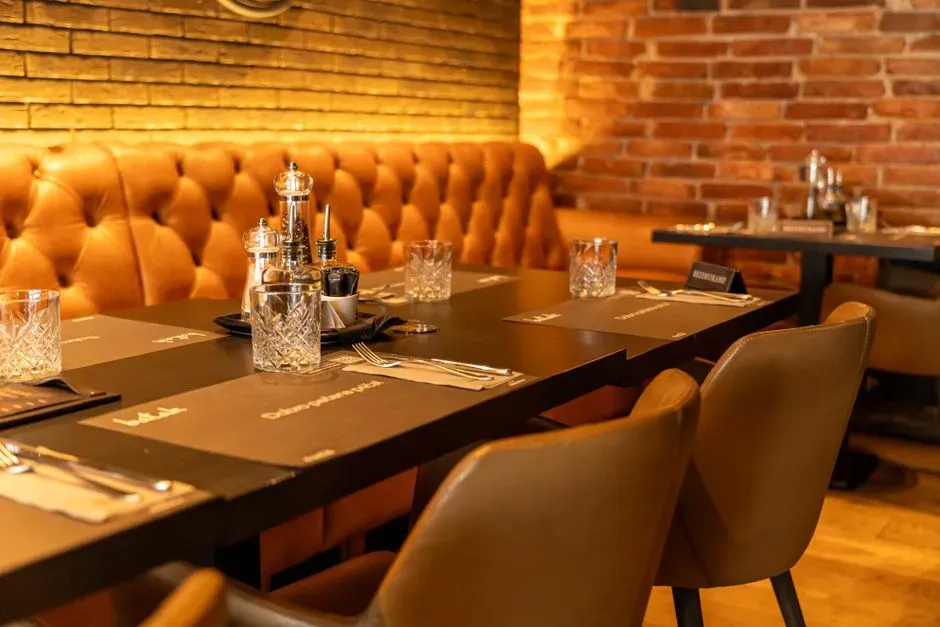
8. How They Handle Noise at the Table (Image Credits: Pexels)
The sound of clinking cutlery or chewing may seem trivial, but research into sensory sensitivity shows that humans are surprisingly attuned to dining noises. People raised with attentive manners are hyper-aware of this and take small, almost invisible steps to minimize unnecessary sounds – placing cutlery down gently, avoiding slurping, and keeping chewing closed-mouth.
These micro-behaviors are rarely conscious decisions in adulthood. During shared family meals, children acquire behaviors such as proper utensil use, chewing with mouths closed, and waiting turns by imitating parental actions, and studies of mealtime interactions reveal that parental modeling of bodily conduct shapes children's adherence to cultural norms of civility, embedding these practices as automatic responses from early exposure. The quietness of a well-mannered eater is one of the most telling things about them.
9. How They Behave When the Meal Ends

9. How They Behave When the Meal Ends (Image Credits: Pexels)
The way you place your fork when you're finished eating says more about your childhood than you realize. In households where formal manners were taught, children learn to rest their fork and knife together on the plate, tines down, signaling to any host or server that the meal is complete. It's a small gesture, but it shows awareness that a meal is a shared, structured experience, not just a personal feeding.
Table manners learned in childhood shape how people navigate social and professional situations for decades afterward. These skills open doors to confident participation in business lunches, dinner parties, and cultural experiences throughout adult life. The investment in teaching proper etiquette pays off when children become the kind of dining companions others actually want around their table. Watching someone gracefully finish a meal – clearing space, folding their napkin, sitting present until others are done – is, quietly, one of the most revealing moments of all.
None of this is about judging anyone. Table manners aren't about being better or worse. They're cultural markers, signs of the environment that shaped us. What's worth recognizing is how deeply these habits settle into us long before we have any say in the matter – and how clearly they speak, even when we think no one is paying attention.