
Most diners trust the menu. They scan the options, maybe ask the server a question or two, and order whatever sounds good. But professional chefs approach a restaurant table in an entirely different way. They've worked the line, they know how kitchens operate under pressure, and they've seen what goes on behind the swinging door.
Nobody knows the secrets of commercial kitchens better than chefs. When they sit down as a guest rather than a cook, their experience shapes every single ordering decision. A few dishes come up again and again as items they simply won't touch, and the reasoning goes well beyond personal taste.
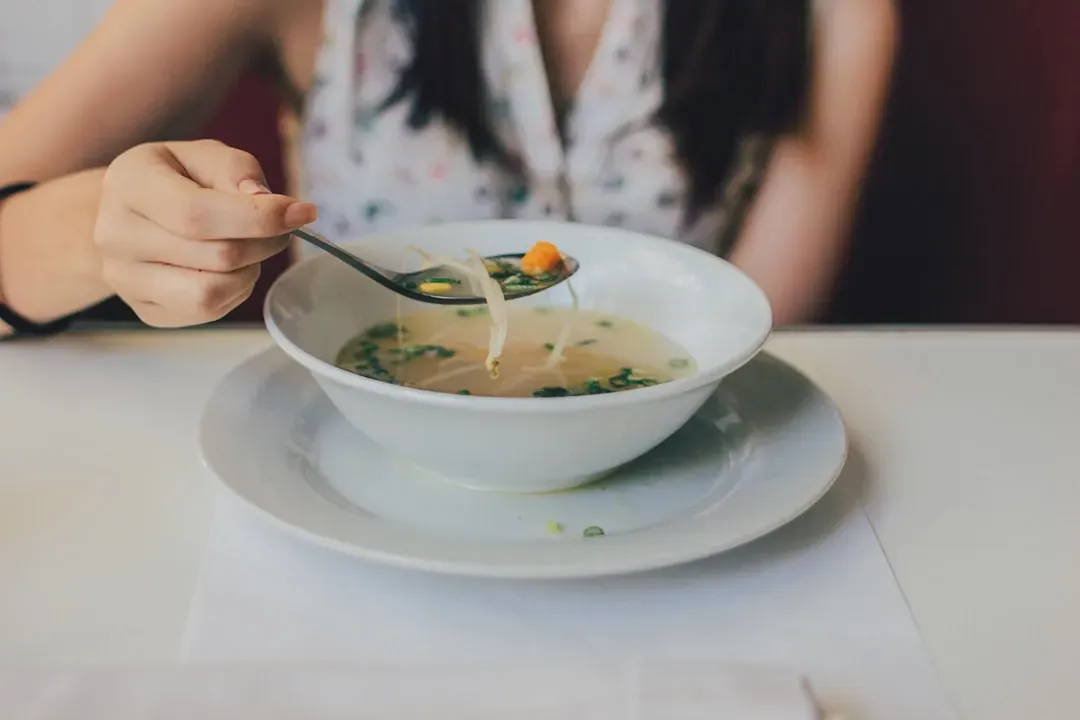
The Soup of the Day: A Classic Way to Use Up Leftovers
The Soup of the Day: A Classic Way to Use Up Leftovers (Image Credits: Unsplash)
The soup of the day sounds harmless enough, even comforting. A bowl of something warm, made fresh that morning. Except many professional chefs don't see it that way. This rotating menu option is a classic method for kitchens to use up leftovers from the previous night. Vegetable scraps and unsold meats are boiled down to create a passable soup for the lunch crowd. While it reduces food waste, it rarely represents the best culinary work the chef has to offer.
Chef Jon Davis, head chef at City Grocery in Oxford, Mississippi, puts it plainly: "The one thing I do not order at restaurants is the soup du jour. Was it really made today? How long has it been in the steam well? Did the prep cook cool it down properly? It's a crap shoot I'm not willing to take." Gordon Ramsay is very clear about avoiding soup in a restaurant, namely because it can be a canny way for chefs to use up old ingredients. Restaurants also have a tendency to serve their soup of the day several days in a row, done to decrease food waste, but resulting in a dish that's neither special nor fresh.
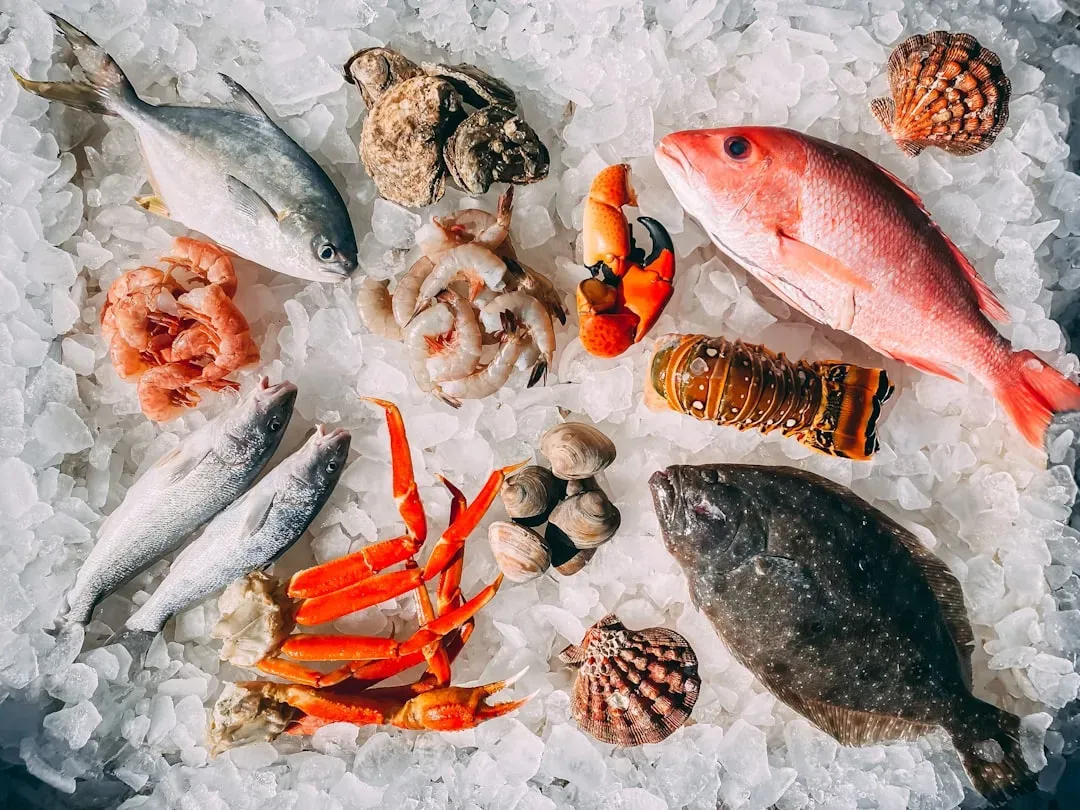
Fish at the Wrong Restaurant: A Freshness Gamble You Might Lose
Fish at the Wrong Restaurant: A Freshness Gamble You Might Lose (Image Credits: Unsplash)
Ordering fish at a restaurant feels like a healthy, sophisticated choice. Chefs know better than to make that assumption automatically. Chefs famously warn against ordering fish at the start of the week because fresh deliveries usually arrive later. Most restaurants rely on weekend stock that has been sitting in the cooler for several days, often resulting in seafood that lacks the vibrant flavor and texture of a fresh catch.
For chef Tony Inn, Executive Chef of Kin Gin, the first order of business is to choose a restaurant that specializes in seafood, and not just because you know there's an expert behind the range. "Venues that sell a lot of a particular item tend to have a higher turnover, meaning the ingredients are fresher and quality tends to be better." Chef Chaz Lindsay, owner and executive chef of Pulito Osteria and Rowan's, puts it bluntly: "I generally avoid cooked fish unless the restaurant is known for it. Properly cooking fish is an art form, one of the most difficult skills to master, in my opinion. More often than not, I find it underwhelming."
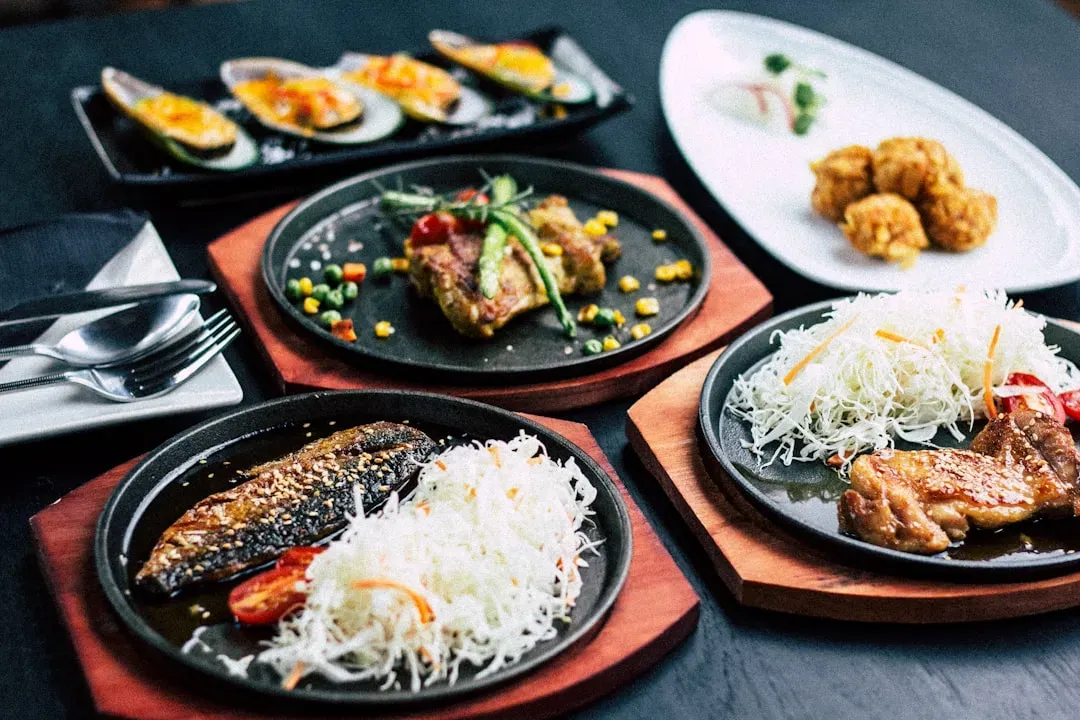
The Daily Special: Not Always What It Seems
The Daily Special: Not Always What It Seems (Image Credits: Unsplash)
The server arrives at the table with enthusiasm, rattling off a list of tonight's specials. It can feel like insider access to the kitchen's most inspired cooking. In reality, those specials sometimes tell a different story. To avoid running out of ingredients during the dinner rush, restaurants often order more food than they need. At the end of the day, surplus ingredients that haven't expired can turn into tomorrow's specials, disguised with sauce.
Ever notice how restaurant servers push the special of the day? Their reasons may be more economic than culinary. Executive chef and owner Alberto Morreale of Farmer's Bottega in San Diego says: "When I go out to eat at other restaurants, I never order the specials. Some restaurants put together their specials for the day based on what's about to expire or what they're trying to get rid of faster." Instead, he looks for what arrived fresh that day. In reality, some dishes are bought pre-made, frozen, or pre-cooked to save time and reduce costs, particularly appetizers and side dishes. Chefs often recommend steering clear of items that seem out of place on the menu or overly generic.
What This Actually Means for the Rest of Us
What This Actually Means for the Rest of Us (Image Credits: Pexels)
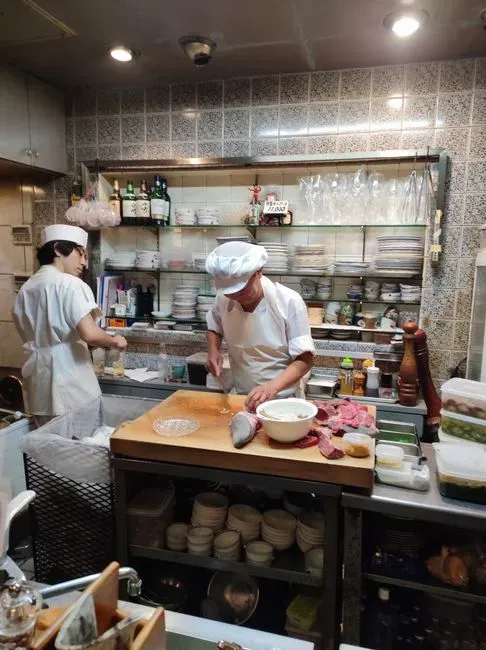
Chefs also notice little tells that most of us overlook. A sticky menu, a sour smell near the bathrooms, or a plate going to another table with wilted herbs and watery tomatoes. These are quiet warning lights. The good news is that you don't need to eat out with a chef to start reading those signals yourself. If the basic fries are pale and limp, they'll think twice about anything deep-fried. If bread is stale, they'll view the whole kitchen with suspicion.
High-priced dishes like seafood platters or premium cuts of meat are often marked up significantly without offering a proportional jump in quality. Chefs suggest sticking to mid-range items or house specialties, where the kitchen's expertise truly shines. The pattern that runs through all three dishes above isn't really about snobbery. It comes down to understanding how a kitchen actually operates, and using that knowledge to order smarter every time you sit down.