
The biggest expenses aren’t always the biggest decisions people have to make. Instead, it’s often the everyday moments when we’re at a counter or in a checkout line where we feel the most pressure to accept fees, even though saying “no” should be simple. But it somehow feels like paying is easier than pushing back. Here are eight everyday costs that Americans feel pressured to accept, and the reasons why.
Tipping For Basic Transactions
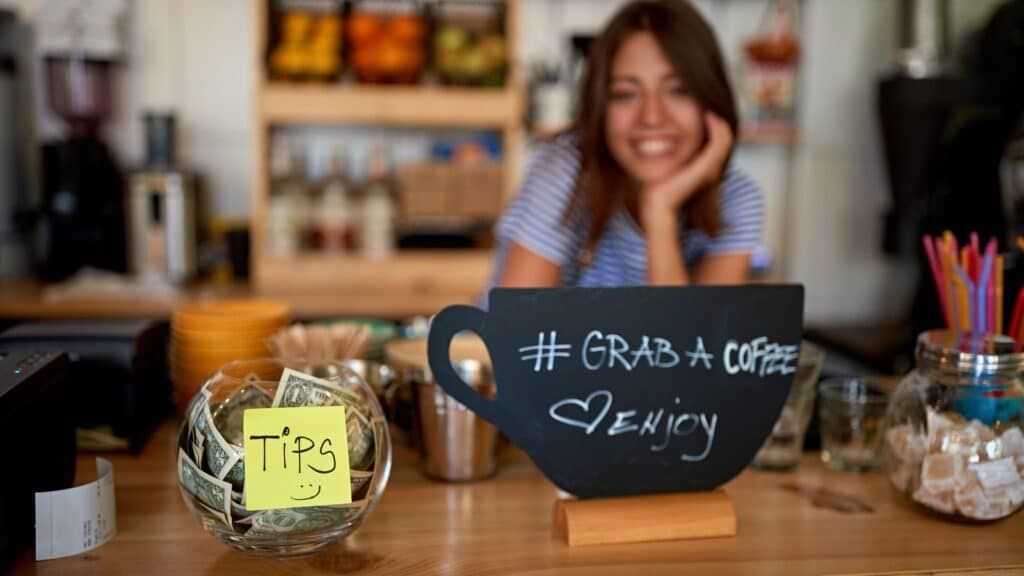
You used to be able to simply order a coffee, then tap your card & head out. But now there’s a payment screen to deal with that includes all sorts of tip options like 20%, 25%, or even as high as 30%. The option to click “no tip” is often to the side or slightly smaller. You may even need to choose a custom tip amount before you can press decline.
What makes people feel pressured to tip is the fact that the barista is often standing right in front of you, while a line is readily growing behind. Sure, nobody says anything. But the small pause that comes while you’re searching for another tip amount feels a lot longer than it actually is.
Donating at Checkout
You’ll be ready to pay at the checkout, and then the register will ask you whether you’re fine with rounding up the total by donating to charity. They’ll frame it as a quick yes-or-no option. However, the question always comes while your card is in the machine & people are waiting for you, so you feel as though you have to accept it.
It’s sometimes worse at self-checkout. Sometimes, the donation screen will block the payment until you choose an option, and anyone who shops there weekly will see the same prompt every time. Nobody wants to openly sound like a bad person by saying they don’t feel like giving to charity.
Paying to Avoid Ads
Yes, free versions still exist, but the truth is that they don’t always feel usable because music apps cut songs short with unskippable ads, while video platforms interrupt sentences with loud prompts. You might even have to face the same commercial multiple times in a single session. The reminder to “upgrade for uninterrupted” usually sits right at the top, and it’s so tempting.
Essentially, it’s a clear message that this is how the app is supposed to run. Many people choose to subscribe because they simply want the app to work how they expected it would in the first place. It’s hardly a choice to subscribe.
Name-Brand Groceries
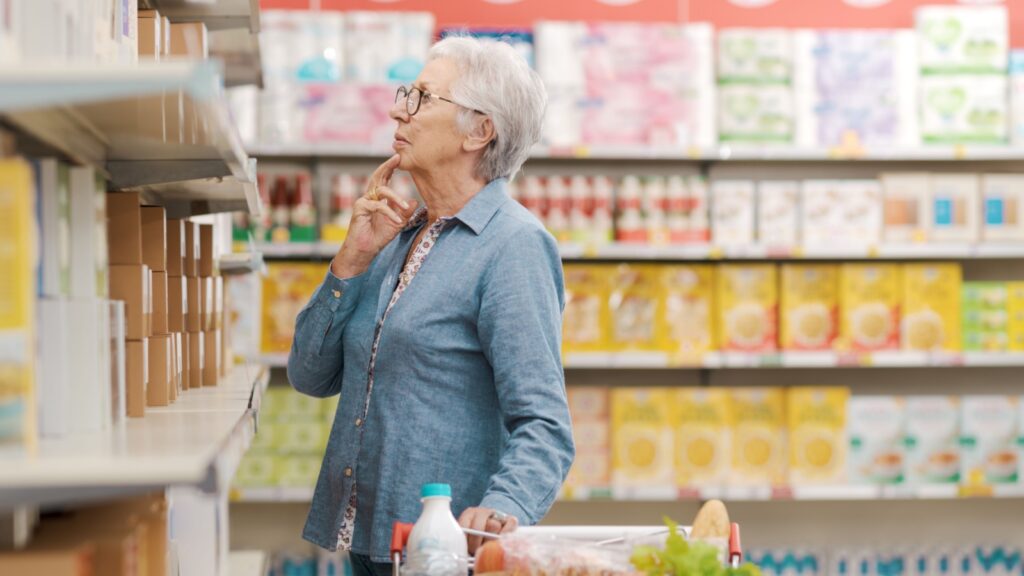
Grocery stores always make sure that they put the name-brand items mere inches away from the store brand, as they want you to know you have a choice. It’s one you’re almost guaranteed to make. The sight of a familiar logo on the packaging or a recognizable slogan is all it takes for you to decide to pay more for name-brand items.
After all, you don’t want other people to think you can only afford store-brand stuff. You feel like you’re under pressure to buy the name-brand groceries to keep up expectations, despite the fact that nobody really cares what you’re buying.
Convenience-Store Markups
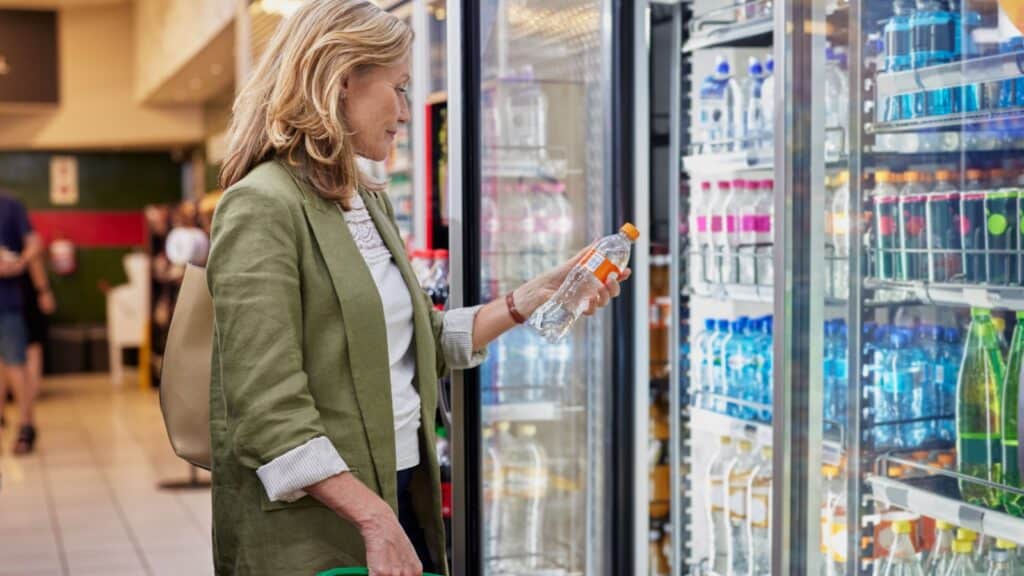
You probably went into the gas station with the intention of buying only one thing. Yet, somehow, you leave with a $3.50 bottle of soda that has a far higher markup than anything you’ll find at the grocery store. It’s all down to how convenience stores sell single servings right by the register, all chilled & ready for you to pay.
It’s a system built with speed in mind, where you grab, pay, and go because driving somewhere else would involve having to make another stop. You’ll have to deal with another parking spot and another line. Soon enough, it feels as though paying extra to have a drink right now is a better idea.
Upcharges For “Combos” And Add-Ons
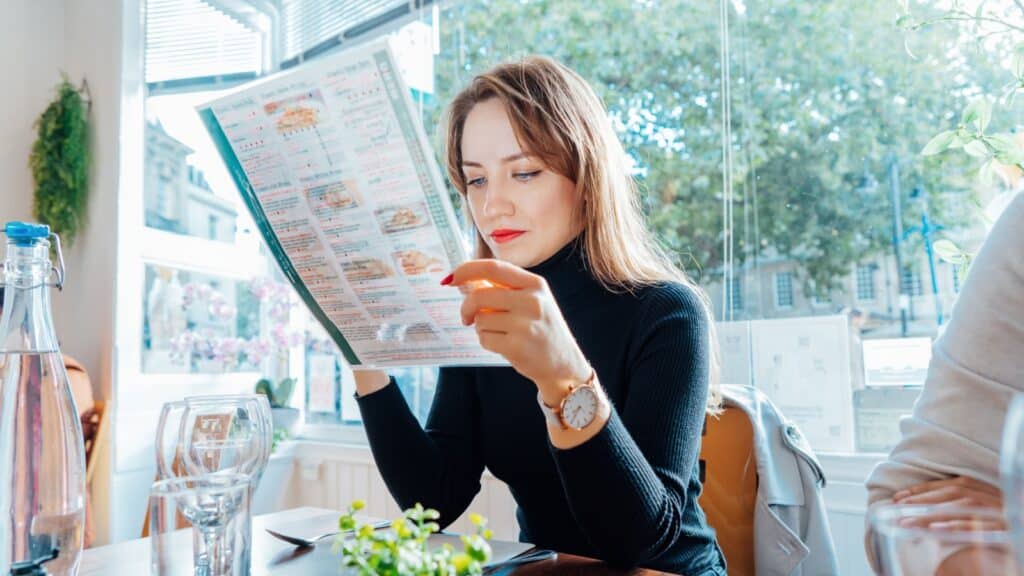
Restaurant orders rarely end with your first choice. You’ll be asked whether you want to make your dish a meal or add avocado, perhaps some extra sauce, with each question coming automatically. It’s easy to feel like the upgrade is the best choice because it’s only marginally more expensive than the food by itself.
The chances are likely that you’ll agree to the upgrade without thinking much about it. That is, until you reach the payment screen and you see the total is quite a bit higher than the menu board number you started with, but it’s too late by then. You have to accept it.
Buying Something Small Only to Use the Bathroom
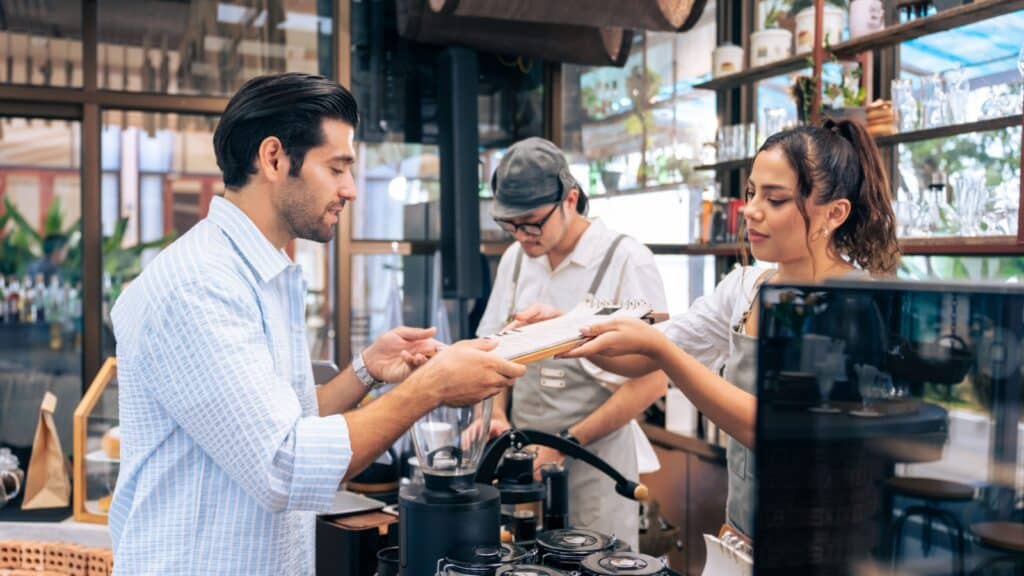
Many coffee shops & cafes have rules that state only paying customers may use the restroom, often because the door has a keypad that requires a code on the receipt. The staff would probably let you use the restroom without paying. However, you feel obligated to buy something small so you can get the code, whether that’s a plain drip coffee or a small pastry.
It’s only ever a minor purchase, yet it’s one that many Americans feel like they have to make because they want to avoid any uncomfortable conversations. It effectively works as a restroom tax that you have no option but to pay.
Store Loyalty Apps to Get the Real Price
It’s a sad fact that the majority of grocery store shelves show two prices, with one being the price for members & one for everyone else. You have to share your data with the company to get the lower price. While it might seem like a choice, the difference in price is quite significant, and you feel as though you have to accept it.
The cost is selling your data to a company, and you may not know exactly what they’re going to do with your information. But what other option do you have when the price is so much lower?
15 Things Middle-Class Families Do That the Rich Don’t Even Consider

They’re not coupon-clipping or sweating interest rates — because they don’t have to. What’s “normal” to middle-class families is something the rich don’t even think about. Ready to see the discreet habits that shout middle class — and why the rich wouldn’t even touch them?
15 Things Middle-Class Families Do That the Rich Don’t Even Consider