
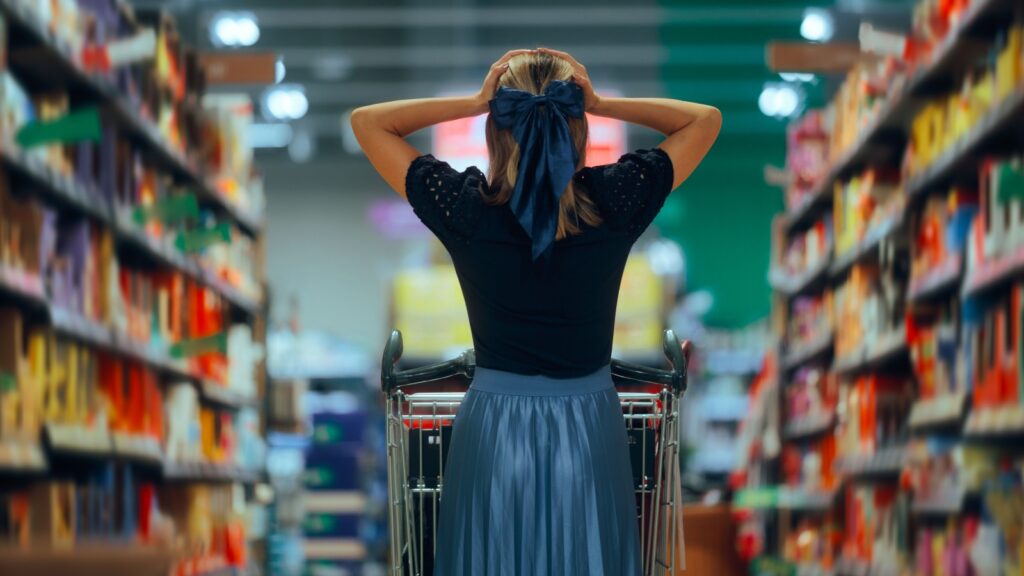
It’s not hard to see how much things have changed in most American grocery stores. Yes, the checkout area looks different & store prices very rarely work the same way, changes which the grocery store managers often claim are better for customers. But that’s not how most Americans feel. Here are seven grocery store changes that Americans say have ruined shopping.
Self-checkout replacing human cashiers
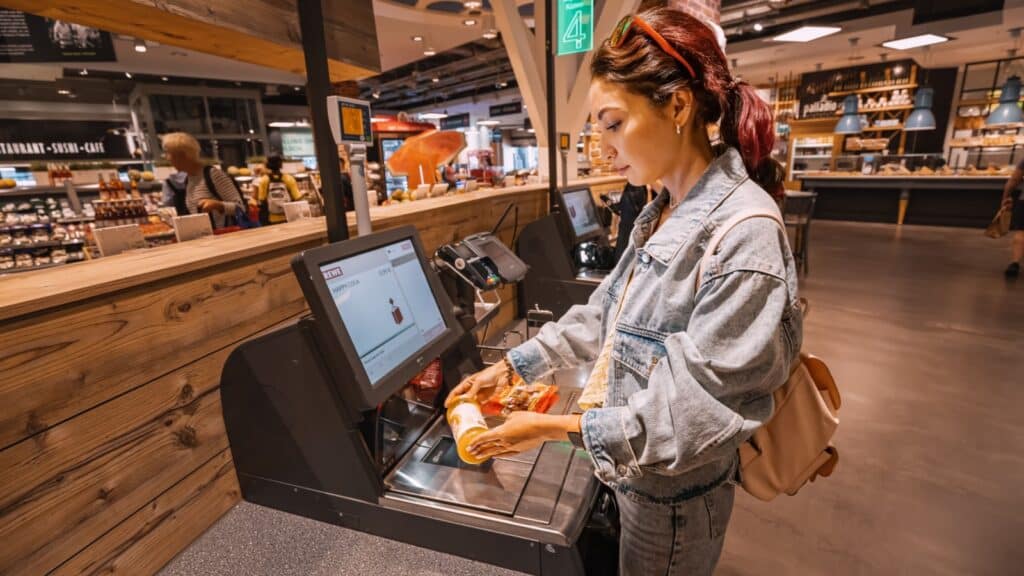
There was once a time when grocery stores would have long rows of checkout lanes with cashiers & baggers, all working side by side. But many stores have replaced them. Now, you’re more likely to see lanes with self-checkout kiosks, forcing you to scan each item and deal with any issues yourself instead of someone else doing it for you.
Sure, there’s often an employee nearby to help you, yet you have to wait for them to notice you and override the checkout themselves. It’s even worse when you want to get age-restricted products because you have to wait for approval. Really, all those self-checkout lanes have removed the human aspect of the grocery shopping experience.
Stores removing in-store baggers
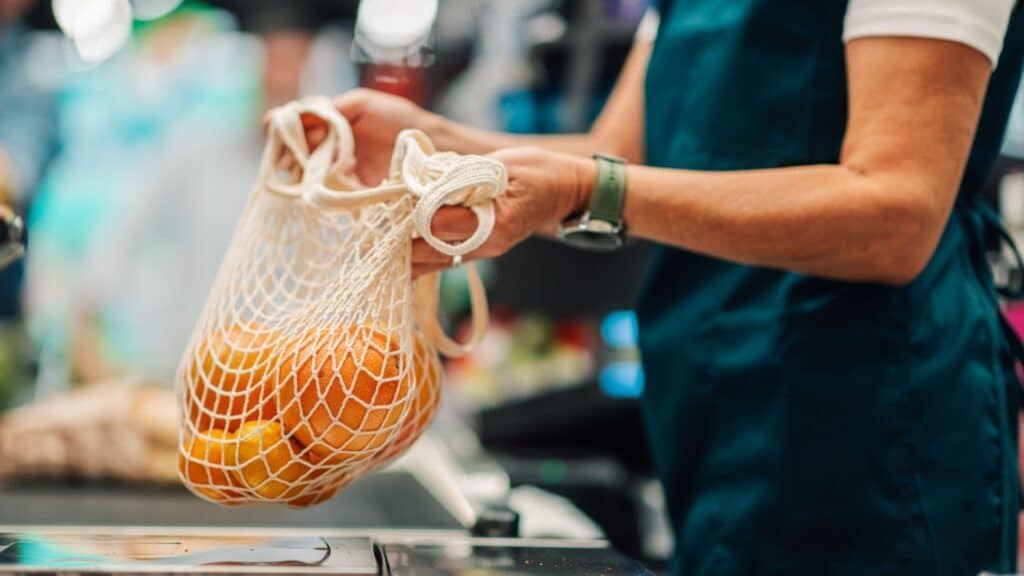
Another big checkout issue is the sheer lack of the bagger. These people would be at the end of the checkout lane, and their job was only to bag groceries & organize them so that the fragile foods would stay on top. They might also help you put the bags into your car. However, in many chains today, the position of a bagger no longer exists because it’s all self-checkout now.
Some of the newer checkout counters also have smaller bagging shelves. It’s become a lot harder to keep a full grocery cart organized because there’s nobody there to help you with all of it, and you’re forced to be a lot more self-reliant.
Dynamic or electronic shelf pricing
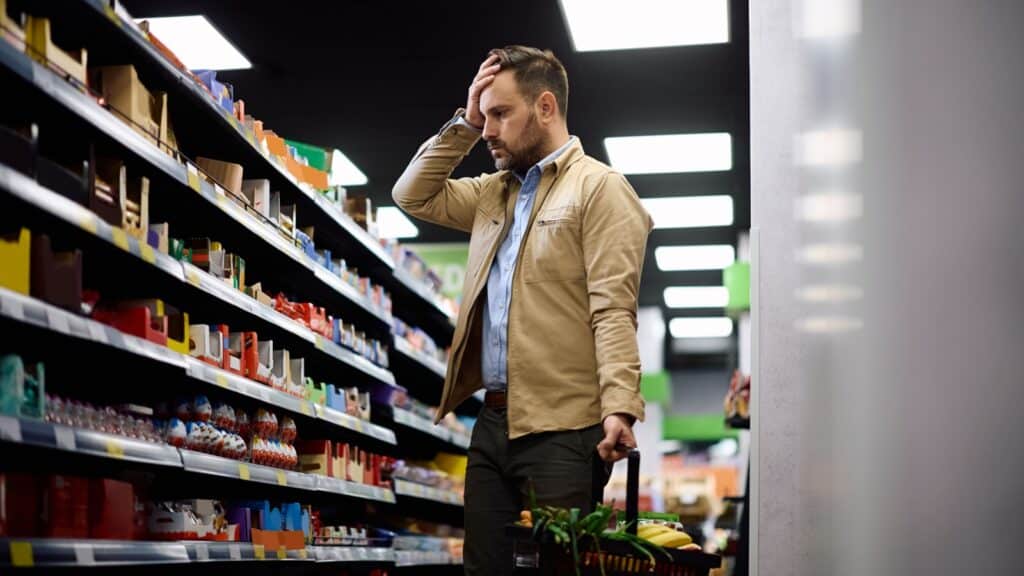
Employees used to be the ones who’d change shelf tags throughout the week, but not anymore. The paper shelf tags have been replaced by small electronic screens that are attached to the shelf’s edge, and the store’s own algorithms change the prices throughout the day automatically. That means the prices change far more quickly.
Throughout the day, you may notice that the price looks slightly different later on than at the start, and that’s because of dynamic electronic shelf pricing. Essentially, you’re being penalized for when you decide to go shopping, rather than for any proper reason.
Shrinkflation in store brands
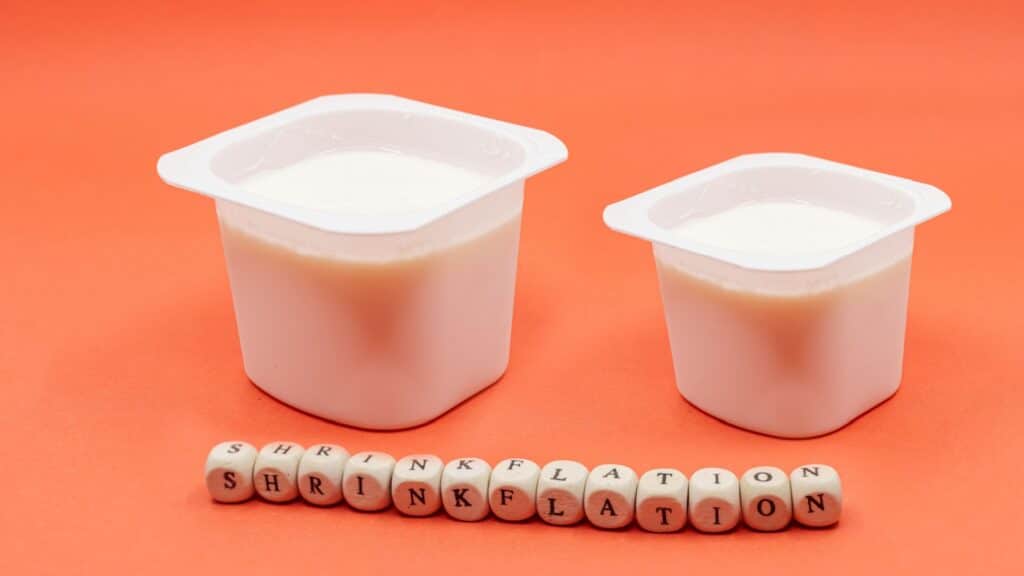
At first glance, a lot of store-brand products look exactly the same, right down to the label design. But take a closer look. The amount inside often changes by quite a bit, like a cereal box that has more air than food or an ice cream tub that’s now a smaller size than it was before.
It’s hard to notice because the container often looks identical. Yet the truth is that a lot of your favorite products have likely dropped a few ounces without you realizing it, and you’re effectively getting less for your money. The prices haven’t changed; only the quantity of what you’re getting has.
Complex loyalty pricing systems
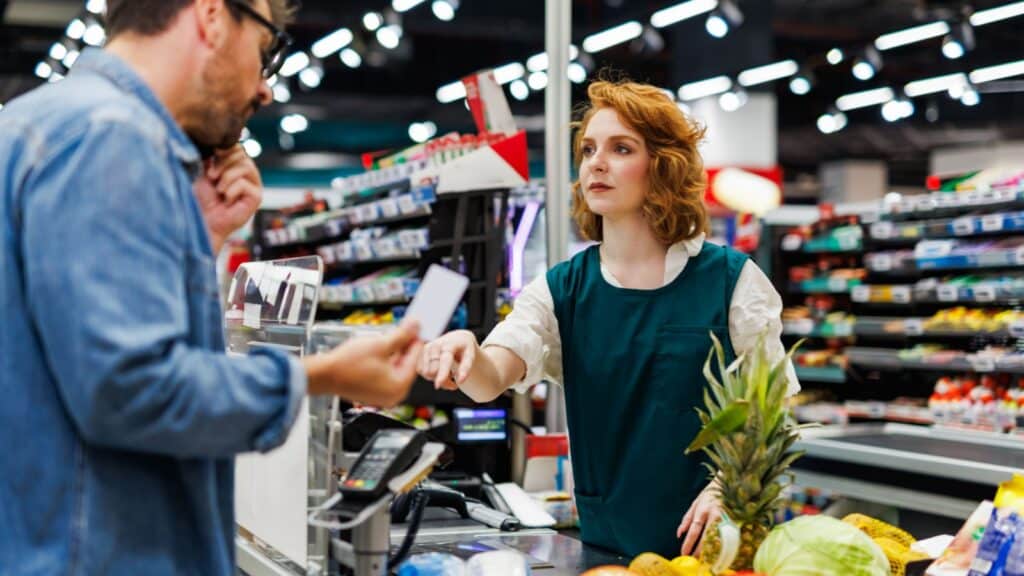
There tend to be two prices on the grocery store shelves, rather than a single one, with the cheaper option being only available to those who have a loyalty card with the company. Those without one are priced out. Sadly, many Americans feel as though they have no choice but to sell their data to the store in order to access the lower price on the shelf.
There are even stores that place limits on these offers, including one that only allows customers to buy two of the product at once. It causes all those extra items in the cart to cost a lot more once you’ve scanned them.
Heavy reliance on prepared foods sections
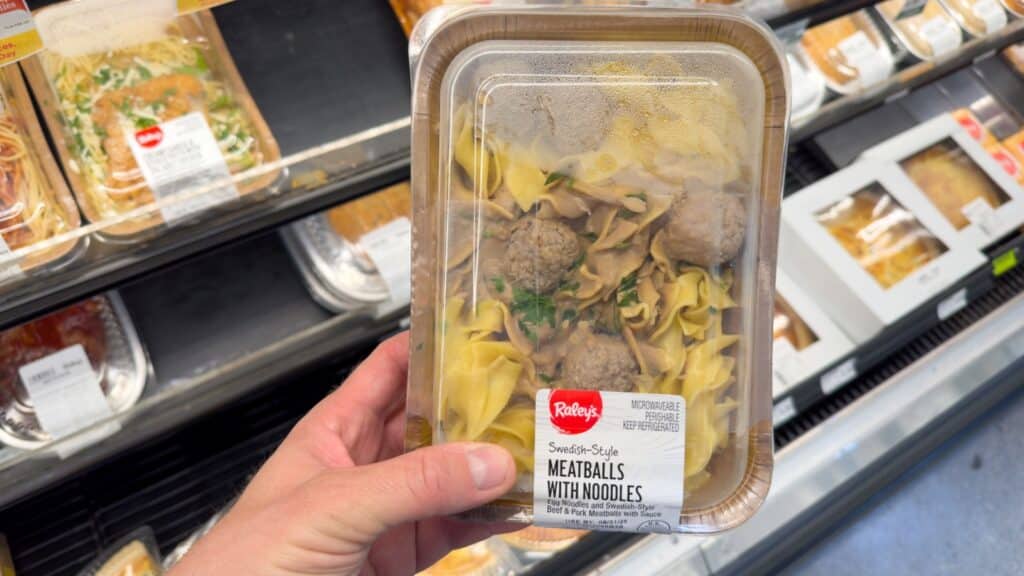
You might’ve noticed that some supermarkets have expanded their prepared food areas quite a lot. That’s a deliberate choice. Really, the stores want the hot food bars & pizza counters, as well as the sushi stations and refrigerated meals, to take up as much floor space as possible near the entrance.
They want to get you hooked on buying these products. As a result, you may see that these sections have their own display lighting and menu boards that are trying to make these areas as attractive as possible. It pushes back the shelves for pantry items or fresh produce right to the back of the store.
Installing locked cases for common items
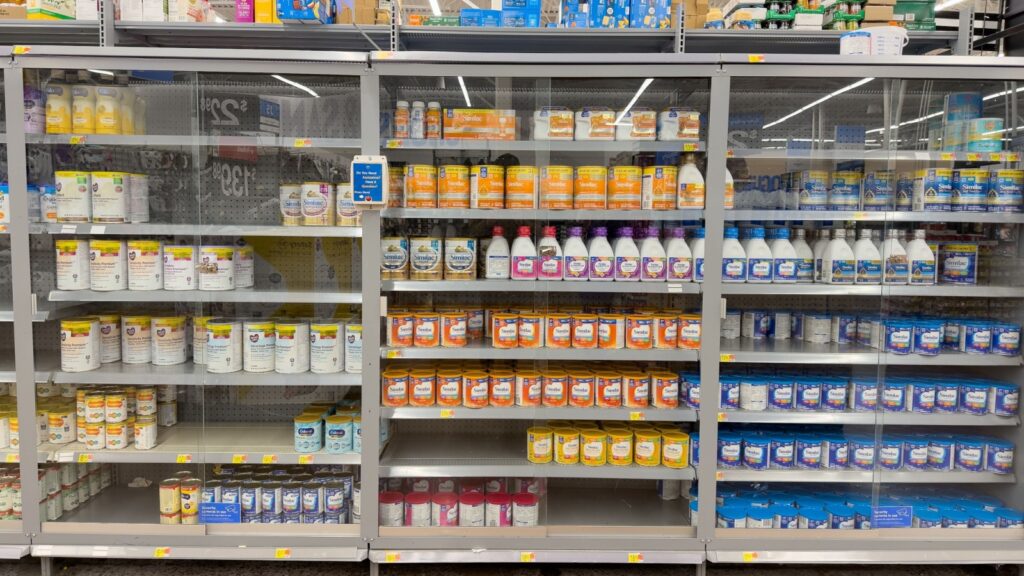
Previously, locked display cases were reserved only for electronics or other expensive items, but not anymore. Many stores lock everyday household products behind these doors. You might need something as simple as baby formula or laundry detergent pods, yet you’ll need to ask an employee for a key to open the door.
It’s really annoying. Yes, we understand it’s partially for our safety and partially to avoid shoplifting, but that doesn’t make the process of waiting around for someone to open the door any better. We wish that we could just grab what we need and go.
9 Things We Do at the Grocery Store That Cost Us More Over Time
These decisions gradually push your total higher so that, over time, you’re spending far more than you intended to. Here are nine things you may do at the grocery store that cost you more over time.
9 Things We Do at the Grocery Store That Cost Us More Over Time