
Walk into most open houses today and you’ll notice a quiet disconnect. Sellers polish the floors, stage the living room, and repaint the front door – yet still watch buyers leave without making offers. The gap is rarely about curb appeal. More often, it’s about a specific shortlist of features that today’s buyers have quietly made non-negotiable.
The 2025 Zillow Zeitgeist report makes this clear: homebuyers are prioritizing lifestyle and comfort over size or luxury, with searches favoring flexible spaces, outdoor access, and daily comforts like yards, patios, and fireplaces. The result is a buyer pool that knows exactly what it wants – and isn’t patient with homes that fall short. Here are the nine features that actually drive decisions right now.
A Dedicated Laundry Room
A Dedicated Laundry Room (Image Credits: Pexels)
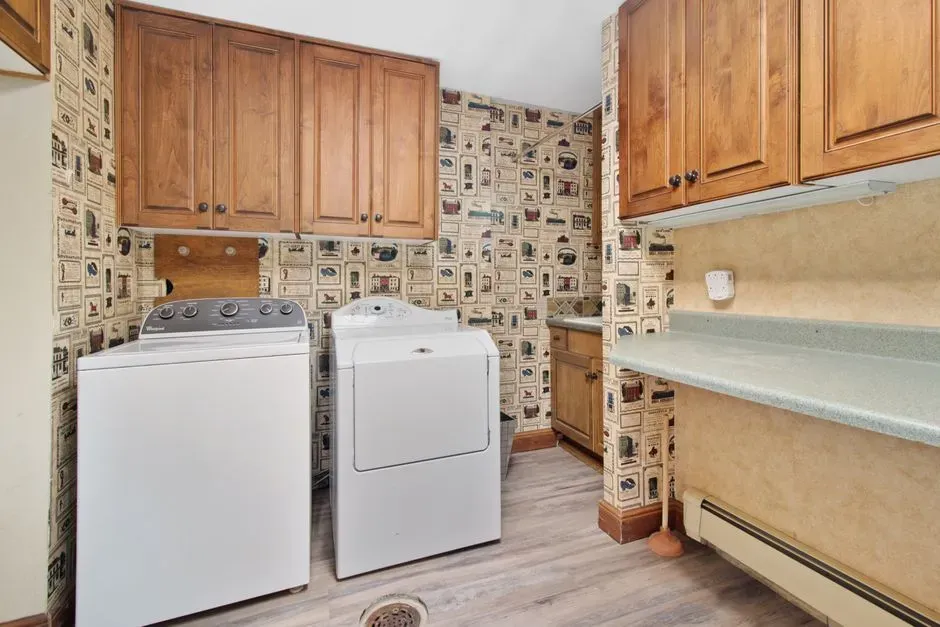
Long gone are the days of laundry tucked into cramped closets or shared with other utility spaces. Today's home buyers overwhelmingly want a dedicated laundry room – roughly nine out of ten of them, in fact. A separate laundry space allows homeowners to wash, dry, fold, and even iron in one convenient spot without disrupting other areas of the home.
Buyers also care about where that laundry room is positioned within the home. Laundry rooms located in a basement or garage are seen as inconvenient, and buyers prefer them near main living areas or bedrooms rather than tucked far out of the way – because it's simply easier to do laundry when the machines are close to the source. It's a modest ask that surprisingly many older homes still fail to deliver.
Outdoor Living Space
Outdoor Living Space (Image Credits: Unsplash)
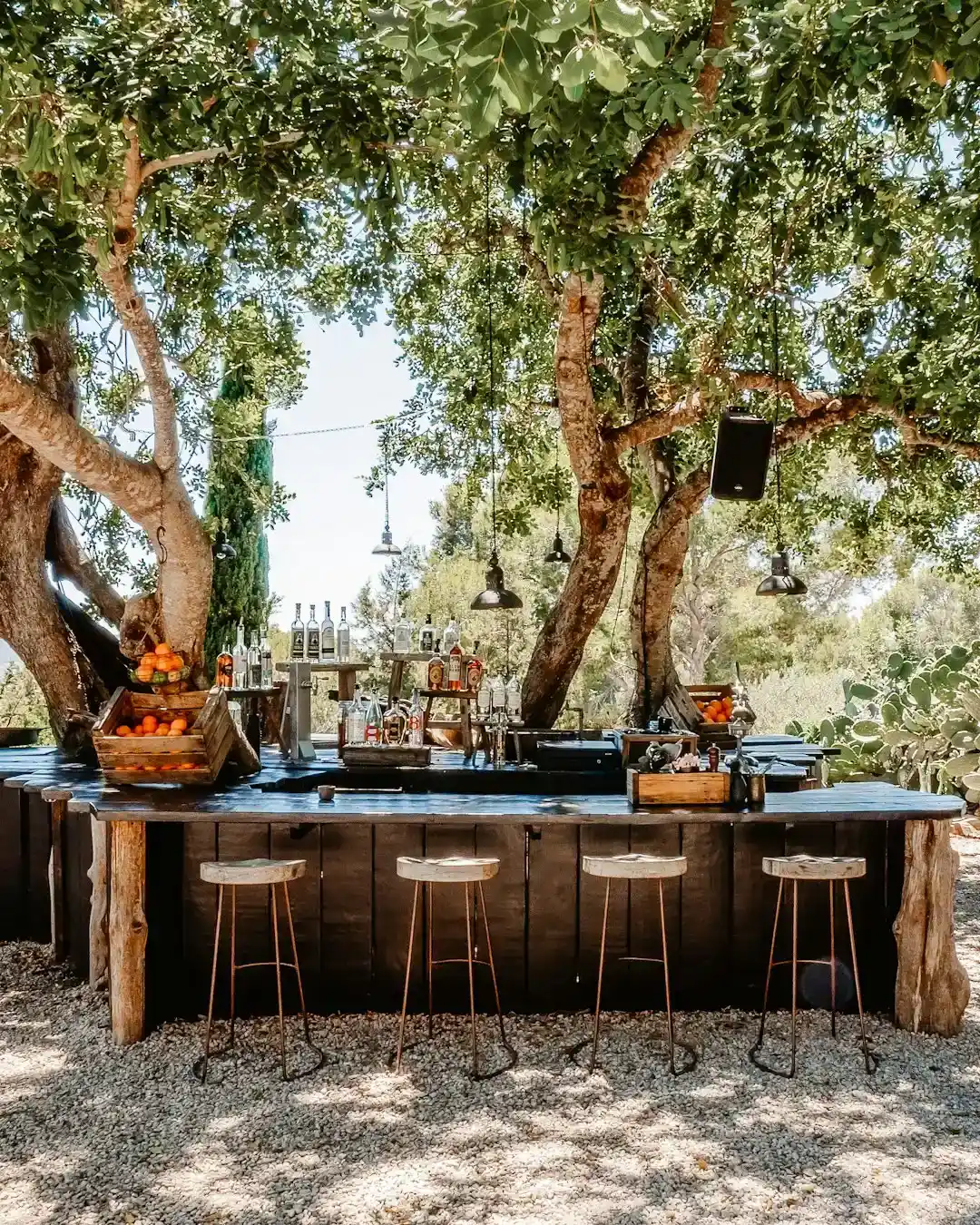
Outdoor living spaces are a priority for many home buyers who crave a seamless blend of indoor and outdoor life. Whether it's a cozy patio, a sprawling deck, or a full outdoor kitchen, these spaces are designed for relaxation, dining, and entertaining – and roughly nine in ten buyers are looking for homes with outdoor living options.
Covered patios, retractable walls, and outdoor kitchens extend usable square footage and make entertaining easier. Backyards with fire pits, weather-resistant seating, and native plants feel inviting without requiring constant upkeep, and smart irrigation systems help keep these spaces functional year-round. Searches for fireplaces, gardens, and fenced yards have risen, while increased interest in gated properties and fenced yards also suggests heightened concerns for privacy, security, and a sense of calm.
An Updated, Functional Kitchen
An Updated, Functional Kitchen (Image Credits: Unsplash)
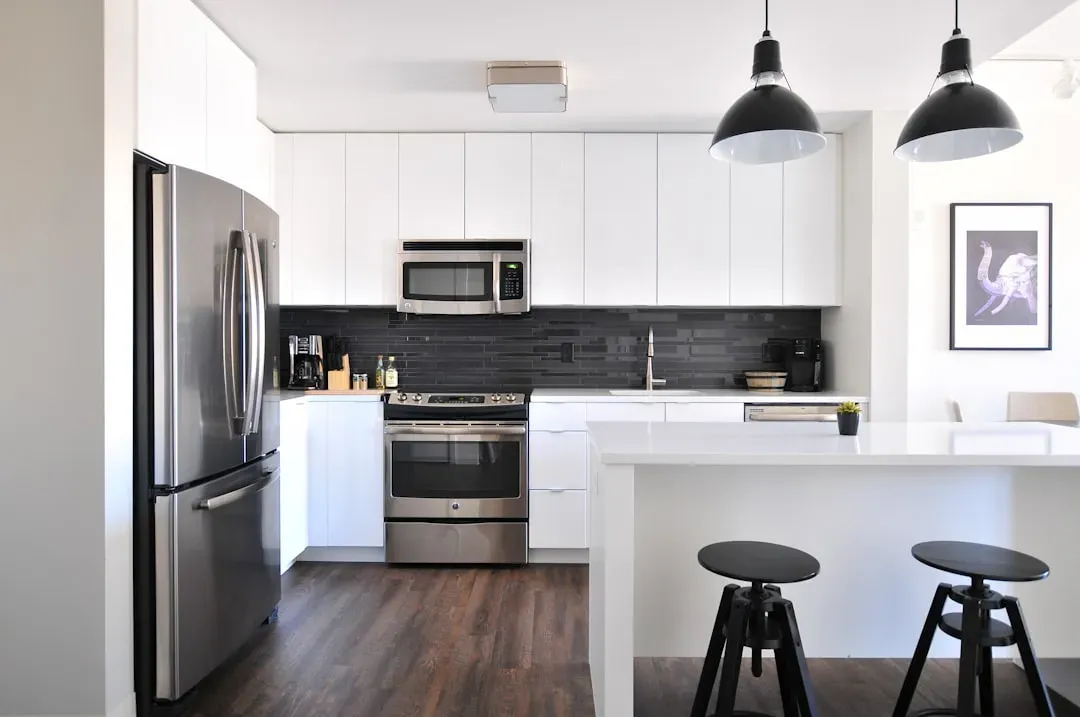
As far as rooms go, the kitchen reigns supreme as the most important room in the home, with roughly four in ten buyers prioritizing this space above all others. That stat alone explains why so many listings live or die by the state of their kitchen. A dated layout with limited counter space is often enough to end the conversation entirely.
Quartz countertops, walk-in pantries, oversized islands, and energy-efficient appliances are topping kitchen wish lists. Bathrooms are trending toward spa-inspired retreats with walk-in showers, freestanding tubs, heated floors, and ample storage. Oversized pantries, deep storage drawers, and dedicated spots for small appliances keep counters clear, while pull-out spice racks, hidden trash bins, and custom drawer inserts make daily use easier. Large center islands with built-in seating serve as both a prep space and a social hub.
Smart Home Technology

Smart Home Technology (Image Credits: Pexels)
A single video doorbell is no longer enough to impress buyers. They want homes where automation is built in and works seamlessly – systems that adjust lighting, temperature, and security based on daily routines are especially attractive. The expectation has moved from "nice bonus" to baseline feature in just a few years.
Research indicates that roughly eight in ten first-time home buyers in 2025 considered smart home readiness a major purchase factor. Security features lead the list of must-haves, with integrated camera networks, smart locks, and alerts that can be managed from anywhere offering peace of mind. Smart thermostats and AI-assisted appliances that help reduce energy costs also add strong appeal.
Energy Efficiency Throughout
Energy Efficiency Throughout (Image Credits: Pexels)
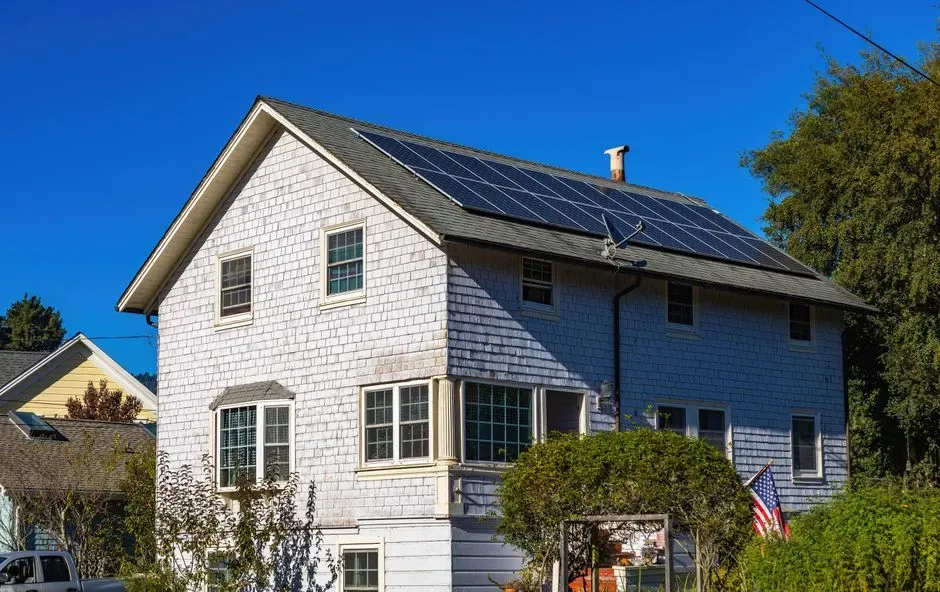
Energy Star-qualified windows have become a standard expectation in new homes. Energy-efficient windows can significantly lower heating and cooling bills and reduce a home's carbon footprint – they're particularly helpful in areas with extreme temperatures – and roughly eight in ten buyers prioritize them when shopping.
No one likes expensive utility bills, which is why energy-efficient homes remain in high demand. Buyers are looking for solar panels, smart thermostats, and high-efficiency windows that help lower energy costs. Energy-efficient appliances and better insulation also make a home more appealing. According to a recent National Association of Home Builders report, nearly eight in ten home buyers consider sustainability when purchasing a home.
Ample, Well-Designed Storage
Ample, Well-Designed Storage (Image Credits: Pexels)
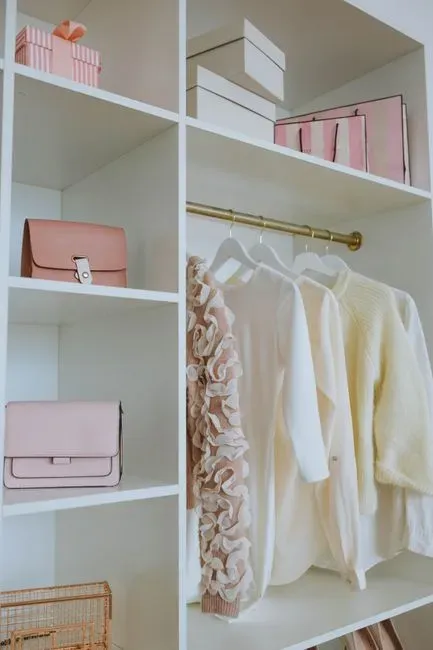
Buyers want homes that make organization easy. Walk-in closets, built-in shelving, and extra storage space rank high on their list, and thoughtful touches like spacious pantries, garage shelving, and under-stair storage can make a significant difference. Storage is one of those features that photographs poorly but registers immediately in person – a house with it just feels calmer.
Lack of storage space concerns a notable share of homebuyers surveyed as an instant dealbreaker, while maintenance issues and evidence of smoking each deter additional portions of potential purchasers. Homes that have walk-in closets with built-in wardrobes and storage are among the most requested house design features. Having enough closet space in the master bedroom isn't the only concern – linen closets, entryway closets, laundry room closets, and pantries are also high on the list.
Flexible, Multi-Purpose Rooms

Flexible, Multi-Purpose Rooms (Image Credits: Pexels)
Buyers are now seeking spaces that can serve multiple purposes. A room that works as a gym in the morning, an office during the day, and a guest space at night is highly desirable. Built-in storage plays a big role in making this flexibility possible. The pandemic permanently shifted how people think about the rooms in their home, and that shift hasn't reversed.
The need for adaptable living spaces has remained strong through 2025, and a flex room – sometimes known as a multi-purpose room – is a highly desirable feature that appeals to a wide range of buyers. Whether it's used as a home office, guest room, gym, hobby room, or classroom, this type of space offers flexibility that adds both function and value. Buyers appreciate spaces that can evolve with their needs without requiring a full renovation.
Open Floor Plan
Open Floor Plan (Image Credits: Unsplash)
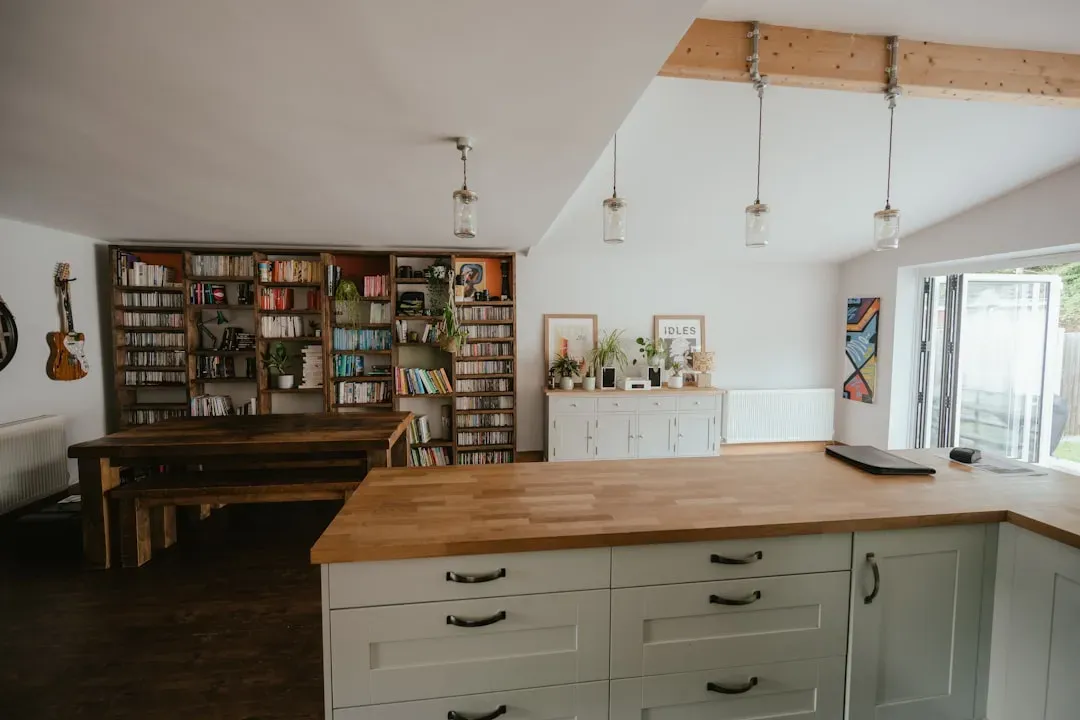
Despite the return of the home office as a benefit post-pandemic, more than half of buyers still prefer open floor plan homes to those with more closed-off, segmented rooms. That number has proven stickier than many predicted – a sign that the open-concept preference is cultural, not just a trend.
Open floor plans remain popular for their ability to make homes feel larger and more connected. Buyers love layouts where the kitchen, dining, and living areas seamlessly flow together – this design is ideal for both entertaining and everyday living. Large windows, high ceilings, and minimal interior walls enhance natural light and create a more inviting atmosphere.
A Quality Neighborhood

A Quality Neighborhood (Image Credits: Unsplash)
Certain features can make a home irresistible to buyers, and the surrounding neighborhood carries the most weight. Nearly three-quarters of homebuyers surveyed identified neighborhood quality as a primary dealmaker when evaluating properties – an overwhelming majority that reinforces the real estate adage: location, location, location.
Among all buyers, the priorities when choosing a home are shifting. More than half rank quality of neighborhood as their top factor, while nearly half prioritize proximity to friends and family. By contrast, less than a third said convenience to their job was a top consideration – a steep drop compared to a decade ago. This signals a larger trend: homebuying decisions are being shaped increasingly by lifestyle, community, and social ties rather than commuting convenience.