
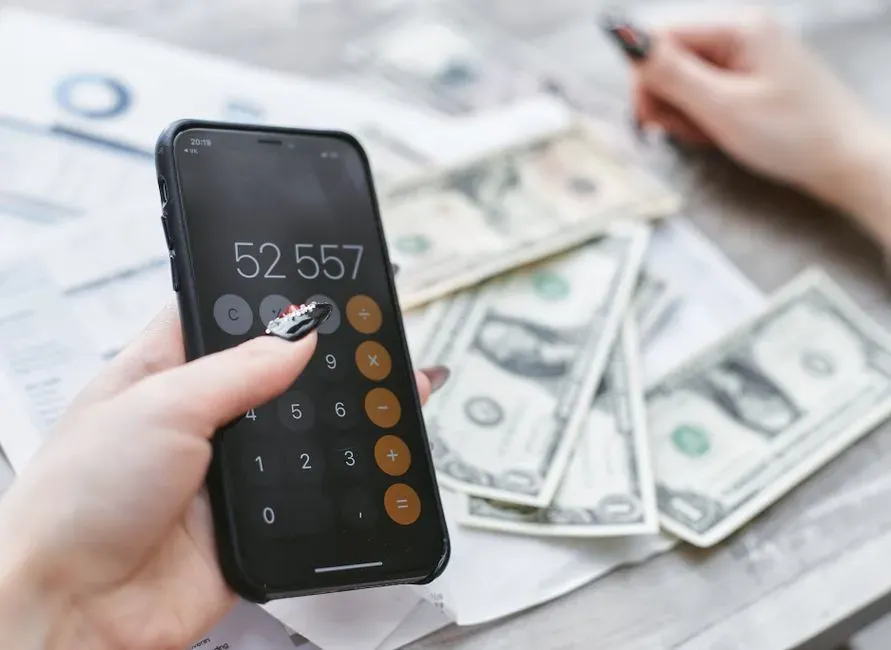
I've always considered myself decent with money. I pay my bills on time, I don't carry a balance I can't handle, and I never thought of myself as a big spender. So thirty days ago, mostly out of curiosity, I decided to write down every single dollar that left my accounts, no exceptions, no rounding, no "that one doesn't count."
What I found wasn't a story about reckless spending. It was something quieter and, honestly, more unsettling: a pile of small, forgettable charges that added up into numbers I couldn't explain when I first saw them on paper.
Why I Decided to Track Every Single Purchase
Why I Decided to Track Every Single Purchase (Image Credits: Pexels)
The idea started with a familiar feeling. My paycheck would land, and within a couple of weeks it felt thinner than it should have, even though I couldn't point to one big purchase that explained it. That gap between what I earned and what seemed to just disappear is apparently common enough that researchers have a name for it.
Studies on subscription spending alone have found that the average American spends $219 a month on subscriptions across 8.2 active services, but estimates only $86, a gap of roughly two and a half times. That statistic alone convinced me that guessing wasn't going to cut it. I needed real numbers, logged in real time, before I could trust any conclusion about my own habits.
The Subscription Total That Made Me Recheck My Math

The Subscription Total That Made Me Recheck My Math (Image Credits: Unsplash)
I started with what felt like the easiest category: recurring charges. I pulled up every bank and credit card statement and wrote down each subscription by name, expecting maybe five or six. I landed closer to eleven once I counted streaming, cloud storage, a meditation app I hadn't opened in months, and two "free trials" that had quietly converted to paid plans.
This turned out to be far from a personal failing. Research from West Monroe found that 89% of consumers underestimate their subscription costs, and 66% are off by more than $200. Seeing that statistic after doing my own audit felt less like a coincidence and more like proof that subscription pricing is designed to be forgettable in small doses.
The Streaming Stack I Forgot I Was Paying For
The Streaming Stack I Forgot I Was Paying For (Image Credits: Pexels)
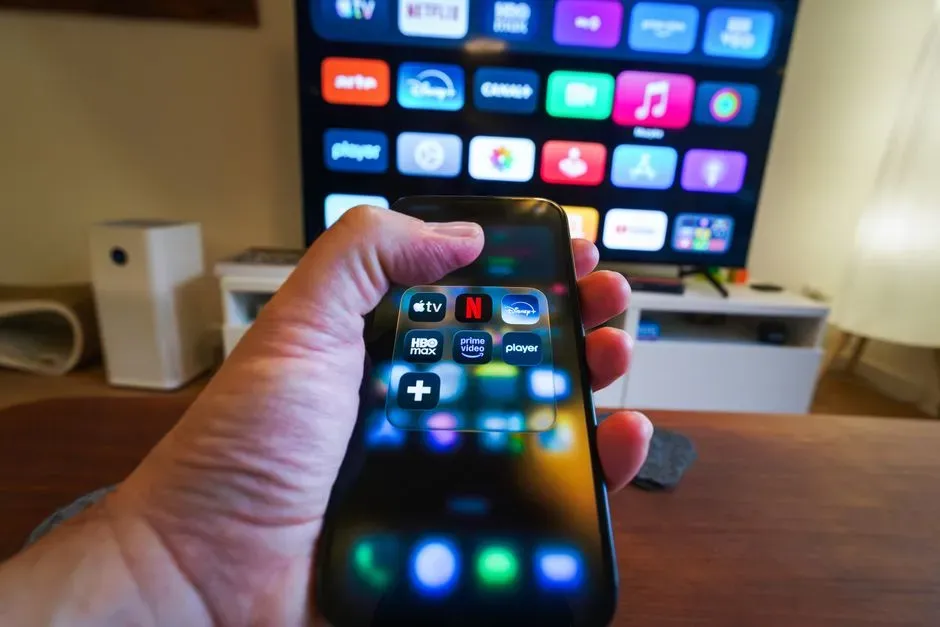
Streaming was the category I was most confident about going in. I figured I had two, maybe three services. Once I actually listed them, I counted four, which lines up closely with what industry research has found more broadly.
According to Deloitte's 2025 Digital Media Trends survey, the average American pays for four streaming services at a combined cost of $69 a month, a 13% increase from the year before. One of mine was a service I hadn't logged into in over two months. That tracks with separate research showing certain streaming platforms, ESPN+ among them, are commonly kept and rarely used, based on data from a Self Financial survey that found ESPN+ to be the most common unused streaming subscription.
Food Delivery Was Quietly Draining My Account

Food Delivery Was Quietly Draining My Account (Image Credits: Unsplash)
This is the category that actually shocked me. I don't consider myself someone who orders delivery constantly, maybe once a week on a tired night. When I added up the thirty days, the number was noticeably higher than I expected, and apparently that's typical rather than unusual.
Data from Empower's spending analysis shows that people spend an average of $118 a month on food delivery, making it the third highest non-essential monthly expense after travel and fine dining. Separate research puts weekly takeout spending even higher, with one analysis finding the average American spends $70 a week on takeout. My own total landed somewhere between those two figures, which was enough to make me pause before tapping "reorder" again.
Small Purchases Added Up Faster Than Big Ones
Small Purchases Added Up Faster Than Big Ones (Image Credits: Unsplash)
No single transaction during my thirty days felt reckless. A coffee here, a parking fee there, a five dollar app purchase I barely remember making. Individually, none of it looked like a problem, which is exactly the trap.
Researchers studying spending psychology describe this pattern clearly. Small recurring charges become invisible in a way that doesn't register the same as a single larger purchase would. By the end of the month, my "small stuff" category was larger than two of my actual bills combined, which was not something I saw coming when I started this experiment.
My Emergency Fund Was Thinner Than I Thought
My Emergency Fund Was Thinner Than I Thought (Image Credits: Unsplash)
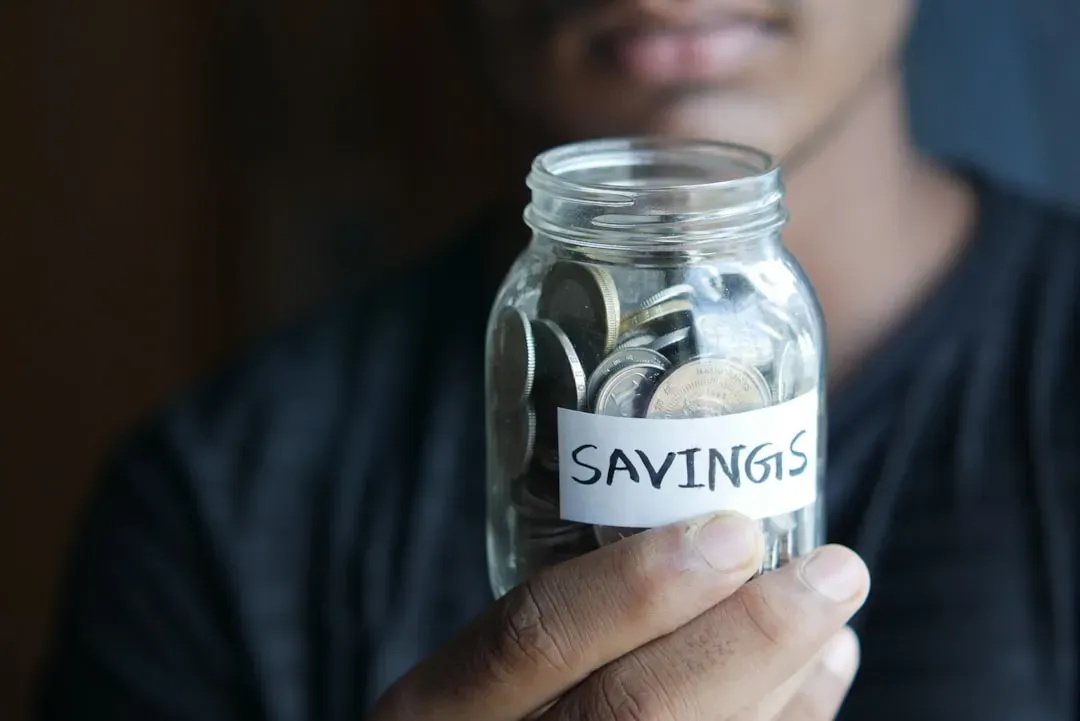
Tracking spending naturally led me to check my savings, and that's where things got a little uncomfortable. I assumed I was somewhere in the middle of the pack. National data suggests the middle of the pack isn't as secure as it sounds.
Bankrate's most recent survey found that only 46% of Americans have enough emergency savings to cover three months of expenses, while nearly one in four have no emergency savings at all. A separate 2026 survey found the situation may be getting worse rather than better, reporting that more than two in five Americans couldn't cover a $1,000 emergency expense from savings, and that the median emergency savings balance sits at $5,000, half of what was reported the year before. My own cushion wasn't as thin as those figures, but it was thinner than I'd assumed before I actually checked.
The App That Did Most of the Heavy Lifting
The App That Did Most of the Heavy Lifting (Image Credits: Pexels)
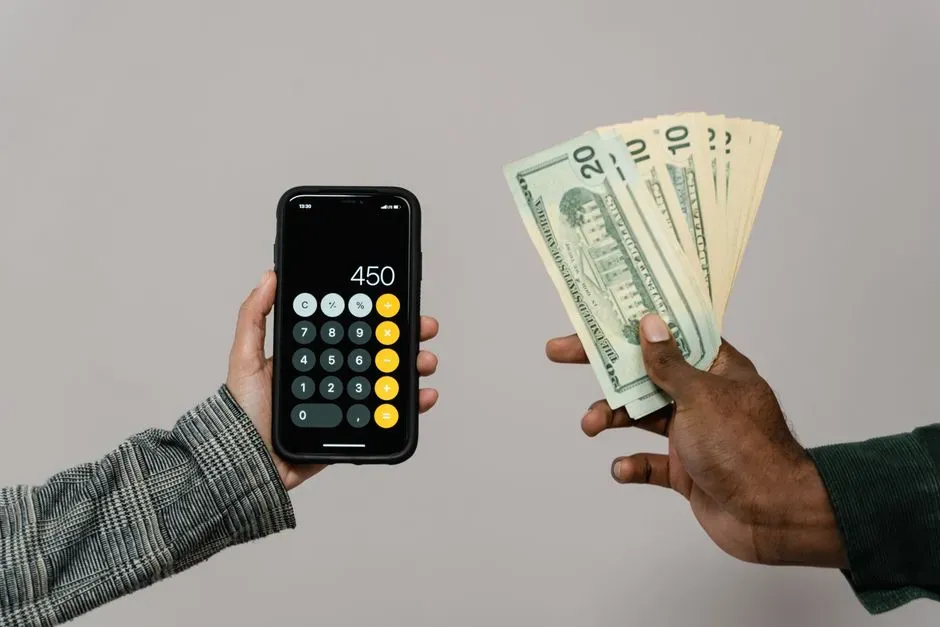
Doing this by hand for thirty days taught me why budgeting apps exist in the first place. Somewhere around week two, I connected my accounts to a tracking app instead of manually copying numbers into a spreadsheet, mostly to save my sanity.
It's worth noting these tools have gotten genuinely useful. Reviews of budgeting apps note that Rocket Money analyzes transactions to identify recurring expenses and can cancel unwanted subscriptions on a user's behalf. That single feature caught two subscriptions I had completely forgotten existed, which the app flagged before I ever would have noticed on my own.
Where the Money Actually Went, Category by Category

Where the Money Actually Went, Category by Category (Image Credits: Unsplash)
Once the month wrapped up, I sorted everything into buckets: housing, groceries, transportation, subscriptions, delivery, and a miscellaneous pile that grew larger than I wanted to admit. Housing was predictable. Everything else told a different story.
Groceries and food delivery combined ate up more of my budget than I'd guessed, which isn't unusual given how much this category has grown industry-wide. Even grocery delivery alone adds up quickly for regular users, with one analysis finding the average customer using grocery delivery spent about $548.49 per year on the service. My miscellaneous category, full of one-off small purchases, ended up rivaling my transportation costs, which was the single most eye-opening line item on the whole sheet.
The Habit I Didn't Realize Was Costing Me

The Habit I Didn't Realize Was Costing Me (Image Credits: Unsplash)
If I had to point to one pattern that surprised me most, it wasn't a big purchase at all. It was how often "just this once" convenience purchases repeated themselves across the month, each one small enough to feel harmless in the moment.
This lines up with what researchers have observed about why people lose track of spending in the first place. Charges that are small and spread across different dates rarely add up in anyone's head without deliberate tracking, which is part of why the design of recurring and small purchases makes them easy to ignore individually while auto-renewing on schedules that discourage awareness. Once I saw the pattern in writing, it was hard to unsee.
What Actually Changed by Day Thirty
What Actually Changed by Day Thirty (Image Credits: Pexels)
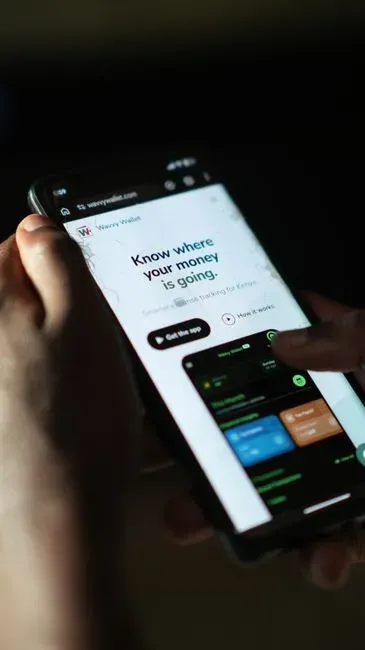
The most surprising part of this experiment wasn't any single number. It was how differently I started behaving once I knew someone, even just my own spreadsheet, was watching. I hesitated before ordering delivery. I actually opened the streaming apps I was paying for instead of just paying for them.
That behavior shift isn't just anecdotal. Research on budget tracking tools found that users who engage with a budget tracker at least three times a week are 3.4 times more likely to achieve their stated savings goals compared to non-users. I wasn't checking mine daily, but even a rough weekly habit was enough to change how I spent, not just how I recorded spending after the fact.
What I'm Doing Differently Now

What I'm Doing Differently Now (Image Credits: Unsplash)
Thirty days wasn't long enough to fix everything, and I'm not pretending one month of tracking turned me into a different person. What it did was give me a baseline I can actually trust instead of a vague feeling about where my money goes.
I've canceled three subscriptions, set a monthly cap on delivery orders, and started automating a small transfer into savings each payday, joining the roughly two in five Americans who already automate their savings contributions. It's a modest change, but modest changes compound, and given that only 19% of Americans managed to grow their emergency savings in 2025, modest and consistent seems like the more realistic goal than dramatic and short lived.
Thirty days of writing down every dollar didn't reveal some hidden financial disaster. It revealed something more ordinary and, in its own way, more useful: a dozen small leaks that were easy to fix once I could actually see them. The tracking stopped after a month, but the habit of checking, even loosely, has stuck around longer than I expected.