
I didn't wake up one morning with a burning desire to get rid of half my stuff. It happened more gradually, after one too many mornings spent digging through an overstuffed closet looking for a shirt I knew I owned but couldn't find. At some point the question stopped being whether I had too much and became a much more specific one: what would actually happen if I cut everything I owned by fifty percent, on purpose, for a real length of time?
This isn't a story about becoming a monk or living out of a duffel bag. It's about what happens in an ordinary apartment when you force yourself to make hard choices about things you've been avoiding for years.
Why I decided to try this experiment

Why I decided to try this experiment (Image Credits: Pexels)
The idea came from a place of mild frustration rather than any grand philosophy. I moved twice in three years and each time I packed boxes of things I hadn't touched since the previous move, which felt like proof I was hauling around a life I wasn't actually living. Somewhere along the way I'd also read enough about the psychological weight of clutter to wonder if my own mess was quietly costing me more than closet space.
There's actual research behind that suspicion. A well known study out of UCLA's Center on Everyday Lives of Families tracked cortisol levels in dual income households and the researchers tracked 32 families in Los Angeles, measuring cortisol levels throughout the day while documenting their home environments in detail. The results weren't subtle either, since individuals who described their homes as cluttered or full of unfinished projects showed flatter cortisol slopes, a pattern associated with chronic stress and poorer health outcomes. That was enough for me to stop treating "I'll deal with it later" as a viable life strategy.
Defining half: the rules I set for myself

Defining half: the rules I set for myself (Image Credits: Unsplash)
Cutting belongings in half sounds simple until you try to actually measure it. I didn't own a household inventory system, so I started by counting rooms rather than items, working through the closet, the kitchen, the bookshelf, and a catchall drawer that had become a small museum of forgotten cables. My rule was blunt: for every category, only half could stay, and I had to physically remove the rest from the apartment within a week, not just shove it into a corner.
I gave myself three piles: keep, donate, and a maybe box that I sealed and dated. Anything in the maybe box that I hadn't opened after thirty days would get donated automatically, no second guessing. That single rule turned out to matter more than anything else I did, because it removed the endless negotiation with myself that usually derails these projects halfway through.
Clothes were the easiest yes

Clothes were the easiest yes (Image Credits: Unsplash)
Clothing was where the halving felt almost effortless once I started. I laid everything out on the bed, which is a classic tactic for a reason, since seeing the full volume of what you own in one place is genuinely humbling. I counted roughly sixty items of clothing I hadn't worn in over a year, including several things still carrying store tags.
Cutting that pile in half meant keeping the clothes that fit my actual daily life rather than the version of myself I kept meaning to become. Gym clothes for workouts I don't do, formal wear for events that rarely happen, and duplicate basics all went into the donate pile without much internal debate. Out of everything I sorted during this whole experiment, clothes were the one category where losing half felt like relief rather than sacrifice.
The kitchen reckoning
The kitchen reckoning (Image Credits: Unsplash)
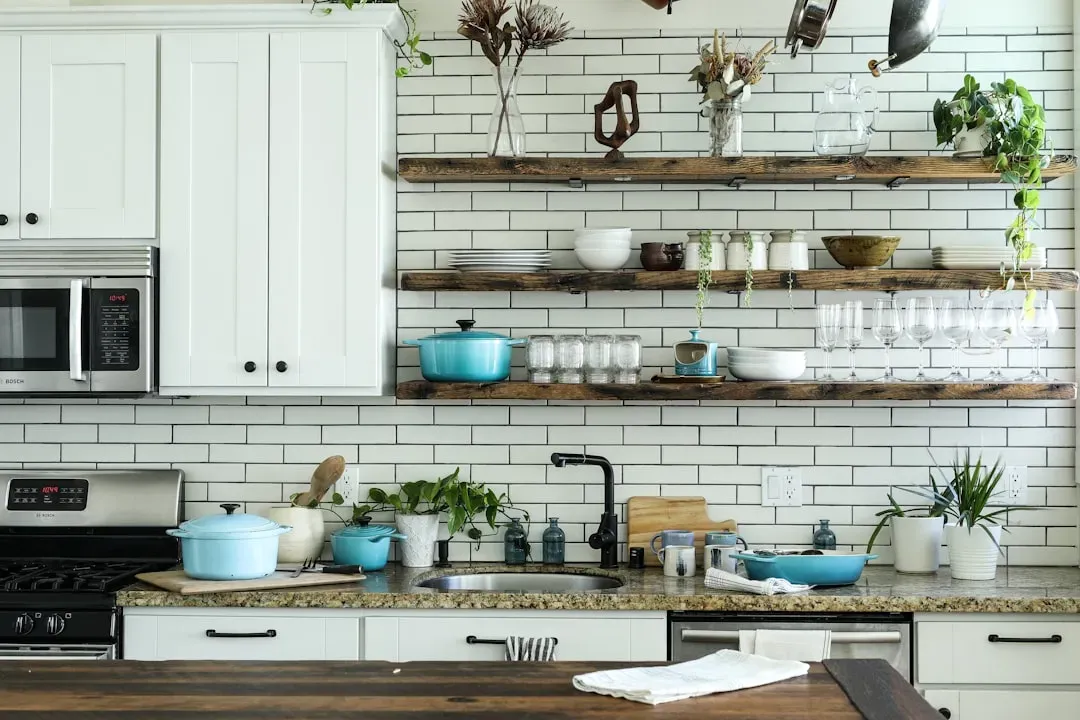
The kitchen was a different story entirely, mostly because kitchens accumulate gadgets that promise convenience and then quietly disappear into the back of a cabinet. I found two garlic presses, a waffle iron I'd used exactly once, and enough travel mugs to supply a small office. Cutting this category by half meant confronting how much of my kitchen was aspirational rather than functional.
What stayed was almost entirely the things I reached for weekly, a decent knife, a couple of pots, the coffee maker, and the everyday plates and mugs. What left was the specialty equipment tied to hobbies I'd abandoned or gifts I never asked for. Cooking during the following weeks didn't get harder, which was the most convincing evidence that half my kitchen had been dead weight all along.
Books and papers were the hardest goodbye

Books and papers were the hardest goodbye (Image Credits: Pexels)
If clothes were easy and kitchen items were straightforward, books and paperwork were where the whole experiment nearly stalled. Books carry a strange emotional weight, tied up with the idea of who we are or want to be seen as, rather than what we'll actually reread. I kept telling myself I'd get back to certain titles, which is exactly the kind of thinking the maybe box was designed to interrupt.
Papers were a separate mess entirely, years of old bills, warranties for appliances I no longer owned, and notes from classes I finished a decade ago. Sorting through it took an entire weekend and produced a recycling pile taller than my desk. What was left afterward fit into a single folder, which made me wonder why I'd ever needed a whole drawer for it in the first place.
What the science says about clutter and stress

What the science says about clutter and stress (Image Credits: Pexels)
Partway through this project I went looking for more research, curious whether my improved mood was just wishful thinking. The pattern held up across multiple studies. A 2012 study done at UCLA's Center on Everyday Lives and Families discovered that managing a large amount of possessions was linked to increased levels of cortisol in women, and the effect showed up specifically in how people talked about their homes. Researchers found there did seem to be a link between how families, especially mothers, talk about their home spaces and their diurnal cortisol levels.
There's also a decision fatigue angle that matched what I noticed day to day. Every extra item in a room is technically a small decision waiting to happen, whether to move it, use it, or finally get rid of it, and those tiny unresolved decisions add up over a full day. None of this means owning things is inherently bad, but it did make me more sympathetic to the idea that a lighter home leaves more mental room for everything else.
Life with less: the first month
Life with less: the first month (Image Credits: Pexels)
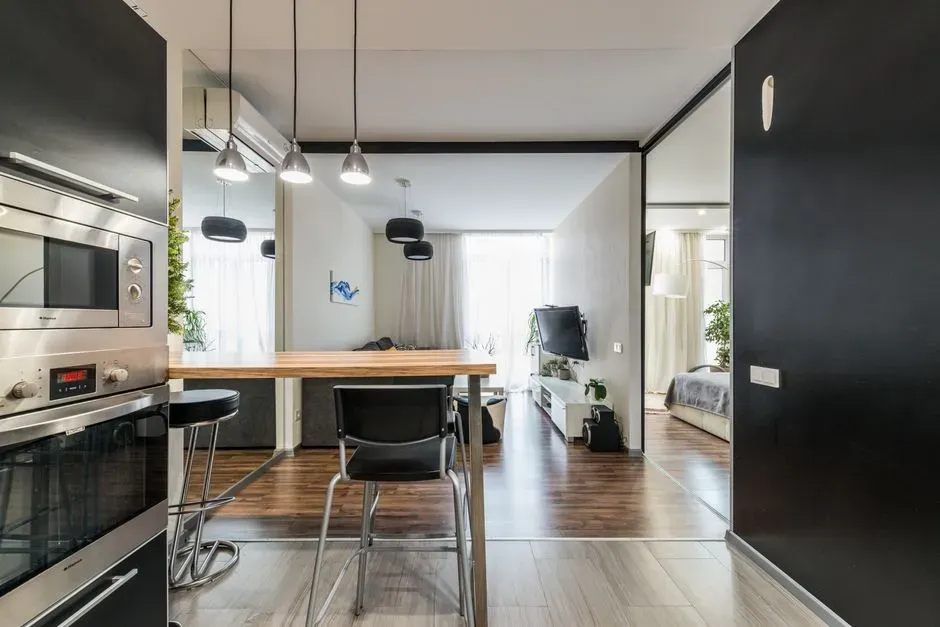
The first month living with roughly half my previous belongings felt strange in ways I hadn't fully anticipated. Rooms looked different, obviously, but the bigger shift was how much faster daily tasks became. Getting dressed took less time because every option in the closet was something I actually liked and wore, and finding kitchen tools stopped requiring an archaeological dig.
Cleaning also changed dramatically, since there was simply less surface area covered in objects that needed to be moved, dusted, or organized. I found myself finishing chores in half the time without trying to rush, which felt less like minimalism and more like basic efficiency. The apartment didn't feel empty either, which surprised me, since I'd expected the space to look bare rather than simply calmer.
The itch to buy it all back
The itch to buy it all back (Image Credits: Pexels)
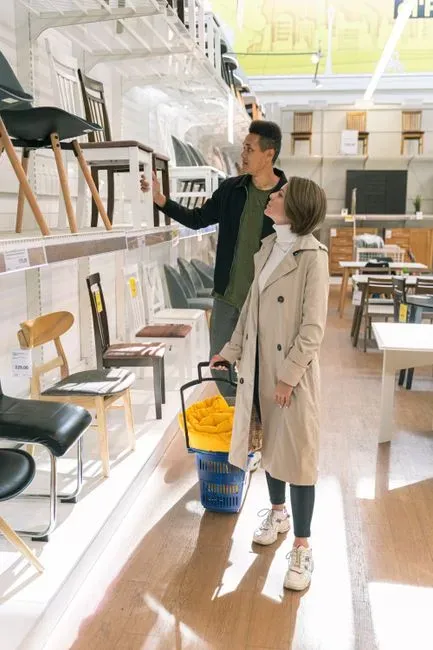
Around week three, the urge to replace some of what I'd given away crept in, and it caught me off guard. I found myself standing in a store aisle looking at a gadget nearly identical to the one I'd donated a few weeks earlier, half convinced I actually needed it this time. That moment was useful, because it exposed how much of the original clutter had come from exactly this pattern, buying things out of a vague sense that they might come in handy someday.
I made myself wait a week before replacing anything, and most of the time the urge faded before the week was up. Only a handful of items actually got repurchased, mostly practical things like a second set of sheets, which suggested the original halving had been closer to accurate than I expected. Resisting that impulse turned out to be the real test of whether this was a lasting change or a temporary purge.
Storage, donation, and where things actually went

Storage, donation, and where things actually went (Image Credits: Pexels)
One choice I made early on was refusing to simply move everything into a storage unit, which would have solved nothing beyond hiding the problem somewhere else. That decision felt more meaningful once I looked into how common the alternative has become. One in three Americans currently uses self storage, with another 18% planning to rent a unit in the future, and much of that demand comes from people managing overflow rather than genuinely reducing what they own.
Instead, everything I removed went to one of three places, a local donation center, a friend who needed specific items, or the recycling bin for anything genuinely unusable. Watching a full trunk of donations leave the apartment felt more final than watching a box disappear into a storage facility ever would have. It also matched the broader trend behind the industry itself, since U.S. consumers own too much stuff and opt for storage units to shelter their belongings rather than actually deciding what to do with it.
The numbers: what it cost and what it saved
The numbers: what it cost and what it saved (Image Credits: Pexels)
This experiment wasn't free, though the costs were smaller than I expected going in. Donating large items sometimes required a short drive, and I spent a modest amount replacing the handful of things I genuinely missed. What surprised me more was the money I wasn't spending anymore, since owning less made me notice duplicate purchases before I made them.
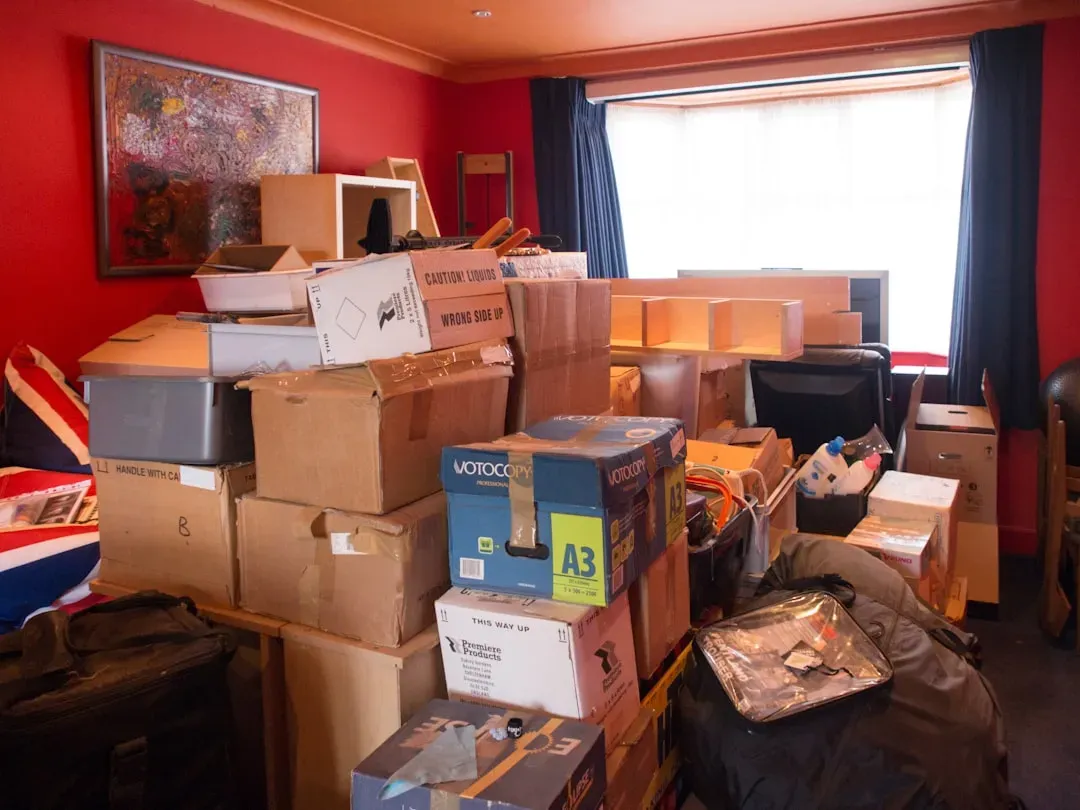
The bigger financial context here is worth mentioning too, since the self-storage industry's ongoing boom is likely driven by rising housing costs and the average home size shrinking by 6% since 2016. Living spaces are getting smaller while the volume of stuff people own keeps climbing, which is exactly the gap that had been quietly stressing me out before this whole project started. Cutting my own belongings in half didn't just declutter a few rooms, it aligned what I owned with the space I actually had.
Final thoughts
Final thoughts (Image Credits: Unsplash)
Months later, most of what I gave away hasn't been missed, and the apartment has stayed roughly at this lighter level rather than creeping back toward its old volume. The biggest change wasn't visual, even though the rooms do look different. It was the smaller, steady reduction in low level friction, less searching, less deciding, less guilt about things I wasn't using.
I wouldn't call this a formula everyone needs to follow, since the right amount of stuff is genuinely personal and depends on how people actually live. What I would say is that forcing a real number, half, rather than a vague goal of "less clutter," made the whole process concrete enough to actually finish. That specificity, more than any minimalist philosophy, is probably the part worth borrowing.