
Leaving a relationship that has quietly dismantled your sense of self is one of the hardest decisions a person can make. It’s rarely a dramatic, clear-cut moment. Most of the time, it looks more like a slow accumulation of smaller moments that finally becomes impossible to ignore. You stay longer than you should, rationalize what you shouldn’t, and wonder whether the problem is you.
Studies show that roughly four in five women and three in four men have experienced emotional abuse in a personal or professional relationship at some point. Those numbers are striking, but they don’t capture how quietly this kind of damage can build. What follows are ten things walking away actually taught me – lessons that research largely supports, and that no self-help book quite prepares you for.
1. Your Body Knew Before Your Mind Did

1. Your Body Knew Before Your Mind Did (Image Credits: Pexels)
Living in a chronic state of fight-or-flight spikes cortisol, a stress hormone closely linked to insomnia and poor concentration, with significant negative effects on mental health. Looking back, I was exhausted all the time. Not tired-from-a-long-day exhausted, but the kind of bone-deep fatigue that doesn’t improve with sleep.
It can be genuinely exhausting to live in a toxic relationship. The insecurity and mental and emotional strain take a toll – energy levels drop, and motivation for things that once mattered begins to fade. The body keeps score, often long before the conscious mind decides to act on what it already knows.
2. Leaving Takes Longer Than Anyone Admits

2. Leaving Takes Longer Than Anyone Admits (Image Credits: Pexels)
Recovery from toxic relationships is a long and challenging process, filled with emotional and practical obstacles such as fear, doubt, and a lack of support. This applies to leaving itself, not just the aftermath. The decision rarely happens once. It happens again and again, in small internal battles, until one day it sticks.
Despite the suffering people experience because of emotional abuse and other types of daily harm, some still decide to stay in a toxic relationship for years, or worse, for decades. Understanding this isn’t an excuse to stay – it’s a reason to stop being so hard on yourself for not having left sooner.
3. Isolation Is a Tool, Not a Coincidence
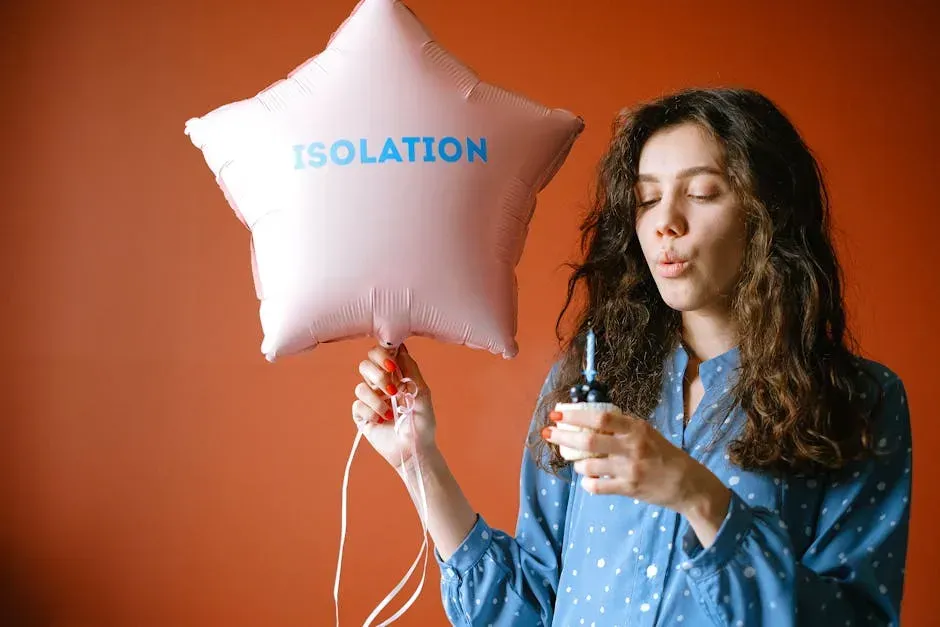
3. Isolation Is a Tool, Not a Coincidence (Image Credits: Pexels)
Social isolation is a common consequence of toxic relationships. Toxic partners may actively discourage outside relationships, leading to a shrinking support network, and even without direct interference, shame or fear can cause individuals to withdraw from friends and family. It rarely announces itself. It tends to look like your partner simply preferring that you spend time with them rather than others.
Over time, this can lead to feelings of worthlessness and isolation, as individuals may withdraw from friends and support systems due to shame or fear of judgment. Recognizing it as a pattern rather than a personal choice is part of how the damage eventually stops compounding.
4. Gaslighting Rewires How You Trust Yourself

4. Gaslighting Rewires How You Trust Yourself (Image Credits: Pexels)
Toxic relationships may be characterized by frequent gaslighting – intentionally making someone question their own reality or feel they’re going crazy. This isn’t just manipulation in the moment. Over time, you begin to genuinely doubt your own perceptions about things that have nothing to do with the relationship.
Constant criticism or gaslighting can lead individuals to doubt their own perceptions and worth, and this diminished sense of self may persist long after the relationship ends. Rebuilding trust in your own judgment is slow work. It’s also the most important work that comes after leaving.
5. You Can Grieve Something That Was Also Bad for You

5. You Can Grieve Something That Was Also Bad for You (Image Credits: Pexels)
After leaving, you may feel a mix of emotions, including sadness, anger, confusion, or guilt. This is normal. What surprises most people is that grief doesn’t wait for the relationship to have been good. You can mourn the version of the relationship you hoped for, even while knowing you’re better off without it.
The many good moments toxic relationships entail can blind us to the reality of chronic mistreatment. That’s partly why leaving feels so disorienting – you’re not just walking away from the bad. You’re also letting go of the good moments that made you stay in the first place.
6. Boundaries Aren't Walls – They're the Foundation

6. Boundaries Aren't Walls – They're the Foundation (Image Credits: Unsplash)
Neuroscience research has shown that setting boundaries activates the prefrontal cortex, the brain region responsible for decision-making and self-control, reinforcing the cognitive benefits of this practice. In plain terms, learning to hold a boundary isn’t just an emotional skill – it’s a cognitive one, and it gets stronger with practice.
Boundaries act as a framework for healthy interaction in relationships, defining what you consider acceptable and unacceptable behavior. In toxic relationships, setting boundaries can protect your mental and emotional health, and explicitly stating what you won’t tolerate can minimize misunderstandings and limit the impact of the toxic person’s actions. After leaving, I finally understood that boundaries weren’t about controlling others. They were about knowing where I ended and someone else began.
7. The Past Relationship Can Echo Into Future Ones

7. The Past Relationship Can Echo Into Future Ones (Image Credits: Pexels)
The scars of a toxic relationship can linger long after it has ended, manifesting as trust issues that hinder the ability to form healthy connections in the future. Survivors may approach new relationships with heightened anxiety, constantly on guard for signs of past abuses. This isn’t weakness. It’s the brain doing its job – attempting to protect you based on what it’s learned.
It can take months, even years, to accustom ourselves to healthy relationships once we’ve been rocked by one or more unhealthy ones. Much work must be done in differentiating between red and green flags, rebuilding a solid sense of self, and putting together a strong support community. Knowing this ahead of time doesn’t make it easier, but it does make the slower moments of recovery feel less like failure.
8. Therapy Isn't Optional – It's the Shortcut

8. Therapy Isn't Optional – It's the Shortcut (Image Credits: Pexels)
Therapy provides a safe space to process emotions and build emotional resilience. Cognitive Behavioral Therapy can help change negative thought patterns, while trauma-focused therapy can assist in healing deep emotional wounds. What often surprises people is how much they’ve normalized that shouldn’t have been normal at all – and therapy is frequently where that realization surfaces.
Counseling supports personal growth by helping individuals develop coping strategies, rebuild self-esteem, and learn communication skills. It’s not about being broken. It’s about having someone in your corner who can see the patterns you’re still too close to notice. That outside perspective turns out to be irreplaceable.
9. Stress Drops When the Source Leaves Your Life

9. Stress Drops When the Source Leaves Your Life (Image Credits: Unsplash)
Research indicates that individuals who leave toxic relationships experience a significant decrease in cortisol, a stress hormone, within the first six months after the separation, indicating improved emotional well-being. This is one of those facts that reads as clinical on paper but feels almost miraculous in lived experience. The quiet that replaces the constant tension is startling at first.
Studies have shown that survivors of toxic relationships who actively engage in self-care activities, such as exercise, mindfulness practices, and hobbies, report higher levels of resilience and a faster recovery process. The body heals when given the right conditions. Sometimes the most radical thing you can do for your health is simply remove yourself from what was harming it.
10. Surviving It Can Make You Stronger – Genuinely, Not Just As a Saying

10. Surviving It Can Make You Stronger – Genuinely, Not Just As a Saying (Image Credits: Unsplash)
Although many of the consequences reported by intimate partners in toxic relationships were negative, some responses implied resiliency and positive effects, like becoming a stronger person and learning from the experience. Research actually backs this up. Post-traumatic growth is a documented phenomenon, not a cliché invented to make suffering feel purposeful.
Toxic relationships have long-term consequences for an individual’s emotional and social development throughout their lifespan – but that same depth of impact means the lessons, once truly absorbed, run just as deep. Learning new skills, nurturing healthy friendships, and practicing self-compassion guard against future toxic ties and help build healthier relationships. The clarity that comes after leaving isn’t the whole prize, but it’s a real one – and it’s yours to keep.
Walking away was the beginning of understanding what I’d quietly given up while I was inside it. Not everything had to collapse before I could see clearly. It just took longer than I’d like to admit to believe I was worth the clarity.