
Most people enter a relationship with good intentions. They want connection, warmth, and something real. Yet many couples find themselves burning through time and energy on behaviors that quietly erode exactly what they were hoping to build. Some of these patterns feel almost automatic, pulled from how we grew up or what we absorbed from past relationships.
Unhealthy patterns, much like healthy ones, often evolve from early childhood attachments. Some learned behaviors interfere with intimacy, creating a kind of anxiety where trust should live instead. Recognizing which behaviors are truly working against you is the first step toward changing them. Here are five that come up again and again.
Keeping Score Like the Relationship Is a Competition

Keeping Score Like the Relationship Is a Competition (Image Credits: Pexels)
Keeping score in love might feel fair, but it could be quietly eroding your relationship. In close relationships, people often go out of their way for each other – cooking a favorite meal, offering a ride, or simply listening after a rough day. These acts usually come from a place of care. For some people, though, they feel more like transactions. Psychologists call this an "exchange orientation," and it turns out to be surprisingly damaging.
In a massive longitudinal study, researchers followed more than 7,000 couples over the course of 13 years, checking in with these couples through as many as seven separate surveys. At each interval, they measured how satisfied the partners were in their relationships, and importantly, how strongly each partner leaned toward keeping track of what each gave and received. Consistently, the findings showed that when one partner's exchange orientation increased, relationship satisfaction decreased. Most notably, this wasn't a short-term dip. Even up to two years later, some couples were still less satisfied if one partner had been caught up in scorekeeping earlier on.
Showing Contempt During Arguments

Showing Contempt During Arguments (Image Credits: Pexels)
Dr. John Gottman has spent over four decades studying what makes relationships thrive and what causes them to fall apart. At his research facility at the University of Washington, known as the "Love Lab," Gottman and his team observed more than 3,000 couples, tracking everything from heart rates and facial expressions to the specific words partners used during conflict. This meticulous research led to one of the most influential discoveries in relationship psychology: the Four Horsemen.
Of the four destructive communication patterns he identified, contempt is the single greatest predictor of divorce. Contempt means treating your partner from a position of moral superiority. It includes mockery, sarcasm, and eye-rolling. Research even shows that couples who are contemptuous of each other are more likely to suffer from infectious illness, such as colds and the flu, due to weakened immune systems. Contempt isn't just a communication failure. It's a signal that resentment has been building for a long time without being addressed.
Stonewalling Instead of Saying What You Feel

Stonewalling Instead of Saying What You Feel (Image Credits: Pexels)
Stonewalling is seen when one partner withdraws from the interaction entirely. They may shut down and further isolate themselves from their partner. It is common when someone is stonewalling that they are also experiencing emotional flooding and are not able to engage in self-regulation. From the outside, it looks like indifference. From the inside, it often feels like the only available option.
Stonewalling feels like emotional abandonment to a partner. They're trying to reach out, to connect, to resolve something, and the other person has checked out. From the stonewaller's perspective, the shutdown may be an attempt to avoid saying something regrettable, or because they feel genuinely overwhelmed and need space. The antidote, according to Gottman's research, is self-soothing rather than shutting down entirely, taking a break while staying engaged rather than disappearing from the conversation. The distinction matters more than people realize.
Repeating Destructive Cycles Without Addressing the Root
Repeating Destructive Cycles Without Addressing the Root (Image Credits: Pexels)
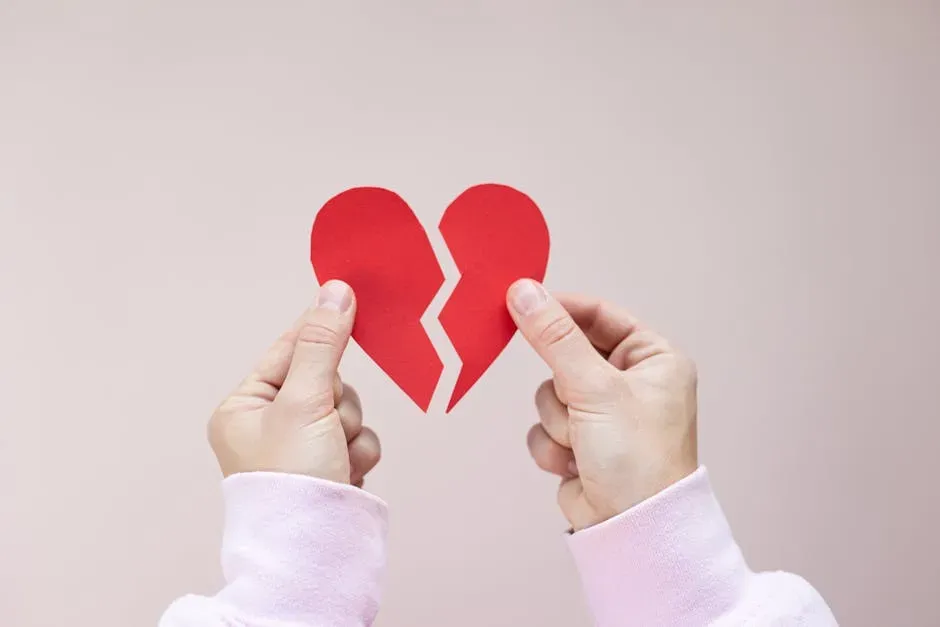
Some couples experience a recurring cycle of breaking up and then reconciling. These repetitive patterns can be emotionally draining and introduce instability into the relationship. This pattern may emerge due to a lack of conflict resolution, adaptability, mutual respect, and open communication. Each reunion feels like a fresh start, but without real change, it's often just a reset to the same dynamics.
Dysfunctional relationships are often characterized by unhealthy patterns that have a direct impact on the individual's mental and emotional well-being. These relationships frequently lack essential elements like empathy, clear communication, and mutual respect, and are instead marked by behaviors that undermine trust, create anxiety, and prevent true intimacy. Research indicates that individuals exposed to toxic relationships are at an increased risk of developing mental health disorders. Studies show that ongoing abuse or manipulation can triple the likelihood of conditions such as PTSD and depression.
Letting Relationship Burnout Go Unaddressed

Letting Relationship Burnout Go Unaddressed (Image Credits: Pixabay)
In recent years, partners are asking more of each other than previous generations, seeking not just a companion, but a life coach, therapist, and cheerleader. When these high expectations collide with real-world stressors like money, parenting, or work, the result is often relationship burnout. Relational overload does not stay contained; it leaks into the connection and erodes the foundation of the partnership.
Research indicates a direct link between high overload and low relationship satisfaction. Most concerningly, extreme exhaustion and depletion of intimacy are strongly linked to the urge to seek an "escape hatch," such as an affair, simply to feel like one can breathe again. Feeling burned out does not necessarily mean the love is gone; it often means one or both partners are simply overloaded. Leaving that overload unacknowledged, treating it as normal, is where real damage starts to accumulate.