
Most people think of themselves as easy to serve. They order politely, tip a bit, and leave without much fuss. Yet talk to actual servers, whether on Reddit threads, TikTok videos, or in interviews with food publications, and a pattern emerges that has little to do with rudeness and everything to do with small, avoidable habits that quietly make a shift harder.
These aren't dramatic offenses. They're the kind of thing a guest might not even notice doing, while the person carrying their food notices every single time. Below are six behaviors that servers consistently name as the ones that turn a table into the one nobody wants to pick up.
1. Snapping fingers or tapping glasses instead of making eye contact
1. Snapping fingers or tapping glasses instead of making eye contact (Image Credits: Unsplash)
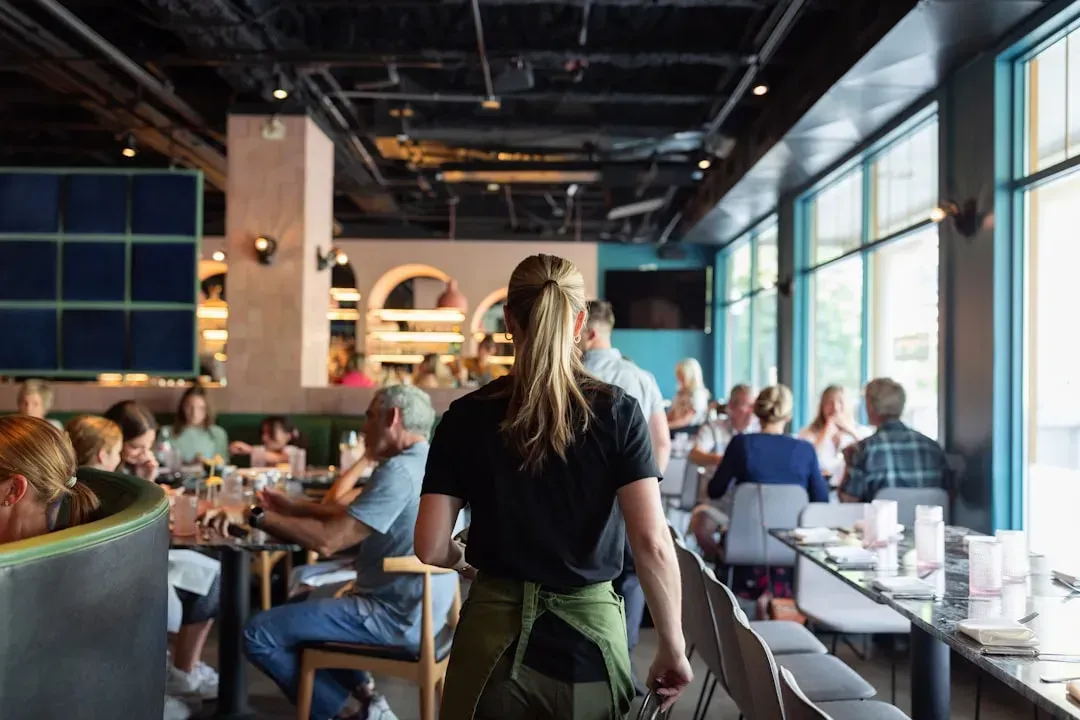
Servers repeatedly point to snapping, whistling, or tapping a glass as one of the fastest ways to sour a table’s reputation in the back of the house. Servers notice raised hands, eye contact, and a polite excuse me, and they do not need finger snaps, whistles, sleeve grabs, or a spoon concert on an empty water glass, with one Outback Steakhouse server naming snapping and glass tapping among her biggest pet peeves. The gesture reduces a person doing a demanding job to something closer to a household appliance.
What actually works is simpler than most guests assume. Catching the server’s eye, raising one finger slightly, or asking another employee to send the server over gets attention without creating tension. It costs nothing extra and tends to get faster results than any attention-grabbing noise.
2. Piling on modification after modification, then adding one more
2. Piling on modification after modification, then adding one more (Image Credits: Pexels)
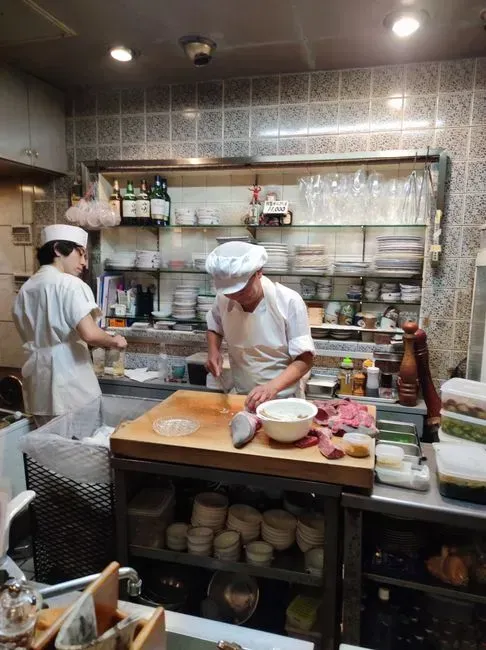
A single reasonable substitution rarely bothers anyone in the kitchen. The trouble starts when a table treats the menu as a rough draft rather than a finished dish. Asking for too many menu modifications has become one of the biggest things servers want guests to stop doing, largely because the kitchen is engineered to work like a machine, with each station preparing specific components in a precise sequence, so a table ordering pasta with a different sauce, different protein, and different vegetables is not just being picky. That kind of request ripples backward through a system built for speed, not customization.
Allergies are a different matter entirely, and no server treats them the same way. Some modifications are genuinely necessary because allergies are real. The complaint isn’t about accommodation itself. It’s about guests who rebuild an entire plate for taste preference and expect the same turnaround as everyone else.
3. Announcing a problem with the food only after the plate is nearly empty
3. Announcing a problem with the food only after the plate is nearly empty (Image Credits: Pexels)
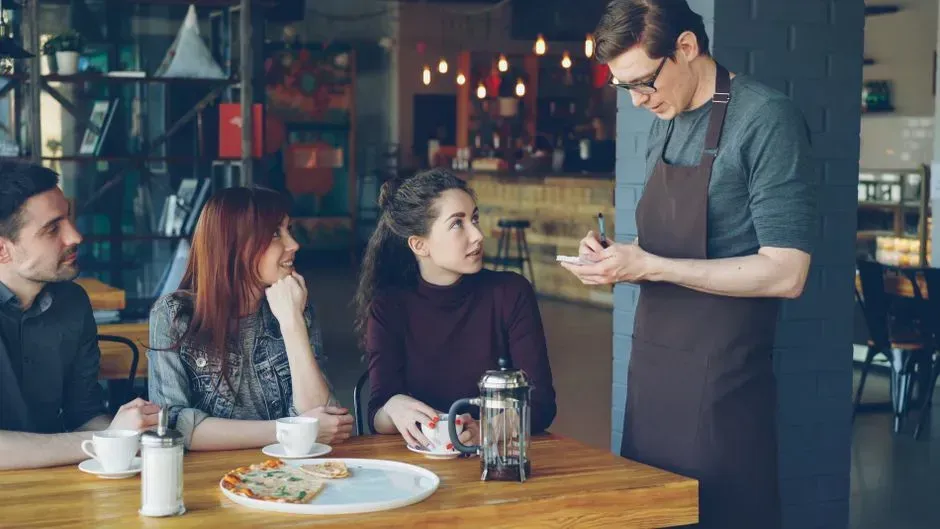
Nobody expects a guest to love every dish. What frustrates servers is the timing of the complaint rather than the complaint itself. If an order is incorrect or not cooked to a diner’s liking, they always have the right to politely send it back and inform their server, but servers do find it slightly annoying when patrons consume a good deal of the dish before mentioning the issue or wait until the very end of the meal to raise it. By that point, there’s little the kitchen can realistically do.
The reaction from staff isn’t about doubting anyone’s sincerity. It can seem like the patron is angling for a free meal, even if they were actually just too shy to complain earlier. Speaking up within the first bite or two gives the kitchen an actual chance to fix things, which tends to leave both sides happier than a quiet grievance saved for the check.
4. Staying glued to a phone through every stage of the meal
4. Staying glued to a phone through every stage of the meal (Image Credits: Pexels)
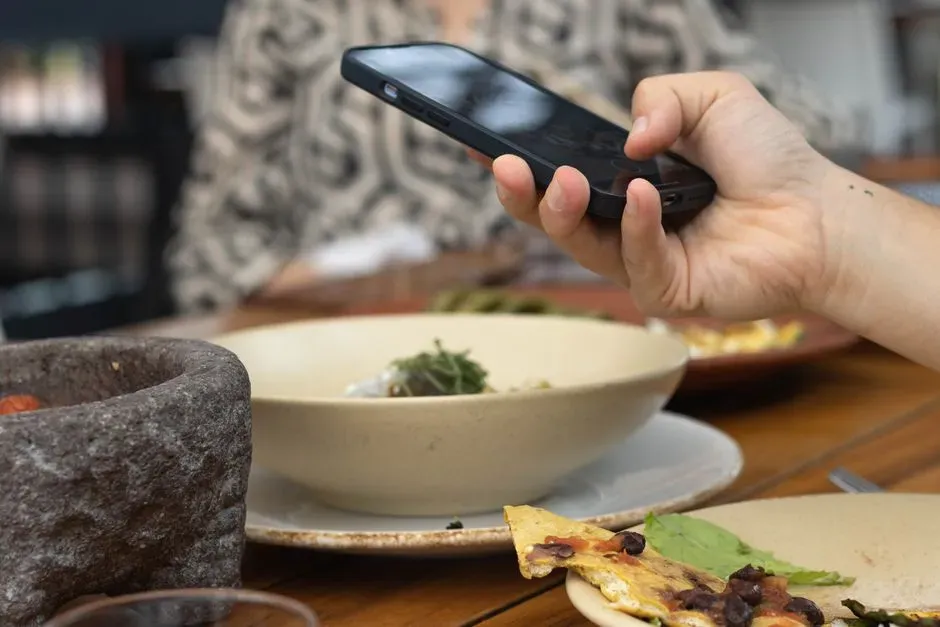
A quick photo of the appetizer is harmless. The pattern servers describe is something else: a guest who never fully looks up. It plays out with the server approaching while the guest is scrolling, asking about drinks while the guest holds up a finger, then food arriving while the guest is on a call, making the server feel like an inconvenience to the guest’s real life. That disconnect doesn’t just feel awkward. It creates real friction in the service itself.
This divided attention creates mistakes, and everyone misses things while the meal drags as service seems worse, even though the problem started with the glowing screen. Orders get repeated, drink refills get missed, and a table that could have moved smoothly instead stalls at every step, all because nobody was quite paying attention at the right moment.
5. Requesting a split check after the bill has already been rung up
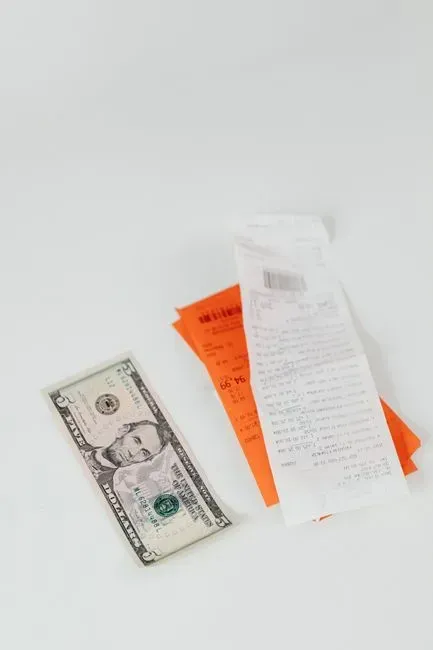
5. Requesting a split check after the bill has already been rung up (Image Credits: Pexels)
Splitting a bill among friends is completely normal, and most restaurants handle it without complaint. The issue is purely about sequencing. Asking for split checks at the end is a logistical nightmare from a server’s perspective, since modern point of sale systems can split checks but doing so after everything has been rung up together, especially for a large group with shared appetizers and wine, requires the server to essentially re-enter the entire transaction. What feels like a small favor to the guest can mean several extra minutes of redone work during a busy rush.
The fix is almost embarrassingly easy. Telling the server about separate checks at the start of the meal rather than the end is the way to go. A single sentence at the beginning saves everyone a headache later, and it’s a habit that costs the guest nothing at all.
6. Treating tipping as optional or as a reflection of the bill's total, not the service given
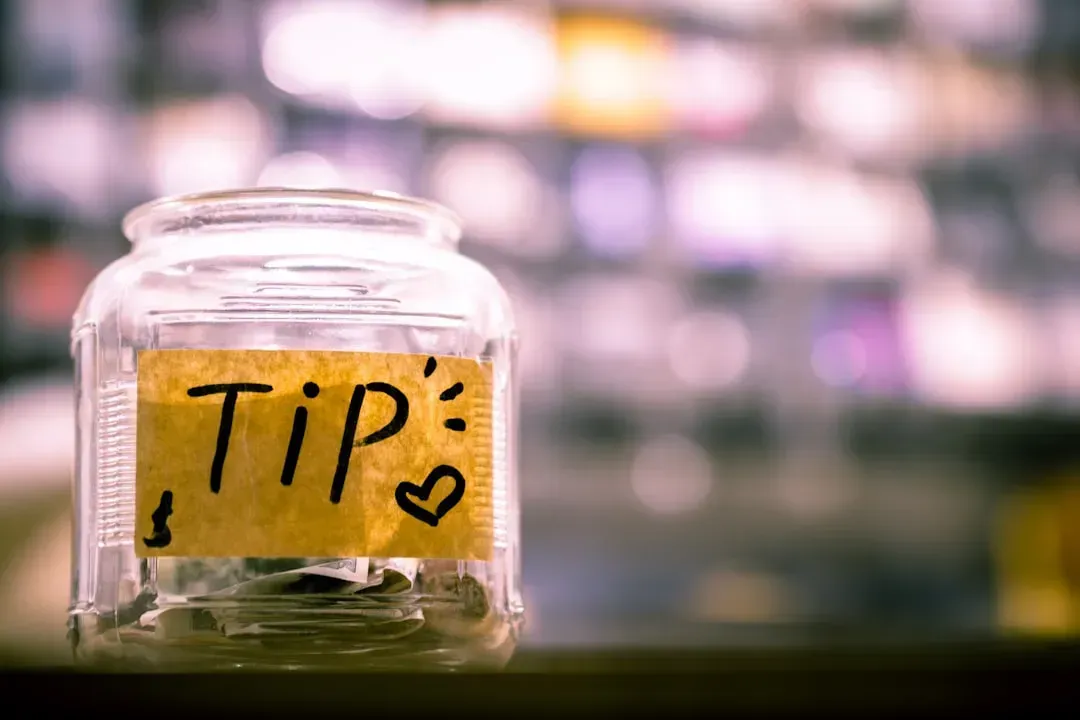
6. Treating tipping as optional or as a reflection of the bill's total, not the service given (Image Credits: Unsplash)
Tipping frustration has become one of the more charged topics in American dining, and servers feel the tension directly. A 2025 Popmenu survey of 1,000 U.S. consumers found that 65% felt fed up with tipping, while 45% still said they tipped restaurant servers at least 20%. That gap between resentment and actual behavior shows up at tables in ways servers notice immediately, whether it’s a lecture about menu prices or a tip calculated on anger rather than service.
Wage structures make this even more consequential than it might seem. Federal law still allows qualifying employers to pay tipped workers as little as $2.13 per hour in direct wages when tips bring their total earnings to the applicable minimum wage. Servers generally suggest a straightforward approach: tip according to the service actually received, not according to frustration over menu prices or a dish the server didn’t cook, and if something genuinely went wrong, raise it with a manager before quietly punishing the person who brought the food.
None of these six habits require rehearsal or special restaurant knowledge to avoid. They’re really just about noticing the person on the other side of the table, the timing of a request, and the fact that a kitchen runs on rhythm rather than individual convenience. Small adjustments in when and how something gets said tend to matter more than most guests realize, and they’re the difference between being an easy table and being the one everyone quietly hopes to skip.