
Somewhere around 60, without any big announcement or dramatic resolution, eating habits start to shift. Nobody posts about it or makes a formal decision. It just happens gradually, meal by meal, as the body starts reacting differently to things it used to shrug off.
What’s interesting is that these changes rarely come from a doctor’s stern warning. More often they come from noticing, quietly, that certain foods just don’t sit right anymore, or that energy and sleep improve when they’re skipped. Here are seven things that tend to disappear from the plate, and the reasoning behind each one.
1. Salty processed and packaged foods
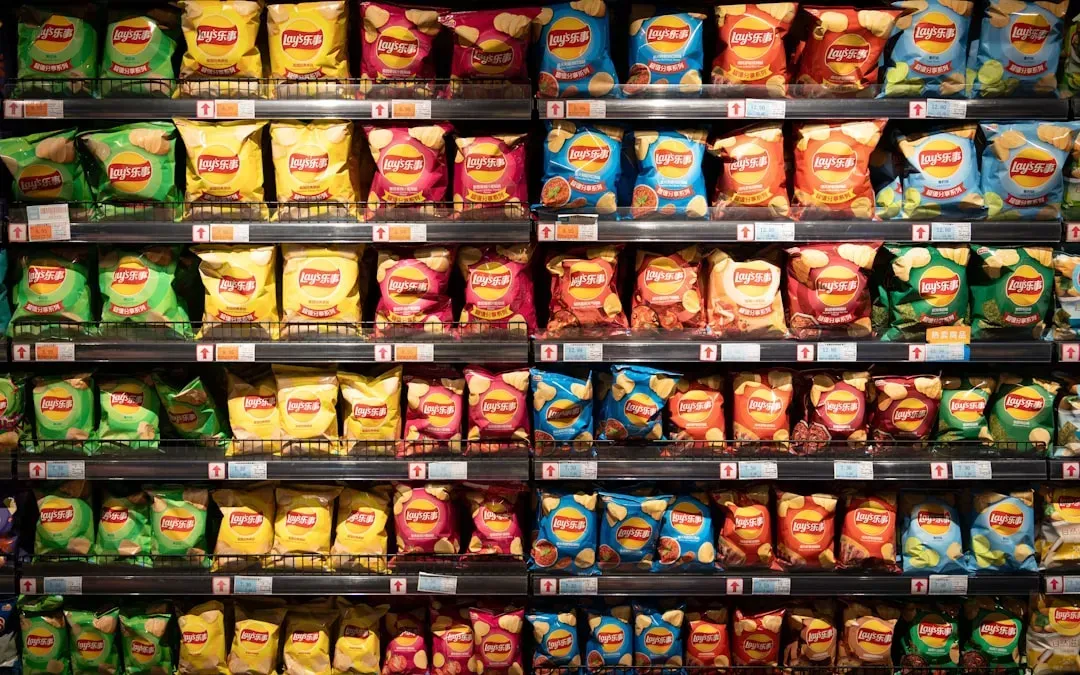
1. Salty processed and packaged foods (Image Credits: Unsplash)
Canned soups, deli meats, and frozen dinners are usually the first things to get quietly phased out. Data from the National Health and Nutrition Examination Survey found that 89% of adults and 90% of children exceed the recommended levels, well above the recommended limit. That excess catches up with people around this age, since blood pressure tends to become more sensitive to salt over time.
Too much salt can lead to high blood pressure and heart disease, so many people start eating fresher, low-salt foods and skip adding salt when cooking, using herbs and spices for flavor instead. It’s less about eliminating sodium entirely and more about noticing where it hides. Restaurant meals and packaged snacks are often the biggest culprits, and cutting back on both tends to happen almost automatically once people start paying attention.
2. Sugary drinks and sweetened beverages

2. Sugary drinks and sweetened beverages (Image Credits: Unsplash)
Soda, sweetened iced tea, and flavored coffee drinks tend to lose their appeal, or at least their frequency, after 60. About 13 percent of the total energy intake of US adults comes from added sugar, roughly 17 teaspoons or 85 grams per day, while the recommended intake is under 10 percent. That gap is often driven by beverages more than anything else on the plate.
Added sugars drive weight gain and metabolic issues, and federal guidelines recommend keeping added sugar under 10 percent of daily calories, with many people exceeding this mostly through beverages, so swapping soda for water or sparkling water with citrus becomes a common shift. It’s a small change that tends to snowball, since cutting one sugary habit often makes the next one easier to notice and address.
3. Fatty and heavily processed red meats

3. Fatty and heavily processed red meats (Image Credits: Pexels)
Bacon, sausages, and hot dogs often get quietly replaced with leaner options as people move past 60. Processed meat is classified by the WHO as carcinogenic, linked most strongly to colorectal cancer, which leads many to keep these as rare treats and lean on poultry, fish, beans, and lentils instead. This isn’t usually framed as a strict rule. It’s more of a gradual substitution, where beans or fish start showing up on the plate more often simply because they feel better afterward.
Saturated fat is part of the concern too, since it’s tied to cardiovascular risk in ways that become more relevant with age. The shift toward poultry, legumes, and fish also tends to align with rising interest in protein, which becomes more important for maintaining muscle later in life.
4. Alcohol, or at least the second drink

4. Alcohol, or at least the second drink (Image Credits: Unsplash)
Alcohol is one of the more noticeable changes, partly because it interacts with so many medications common after 60. Alcohol can raise blood pressure and interfere with many medications, and recent heart health guidance puts stronger emphasis on limiting alcohol while tackling hypertension, so many people do best by avoiding it, though it’s worth talking with a clinician about what’s right for each individual.
The federal guidance itself has grown less specific but no less cautious. The 2025-2030 Dietary Guidelines for Americans simply say to “consume less alcohol for better health,” a shift from the more precise limits used previously. Whatever the exact number, the practical result for a lot of people is skipping the second glass of wine, or skipping it altogether on most nights.
5. Ultra-processed snack foods
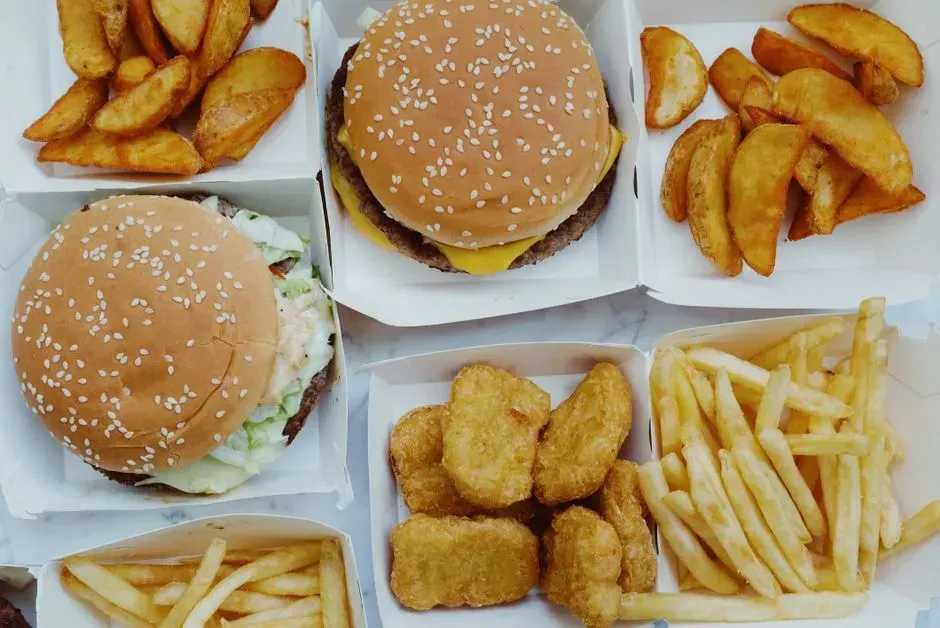
5. Ultra-processed snack foods (Image Credits: Pexels)
Chips, packaged cookies, and instant noodles tend to fall out of the regular rotation, not because of any single scare, but because of an accumulation of research. From packaged snack cakes to instant noodles, ultra-processed foods have been tied to higher risk of chronic disease. That’s a broad category, and it covers a lot of what fills the middle aisles of most grocery stores.
The newer dietary guidance reflects this concern directly. The new food pyramid emphasizes protein, healthy fats and whole foods while limiting ultra-processed items. For many people over 60, that translates into reaching for nuts or fruit instead of something out of a bag, mostly because whole foods tend to leave them feeling steadier through the day.
6. Grapefruit, when certain medications are involved

6. Grapefruit, when certain medications are involved (By Ivar Leidus, <a href="https://commons.wikimedia.org/w/index.php?curid=98331782" target="_blank" rel="noopener">CC BY-SA 4.0</a>)
This one surprises people the first time they hear it, since grapefruit seems like the last thing anyone would need to worry about. Yet grapefruit can dangerously boost blood levels of several drugs, notably some statins and blood pressure medications. It’s a narrow but genuinely important exception on this list.
Because statins and blood pressure medications become more common with age, this fruit quietly disappears from a lot of breakfast tables, not from general health worry but from a specific pharmacist’s warning. It’s a reminder that some avoidances after 60 aren’t about lifestyle trends at all. They’re about the very real chemistry of aging alongside a growing list of prescriptions.
7. Skipped meals and irregular eating patterns

7. Skipped meals and irregular eating patterns (Image Credits: Unsplash)
This last one isn’t a food exactly, but it belongs on the list because it changes what people eat almost as much as any specific ingredient does. Registered dietitians often recommend staying hydrated, following a similar eating schedule each day, avoiding skipping meals, limiting snack foods, and focusing on three well balanced meals. Irregular eating tends to lead to worse choices later in the day, so a lot of people quietly start protecting their meal times the way they once protected work meetings.
Part of the reason this matters more after 60 is appetite itself can change. After 60, people may become less active and need fewer kilojoules, and some also have a reduced appetite, which means more nutrients need to fit into a smaller amount of food. Skipping meals under those conditions makes it even harder to get enough protein, fiber, and calcium, which is exactly why consistency starts to matter more than it used to.