
When I packed up my life and headed south a couple of years ago, food wasn’t exactly on my list of reasons for choosing Florida. I wanted warm winters, a slower pace, and maybe a porch where I could read without freezing my fingers off. What I didn’t expect was how much the state’s food scene would end up shaping my daily routine and, honestly, my mood.
Florida cooking is a strange and wonderful mashup of Southern tradition, Caribbean influence, and whatever the Gulf and Atlantic happen to be producing that week. Some of it I’d tasted before in watered-down versions up north. Most of it, though, was a genuine surprise. Here are the eight foods that turned “just retiring somewhere warm” into “I’m never leaving.”
Stone crab claws straight from the trap
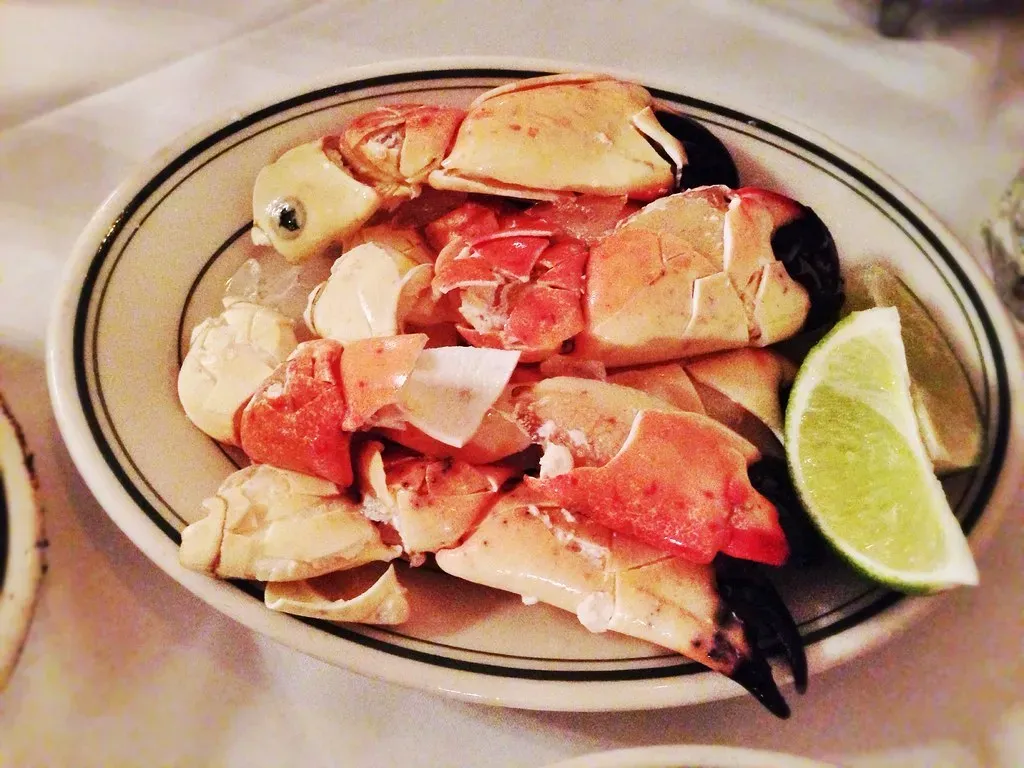
Stone crab claws straight from the trap (T.Tseng, Flickr, <a href="https://creativecommons.org/licenses/by/2.0/" target="_blank" rel="noopener">CC BY 2.0</a>)
Nothing prepared me for my first plate of stone crab claws, served cold with a mustard sauce that somehow made everything else I’d eaten before seem beside the point. The Florida Fish and Wildlife Conservation Commission announced that the recreational and commercial stone crab season opens in mid October and runs through May 1 the following year. That seasonal rhythm turns into its own kind of local calendar once you live here.
What surprised me most is that the crabs aren’t even killed for their meat. During this time, fishermen set traps in Florida waters to catch crabs, carefully remove one claw, and return them safely to the ocean, allowing the crabs to regenerate their claws naturally and ensuring a sustainable harvest year after year. Prices climb during peak demand, and depending on size, claws typically range from about 35 to 75 dollars per pound, with each pound usually including around three claws and rates varying by size category. It’s not a cheap habit, but it’s one I’ve made peace with.
Key lime pie that actually comes from the Keys
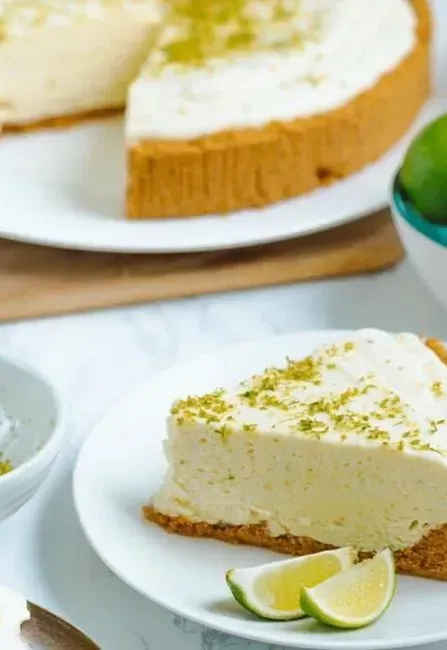
Key lime pie that actually comes from the Keys (Image Credits: Pexels)
I’d eaten key lime pie plenty of times before moving here, but I’d never had the real thing until a diner in the Lower Keys served me a slice with a pale yellow filling instead of the neon green stuff sold everywhere else. That color difference matters more than you’d think. The real thing has a pale yellow filling, never green, which means artificial color, and a flavor that hits tart before it hits sweet.
The pie’s backstory is part of its charm, and locals still argue about it. One theory is that the confection was created in the mid 1800s by fishermen before it was refined and popularized by a Key West local, while another version claims it was developed around 1931 by a company in New York. Whatever the true origin, the state settled the matter politically at least. House Bill 453 and Senate Bill 676 of the Florida Legislature’s Regular 2006 Session made the Key Lime Pie the official Florida state pie as of July 1, 2006.
The Cuban sandwich, made the way it should be
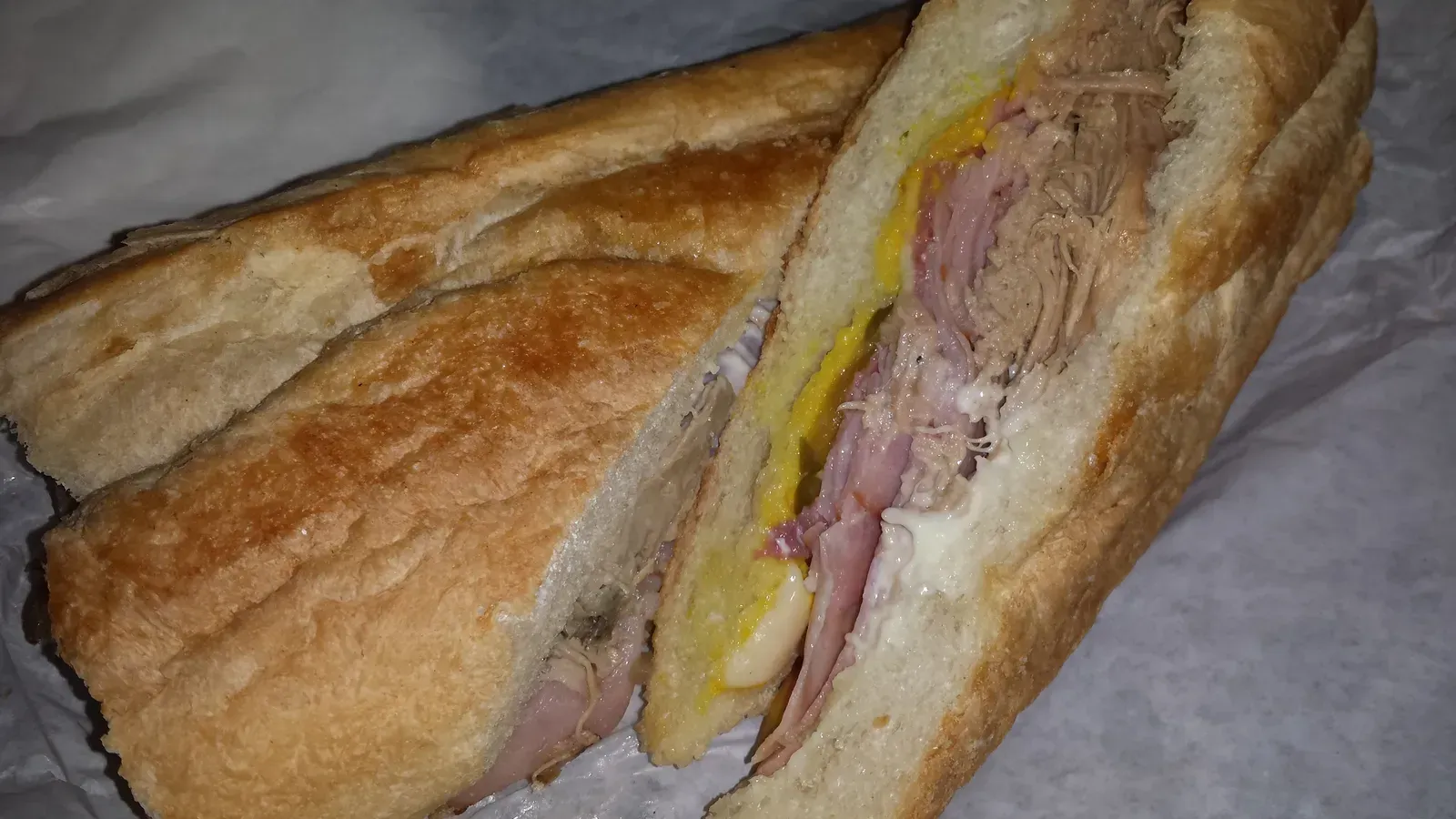
The Cuban sandwich, made the way it should be (By Kramtronik, <a href="https://commons.wikimedia.org/w/index.php?curid=44205731" target="_blank" rel="noopener">CC BY-SA 4.0</a>)
Ham, roast pork, Swiss cheese, pickles, and mustard pressed between Cuban bread sounds simple enough, but the version I get at a hole in the wall near Ybor City has ruined every other sandwich for me. There’s a long simmering rivalry between Tampa and Miami over who actually invented it, and honestly, I’ve stopped trying to settle that argument out loud in either city.
What I’ve noticed living here is how personal the sandwich gets. Every family, every counter shop, has its own ratio of pork to ham, its own pickle thickness, its own opinion on whether salami belongs in there at all, which is a distinctly Tampa touch. It’s less a recipe than a small local identity crisis, and I mean that as a compliment.
Fresh grouper sandwiches at roadside seafood shacks
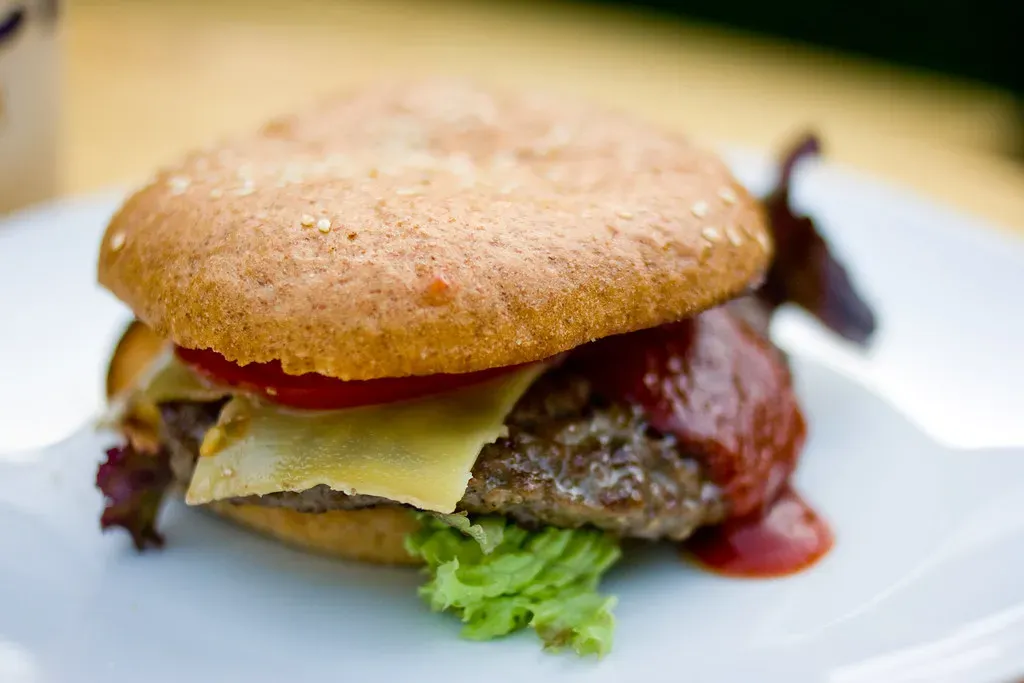
Fresh grouper sandwiches at roadside seafood shacks (kadluba, Flickr, <a href="https://creativecommons.org/licenses/by-sa/2.0/" target="_blank" rel="noopener">CC BY-SA 2.0</a>)
A blackened grouper sandwich, served on a toasted bun with a squeeze of lemon, is the kind of lunch that makes you understand why people move here just for the coastline. The fish is caught close to shore, and the shacks that serve it best tend to be unassuming places with plastic chairs and a view of a boat dock rather than anything fancy.
Grouper isn’t cheap anymore, and prices have crept up as demand and fishing regulations tightened over the years, but the quality difference between fresh Gulf grouper and the frozen stuff sold elsewhere is obvious within the first bite. I’ve become the kind of person who now asks servers where the fish came from, which is not a question I ever thought I’d care about.
Datil pepper dishes from St. Augustine
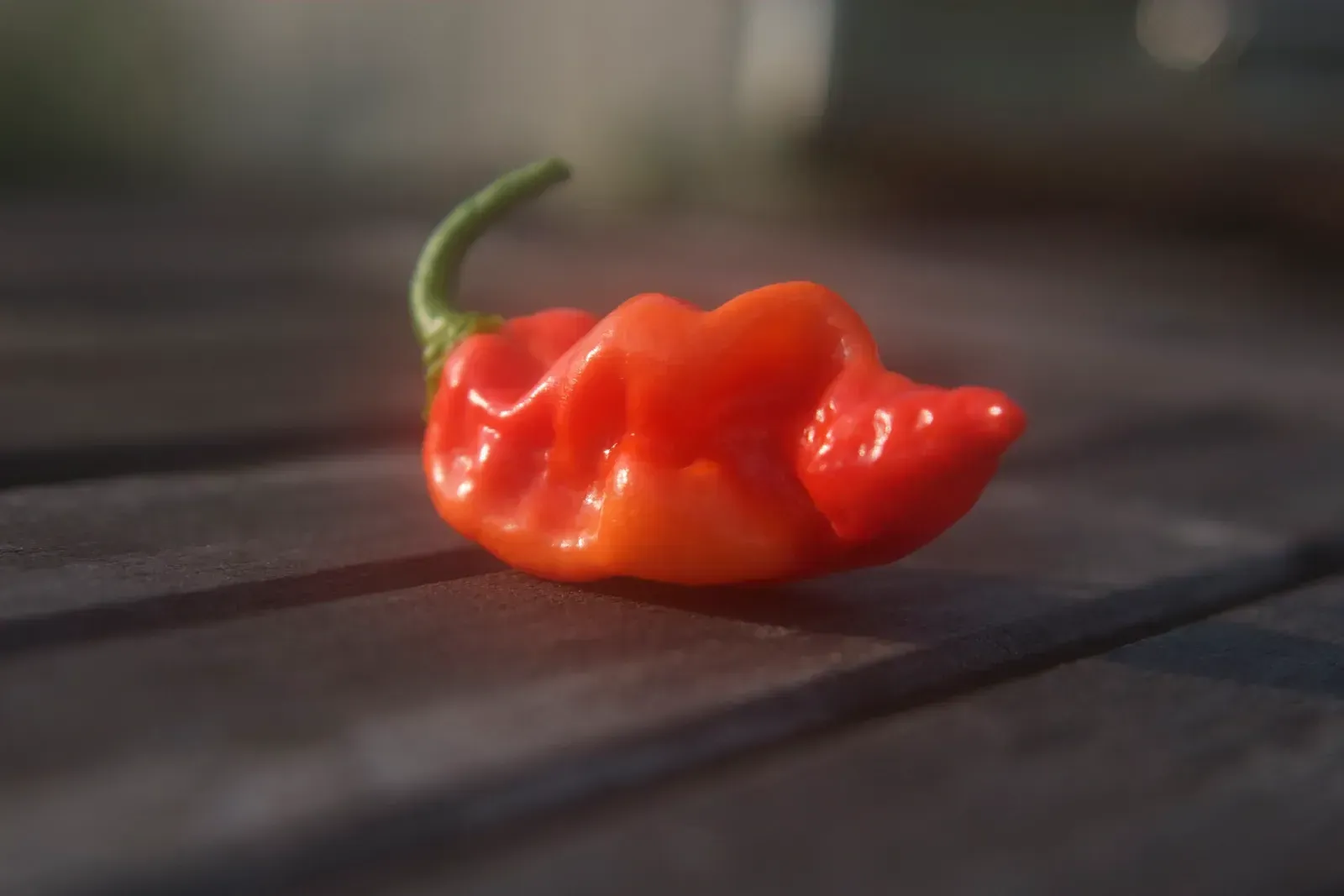
Datil pepper dishes from St. Augustine (By Paullassiter, <a href="https://commons.wikimedia.org/w/index.php?curid=11004517" target="_blank" rel="noopener">CC BY-SA 3.0</a>)
The datil pepper is a small, fiery chili that’s practically synonymous with St. Augustine, and it shows up in everything from hot sauce to chowder to barbecue glaze. It has a heat that builds slowly rather than hitting all at once, paired with a sweetness that keeps you coming back even as your eyes water a little.
Local legend traces the pepper’s arrival to Minorcan settlers who came to the area in the 1700s, and their descendants still grow and cook with it today. Trying datil pepper cheese soup for the first time at a small St. Augustine restaurant was one of those meals that told me I’d landed somewhere with genuine food history, not just tourist branding.
Boiled peanuts from a roadside cooler
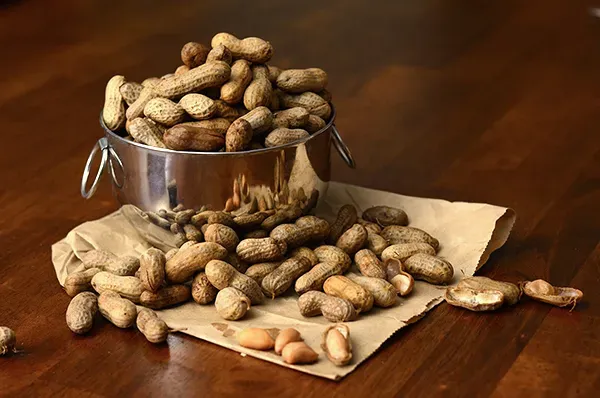
Boiled peanuts from a roadside cooler (By HungryHuy, <a href="https://commons.wikimedia.org/w/index.php?curid=87521859" target="_blank" rel="noopener">CC BY 2.0</a>)
Boiled peanuts were not on my radar before Florida, and now I can’t drive past a hand painted sign advertising them without pulling over. They’re softer and saltier than roasted peanuts, simmered for hours in heavily seasoned water until the shells give way easily and the peanuts inside take on a texture closer to a bean than a nut.
Most stands sell them by the bag out of a cooler on the side of rural highways, often as a side hustle for someone’s larger farm operation. It’s a snack that takes some getting used to if you grew up on the dry roasted kind, but I’ve become a genuine convert, cajun spiced version included.
Fresh squeezed citrus, especially in winter
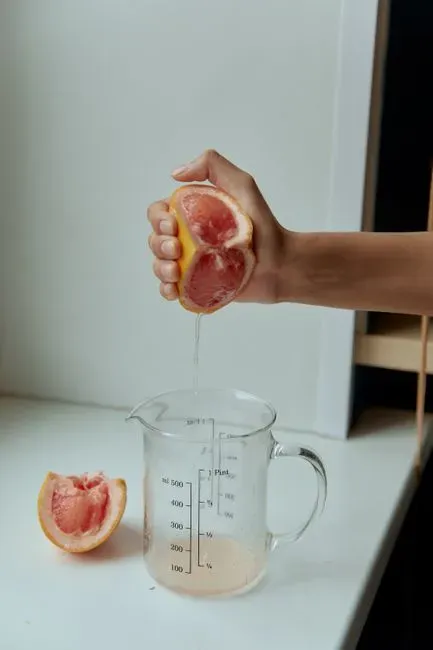
Fresh squeezed citrus, especially in winter (Image Credits: Pexels)
Florida’s identity is tied to citrus in a way that goes beyond marketing, and living here during harvest season means roadside stands selling oranges, grapefruit, and tangerines picked that same morning. The taste difference between fresh picked citrus and anything shipped up north is significant, sweeter and less acidic in a way that’s hard to describe until you try it yourself.
The state’s citrus industry has faced real challenges in recent years from disease and hurricanes, which has made some varieties harder to find and pricier than they used to be. Still, when a good crop comes through, nothing beats a bag of honeybell tangerines in January while everyone up north is dealing with snow.
Florida spiny lobster from the Keys
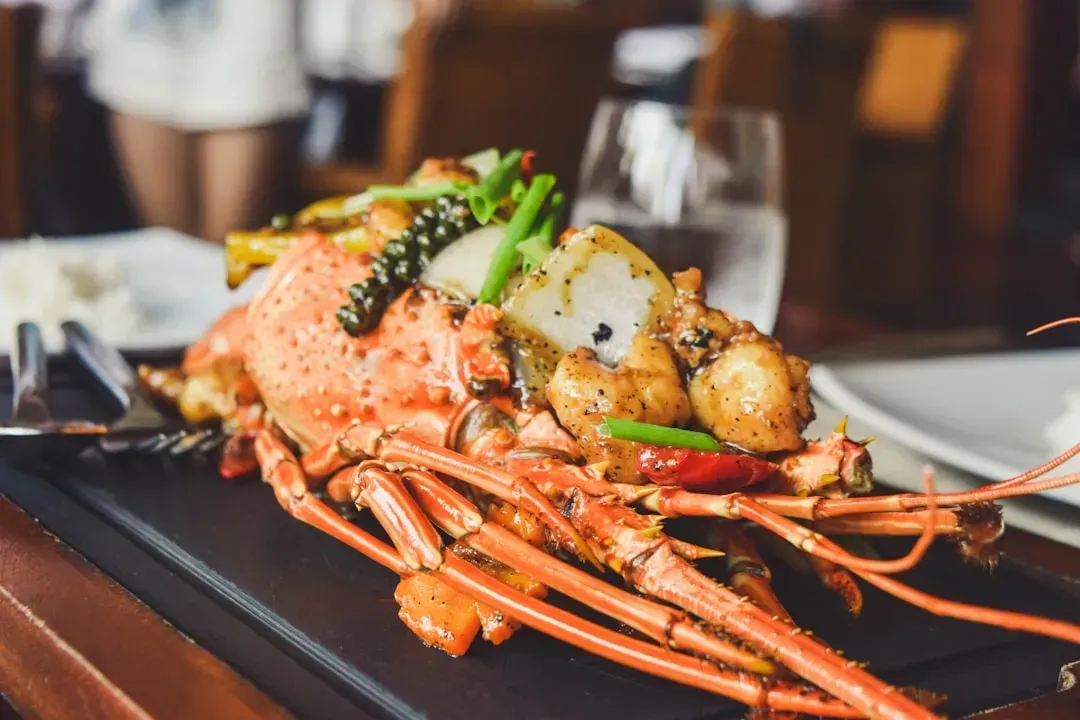
Florida spiny lobster from the Keys (Image Credits: Unsplash)
Unlike the clawed lobster most people picture, Florida spiny lobster has no claws at all, and the meat comes almost entirely from the tail. The season generally runs from August through March, with a short recreational mini season each summer that locals treat almost like a holiday, complete with diving trips and backyard cookouts afterward.
The taste is milder and slightly sweeter than Maine lobster, and it holds up beautifully to a simple butter and garlic treatment on the grill. Eating it fresh in the Keys, sometimes literally hours after it was caught, gave me a new appreciation for why people are willing to pay a premium for something that never touched a freezer.
Final thoughts
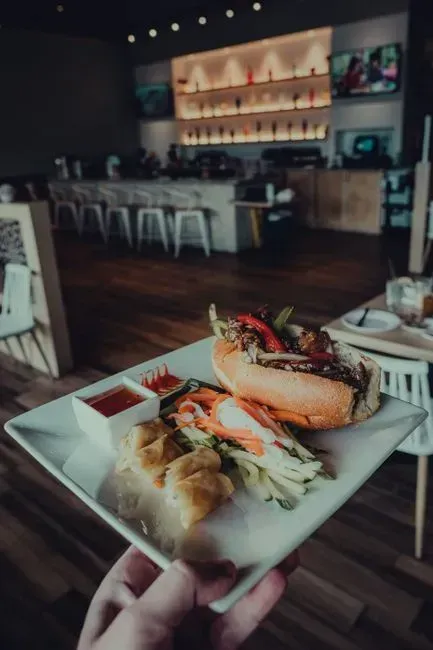
Final thoughts (Image Credits: Pexels)
I came to Florida chasing warm weather and a break from shoveling snow, and I stayed, at least partly, because of what ended up on my plate. These eight foods aren’t fancy in the way a big city restaurant scene might promise, but they’re honest, rooted in place, and shaped by the water, the climate, and generations of people who figured out how to cook well with what was around them.
Retirement gave me the time to actually notice all of this instead of rushing through meals the way I used to. If nothing else, it’s a reminder that sometimes the best reasons to stay somewhere aren’t the ones you planned for at all.