
Nutrition advice seems to shift every few years, and social media has only sped up how fast half-truths spread. A claim gets repeated enough times online and it starts to feel like settled science, even when actual research tells a different story. Registered dietitians spend a good chunk of their time untangling these beliefs from the facts, and a handful of myths keep resurfacing no matter how much evidence piles up against them.
Below are six of the most persistent food misconceptions still floating around in 2026, along with what the current research and dietetic guidance actually say.
1. Eggs are bad for your heart because of cholesterol

1. Eggs are bad for your heart because of cholesterol (Image Credits: Unsplash)
For decades, the advice was simple: eat too many eggs and your cholesterol will spike. That idea traces back to the fact that egg yolks are naturally high in dietary cholesterol, and older guidelines capped intake at 300 milligrams a day, roughly what you’d get from one and a half yolks. But the U.S. Dietary Guidelines recommended keeping cholesterol under 300 milligrams per day for nearly 50 years before dropping the specific limit in 2015, with the 2025-2030 edition instead urging Americans to limit saturated fat and added sugars.
Newer research helps explain why the shift happened. Researchers asked adults with high LDL levels to follow different diets, including one with two eggs daily paired with low saturated fat, and found that increases in LDL were tied to saturated fat intake, not to cholesterol from eggs. Dietitians now generally agree that eggs provide quality protein and nutrients, and concerns about cholesterol are mostly overstated for healthy adults who eat one to two a day.
2. All ultra-processed foods are unhealthy

2. All ultra-processed foods are unhealthy (Image Credits: Pexels)
The term “ultra-processed” gets thrown around as shorthand for junk food, but the category is far broader than sugary snacks and soda. The most common system used to categorize processed food lumps nutritious foods such as tofu, peanut butter and lactose-free milk in with less-nutritious choices like sugary soda and snack chips, according to registered dietitian Elizabeth Ward. That grouping makes for a catchy warning, but it glosses over real nutritional differences.
Cutting out every food that falls under the ultra-processed label can backfire. Avoiding foods based solely on their level of processing is shortsighted, and a 2022 European Journal of Nutrition review found that excluding ultra-processed grain foods such as cereal, rice and pasta would result in lower intakes of iron and several B vitamins. Whole grain bread, fortified cereal, and canned beans often fall into this same broad category, yet they still contribute fiber, protein, and micronutrients that matter for daily health.
3. Carbs are the main reason people gain weight

3. Carbs are the main reason people gain weight (By Tomascastelazo, <a href="https://commons.wikimedia.org/w/index.php?curid=90872695" target="_blank" rel="noopener">CC BY-SA 4.0</a>)
Bread, pasta, and rice have been cast as dietary villains for years, but the science behind that reputation is thinner than the myth suggests. Carbohydrates are often seen as the enemy when it comes to weight gain, but they are not the villain, and it comes down to balance and choosing the right kind. Weight change has more to do with total intake than with any single macronutrient.
The bigger issue is what kind of carbohydrate ends up on the plate. Weight gain happens when people eat more calories than they burn, whether from carbs, protein, or fats, and choosing high-fiber carbohydrates like whole grains, fruits, and vegetables while limiting added sugars can help with fullness and is linked to lowering the risk of heart disease and type 2 diabetes. Cutting carbs entirely can also create nutritional gaps, since doing so can mean missing out on essential nutrients like B vitamins, calcium, and dietary fiber, and can lead to higher intakes of saturated fat and a negative relationship with food.
4. Low-fat or fat-free labels always mean a healthier choice
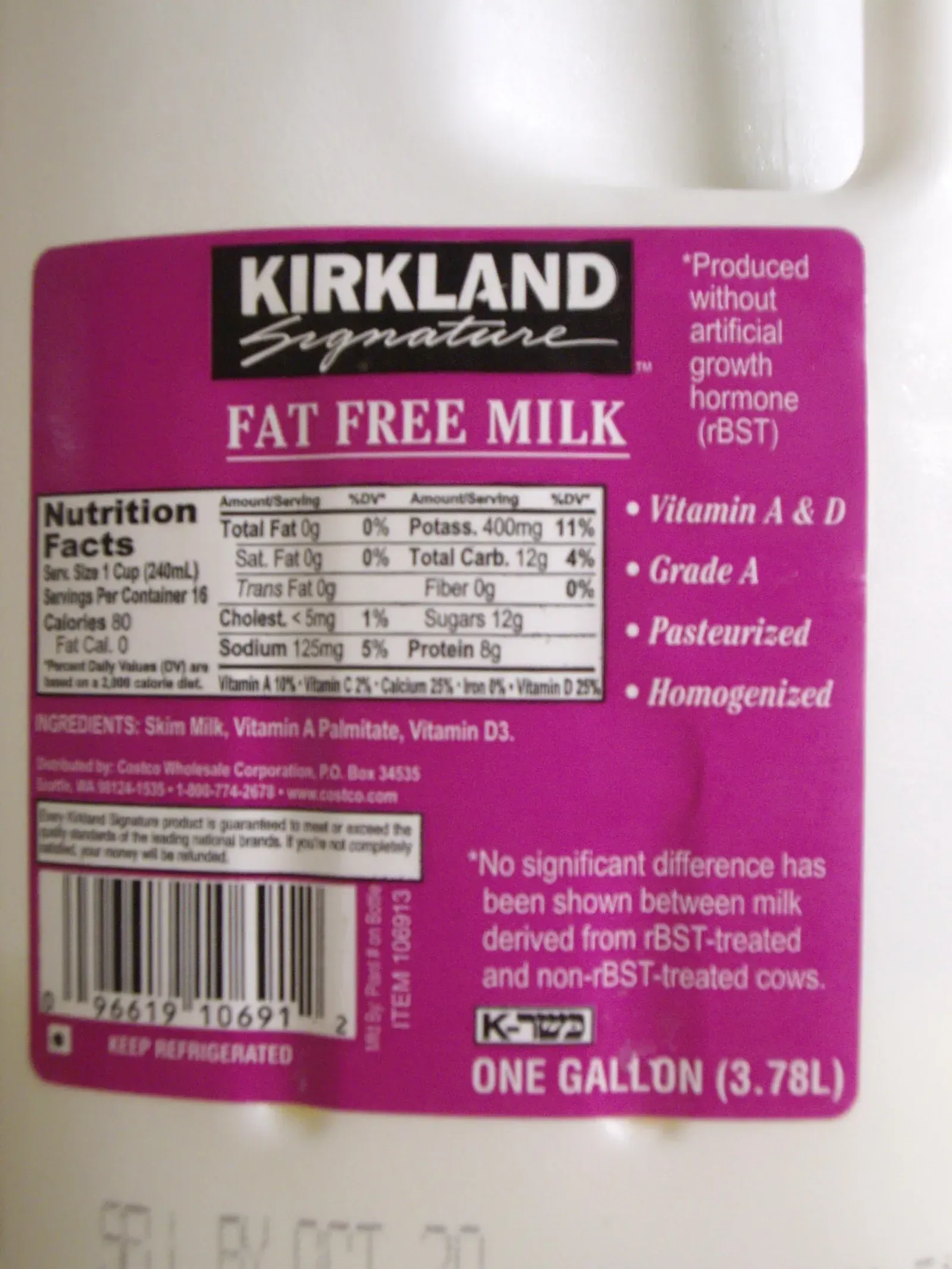
4. Low-fat or fat-free labels always mean a healthier choice (By Daniel Barcelona, <a href="https://commons.wikimedia.org/w/index.php?curid=4980585" target="_blank" rel="noopener">Public domain</a>)
Grocery store marketing has trained a lot of shoppers to reach for anything stamped “low-fat” without a second glance at the rest of the label. That habit misses an important detail about how these products are actually made. Low-fat or fat-free labels do not guarantee a healthier choice, and it is worth always checking sugar and salt on the nutrition label.
The reason comes down to taste. Many products labeled low-fat or fat-free contain added sugar or sodium to help make up for the loss of flavor when removing or reducing fat. A fat-free salad dressing or flavored yogurt can end up with more added sugar than a full-fat version, which can offset any benefit from the reduced fat content.
5. Certain foods can detox your body or melt away fat

5. Certain foods can detox your body or melt away fat (Image Credits: Pexels)
Grapefruit, celery, apple cider vinegar, cayenne pepper, the list of foods marketed as fat burners keeps growing, but the underlying claim hasn’t held up under scrutiny. No foods burn fat, make you lose weight more quickly, or increase your metabolism enough to have an effect on weight loss. There simply isn’t a food that overrides basic energy balance.
Beyond just being ineffective, these single-food approaches to weight loss carry real downsides. Diets that focus on single foods are restrictive and lack nutrients the body needs, are unsustainable, and any weight loss that occurs is a result of calorie restriction that likely returns once the diet is discontinued. The body also doesn’t need help “detoxing” in the way wellness marketing implies, since the liver and kidneys already handle that job continuously.
6. Seed oils are inflammatory and should be avoided
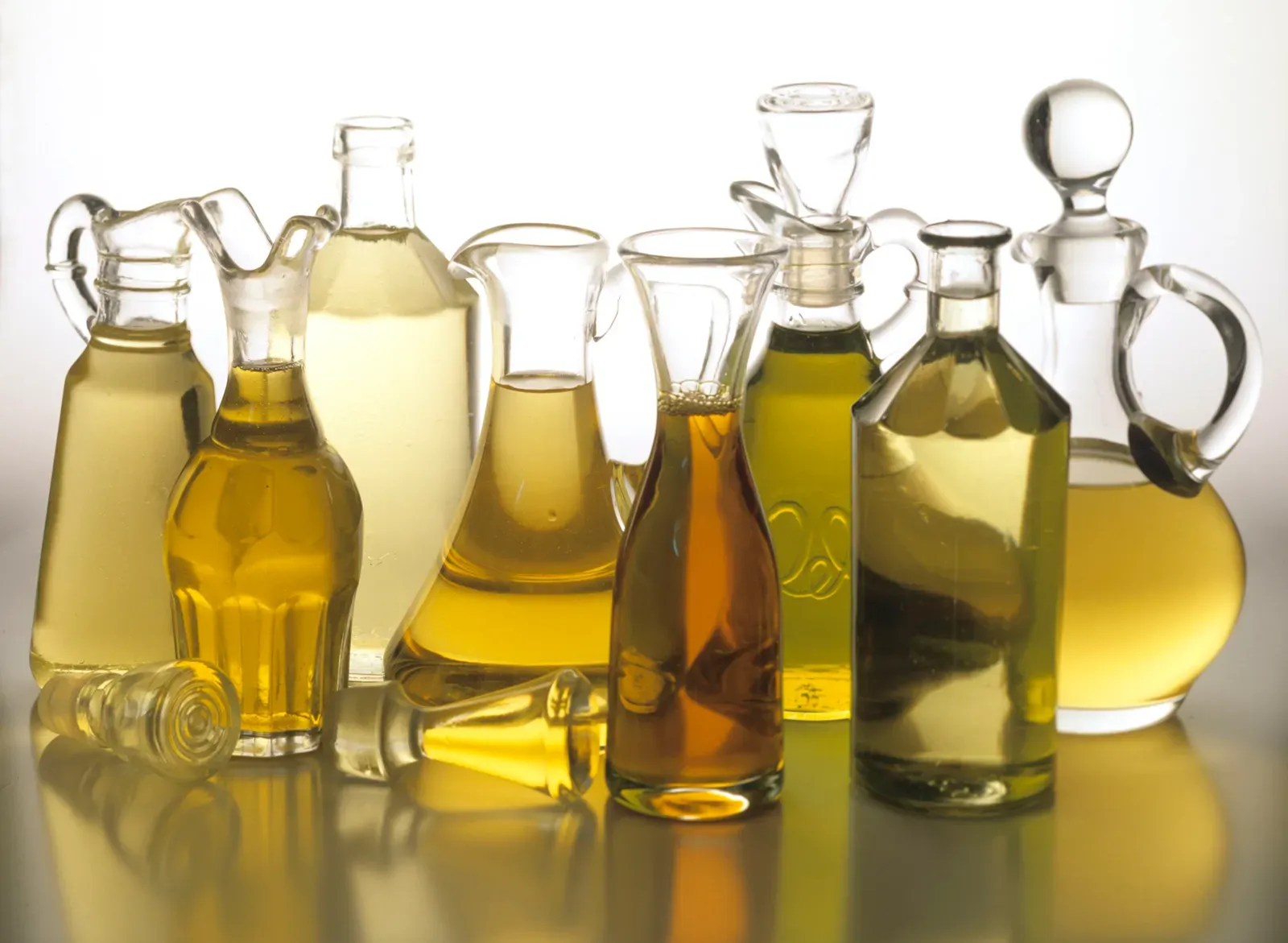
6. Seed oils are inflammatory and should be avoided (Image Credits: By Netojinn, <a href="https://commons.wikimedia.org/w/index.php?curid=64288615" target="_blank" rel="noopener">CC BY-SA 4.0</a>)
Canola, sunflower, and soybean oils have taken a beating on social media in recent years, often blamed for chronic inflammation and a long list of health problems. The claim centers on the omega-6 fatty acids these oils contain, but the fear doesn’t match what the research actually shows. Seed oils support heart health, and despite claims about inflammation, their omega-6 fats don’t increase chronic disease risk.
That doesn’t mean every oil is created equal, though. Coconut oil is very high in saturated fats, and while it’s fine occasionally, unsaturated oils like olive or rapeseed oil are healthier everyday choices. The broader takeaway from dietitians is that swapping saturated fats for unsaturated ones, seed oils included, tends to support better cardiovascular outcomes rather than harm them.
Nutrition myths tend to survive because they offer simple answers to a genuinely complicated subject. Food is tied up with culture, habit, and personal experience, which makes a catchy claim easy to believe even when the science says otherwise. Checking claims against registered dietitians, peer-reviewed research, and updated guidelines like the 2025-2030 Dietary Guidelines for Americans remains the most reliable way to separate lasting nutrition facts from whatever happens to be trending this year.