
Grocery stores, playgrounds, waiting rooms. These are the places where parenting gets a quiet audience, whether we like it or not. Other parents are watching, not to judge exactly, but because kids in public spaces have a way of catching everyone’s attention, good or bad.
Some behaviors stand out more than others. They’re the moments that make other parents glance over, smile, or file something away for later. Here are eight things kids do in public that rarely go unnoticed.
1. Saying please and thank you without being prompted
1. Saying please and thank you without being prompted (Image Credits: Pexels)
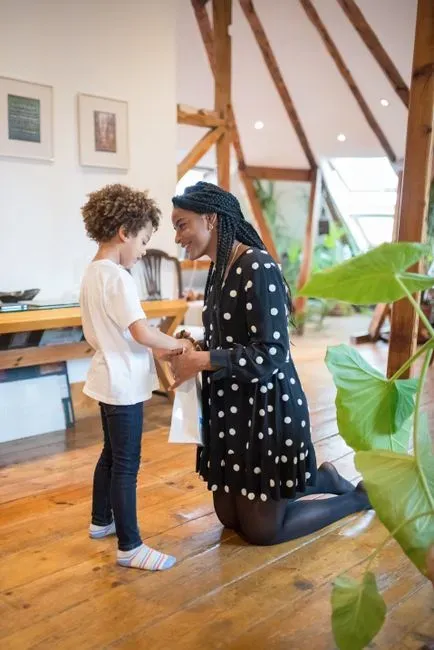
There’s a specific kind of pause that happens when a child says thank you to a cashier or please to a waiter without a parent whispering the reminder first. It’s small, but it registers. Other adults notice because it suggests the habit has actually settled into the kid’s everyday behavior rather than being performed for an audience.
Child development researchers have long pointed out that manners are learned through repetition and modeling, not lectures. When a child uses polite language automatically, it usually reflects consistent reinforcement at home over months or years. Parents nearby tend to register this quickly, partly because it’s rarer than people assume, and partly because it makes the whole interaction feel smoother for everyone involved.
2. Waiting their turn without being told
2. Waiting their turn without being told (Image Credits: Pexels)
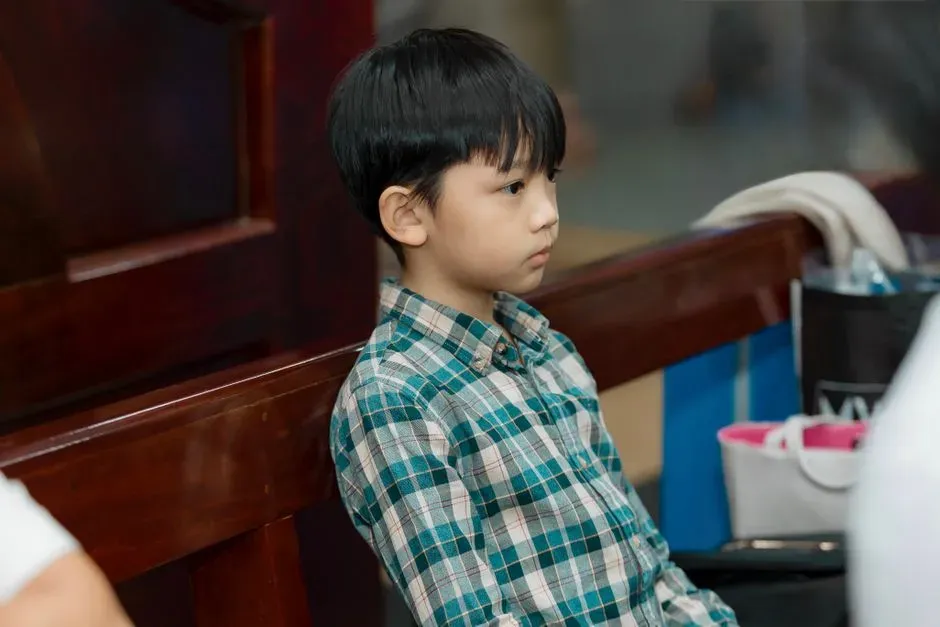
Whether it’s a line for the slide, a turn at a checkout counter, or waiting to speak while an adult finishes a sentence, patience in young kids is genuinely hard won. It requires impulse control, a skill that psychologists note continues developing well into the early elementary years. So when a child waits calmly, other parents notice because they know exactly how much effort that likely took.
This behavior also tends to influence the group dynamic around it. A child who waits patiently often sets an example that other kids pick up on, even briefly. Parents watching from the sidelines often exchange a look, the kind that says they clocked it and appreciated it.
3. Helping a younger or struggling child unannounced
3. Helping a younger or struggling child unannounced (tsayrate, Flickr, <a href="https://creativecommons.org/licenses/by-sa/2.0/" target="_blank" rel="noopener">CC BY-SA 2.0</a>)
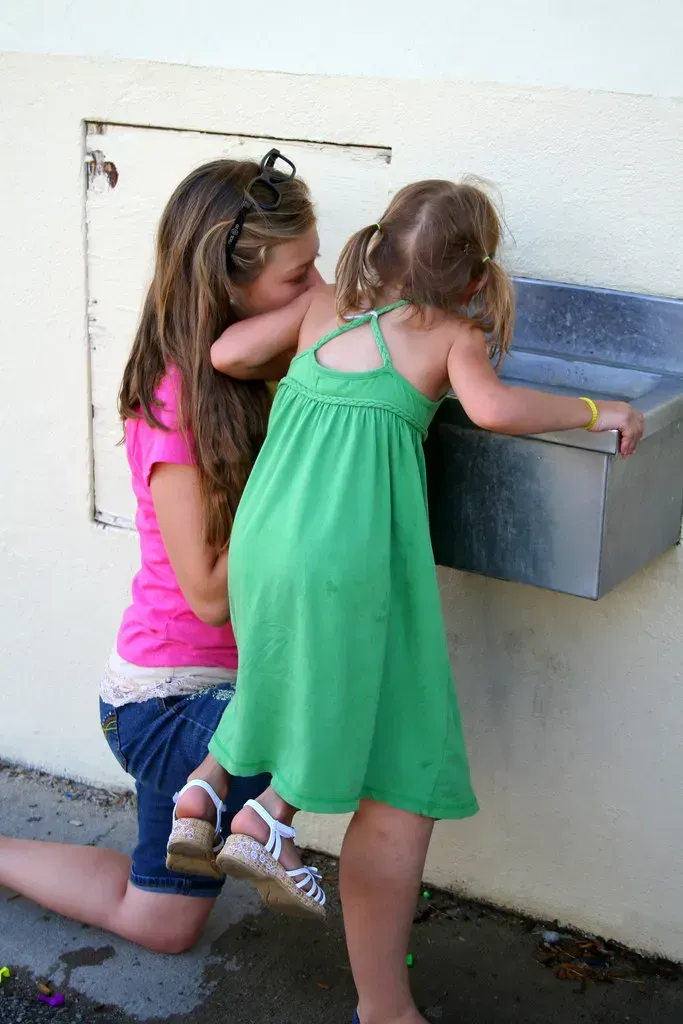
Few things draw attention faster than a child spontaneously helping someone smaller or more overwhelmed than they are, whether that’s picking up a dropped toy, offering a hand on stairs, or including a shy kid in a game. This kind of empathy in action is different from being told to share or be nice. It shows the child is reading the room and choosing kindness on their own.
Developmental psychologists describe this as an early sign of prosocial behavior, which tends to correlate with strong emotional modeling at home. Parents who witness it, even from a distance, often mention it to their own kids later as an example worth following. It’s one of those moments that sticks with people longer than expected.
4. Handling disappointment without a meltdown
4. Handling disappointment without a meltdown (Image Credits: Unsplash)
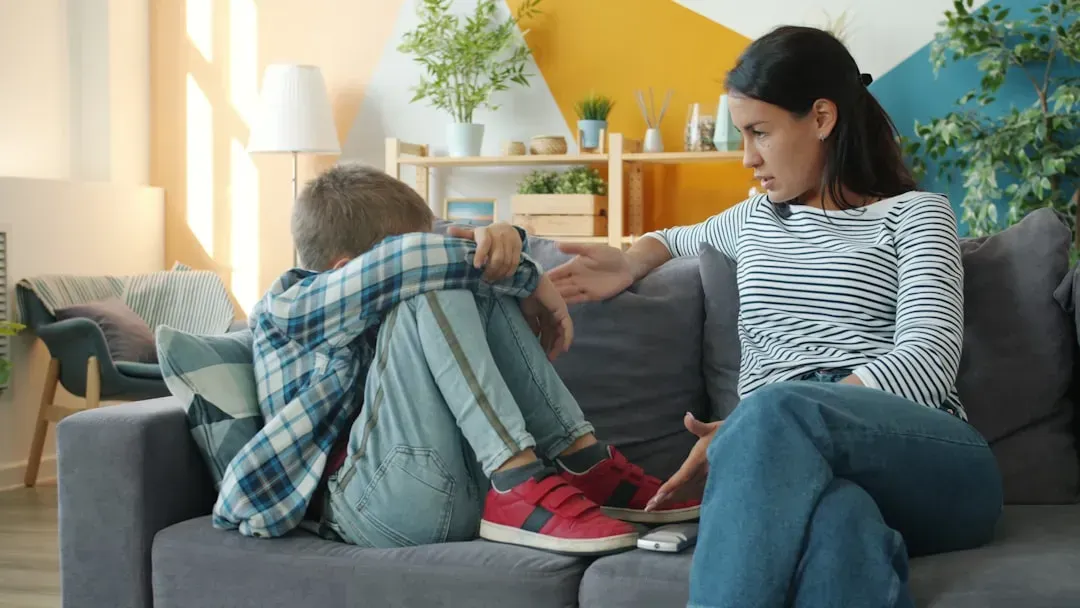
Not getting the toy, the seat, or the last cookie is hard for any young child, and a full meltdown is developmentally normal at certain ages. But when a child manages disappointment with a deep breath, a brief pout, or a simple “okay” instead of a prolonged tantrum, it’s noticeable. It signals that the child has some early tools for regulating big feelings, which is not automatic and usually takes years of practice.
Child psychologists often describe this as emotional regulation, a skill set that develops gradually through consistent, calm responses from caregivers. Parents in public spaces recognize this instantly because they’ve likely been on the other end of a meltdown themselves. Seeing a child self-soothe, even briefly, tends to earn a quiet nod of respect from nearby adults.
5. Speaking directly to adults instead of through a parent
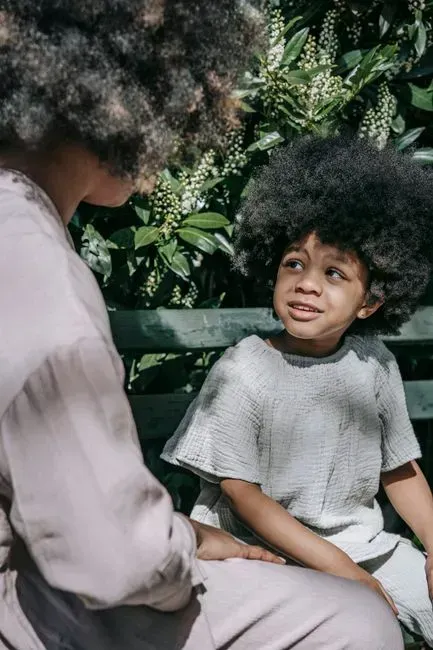
5. Speaking directly to adults instead of through a parent (Image Credits: Pexels)
When a child orders their own food, answers a doctor’s question, or greets a family friend directly rather than hiding behind a parent’s leg, it stands out. This kind of confidence, especially in younger kids, often reflects practice and encouragement rather than natural personality alone. Adults tend to notice because it makes interactions feel more genuine and less mediated.
It’s worth noting that shyness itself isn’t a flaw, and plenty of confident, secure kids are simply more reserved in unfamiliar settings. Still, when a child does engage directly, it’s often read as a sign that they feel safe expressing themselves, something many parenting experts link to secure attachment. That combination of comfort and communication skill is hard to miss.
6. Cleaning up after themselves without prompting
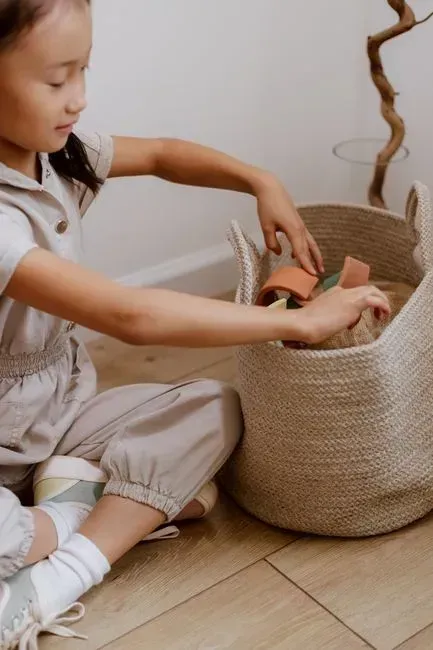
6. Cleaning up after themselves without prompting (Image Credits: Pexels)
Picking up scattered toys at a friend’s house, tossing a wrapper in the trash, or stacking dishes after a meal, these small acts of responsibility are easy to overlook until you see a child do them unprompted. It suggests the habit has been practiced enough at home that it transfers automatically to new environments. Other parents notice fast, mostly because it’s the kind of behavior they hope their own kids will eventually mirror.
Behavioral experts often point out that responsibility habits formed early, even simple ones like tidying up, tend to stick into adolescence and adulthood. It’s less about the mess itself and more about what the action reveals regarding structure and expectations at home. A kid quietly cleaning up after a playdate says more than most parents realize.
7. Staying calm and polite during a screen time refusal
7. Staying calm and polite during a screen time refusal (Image Credits: Pexels)
Asking a child to put away a tablet or phone in a public setting, then watching them comply without arguing, has become a modern marker parents notice quickly. Given how common screen based conflicts have become in recent years, according to reporting from outlets like the American Academy of Pediatrics on children’s media use, a smooth transition away from a device stands out as unusual. It suggests clear boundaries are already established and respected at home.
This moment carries extra weight in 2026, when screen time debates remain a near constant topic among parents and pediatricians alike. A child who can disengage without protest is often seen as evidence of consistent limits rather than luck. Other parents, many of whom are navigating the same struggle, tend to notice and sometimes even ask what the secret is.
8. Apologizing sincerely after a mistake
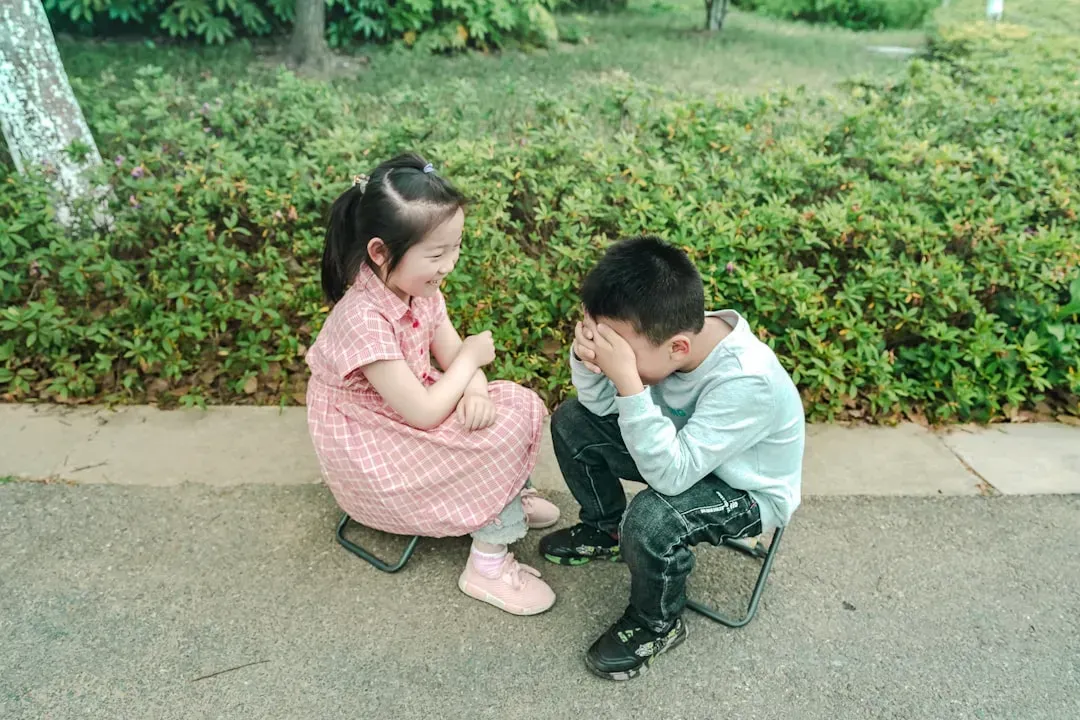
8. Apologizing sincerely after a mistake (Image Credits: Unsplash)
A genuine apology, one that isn’t forced or mumbled under pressure, is one of the more socially complex behaviors a young child can display. It requires recognizing they did something wrong, understanding how it affected someone else, and choosing to address it without being cornered into it. When a child does this unprompted after bumping into someone or breaking a rule at a playground, it rarely goes unnoticed.
Psychologists studying moral development note that sincere apologies typically emerge once children start developing theory of mind, usually somewhere in the preschool to early elementary years. Before that, apologies tend to be more about avoiding punishment than genuine understanding. When a child crosses that threshold and shows real awareness, it tends to make an impression on any adult watching.
None of these behaviors mean a child is perfect, and none of them happen every single time even in well raised kids. Kids have off days, tired moments, and plenty of normal outbursts regardless of how many of these habits they’ve picked up. Still, when these moments do show up in public, they rarely go unnoticed by the parents standing nearby.