
Every parent replays certain moments in their head. A tantrum that felt bigger than the situation called for, a silence that lingered too long, a habit that never quite faded the way it should have. Most childhood quirks are perfectly normal and resolve on their own, but a handful of patterns deserve a closer look, not because they guarantee a problem, but because catching them early tends to make a real difference down the road.
Pediatricians and child psychologists have spent decades tracking which behaviors are simply part of growing up and which ones warrant a conversation with a professional. Below are nine signs worth paying attention to, drawn from developmental research and common clinical observations. None of these on their own is a diagnosis, but together they can help parents decide when it's time to trust their gut.
1. Persistent lack of eye contact
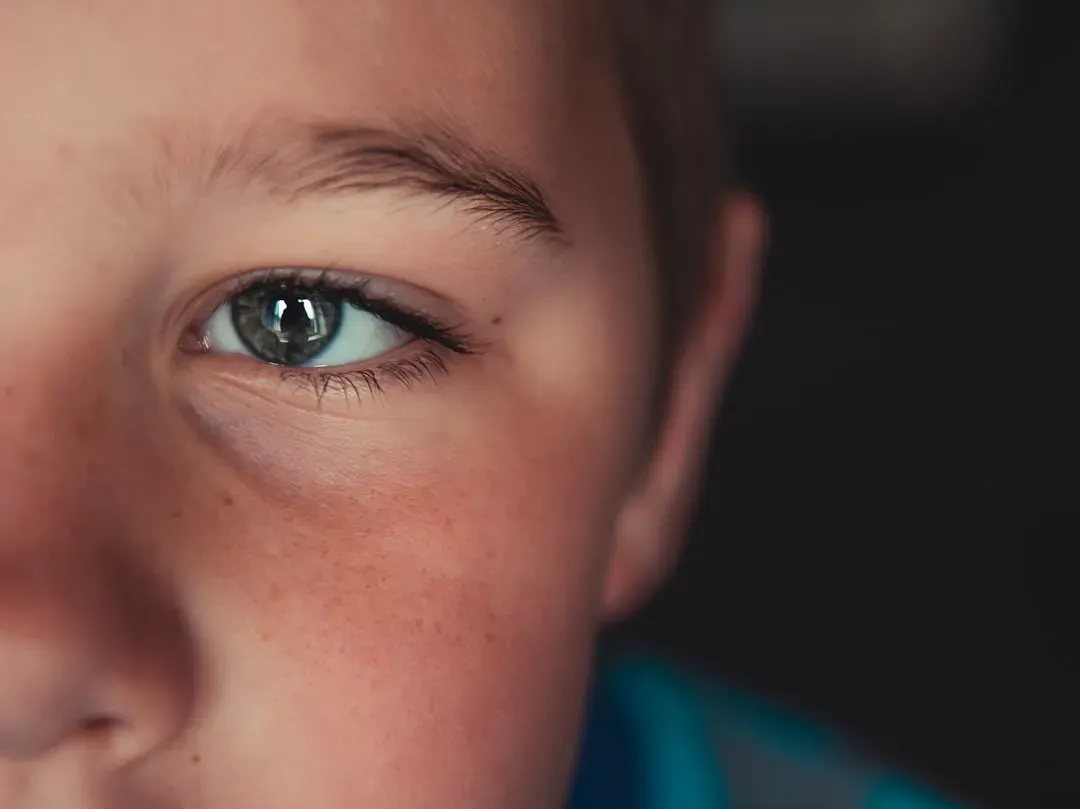
1. Persistent lack of eye contact (Image Credits: Unsplash)
Babies and toddlers naturally look toward faces, especially familiar ones, as a way of learning social cues and building connection. When a child consistently avoids eye contact well past infancy, particularly during moments of comfort or play, it can be an early marker worth discussing with a pediatrician. This isn’t about a shy glance now and then; it’s about a pattern that shows up across different settings and people.
Eye contact avoidance is one of the earliest signs clinicians look for when screening for autism spectrum conditions, though it can also relate to sensory sensitivities or anxiety. The key is context. A child who avoids eye contact but still engages warmly through touch, laughter, or shared attention is different from one who seems disconnected across the board.
2. Sudden or extreme regression in skills

2. Sudden or extreme regression in skills (Image Credits: Pexels)
This is the one that tends to catch parents off guard the most. A child who was talking in short sentences, using the potty reliably, or sleeping through the night suddenly stops doing those things, and not just for a day or two. Regression that lasts weeks, especially without an obvious trigger like a new sibling or a move, is one of the clearer signals that something deserves attention.
Developmental regression can be tied to a range of causes, from stress and illness to more significant neurological or developmental conditions. It’s also one of the hallmark early indicators sometimes associated with autism spectrum disorder when it occurs between twelve and twenty-four months. Because the causes vary so widely, this is a sign parents shouldn’t try to diagnose on their own. A conversation with a pediatrician, ideally sooner rather than later, is the right next step.
3. Extreme difficulty with transitions or changes in routine
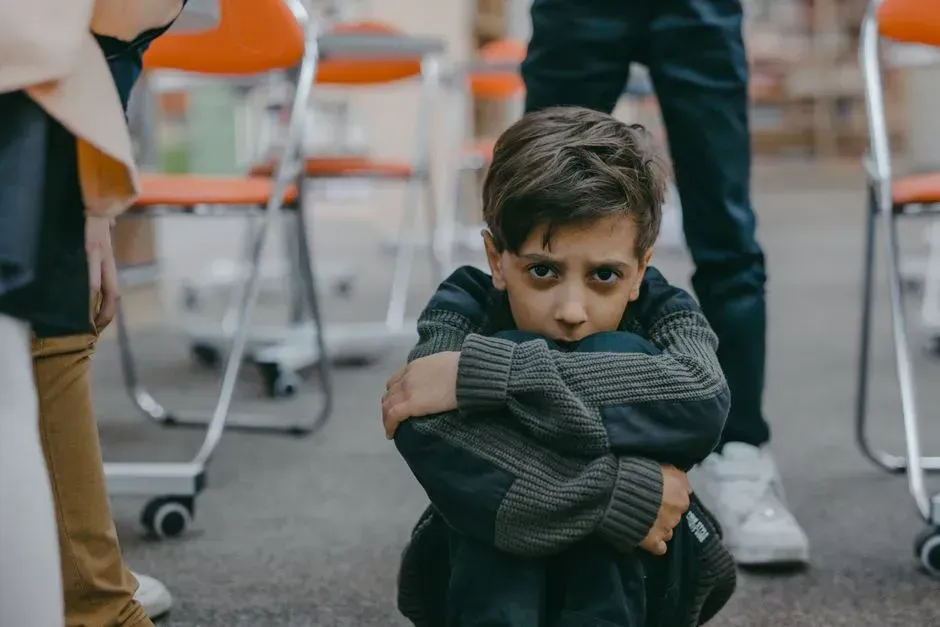
3. Extreme difficulty with transitions or changes in routine (Image Credits: Pexels)
Most kids grumble a bit when it’s time to leave the park or switch from screen time to dinner. That’s ordinary childhood resistance. It becomes more notable when a shift in routine, even a small one like a different route to school, triggers a meltdown far out of proportion to the change itself.
Rigid attachment to sameness can be linked to anxiety disorders or sensory processing differences, and it’s frequently observed in children on the autism spectrum. What matters is the intensity and frequency. Occasional frustration with change is developmentally typical; daily distress that disrupts family life or the child’s ability to function is the pattern worth flagging.
4. Persistent aggression toward peers or siblings

4. Persistent aggression toward peers or siblings (Image Credits: Pexels)
Young children hit, bite, and push sometimes, especially before they have the language to express frustration. That behavior usually fades by age four or five as verbal skills catch up. When aggression continues well beyond that window, or escalates in intensity, it’s a sign that deserves closer attention.
Chronic aggression can stem from several sources, including undiagnosed ADHD, emotional regulation difficulties, or exposure to stress at home or school. Behavioral therapists often note that aggression is a symptom rather than the core issue, meaning the underlying trigger, whether it’s frustration tolerance or an inability to communicate needs, is what actually needs addressing. Ignoring it rarely makes it go away on its own.
5. Significant speech or language delays

5. Significant speech or language delays (Image Credits: Unsplash)
Every child develops language at their own pace, and there’s a wide range of what’s considered normal. Still, missing key milestones, like not combining two words by age two or having speech that’s largely unintelligible to strangers by age three, is worth flagging to a doctor or speech-language pathologist.
Speech delays can be isolated and resolve with early intervention, or they can be one piece of a broader developmental picture. Research consistently shows that early speech therapy leads to better long-term outcomes than a wait-and-see approach. Parents sometimes hesitate because a delay seems minor, but earlier evaluation almost always opens more options than waiting.
6. Excessive or unexplained fears and anxiety

6. Excessive or unexplained fears and anxiety (Image Credits: Pexels)
Fear of the dark or a new dog is common and usually manageable with reassurance. It becomes a different story when a child’s anxiety is constant, seems disconnected from any clear trigger, or starts interfering with school, sleep, or friendships. Physical complaints like frequent stomachaches or headaches with no medical cause can also be tied to underlying anxiety.
Childhood anxiety disorders are more common than many parents realize, affecting a meaningful share of school-age children, and they often go unrecognized because kids express anxiety differently than adults do. Irritability, avoidance, or perfectionism can all be anxiety in disguise. Left unaddressed, childhood anxiety tends to persist into adolescence and adulthood, which is why early support matters.
7. Withdrawal from friendships or social activities

7. Withdrawal from friendships or social activities (Image Credits: Pexels)
Kids naturally cycle through phases of wanting more or less social interaction, and introverted temperaments are perfectly healthy. The concern arises when a previously social child pulls away sharply, avoids activities they used to enjoy, or seems to have no interest in forming any peer connections at all.
Social withdrawal can be an early sign of depression in children, a condition that is often underdiagnosed because adults assume kids can’t experience it the same way adults do. It can also point to bullying, social skill struggles, or difficulty processing social cues. Either way, a sustained pullback from peers is a pattern that benefits from a gentle conversation rather than assumptions.
8. Lack of empathy or remorse after hurting someone
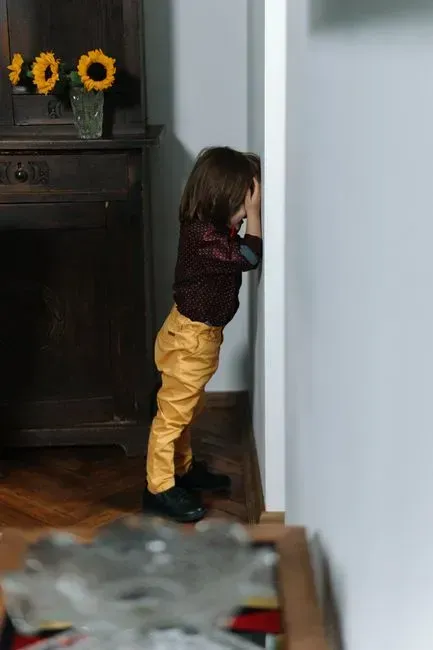
8. Lack of empathy or remorse after hurting someone (Image Credits: Pexels)
Young children are still learning empathy, so a toddler who doesn’t immediately grasp that hitting hurts isn’t unusual. What’s more telling is an older child, generally past age seven or eight, who consistently shows no concern after causing harm, physical or emotional, and doesn’t seem moved by others’ distress.
Child psychologists note that persistent lack of remorse, especially paired with manipulative behavior or a disregard for rules, can be an early marker for conduct-related concerns that benefit from behavioral intervention. This doesn’t mean labeling a child prematurely. It means watching the pattern over time and seeking a professional opinion if the behavior continues rather than fades with maturity.
9. Persistent sleep disturbances beyond toddlerhood

9. Persistent sleep disturbances beyond toddlerhood (Image Credits: Unsplash)
Sleep struggles are practically a rite of passage in early childhood, but most kids settle into more consistent sleep by age four or five. Ongoing night terrors, frequent nightmares tied to specific fears, or an inability to fall or stay asleep well past that age can point to underlying anxiety, sensory issues, or in some cases sleep disorders that need evaluation.
Sleep and emotional regulation are closely linked in developing brains, and chronic sleep disruption can worsen behavioral or mood issues that might otherwise be manageable. Pediatric sleep specialists often find that addressing the sleep problem directly improves daytime behavior noticeably within weeks. It’s a reminder that sleep isn’t just about rest; it’s tied to nearly every other area of a child’s development.
None of these signs, taken alone, means a child is in trouble. Kids are wonderfully inconsistent, and what looks alarming one week can vanish the next. The pattern that matters most is persistence across time and setting, not a single rough day or an isolated outburst.
Trusting parental instinct alongside professional guidance tends to produce the best outcomes. Pediatricians, school counselors, and child psychologists are used to fielding these questions, and there’s no such thing as raising a concern too early. Early conversations, even ones that turn out to be nothing, are far better than delayed ones that turn out to matter.