
Most of us grew up hearing some version of the same line at dinner: you’re not leaving this table until that plate is clean. It felt like discipline, maybe even respect for the food and the person who cooked it. But a growing body of research on child feeding suggests that this well-meaning habit can quietly work against the very thing parents want most, which is a kid who eats well and feels good about food.
The science here isn’t new, but it’s gaining more attention as pediatric nutritionists push back against old-school mealtime rules. What follows is a closer look at why pressuring kids to clean their plates tends to backfire, and what actually helps children build a healthy, lasting relationship with eating.
The research on forced eating and self-regulation

The research on forced eating and self-regulation (Image Credits: Pexels)
Research has shown that requiring your child or teen to eat their entire plate of food before leaving the table can result in difficulties in self-regulation of eating behaviors and has even been linked to weight gain. That’s a striking finding for anyone who assumes clean plates equal good nutrition. The idea is that kids are born with a fairly reliable internal system for knowing when they’ve had enough, and repeatedly overriding that system teaches them to ignore it.
Interestingly, infants and young children are actually quite skilled at determining their hunger and fullness cues, showing clear signs like reaching for food when hungry or turning their head away when full. The trouble starts when adults consistently override those signals with rules about finishing what’s on the plate. Over time, the child’s own internal radar gets drowned out by an external rule that has nothing to do with how their body actually feels.
Why pressure often backfires at the table

Why pressure often backfires at the table (Image Credits: Pexels)
It seems logical that pushing a child to eat more would result in, well, more eating. Sometimes it does, at least in the moment. Researchers have found that kids who are reminded to eat, sometimes called prompting, or pushed to eat more through pressuring or forcing, may indeed eat more, and perhaps too much.
That short-term win comes at a cost. Interfering with eating by pushing food, forcing food, or using pressure may disregulate a child’s appetite control, eating, and feelings of fullness. In other words, the child eats past the point of comfort, and their body’s internal fullness alarm gets a little less reliable each time.
The 2018 Appetite study on pressure and food type
The 2018 Appetite study on pressure and food type (Image Credits: Pixabay)
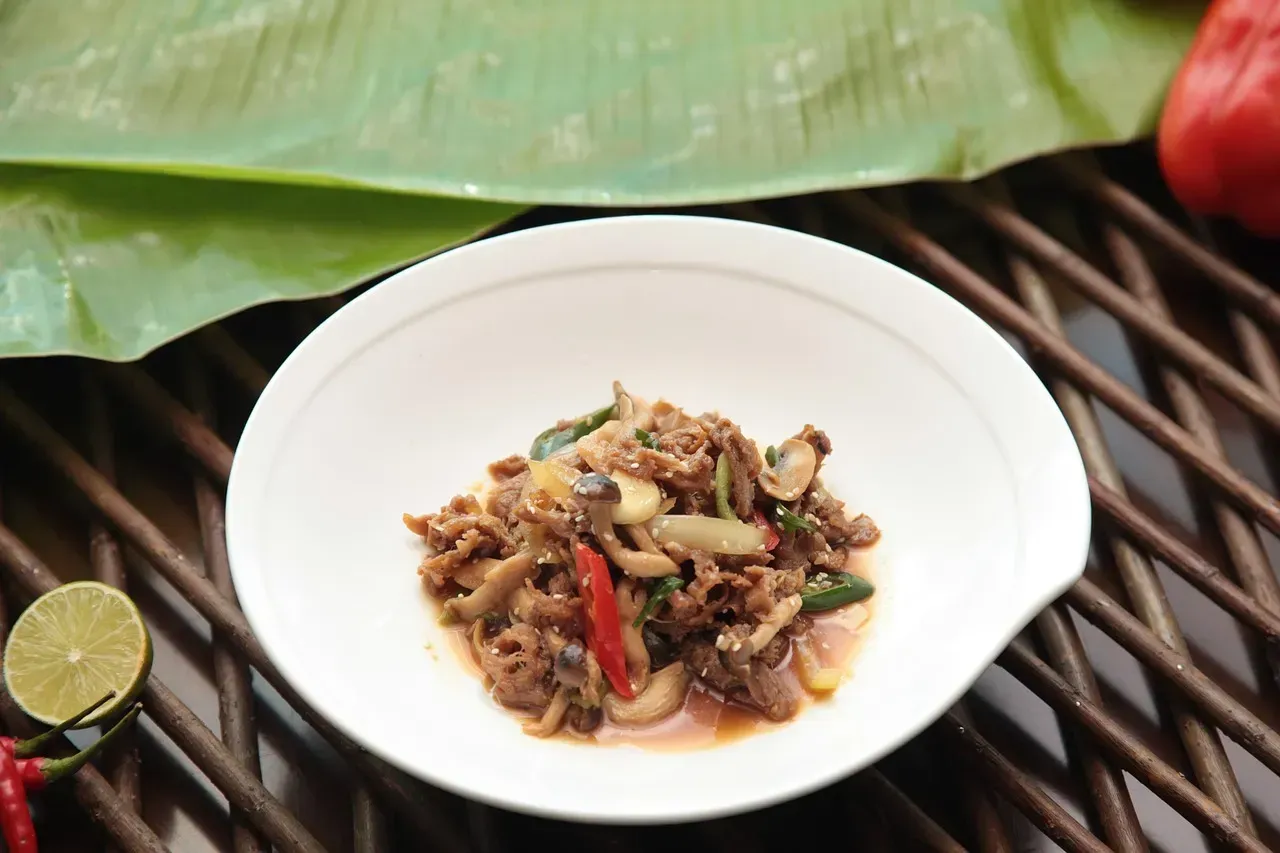
Not all pressure works the same way, and one notable study helps explain why. A 2018 study published in Appetite found that pressure for children to eat new foods was associated with eating when not hungry, such as out of boredom or emotion, while pressure to eat familiar foods didn’t have the same effect. This matters because it suggests the type of food being pushed changes the outcome.
Meanwhile, a separate 2018 longitudinal study offered a related nuance. It emphasized that it’s not just pressure to eat that may cause a disturbance in self-regulation, but the intent, tone, and manner by which pressure is used that may be more important. A gentle nudge and a stern ultimatum can produce very different results, even if the underlying request looks similar on paper.
What clean plate rules teach kids about their own bodies
What clean plate rules teach kids about their own bodies (Image Credits: Unsplash)
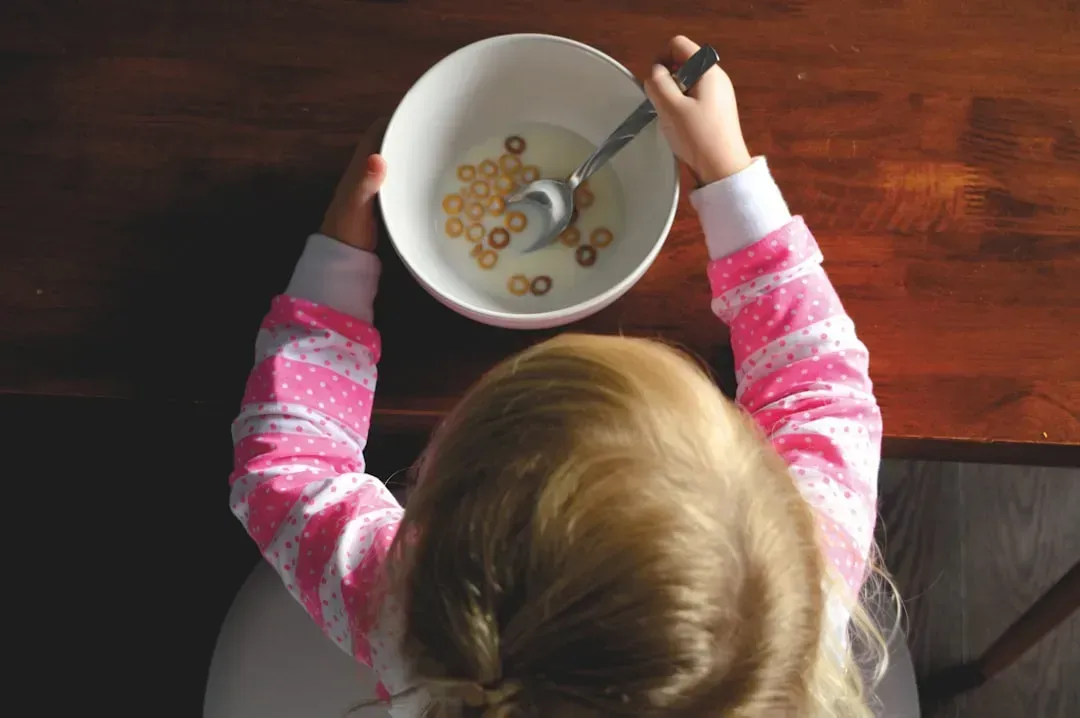
Beyond the biology of hunger and fullness, there’s a psychological layer worth thinking about. When a parent insists on a finished plate regardless of what the child says, the message that lands isn’t really about food. It’s about whose judgment counts more, the child’s internal sense or the adult’s external rule.
When parents control how much children eat, kids stop trusting their body’s signals and may develop emotional problems around food. That erosion of trust doesn’t always show up immediately. It tends to surface later, in the form of disordered eating patterns, chronic overeating, or an uneasy relationship with food that follows a person well into adulthood.
The link between pressure and picky eating

The link between pressure and picky eating (Image Credits: Pexels)
Here’s a genuinely counterintuitive twist. Parents often push kids to eat vegetables or unfamiliar foods precisely because they’re worried about picky eating, yet the pressure itself seems to make picky eating worse, not better.
Forcing or pressuring children to eat can lead to eating fewer vegetables, increased picky eating, emotional eating, and even reduced overall food intake. Ironically, pressuring kids to eat often results in them liking foods less, not more. It’s a bit like the reverse psychology every parent has experienced with something else, except here the stakes are broccoli and long-term eating habits rather than bedtime.
Where the clean plate mentality actually comes from
Where the clean plate mentality actually comes from (Image Credits: Unsplash)
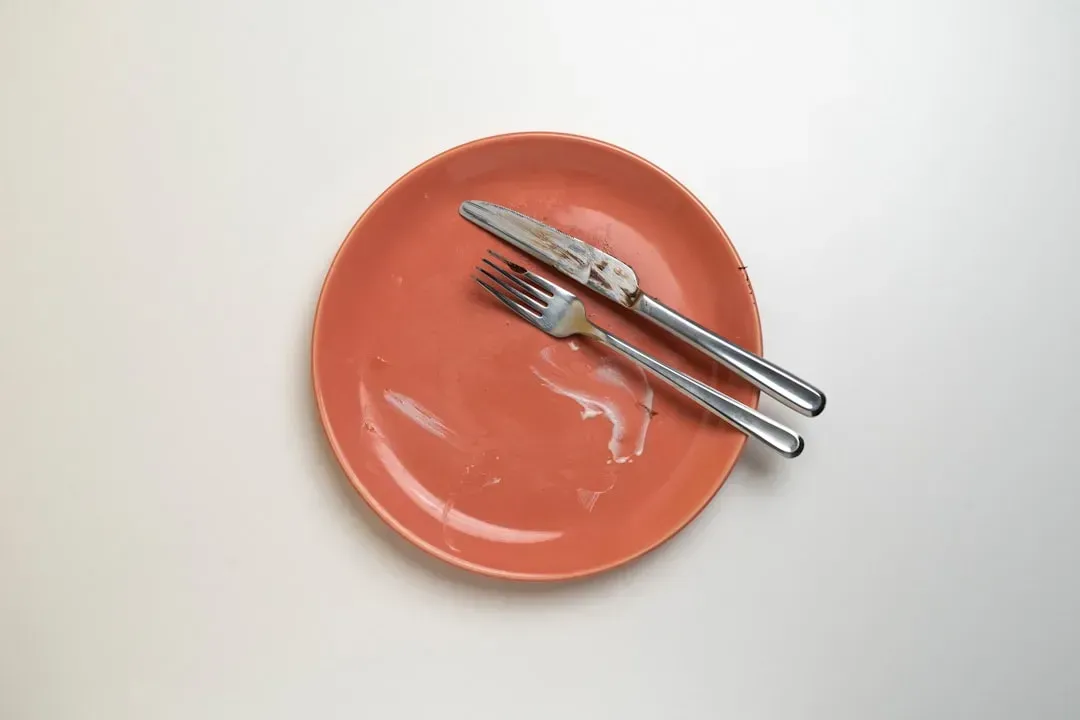
It’s worth acknowledging that the clean plate expectation didn’t come out of nowhere. Some of the reasons parents feel the need to encourage or force finishing food include cultural norms and expectations, growing up in or currently living with food scarcity, and viewing finishing food as a sign of respect for whoever cooked it. None of that makes the instinct wrong to have, but it does explain why the habit is so deeply ingrained in so many families.
Comments like it’s rude not to finish Grandma’s dinner, or we worked hard to bring food to this table so you need to eat it, reveal that the pressure is often not really about the food at all. It’s about effort, gratitude, and sometimes a parent’s own need for control at a chaotic moment in the day. Recognizing that distinction is often the first step toward loosening the rule.
A better framework: the division of responsibility in feeding

A better framework: the division of responsibility in feeding (Image Credits: Pexels)
If forcing a clean plate isn’t the answer, what is? Registered dietitian and family therapist Ellyn Satter developed a model back in the 1980s that’s still widely recommended today, known as the Division of Responsibility in Feeding, or sDOR. The Satter Division of Responsibility is endorsed by the Academy of Pediatrics as a proven approach for feeding children.
The structure is refreshingly simple. The parent decides what, when, and where food is offered, while the child decides whether to eat and how much to eat. This division of responsibilities gives the parent less of a role, because every parent eventually learns you can’t truly force a child to eat, and the best move is to stop trying.
What happens when parents let go of the pressure

What happens when parents let go of the pressure (Image Credits: Pexels)
Handing over that control can feel uncomfortable, especially for parents worried about nutrition or growth. It’s natural to be concerned the child is eating too little, too much, or not enough of the right foods, but following this approach can help alleviate that stress and set both parent and child up for success.
There can be a rocky adjustment period, particularly if pressure has been the norm for a while. If a caregiver has pressured or interfered with a child’s eating in the past, the negative eating behaviors may get more extreme for a while, but with patience, children settle down to eating what and as much as they need, while feeling good about food again. It’s a bit like weaning off any habit that both sides have grown used to. There’s friction before there’s calm.
Trusting hunger as a natural motivator

Trusting hunger as a natural motivator (This image was released by the National Cancer Institute, an agency part of the National Institutes of Health, with the ID 7484 (image) (next)., <a href="https://commons.wikimedia.org/w/index.php?curid=24032716" target="_blank" rel="noopener">Public domain</a>)
One of the more reassuring pieces of this puzzle is that skipping a meal, or eating very little at one, rarely causes real harm for a healthy child. For the neurotypical child, hunger can be a great motivator to eat at the next meal, and a child who opts not to eat dinner will likely eat an amazing breakfast.
This is really about shifting what a child relies on to know when to stop or start eating. It’s important for kids to learn what and how much food leaves them feeling satisfied, rather than building reliance on external cues, like a clean plate or a parent’s determination. Once that shift happens, mealtimes tend to settle into something far less combative.
Practical steps parents can take instead

Practical steps parents can take instead (Image Credits: Unsplash)
None of this means throwing structure out the window. Serving smaller portions and allowing seconds when a child is genuinely still hungry is a simple, low-stress adjustment. Serving small portions of different foods and offering seconds if kids are still hungry, along with involving them in meal planning and prep, tends to make food more appealing since kids are more likely to eat what they’ve helped create.
Checking in with the family about hunger and fullness before and after meals is another practical habit worth building. Checking in before and after meals as a family to report hunger and fullness levels turns mealtime into a shared conversation rather than a one-sided demand. Over time, this kind of routine helps kids articulate what their body is telling them, instead of guessing based on what’s left on the plate.