
Twelve years into this parenting gig, I've learned that most judgment is quiet. You don't say anything out loud at the grocery store or the playground. You just notice, file it away, and maybe raise an eyebrow when nobody's looking. I'm not proud of every one of these reactions, but I'd be lying if I said they didn't happen.
What follows isn't a list of parenting rules or a guilt trip. It's just an honest rundown of the small moments that make me quietly reassess someone, usually within seconds of watching them interact with their kid.
1. Talking about your kid like they're not standing right there
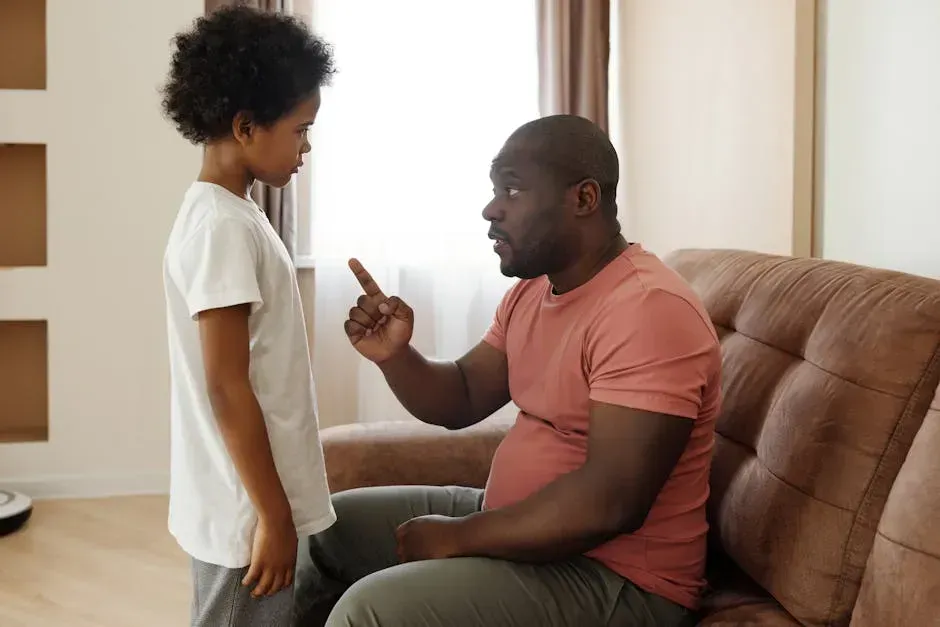
1. Talking about your kid like they're not standing right there (Image Credits: Pexels)
There’s a specific kind of cringe that happens when a parent describes their child’s flaws, tantrums, or “difficult phase” while the child is close enough to hear every word. Kids absorb far more than adults give them credit for, and child development research has consistently shown that children as young as toddlers pick up on tone and context even before they fully understand vocabulary. Hearing yourself described as “the hard one” or “a nightmare at bedtime” in front of strangers isn’t just embarrassing for the kid, it can shape how they see themselves.
I get that venting is human, and parenting is exhausting enough to make anyone want to complain. Still, there’s a difference between texting a friend later and narrating your child’s worst moments while they’re tugging on your sleeve. When I see this happen, I don’t say anything, but I do wonder if that parent has ever paused to think about what their kid is internalizing in that exact moment.
2. Handing over a phone the second a kid gets bored

2. Handing over a phone the second a kid gets bored (Image Credits: Unsplash)
Boredom isn’t the enemy people treat it as. Occupational therapists and child psychologists have pointed out for years that unstructured, unstimulated time is where creativity and self-regulation actually develop. When I see a parent instantly produce a tablet the moment a child sighs or fidgets, it tells me they’ve decided discomfort, even mild discomfort, isn’t something their kid gets to sit with.
I’m not anti-screen. My own kids have had plenty of screen time over the years, especially during long car rides or rough weeks. What gets my attention is the reflexive nature of it, the zero-second gap between “I’m bored” and a glowing screen appearing, because that pattern tends to stick around long after toddlerhood.
3. Letting your kid interrupt adults constantly without any correction

3. Letting your kid interrupt adults constantly without any correction (Image Credits: Pexels)
Every parent has had a moment where their kid barrels into a conversation because something urgent, at least to them, needs to be said immediately. That’s normal and forgivable. What raises an eyebrow is when it happens over and over with zero acknowledgment, no gentle “just a second, sweetie” or hand on the shoulder to signal that other people are also allowed to finish sentences.
Teaching a child to wait their turn isn’t about suppressing their voice. It’s a basic social skill that helps them later in classrooms, friendships, and eventually workplaces. When a parent lets interruptions slide entirely, without even a small acknowledgment, it usually means nobody’s modeling the waiting part either.
4. Bribing with junk food as the default parenting tool

4. Bribing with junk food as the default parenting tool (Image Credits: Pexels)
Using a cookie or a lollipop to get through a rough moment happens to every parent at some point, myself included. The pattern I notice, and quietly judge a little, is when it becomes the only tool in the toolbox. Pediatric nutrition guidelines from organizations like the American Academy of Pediatrics have repeatedly cautioned against using food, especially sugary food, as the primary way to manage behavior, since it can create long-term associations between emotional regulation and eating.
It’s not about being perfect with snacks. It’s about whether a parent has other options available, like distraction, patience, or simply letting a tantrum run its course in a safe space. When candy is the only lever being pulled, every single time, it says something about the parent’s bandwidth or willingness to sit through discomfort.
5. Dismissing a child's fear or pain as "nothing"

5. Dismissing a child's fear or pain as "nothing" (Image Credits: Pexels)
Kids fall down, get scared of the dark, or panic about something that seems irrational to an adult. What matters is the response. Telling a child “you’re fine, stop crying” the instant something upsets them, without even a beat of acknowledgment, tends to teach them that their feelings are inconvenient rather than valid.
Child psychologists who study emotional development generally recommend naming the emotion first, something as simple as “that scared you, huh,” before moving toward reassurance. When I watch a parent skip straight to dismissal, I find myself wondering how that kid processes fear as they get older, and whether they’ll ever feel comfortable bringing it up again.
6. Never apologizing to your own kid

6. Never apologizing to your own kid (Image Credits: Unsplash)
Every parent loses their temper occasionally. Snapping over something small, being short with a tired kid at the end of a long day, that’s part of being human and exhausted. What tells me a lot about someone is whether they circle back afterward and say some version of “I’m sorry I yelled.”
Modeling an apology teaches accountability in a way that lectures never will. Kids who see their parents own mistakes tend to grow into adults who can do the same. When I notice a parent who never, ever admits fault to their own child, even after an obvious overreaction, it’s one of the quicker ways to lose my quiet respect.
7. Comparing siblings or other kids out loud

7. Comparing siblings or other kids out loud (Image Credits: Unsplash)
“Why can’t you sit still like your sister” or “look how well he’s behaving” might feel like harmless observations in the moment, but comparisons like this tend to stick with kids far longer than parents expect. Sibling rivalry research has shown that perceived favoritism, even when unintentional, can affect self-esteem and sibling relationships well into adulthood.
I’ve caught myself almost saying something comparative before catching it and rephrasing. The instinct is understandable, especially in public where patience runs thin. Still, when I hear a parent do this repeatedly and casually, as if it’s just normal conversation, it’s hard not to wince a little on the kid’s behalf.
8. Overriding a "no" from your child about their own body
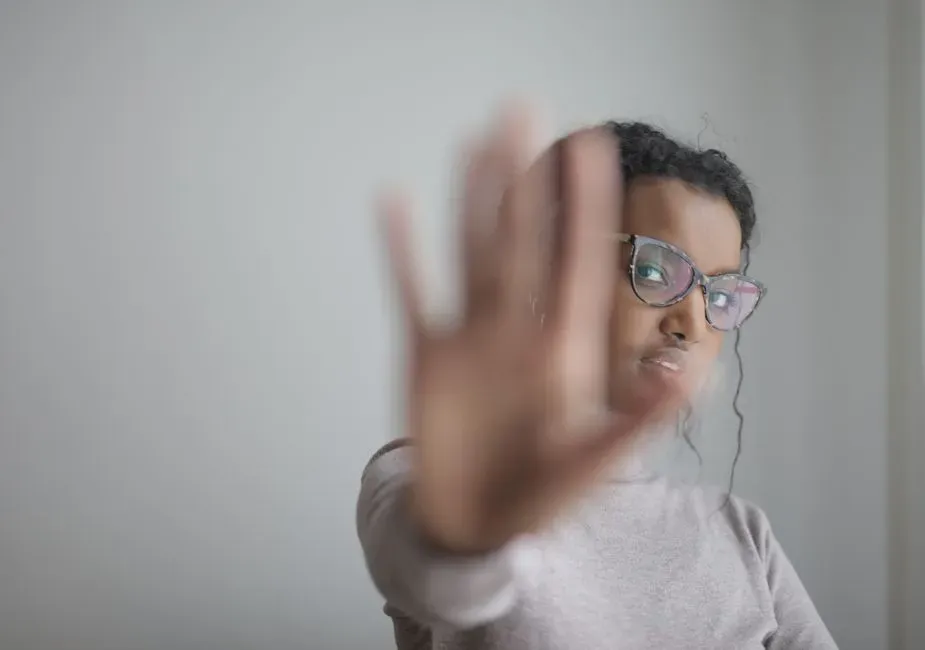
8. Overriding a "no" from your child about their own body (Image Credits: Pexels)
This one’s become more visible in parenting conversations over the past few years, especially as more research emphasizes bodily autonomy for kids. Forcing a hug on a reluctant child, insisting they kiss a relative goodbye, or brushing off “stop, that tickles” during rough play sends a message that their comfort is negotiable when an adult wants something.
Child safety advocates have increasingly pushed the idea that letting kids say no to physical affection, even with family, builds a foundation for recognizing and voicing boundaries later. It doesn’t require a lecture or a whole philosophy. It just requires pausing when a kid pulls away and actually listening to that signal instead of pushing past it for the sake of politeness.
9. Treating public tantrums as a performance for other adults

9. Treating public tantrums as a performance for other adults (Image Credits: Pexels)
There’s a specific version of parenting that seems more focused on how it looks to other people than on the actual kid melting down. Loud, exaggerated scolding aimed at an audience, sarcastic comments to nearby strangers, or visible embarrassment prioritized over calming the child down, these all read as more about managing perception than managing the moment.
Tantrums are developmentally normal, especially for kids under six, and child behavior specialists generally agree the most effective response is calm and consistent, not theatrical. When I see a parent more concerned with an audience’s judgment than their own kid’s distress, it tells me a lot about where their priorities sit under pressure.
None of this makes anyone a bad parent on its own. Everybody slips into a few of these habits occasionally, myself included, especially on hard days when patience runs thin. What tends to stick with me isn’t a single moment but a pattern, the difference between a rough afternoon and a consistent way of relating to a kid.