

Some habits look healthy because they sound healthy or perhaps even clean on the surface. After all, what could be wrong with cutting out sugar or swapping meals for smoothies? Unfortunately, once you make those habits part of your daily life, it’s unlikely that they’ll work out the way you expect. Here are seven lifestyle changes that sound healthy but can backfire.
Turning every habit into a productivity routine

What could be wrong with having a checklist for every habit? Well, as it turns out, quite a lot. A morning routine becomes longer when you have a list of things to complete, while meal planning turns into something that needs to be planned to every detail. Even your downtime becomes something far more structured.
No matter how helpful each piece might seem on its own, these habits all work together to fill your entire day, and you become too afraid to miss a single step. It feels like you’re falling behind when that happens. All those few good habits are more like packed routines, with very little room for flexibility.
Eating “healthy snacks” all day
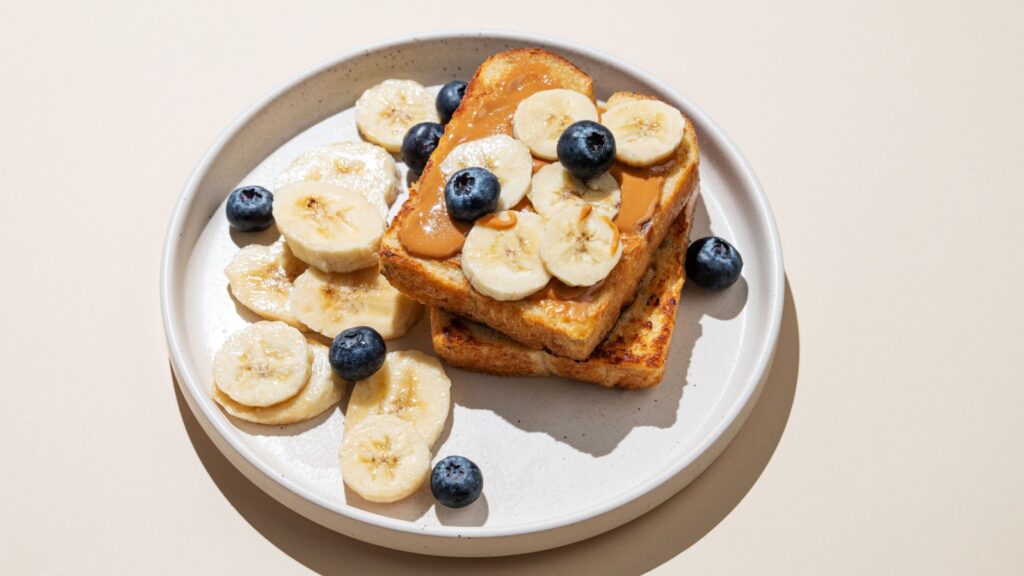
Eating healthy snacks doesn’t necessarily feel like overeating because the food you’re consuming doesn’t look like junk food. You might eat a handful of almonds here & have a protein bar later. However, no matter how reasonable it seems in isolation, all of those foods stack their calories, and may actually end up being worse for you.
Take nuts, for example, which are small but dense, and as for protein bars, these tend to have a lot more calories than you might expect. A lack of a clear meal structure prevents snacks from being a small extra. Soon enough, they’re a steady stream of food that you’re consuming throughout the day.
Going “sugar-free” but relying on artificial sweeteners

Most people try cutting sugar by swapping it for something else, rather than actually reducing the sweetness. They’ll use artificial sweeteners in coffee to make it sweet or to make sure their yogurt stays flavored, simply without the ‘sugar’ label. But that’s exactly the issue. Eventually, people keep the expectation of sweetness in place instead of giving it up.
It often leads to plain foods tasting flat, and anything mildly sweet no longer feels as satisfying as it once did. Essentially, it’s less of a reset and more of a way to maintain the same taste habits. The only difference? They’re eating it under a new name.
Replacing meals with smoothies or juices

Sure, you might think you’re being efficient by drinking your meals as smoothies, and it especially feels good when you’re busy. Adding some greens makes it look like a complete option. However, the truth is that a lot of these smoothies end up becoming fruit-heavy, meaning that you’re essentially consuming a lot of quick sugars that won’t fill you up.
Juice is even worse because it has relatively little fiber in it. It doesn’t matter that you might be able to finish a large smoothie in minutes because it doesn’t keep you feeling full in the way that a meal would. Your sense of hunger will come a lot sooner than you might hope.
Exercising every single day without rest

So many people stick to working out daily because it sounds like consistency, yet the truth is that not every workout is the same. The body doesn’t treat them equally. Whether it’s lifting or running, even high-intensity sessions, they all take something out of you, and you need to take proper breaks to prevent fatigue from building up.
Showing up and going through the motions leads to your performance flattening. The small aches will begin to linger, so remember that rest isn’t necessarily the opposite of progress. You should treat it more as part of the same cycle of wellness.
Switching to only “clean” or “natural” foods

At first, choosing to eat only clean foods appears to involve only reading labels & avoiding overly processed stuff. Then the rules get stricter. Yes, you’ll cut out ingredients and then entire categories before making sure that every simple meal follows the checklist. It makes eating out far more difficult.
Food should feel flexible and certainly not this controlled. When it becomes so controlled, it makes everyday eating into something that requires you to constantly make decisions. It’s certainly not straightforward, and that’s only ever going to make you feel utterly exhausted. Is it really worth it?
Cutting out entire food groups without a real reason

In almost every grocery store you visit, you’ll probably see aisles of gluten-free or dairy-free products. They’re full of alternatives for you to try. Yet the issue comes when you start removing whole food groups without a clear need, as it changes what ends up on your plate in a negative way.
Taking away things like bread & grains takes away common sources of fiber and calcium, as well as other nutrients. It’s hard to replace these in a balanced way. As such, limiting your meals in such a way will likely cause you more harm than good, so it’s better to avoid it altogether.
9 Things We Do at the Grocery Store That Cost Us More Over Time

These decisions gradually push your total higher so that, over time, you’re spending far more than you intended to. Here are nine things you may do at the grocery store that cost you more over time.
9 Things We Do at the Grocery Store That Cost Us More Over Time