
Most people know that fish is good for them. What’s less obvious is how dramatically the nutritional picture varies from one species to the next. A plate of tilapia and a plate of wild salmon may look similar, but their health benefits are nowhere near the same league.
All fish is high in protein and low in saturated fat, and the most nutritious options are also high in beneficial omega-3 fats, which may support heart health. Still, the gap between the top and bottom performers is wide enough to matter, especially if you eat fish regularly. Here’s how some of the most popular species stack up, from the least nutritionally impressive to the most.
Catfish: Affordable, Mild, and Modest in Nutrients

Catfish: Affordable, Mild, and Modest in Nutrients (Image Credits: Unsplash)
Farmed catfish may be raised in clean, freshwater but contains significantly fewer valuable omega-3s compared to wild counterparts. Even though catfish are naturally omnivores, farmed fish are often fed unnatural diets of soybeans, corn, and rice. That diet affects the fat quality in the flesh, which is why the nutritional case for catfish is harder to make.
Catfish does deliver more than your daily recommended amount of vitamin B12, along with selenium, phosphorous, and potassium. However, its nutrient profile may differ according to how it was raised, and most commercially available catfish is farmed, which comes with concerns including abnormal diets and environmental impact. It's a decent entry-level fish, just not a standout.
Tilapia: The Ubiquitous White Fish With Real Limits
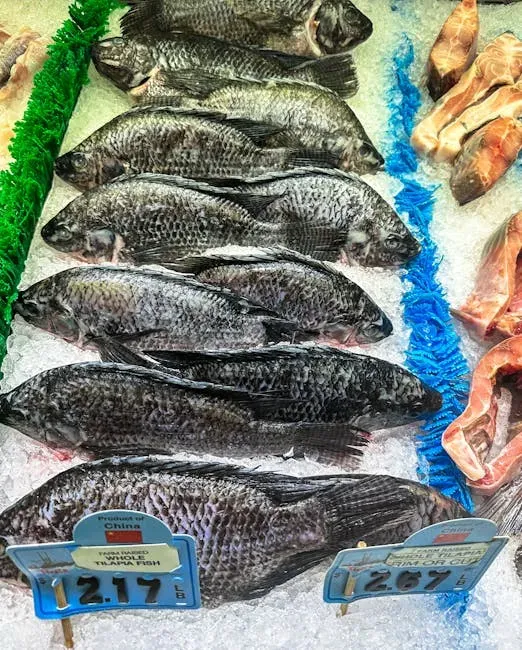
Tilapia: The Ubiquitous White Fish With Real Limits (Image Credits: Pexels)
Tilapia's reputation has suffered from concerns about farming methods and the fact that it's relatively low in omega-3 fats and higher in omega-6 fats. Still, it wouldn't qualify as junk food under most standards, because it does have nutritional value. It's lean, affordable, and genuinely easy to cook, which explains its popularity even if it lacks the omega-3 firepower of oilier fish.
The FDA lists tilapia as one of the best fish choices for pregnant or nursing women and children over the age of two years, due to its low mercury and contaminant content. Per 100g serving, tilapia provides about 26 grams of protein, and it also contains more essential amino acids such as lysine, histidine, and phenylalanine. For lean protein on a budget, it earns its place at the table.
Cod: The Classic Lean Fish That Delivers on Protein

Cod: The Classic Lean Fish That Delivers on Protein (Image Credits: Pexels)
Cod is a great source of phosphorus, niacin, and vitamin B-12, and a 3-ounce cooked portion contains 15 to 20 grams of protein. It's a lean, white fish that is packed with protein, vitamin B12, and phosphorus, and when looking for a healthy fish that is low in fat but high in satiety, cod is a natural choice, especially for those new to seafood seeking a milder flavor.
White fish like cod don't have as many omega-3s as oily fish. That's the honest limitation. Lean seafood has fewer calories than the fatty kind, and low-fat fish like cod have fewer than 120 calories in a 3-ounce serving while still giving you plenty of protein. For anyone managing calories or fat intake, cod is a reliable and well-rounded choice, even if it doesn't make the top tier.
Flounder: Light, Digestible, and Underrated

Flounder: Light, Digestible, and Underrated (avlxyz, Flickr, <a href="https://creativecommons.org/licenses/by-sa/2.0/" target="_blank" rel="noopener">CC BY-SA 2.0</a>)
Flounder is a leaner fish, which means it'll have fewer calories but also less omega-3s than salmon. It's thin, delicate, and quick-cooking, which makes it popular in home kitchens. Flounder is included in the FDA's list of fish that are among the lowest in mercury, making it a safe and regular dietary choice for even children and pregnant women.
Flounder won't give you the robust omega-3 levels of a fatty fish, but it offers a clean nutritional profile for people who prioritize low-calorie, low-fat eating. Most fish are generally considered a lean source of protein, which technically means the fish contains less than 3 grams of fat per ounce or less than 10 grams of fat per 100-gram portion. Flounder sits comfortably in this category and pairs well with almost any preparation.
Halibut: A Firm Flatfish With Serious Nutritional Depth

Halibut: A Firm Flatfish With Serious Nutritional Depth (shankar s., Flickr, <a href="https://creativecommons.org/licenses/by/2.0/" target="_blank" rel="noopener">CC BY 2.0</a>)
Halibut is an excellent source of selenium, a trace mineral with many health benefits that your body needs in small amounts, and a cooked half-fillet of halibut provides over 100% of your daily dietary needs for selenium. Halibut nutrition provides loads of protein, selenium, niacin, phosphorus, magnesium, vitamins B12 and B6, potassium, and omega-3 fatty acids. That's a genuinely impressive list for a single food.
Halibut contains a variety of nutrients that are good for your heart, such as omega-3 fatty acids, niacin, selenium, and magnesium. The FDA categorizes halibut in the "good choice" section considering mercury levels in its flesh, with a recommendation to consume one serving per week. It sits a clear step above lean white fish like cod or flounder, though it doesn't quite match the omega-3 density of the true oily fish heavyweights.
Tuna: High Protein, High Demand, and a Mercury Caveat
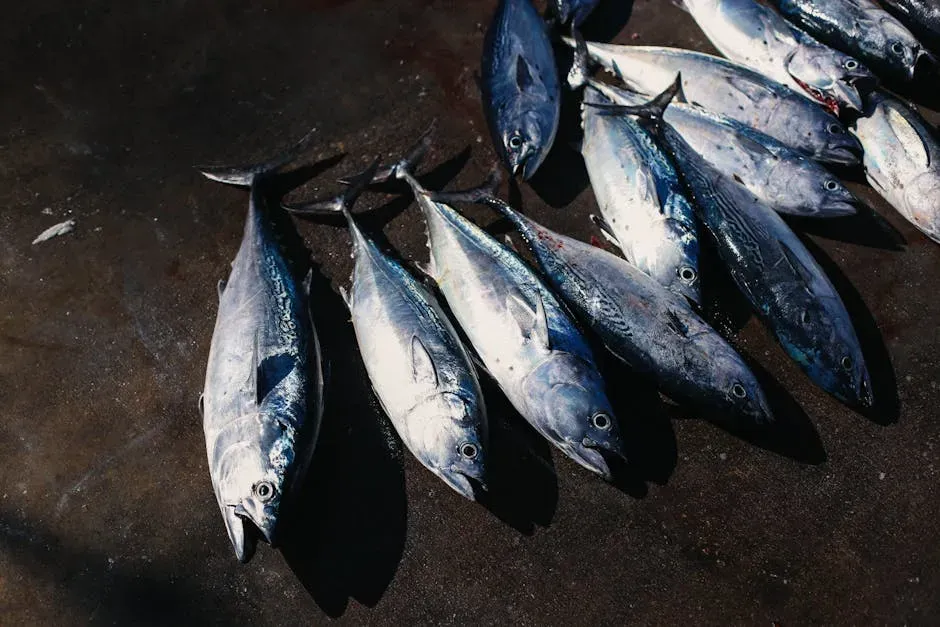
Tuna: High Protein, High Demand, and a Mercury Caveat (Image Credits: Pexels)
Tuna is incredibly protein-dense and contains very little fat, especially varieties like yellowfin. It is also rich in antioxidants like selenium and provides a substantial energy boost via B-complex vitamins. It's great for muscle building and protein-conscious diets, but should be enjoyed in moderation.
It's recommended that people limit yellowfin, albacore, and ahi tuna due to their high mercury content. Instead of white (which is albacore), choose "chunk light" when buying canned tuna. For a good source of protein, canned light tuna is safe to have up to three times a week. Tuna is undeniably nutritious, but mercury is a genuine consideration that prevents it from ranking higher overall.
Rainbow Trout: An Overlooked Nutritional Gem

Rainbow Trout: An Overlooked Nutritional Gem (Image Credits: Pexels)
Trout is lower in calories than other fish but still has plenty of protein and omega-3 fats. It also has more vitamin D than many other popular fish, with roughly 81% of your daily value in one serving. Vitamin D is needed for immune and bone health. That vitamin D content alone makes it stand out from most other options.
Rainbow trout is a low-mercury fish and also a good source of protein, omega-3 fatty acids, and vitamin D. Besides being high in omega-3 fatty acids, rainbow trout is a good source of protein, calcium, magnesium, and niacin. It's one of the quieter stars of the fish world, frequently overlooked in favor of salmon despite having a genuinely competitive nutritional profile.
Herring: The Small Fish With Enormous Nutritional Range

Herring: The Small Fish With Enormous Nutritional Range (conall.., Flickr, <a href="https://creativecommons.org/licenses/by/2.0/" target="_blank" rel="noopener">CC BY 2.0</a>)
Herring are slightly larger than sardines but still small enough to be low in contaminants. They also have more vitamin B12 than many other fish, with a remarkable 465% of the daily value in one serving. Vitamin B12 helps produce red blood cells, protect nerves, and make DNA. Few fish deliver that kind of micronutrient density in a single portion.
Fatty fish are especially beneficial, with salmon, mackerel, sardines, anchovies, and herring offering high omega-3 levels that reduce inflammation and support cardiovascular and cognitive health. Herring is a great source of protein, calcium, magnesium, potassium, niacin, vitamin B12, and selenium. It's popular across Northern Europe and deserves far more attention from the rest of the world.
Mackerel: One of the Most Omega-3 Dense Fish You Can Find
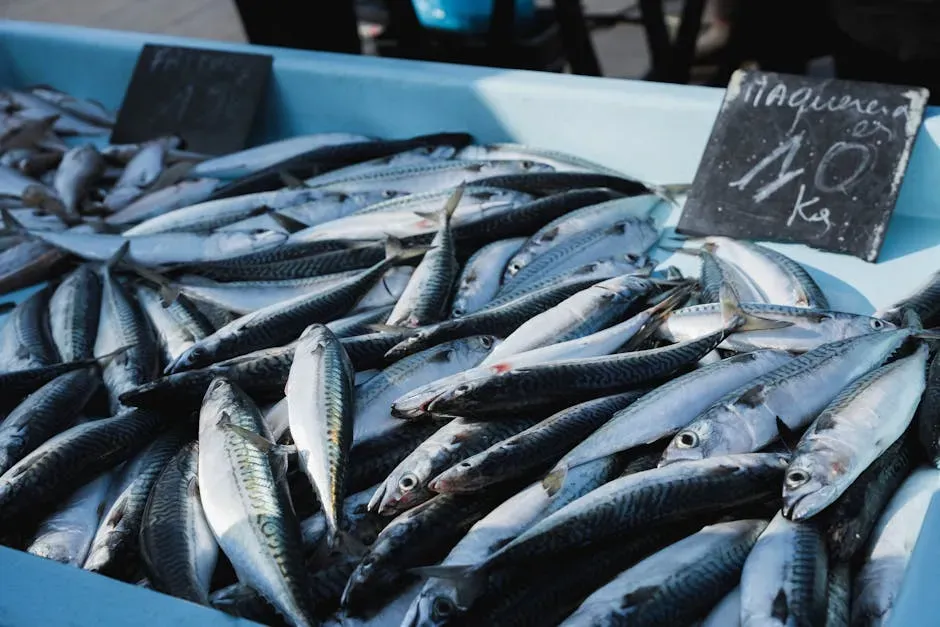
Mackerel: One of the Most Omega-3 Dense Fish You Can Find (Image Credits: Pexels)
Mackerel contains around 4,580 mg of EPA and DHA combined per 3.5 oz serving, making it one of the richest sources of omega-3 fatty acids among commonly eaten fish. Besides those omega-3 fatty acids, mackerel is high in vitamin B12, niacin, selenium, magnesium, iron, and potassium, plus a fair amount of protein.
Mackerel are generally an especially good source of omega-3s and most can be part of a healthy diet. However, king mackerel caught in the Pacific Ocean is high in mercury, and doctors say young children and women who are pregnant or nursing should avoid it completely. Atlantic mackerel, the more widely sold variety, is on the FDA's low-mercury best-choices list and remains an excellent option for most adults.
Anchovies: Tiny Fish, Towering Nutritional Value

Anchovies: Tiny Fish, Towering Nutritional Value (Image Credits: Pexels)
Anchovies are small oily fish loaded with nutrients, including protein, omega-3s, and calcium. They're also rich in selenium, an antioxidant that protects cells from damage that can lead to heart disease, cancer, and other health issues. That's a formidable combination packed into a fish that often doesn't get the credit it deserves.
Anchovies are high in protein, calcium, potassium, selenium, vitamin B12, and niacin. Eating fish at least twice a week has been linked to several health benefits, including a reduced risk of heart disease and inflammation, slower cognitive decline in older adults, and better eye health. For those willing to embrace their bold, salty flavor, anchovies deliver a concentrated nutritional punch that rivals any fish on this list.
Sardines: The Single Healthiest Fish by Almost Any Measure

Sardines: The Single Healthiest Fish by Almost Any Measure (Image Credits: Pexels)
Canned sardines are the MVP of the seafood world, given their affordability, shelf-stability, and nutritiousness. These tiny fish are loaded with marine-based omega-3 fatty acids, the type of fat known to fight inflammation and support brain, heart, and metabolic health. Omega-3s may also protect against depression.
Gram for gram, canned sardines have even more omega-3s than salmon. Beyond their omega-3 content, sardines are also one of the best dietary sources of calcium, with a single can providing as much as a glass of milk. They're naturally rich in vitamin D as well, a nutrient that not only aids calcium absorption but also plays a crucial role in immune function and bone health. Sardines are classified as very low-mercury fish, according to the American Pregnancy Association, which means their extraordinary nutritional density comes without the contamination concerns that limit other high-omega-3 options.
Salmon: The Well-Rounded Champion of Everyday Eating
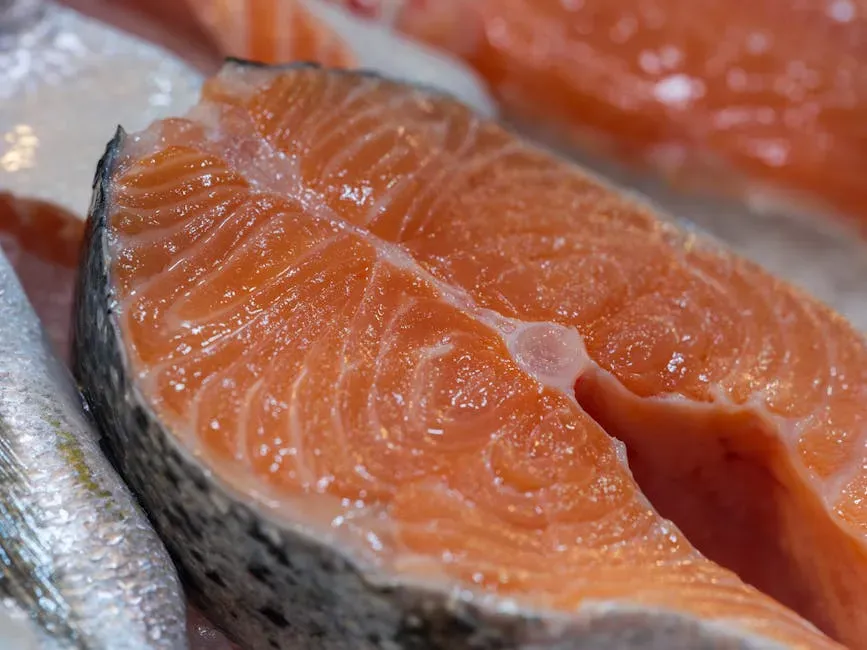
Salmon: The Well-Rounded Champion of Everyday Eating (Image Credits: Pexels)
Salmon is one of the most nutrient-dense foods on the planet. It contains high-quality protein and various nutrients, including large amounts of vitamin D, selenium, and B vitamins. Studies show that people who regularly eat fatty fish such as salmon have a lower risk of conditions such as heart disease.
The National Institutes of Health recommend that men consume 1.6 grams and women consume 1.1 grams of omega-3s daily, and one 3-ounce serving of salmon has more than enough. Alaskan Chinook, Coho, and sockeye salmon are three wild species rated the highest in omega-3s. There's an ongoing debate about whether wild salmon or farmed salmon is the better option. Farmed salmon is significantly cheaper, but it may contain less omega-3s and fewer vitamins and minerals, depending on whether it's fortified or not. Where your budget allows, wild-caught is the stronger nutritional bet, though both forms earn their place near the very top of the rankings.