
Feeling tired despite a full night of sleep is one of the most common complaints nutritionists hear in practice. While there are many possible explanations, one that gets overlooked surprisingly often is low magnesium. Magnesium is an essential mineral involved in over 300 chemical reactions in the body, helping your muscles move, your nerves function, and your body produce energy. When levels dip, the energy system starts to drag.
Magnesium plays a central role in how your body creates energy. Every cell uses a molecule called ATP for fuel, and magnesium is required to activate it. Without enough magnesium, your cells simply can’t produce or use energy efficiently. The four foods below are among the most consistently recommended by nutrition professionals for precisely that reason.
1. Pumpkin Seeds: The Compact Magnesium Powerhouse
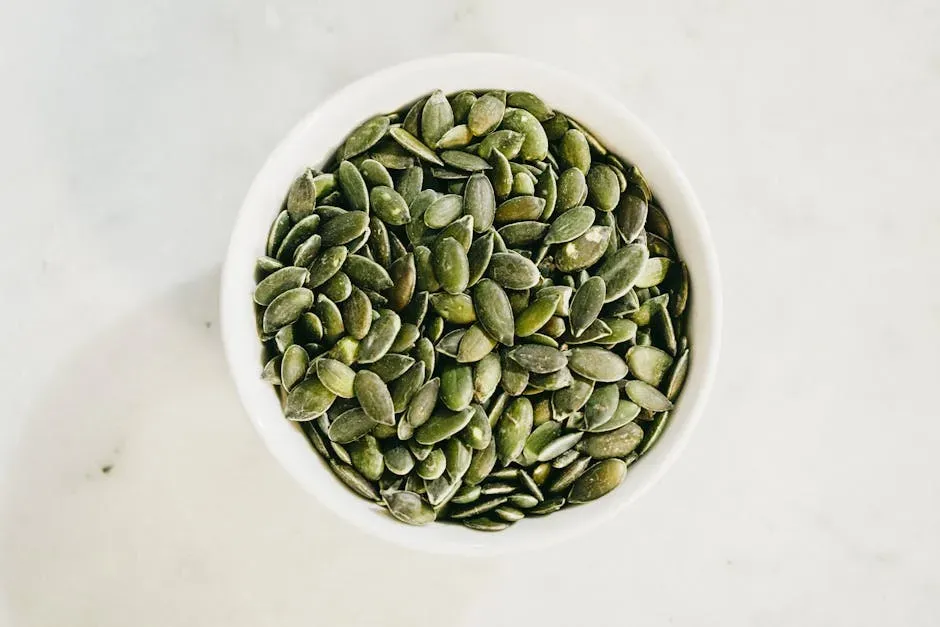
1. Pumpkin Seeds: The Compact Magnesium Powerhouse (Image Credits: Pexels)
Pumpkin seeds are one of the richest food sources of magnesium available. A single ounce of roasted pumpkin seed kernels contains roughly 156 mg of magnesium – that one handful covers nearly 40 percent of the daily recommended intake for most adults. Nutrition professionals have called pumpkin seeds the "superstar" when it comes to magnesium, and the numbers back that up. The seeds are also a top source of plant-based protein and contain all nine essential amino acids, making them an "allergy-friendly protein" for people who need to avoid whey, soy, or nut-based products.
Raw and roasted pumpkin seeds contain similar amounts of magnesium on paper, but your body absorbs more of it from roasted seeds. The reason comes down to phytic acid, a natural compound that binds to minerals like magnesium, making them harder for your digestive system to extract. While the total magnesium listed on a nutrition label may look similar for raw and roasted seeds, roasted seeds give your body better access to the magnesium they contain, so if you're eating pumpkin seeds specifically to boost your magnesium intake, roasting them makes a meaningful difference. Scatter them on oatmeal, toss them into a salad, or simply keep a small jar on the counter for snacking.
2. Cooked Spinach: The Leafy Green That Delivers Far More Than You Think

2. Cooked Spinach: The Leafy Green That Delivers Far More Than You Think (Image Credits: Unsplash)
Leafy greens with significant amounts of magnesium include kale, spinach, collard greens, turnip greens, and mustard greens. A one-cup serving of cooked spinach contains around 158 mg of magnesium. Spinach delivers that amount with only 41 calories, making it the most magnesium-dense food by caloric content – though many people find consuming sufficient spinach daily more challenging than enjoying one ounce of dark chocolate. The key word there is "cooked." Cooking spinach concentrates the magnesium, so you get significantly more per bite than you would from raw leaves.
Magnesium sits at the heart of the chlorophyll molecule, enabling photosynthesis by helping plants capture and convert sunlight into energy, which is precisely why dark leafy greens like spinach are naturally so rich in it. In addition, leafy greens like spinach are also an excellent source of several other nutrients, including iron, manganese, and vitamins A, C, and K. Spinach also contains magnesium that can specifically help with energy and sleep, two things closely tied to how fatigued you feel day to day. Stir it into soups, sauté it as a side dish, or fold it into scrambled eggs in the morning.
3. Dark Chocolate: A Genuine Nutritional Ally in Small Doses

3. Dark Chocolate: A Genuine Nutritional Ally in Small Doses (Image Credits: Unsplash)
A standard one-ounce serving of 70 percent dark chocolate contains approximately 64 milligrams of magnesium, about 16 percent of the daily recommended intake for adults. Dark chocolate's magnesium content correlates directly with cocoa percentage, since magnesium resides in cocoa solids rather than added sugar or fat. Higher cocoa percentages deliver more magnesium per ounce, making ultra-dark varieties the most nutrient-dense options. Dark chocolate is also high in iron, copper, and manganese, and contains prebiotic fiber that can help feed the beneficial bacteria in the gut.
Chronic fatigue without obvious cause may reflect inadequate magnesium, since the mineral participates in energy production at a cellular level. Weakness and low energy that don't improve with rest suggest metabolic dysfunction potentially linked to insufficient magnesium intake. To make the most of dark chocolate's benefits, choose a product containing at least 70 percent cocoa solids; a higher percentage is even better. It's worth treating it as a deliberate addition to the diet rather than a free pass, since calorie and sugar content still matter at larger quantities.
4. Black Beans: The Stable, Slow-Burn Energy Source
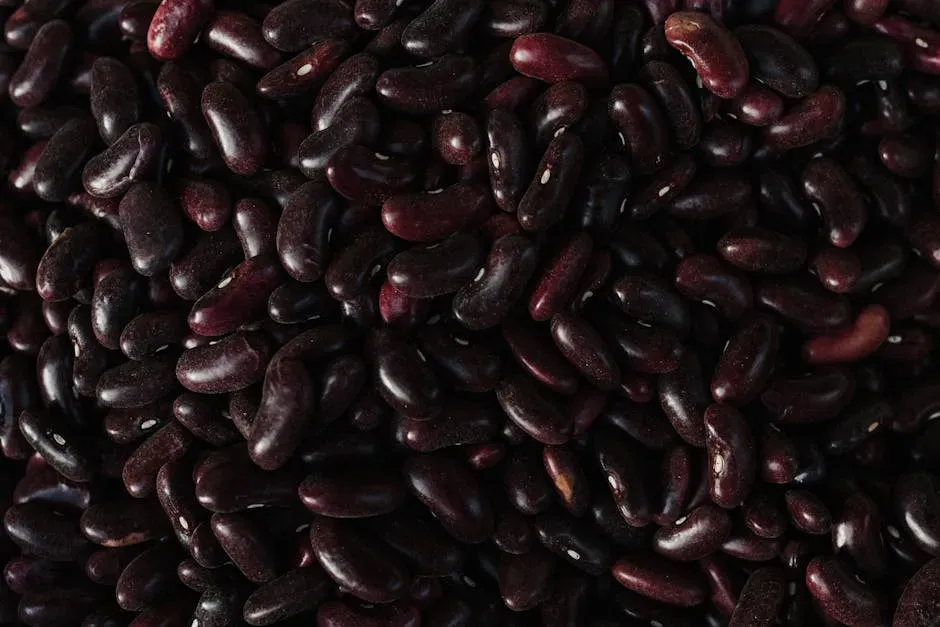
4. Black Beans: The Stable, Slow-Burn Energy Source (Image Credits: Pexels)
Black beans, when boiled, provide around 60 mg of magnesium per half-cup serving. A full cup of cooked black beans delivers 120 mg of magnesium alongside 15 grams of protein and 15 grams of fiber. The combination of magnesium and fiber in black beans creates simultaneous blood sugar stabilization and GABA support, addressing two of the most common magnesium deficiency symptoms at once. That combination – mineral density plus fiber – is what makes legumes like black beans particularly useful for sustained energy rather than short spikes.
Black beans are naturally low in sodium and contain potassium, calcium, and magnesium, all of which can help people manage their blood pressure. The iron, phosphorus, calcium, magnesium, manganese, copper, and zinc in black beans all contribute to building and maintaining bone structure. Unlike many other foods that are high in carbohydrates, black beans don't cause a spike in blood sugar – studies have actually found the opposite, making them a smart, stable energy source for anyone watching their glycemic response. They work well in soups, grain bowls, salads, or simply as a side dish on weekday evenings.
None of these four foods require a dramatic dietary overhaul. Magnesium supports ATP production, the body's energy currency, as well as muscle relaxation, and consistent intake matters far more than any single large dose. Food sources are the safest and most effective long-term solution, and food-based magnesium is unlikely to cause harm in healthy individuals. Working even two or three of these regularly into your meals is a realistic, evidence-grounded place to start.